

Last updated on April 5th, 2026 at 05:21 am
If your Ford F150 climate control is not working, it’s likely due to a faulty climate control module, blown fuse, or a problem with the blend door actuator. The most common fix is to reset the climate control module by holding the “Auto” button for about 10 seconds with the ignition on, which often resolves glitches without a costly repair. Checking fuses and error codes can also help pinpoint the issue before considering professional help.
You might notice the fan not working, AC blowing hot air, or unresponsive controls, which are typical signs of system failure. Knowing these symptoms can help you quickly identify whether the problem is a minor glitch or something needing a technician. Being proactive with troubleshooting can save you time and keep your truck comfortable year-round.
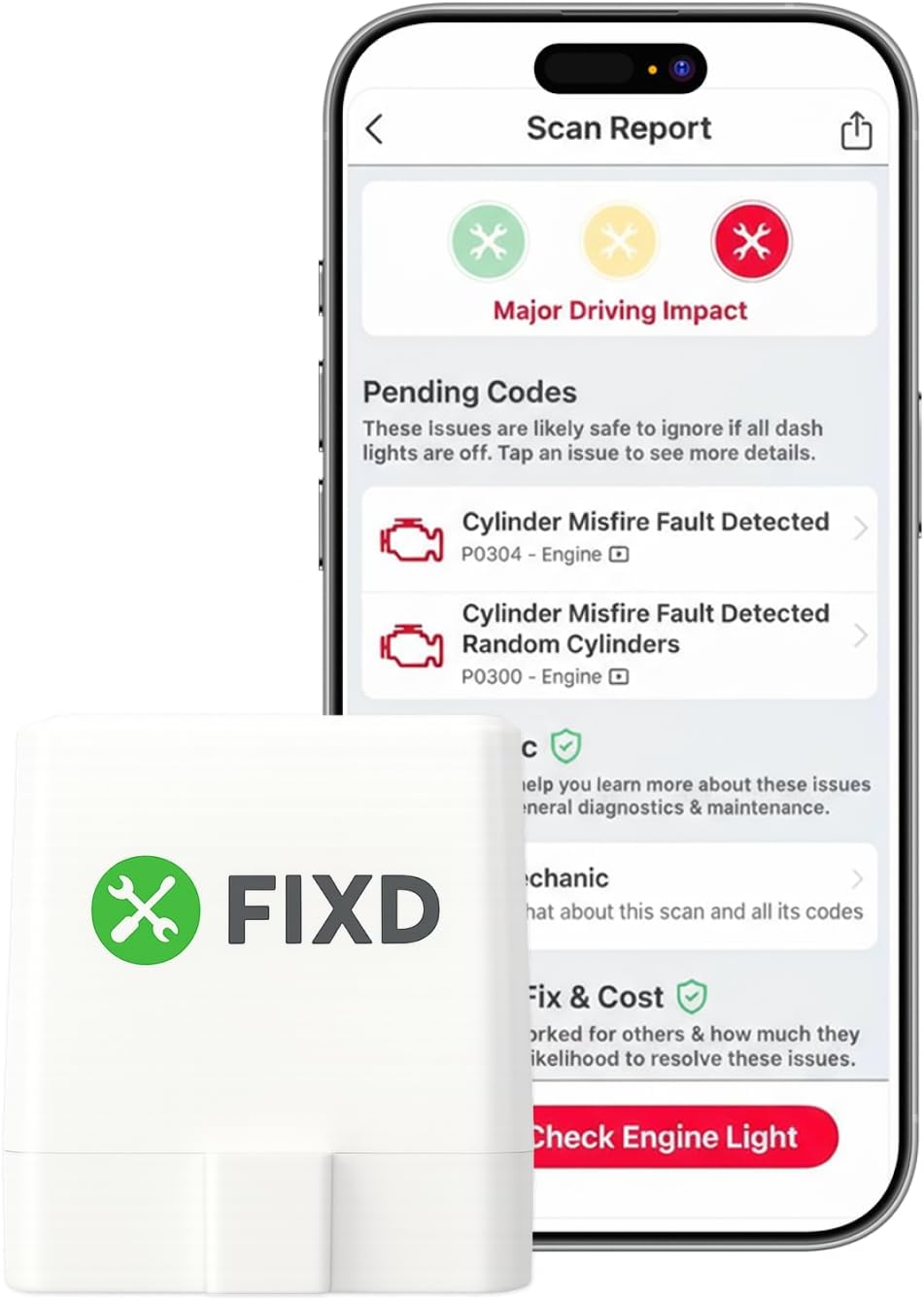
Best Bluetooth OBD2 Scanner
Detect 39,000+ Issues With Enhanced Codes. Save $1000s on car repairs & buying used vehicles by diagnosing problems yourself.
Shop on AmazonUnderstanding how the climate control system operates in your F150 is key to managing issues effectively. The system relies on sensors, actuators, and the control module to regulate cabin temperature and airflow. When any part malfunctions, simple resets or inspections often help restore normal function without major expense. For detailed guidance, see this extensive Ford F150 climate control troubleshooting guide.

Understanding How Ford F150 Climate Control Works
Your Ford F150’s climate control system manages airflow, heating, and cooling inside the cabin by coordinating several mechanical and electrical components. These work together to maintain the temperature you set, ensuring the environment stays comfortable regardless of external weather.
The system relies on key parts like the blower motor and compressor to move air and refrigerants. When something malfunctions, it’s often detected through specific symptoms such as uneven airflow or incorrect temperature. How temperature control functions directly impacts your driving comfort, so understanding its role is crucial.
Key Components of the Climate Control System
The climate control system in your Ford F150 includes several essential parts:
- Blower Motor and Fan: Move air through the vents at variable speeds.
- Compressor: Circulates refrigerant to cool the cabin air.
- Heater Core: Transfers heat from engine coolant into the cabin during heating.
- Blend Door Actuators: Adjust airflow between cold and hot air by controlling doors inside the system.
- Air Filters: Clean incoming air to maintain quality and system efficiency.
Electrical elements like fuses, sensors, and control modules regulate these components. If any of these parts fail or get clogged, the whole system’s performance can decline, leading to discomfort.
Common Symptoms of Malfunction
When your climate control stops working properly, you might notice several clear signs:
- The system blows warm air instead of cold when the AC is on.
- The fan does not operate or only works at some speeds.
- You hear unusual noises like knocking or rattling coming from the dashboard.
- Temperature settings seem stuck or unresponsive on the control panel.
- Uneven airflow with some vents blowing weak or no air.
- Foggy windows or strange odors indicating potential heater core or filter issues.
These symptoms often point to problems like blown fuses, faulty compressors, dirty filters, or failing actuators. Identifying the exact issue helps target repairs and restore climate control functionality.
Role of Temperature Control in Comfort
The temperature control system allows you to set a desired cabin temperature, and the climate control adjusts heating and cooling to match it. In your Ford F150, this means:
- Sensors detect interior and exterior temperatures.
- Blend door actuators modulate air mixing to achieve set levels.
- The compressor or heater core activates as needed.
Properly functioning temperature control maintains a consistent cabin environment, preventing overheating or chilling. When this control malfunctions, you may experience fluctuating or incorrect temperatures, reducing comfort and possibly causing safety issues like poor visibility due to fogged windows.
For detailed operation and troubleshooting, you can explore more about the Ford F150 climate control system and how it adjusts temperature automatically.
Diagnosing Why Climate Control Is Not Working
When your Ford F150’s climate control system stops functioning properly, several specific components and connections need to be examined. From resetting key modules to verifying electrical integrity and interpreting diagnostic information, each step pinpoints the root cause of temperature control issues.
Resetting the Climate Control Module
A simple reset of the climate control module can often clear glitches causing unresponsive or erratic behavior. To do this, start by turning your ignition to the “on” position without starting the engine. Next, locate the climate control panel and press the “Auto” button, holding it for about 10 seconds. Releasing the button completes the reset.
After performing this, switch off the ignition and restart the engine to check if the system responds correctly. This process refreshes the control module’s software and can resolve minor faults without any tools. If the module is corrupted or stuck, this reset may bring your temperature control back online quickly.
Checking Fuses and Electrical Connections
Electrical faults are common culprits behind climate control failures in the Ford F150. Begin your inspection by locating the fuse box—usually under the dashboard or in the engine bay—and identify the fuses related to the climate control system.
Use a multimeter or fuse tester to check for blown fuses. Replace any faulty fuse with one of the same rating to avoid damage. Next, inspect wiring harnesses and connectors behind the climate control panel for loose, corroded, or damaged connections. Pay attention to grounding points, as poor grounds can cause intermittent or total system failure.
Securing these electrical connections is critical since faulty wiring can block signals from the climate control module to actuators and sensors responsible for regulating fan speed and temperature.
Identifying Error Codes
Your Ford F150 stores diagnostic trouble codes (DTCs) related to the climate control system, which can provide precise reasons for malfunction. To access these codes, plug an OBD-II code reader into the vehicle’s diagnostic port under the dashboard.
Once connected, follow the on-screen prompts to retrieve the codes. Codes related to temperature sensors, actuators, or module failures help you target specific components needing repair or replacement. Refer to your vehicle’s manual or a trusted online database to interpret these codes accurately.
By diagnosing through error codes, you avoid unnecessary part replacements and save time troubleshooting, focusing only on the malfunctioning parts of the climate control system.
Generic code readers often miss deep-system HVAC faults. For the most accurate diagnosis, we recommend using a FORScan Compatible OBD2 Adapter. This allows you to access the Ford-specific modules and perform forced resets of the blend door actuators directly from your laptop.

Inspecting the Climate Control Panel
If the temperature control knobs or touchscreen commands on your Ford F150’s climate control panel don’t respond, the issue may lie in the panel itself. Start by visually checking the panel for stuck buttons, signs of moisture intrusion, or damage from impacts.
Clean the panel gently with a soft cloth to remove dirt that might hinder button function. If buttons remain non-responsive, the panel assembly may require replacement or professional recalibration. Sometimes, the connections between the panel and the climate control module become loose or corroded. Disconnect and reconnect these connectors to ensure a solid link.
Since the panel is the user interface of your climate control system, thorough inspection here is crucial when controls don’t register your input correctly.
Fixes for Common Ford F150 Climate Control Issues
Addressing climate control problems in your Ford F150 often means focusing on specific components like the blower motor, temperature controls, and blend door actuator. Proper diagnosis and targeted repairs can restore comfort without unnecessary replacements.
Resolving Blower and Fan Problems
If your climate control system isn’t pushing air through the vents or the fan speeds won’t change, the blower motor or its resistor might be faulty. Start by checking the blower motor for signs of wear or overheating.
Testing the electrical connections with a multimeter ensures the motor is receiving power. Sometimes blown fuses or damaged wiring near the motor cause failures. Replacing a faulty blower motor or resistor often restores full fan functionality.
If your fan only works on the highest setting, the resistor has likely failed. A high-quality Replacement Blower Motor Resistor is an inexpensive 10-minute fix that restores all fan speed settings and prevents the motor from overheating.

Also, listen for unusual noises like squeaking or grinding, which indicate mechanical wear needing immediate attention. Regular inspection prevents total climate control failure and maintains airflow inside your truck.
Repairing Temperature Control Malfunctions
When your Ford F150’s climate control system won’t adjust temperature properly or stays stuck, it can be due to a failing temperature control panel or issues with the HVAC control module.
First, check if the temperature control knob or touchscreen responds. Non-responsive controls might require replacing the front bezel or the entire control unit, especially in recent models.
Electrical problems such as blown fuses or connector failures also disrupt temperature regulation. In some cases, updating the Sync system software fixes erratic behavior. Always diagnose thoroughly before replacing parts to avoid unnecessary costs.
Blend Door Actuator Resets and Replacements
The blend door actuator controls airflow temperature by moving the blend door inside the HVAC system. If you notice inconsistent temperatures or strange noises from the dashboard, this actuator might be stuck or broken.
To fix it, you may need to reset the actuator by disconnecting the battery for a few minutes and reconnecting it, allowing the system to recalibrate. If resetting doesn’t help, replacing the actuator is necessary.
Proper repair ensures your Ford F150 climate control system directs hot or cold air correctly, maintaining driver and passenger comfort through changing weather conditions.
Preventative Maintenance and When to Seek Help
Maintaining your Ford F150’s climate control system requires regular attention to critical components. Knowing when the issue goes beyond routine checks will help you avoid complicated damage and ensure your comfort. Proper care extends the life of the system and preserves its effectiveness.
Maintenance for Long-Term Reliability
To keep your climate control system functioning consistently, start with routine inspections of air filters and cabin filters. Replace the filters at least once a year or more frequently if you drive in dusty conditions. Clean filters improve airflow and reduce strain on the blower motor.
Check refrigerant levels regularly, as low refrigerant is a common cause of poor cooling. Inspect hoses and connections for leaks or cracks that can lead to refrigerant loss. Using proper PPE (personal protective equipment) during these checks is important, especially when handling refrigerants.
Additionally, test the blower motor, fuses, and relays to ensure they function as intended. Clean debris from vents and inspect sensors or actuators for signs of wear. These steps minimize the risk of unexpected failures and support smooth temperature control inside your truck.
When to Consult a Professional Technician
If your Ford F150’s climate control panel becomes unresponsive, or you notice erratic temperature behavior despite basic resets and maintenance, it’s time to seek professional help. Complex issues like faulty climate control modules, compressor failure, or sensor malfunctions require specialized diagnostic tools.
A technician will use a scanner such as Forscan to read error codes and pinpoint the exact fault. Ignoring persistent problems can cause further damage and costly repairs.
Professional service is also advisable if you suspect refrigerant leaks, compressor issues, or electrical faults. These repairs involve handling hazardous substances and sensitive components, making certified expertise essential for safe and effective resolution.