

Nothing devastates a perfect ride quite like your Harley suddenly sputtering to a halt mid-journey. This frustrating predicament transforms leisurely cruises into roadside emergencies, leaving riders stranded and confused about what went wrong.
Your Harley Davidson stalls while riding primarily due to fuel system malfunctions, electrical disruptions, or sensor failures. The most frequent culprits include clogged fuel filters, faulty crankshaft position sensors, malfunctioning idle air control valves, overheating components, and vacuum leaks that disrupt proper air-fuel mixture ratios.
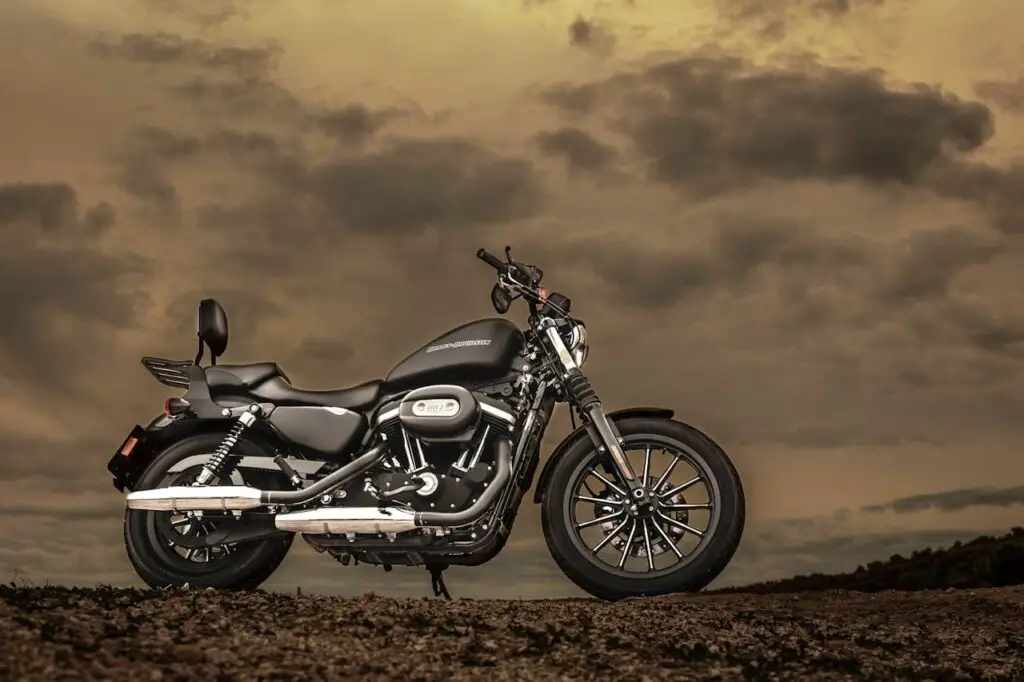
What Causes Stalling
When examining why your beloved Harley experiences sudden power loss, multiple interconnected systems simultaneously contribute to these maddening episodes. Most importantly, recognizing these underlying mechanisms helps prevent future occurrences and minimizes costly repairs down the road.
Furthermore, stalling rarely happens without warning signs. Your motorcycle typically broadcasts subtle distress signals through performance changes, unusual sounds, or intermittent hiccups that gradually worsen over time. These early indicators provide valuable opportunities for proactive intervention before complete system failure occurs.
Best Bluetooth OBD2 Scanner
Detect 39,000+ Issues With Enhanced Codes. Save $1000s on car repairs & buying used vehicles by diagnosing problems yourself.
Shop on AmazonUnlike older carbureted models that tolerated minor imperfections, modern fuel-injected Harleys demand precise fuel delivery and timing coordination. Consequently, even small disruptions in fuel flow, electrical continuity, or sensor accuracy can trigger complete engine shutdown during operation.
Building on this foundation, environmental factors also play crucial roles in stalling frequency. Extreme temperatures, humidity levels, and altitude changes stress various components differently, creating conditions where marginal systems finally fail under additional pressure.
Fuel System Troubles
Moving beyond general causes, fuel system complications represent the most prevalent source of riding stalls across all Harley models. These issues typically develop gradually through contamination, wear, or maintenance neglect, making early detection essential for preventing roadside breakdowns.
In particular, fuel filters bear the brunt of contamination from ethanol-blended gasoline, which accelerates debris accumulation and restricts flow rates. When your filter becomes excessively clogged, fuel starvation occurs during high-demand situations like acceleration or sustained highway speeds.
Moreover, fuel pump failures create especially problematic scenarios because symptoms often manifest inconsistently. Your pump might function perfectly during cold starts but fail catastrophically once operating temperatures rise, leaving you stranded miles from assistance.
The fuel pump can fail when hot, but run fine when cool, creating intermittent problems that are difficult to diagnose without proper testing equipment.
Harley Davidson Service Manual
Additionally, fuel injector contamination disrupts the precise spray patterns required for optimal combustion. Dirty injectors create uneven fuel distribution, causing rough operation and potential stalling during acceleration or deceleration phases.
To address these concerns effectively, regular fuel system maintenance becomes absolutely critical. Quality fuel filters like the FPF Replacement Fuel Filter provide reliable protection against contamination while ensuring consistent fuel flow rates.
Electrical System Faults
Transitioning from fuel-related issues, electrical system problems create equally frustrating stalling scenarios that often prove more challenging to diagnose. These failures typically occur suddenly without obvious warning signs, making them particularly dangerous during highway riding situations.
Specifically, crankshaft position sensor malfunctions rank among the most common electrical causes of unexpected stalls. This critical component tells your engine control module precisely when to fire the ignition system, and sensor failure immediately disrupts this timing sequence.
What makes these problems especially troublesome is their tendency to fail intermittently. Your sensor might work flawlessly during morning rides but fail once heated by engine operation, creating temperature-dependent stalling that frustrates both riders and mechanics alike.
A bad crankshaft position sensor can lead to issues like stalling, misfires, or trouble starting the engine, particularly when the component becomes heat-soaked during operation.
AutoZone Technical Guide
Furthermore, ignition switch deterioration causes sudden power loss that mimics more serious engine problems. Worn contacts lose electrical continuity during vibration, cutting power to essential systems and creating complete engine shutdown.
Battery and charging system problems also contribute to stalling, particularly when electrical demands exceed system capacity. While your alternator normally powers the bike during operation, a severely degraded battery cannot maintain stable voltage during high-demand situations.
For reliable electrical system performance, quality replacement components like the Crankshaft Position Sensor ensure proper engine timing and prevent heat-related failures.
Idle Air Control Issues
Delving deeper into specific component failures, idle air control valve problems create particularly frustrating stalling scenarios that typically occur during deceleration or when coming to stops. These valves regulate airflow when your throttle remains closed, maintaining proper idle speeds under varying conditions.
Carbon buildup gradually restricts valve movement, preventing proper idle control and causing erratic engine speeds. This contamination accumulates slowly through normal operation, making the problem difficult to detect until symptoms become severe enough to cause actual stalling.
Additionally, vacuum leaks around the IAC valve or related components create lean fuel mixtures that disrupt proper combustion. These leaks often develop gradually through gasket deterioration or loose connections, creating intermittent problems that worsen over time.
The IAC valve controls idle speed by regulating the amount of air that bypasses the throttle plate, and when it fails, the engine may stall or have an erratic idle.
Motorcycle Service Manual
To identify these issues early, symptoms typically include irregular idle speeds, occasional stalling at traffic lights, and difficulty maintaining consistent engine speeds during deceleration. Fresh symptoms often appear after extended highway riding when heat expansion affects component tolerances.
Professional diagnosis sometimes requires specialized equipment to detect intermittent vacuum leaks or measure IAC valve response times. However, basic cleaning with carburetor cleaner often resolves minor sticking issues before complete replacement becomes necessary.
Heat-Related Problems
As we explore environmental factors, heat-related failures represent a significant cause of riding stalls, particularly during summer months or extended highway operation. Multiple systems become stressed simultaneously when operating temperatures exceed design limits, creating cascading failures.
Fuel pumps prove especially vulnerable to heat damage because they operate submerged in gasoline, relying on fuel circulation for cooling. When fuel levels drop or circulation becomes restricted, pump temperatures rise dramatically, leading to premature failure and sudden stalling.
Electronic components also suffer from excessive heat exposure, with engine control modules and sensors experiencing reduced reliability as temperatures climb. These failures often occur without warning, making heat-related stalls particularly dangerous during highway riding.
Heat is the enemy of every motorcycle system – it accelerates wear, reduces component life, and creates unexpected failures that can strand riders.
Motorcycle Maintenance Weekly
Beyond component failures, heat creates vapor lock conditions in fuel lines, preventing proper fuel delivery to the engine. This phenomenon typically occurs during hot weather operation or when fuel system components become heat-soaked from engine proximity.
Prevention strategies include ensuring proper cooling system maintenance, avoiding prolonged idling in hot weather, and maintaining adequate fuel levels to provide pump cooling. Regular inspection of heat shields and cooling fins also helps prevent temperature-related problems.
Diagnostic Procedures
When confronting stalling problems, systematic diagnostic approaches prove far more effective than random part replacement strategies. Beginning with basic checks eliminates simple causes before progressing to more complex testing procedures.
Start your diagnostic process by verifying fuel level adequacy and examining the kill switch operation. These simple checks often reveal obvious problems that cause stalling without requiring extensive troubleshooting procedures.
Essential Initial Diagnostic Steps:
- Check fuel tank level and reserve position
- Verify kill switch proper operation
- Test battery voltage with digital multimeter
- Inspect all fuses for blown conditions
- Examine spark plugs for fouling or damage
- Listen for fuel pump priming sounds
Moving beyond basic checks, fuel system diagnosis requires pressure testing and flow rate measurements. Professional diagnostic equipment provides accurate readings, but basic tests can identify obvious problems like clogged filters or weak pump output.
Electrical system testing involves scanning for diagnostic trouble codes and measuring sensor resistance values. Modern Harleys store fault codes that provide valuable clues about intermittent problems, even when symptoms aren’t currently present.
For complex intermittent problems, advanced diagnostic equipment like oscilloscopes and pressure transducers can capture data during actual stalling events. This information proves invaluable for identifying root causes of elusive problems.
Repair Strategies
Once diagnostic procedures identify specific problems, effective repair strategies address root causes rather than merely treating symptoms. This approach prevents recurring issues and ensures long-term reliability improvements.
Quality replacement parts significantly impact repair longevity, with premium components often providing superior durability compared to economy alternatives. While initial costs may seem higher, quality parts reduce future repair frequency and associated labor expenses.
Professional Repair Considerations:
- Use manufacturer-specified torque values for all fasteners
- Apply appropriate thread-locking compounds where specified
- Clean all electrical connections with contact cleaner
- Verify proper routing for all wiring harnesses
- Test all systems thoroughly before returning to service
DIY repairs require careful attention to cleanliness and proper procedures. Contamination during fuel system work can create new problems, while improper electrical connections may cause intermittent failures that prove difficult to diagnose later.
Furthermore, some repairs require specialized tools that may not justify purchase for occasional use. Professional service often proves more cost-effective for complex diagnostic procedures or repairs requiring expensive equipment.
Post-repair testing should include both static checks and road testing under various conditions. Many problems only manifest during specific operating conditions, making comprehensive testing essential for verifying complete repairs.
Prevention Methods
Rather than waiting for stalling problems to develop, proactive maintenance strategies dramatically reduce failure frequency while extending overall motorcycle reliability. Regular inspection schedules coupled with quality maintenance practices prevent most common stalling scenarios.
Understanding how different systems interact helps prioritize maintenance activities. For example, dirty air filters force fuel systems to work harder, while poor electrical connections create voltage drops that stress electronic components.
Comprehensive Maintenance Schedule:
| Component | Inspection Interval | Replacement Interval |
|---|---|---|
| Fuel Filter | Every 5,000 miles | 15,000-20,000 miles |
| Air Filter | Every 2,500 miles | 10,000-12,000 miles |
| Spark Plugs | Every 10,000 miles | 20,000-25,000 miles |
| Battery Test | Every 6 months | 3-4 years |
| IAC Cleaning | Every 15,000 miles | As needed |
Environmental considerations also play important roles in prevention strategies. Proper storage preparation prevents many problems, particularly wet sumping issues common in Milwaukee-Eight engines that can manifest as stalling after extended periods of inactivity.
Quality fuel selection reduces contamination and helps prevent injector fouling. Top-tier gasoline brands contain superior detergent packages that help maintain fuel system cleanliness compared to discount alternatives.
Additionally, riding habits significantly impact component longevity. Gentle acceleration reduces stress on fuel pumps and electrical systems, while avoiding excessive heat buildup through proper cooling prevents temperature-related failures.
Advanced Troubleshooting
For persistent or complex stalling problems, advanced diagnostic techniques may be necessary to identify root causes. These methods typically require specialized equipment and expertise but can resolve problems that basic troubleshooting cannot address.
Intermittent problems pose particular challenges because they may not manifest during static testing. Data logging equipment can capture information during actual stalling events, providing valuable insights into system behavior during failures.
Thermal imaging cameras help identify hot spots that might indicate failing components or inadequate cooling. These tools prove particularly valuable for diagnosing heat-related problems that only occur during extended operation.
Advanced diagnostic equipment allows technicians to capture data during actual failure events, providing insights that static testing cannot reveal.
Professional Motorcycle Technician
Professional diagnostic services often prove cost-effective for complex problems because they have access to manufacturer-specific diagnostic tools and extensive experience with common failure patterns. This expertise can quickly identify problems that might take hours of trial-and-error diagnosis.
Pattern recognition becomes crucial for experienced technicians who understand how different systems interact and fail. This knowledge helps prioritize diagnostic steps and avoid unnecessary part replacement based on symptoms alone.
For DIY enthusiasts, investing in quality diagnostic tools pays dividends over time. Digital multimeters, fuel pressure gauges, and basic scan tools enable effective troubleshooting of most common problems without requiring professional assistance.
Video Credit: vTwin Rumbler / YouTube
How much does it cost to fix a stalling Harley Davidson?
Repair costs for stalling problems vary dramatically depending on the specific cause and complexity of the required repairs. Simple issues like clogged fuel filters typically cost $150-$300 when performed professionally, while more complex problems involving sensor replacement or electrical system repairs can range from $300-$800.
DIY enthusiasts can significantly reduce costs by performing basic maintenance and simple repairs themselves. Quality replacement parts like fuel filters, spark plugs, and basic sensors typically cost $25-$75, representing substantial savings compared to professional labor charges. However, complex diagnostic procedures may still require professional assistance even for experienced home mechanics.
Why does my Harley stall only when it’s hot?
Heat-related stalling typically involves fuel pump failure, vapor lock formation, or electronic component malfunction that only occurs at elevated temperatures. Fuel pumps rely on gasoline circulation for cooling, and when this cooling becomes inadequate, pump performance degrades rapidly, leading to fuel starvation and engine shutdown.
Electronic components also become less reliable as temperatures rise, with sensors and control modules experiencing reduced accuracy or complete failure when heat-soaked. Additionally, vapor lock can form in fuel lines when gasoline reaches its boiling point, creating air bubbles that prevent proper fuel delivery to the engine.
Can a dirty air filter cause my Harley to stall?
While dirty air filters rarely cause complete stalling by themselves, they can contribute to the problem by creating excessively rich fuel mixtures that disrupt proper combustion. Severely restricted airflow forces the fuel injection system to compensate, potentially creating conditions that lead to rough running and eventual stalling.
More commonly, dirty air filters stress other components like fuel pumps and injectors, which must work harder to maintain proper air-fuel ratios. This increased workload can accelerate wear and contribute to premature failure of these critical components, ultimately resulting in stalling problems.
Is it safe to ride my Harley if it occasionally stalls?
Riding with intermittent stalling presents serious safety risks, particularly during highway operation or when navigating traffic. Sudden power loss can create dangerous situations where you cannot maintain speed or safely maneuver away from hazards, potentially resulting in accidents or collisions.
Additionally, intermittent problems often worsen rapidly without warning, potentially leaving you stranded in unsafe locations. The underlying causes of stalling typically involve critical engine systems that require immediate attention to prevent more serious damage and ensure safe operation.
How can I prevent my Harley from stalling while riding?
Prevention strategies focus on regular maintenance of fuel, electrical, and air intake systems that commonly cause stalling problems. This includes replacing fuel filters every 15,000-20,000 miles, cleaning the idle air control valve regularly, and maintaining proper battery and charging system function through routine testing and service.
Quality fuel selection also plays an important role in prevention, as top-tier gasoline contains superior detergent packages that help maintain fuel system cleanliness. Additionally, proper storage preparation during off-seasons prevents many problems, particularly wet sumping issues that can manifest as stalling after extended periods of inactivity.
Sources:
- Harley Davidson Stalling Troubleshooting
- Fuel System Problems Discussion
- Common Fuel Pump Issues Guide
- IAC Valve Symptom Analysis
- Crankshaft Position Sensor Problems
Read More:
- Harley Switch Problems? (Here’s the Ultimate Fixing Guide)
- Harley Davidson Oil Leak (Here’s the Complete Repair Guide)
- Harley Brake Problems? (Here is the Complete Fix Guide)