
Your Insignia TV unexpectedly shutting off disrupts viewing experiences and signals potential hardware or software issues. This automatic power-off behavior affects both Fire TV and Roku TV models across various size ranges.
Insignia TV auto power off typically occurs due to enabled sleep timers, overheating components, faulty power supplies, loose connections, or corrupted firmware. The most effective solutions include disabling sleep mode settings, improving ventilation, checking power connections, updating software, and performing factory resets when necessary.

Reasons Insignia TV Powers Off Automatically
Multiple factors contribute to unexpected power shutdowns in Insignia televisions, ranging from simple software settings to more complex hardware malfunctions. Understanding these causes helps target the most appropriate troubleshooting approach for your specific situation.
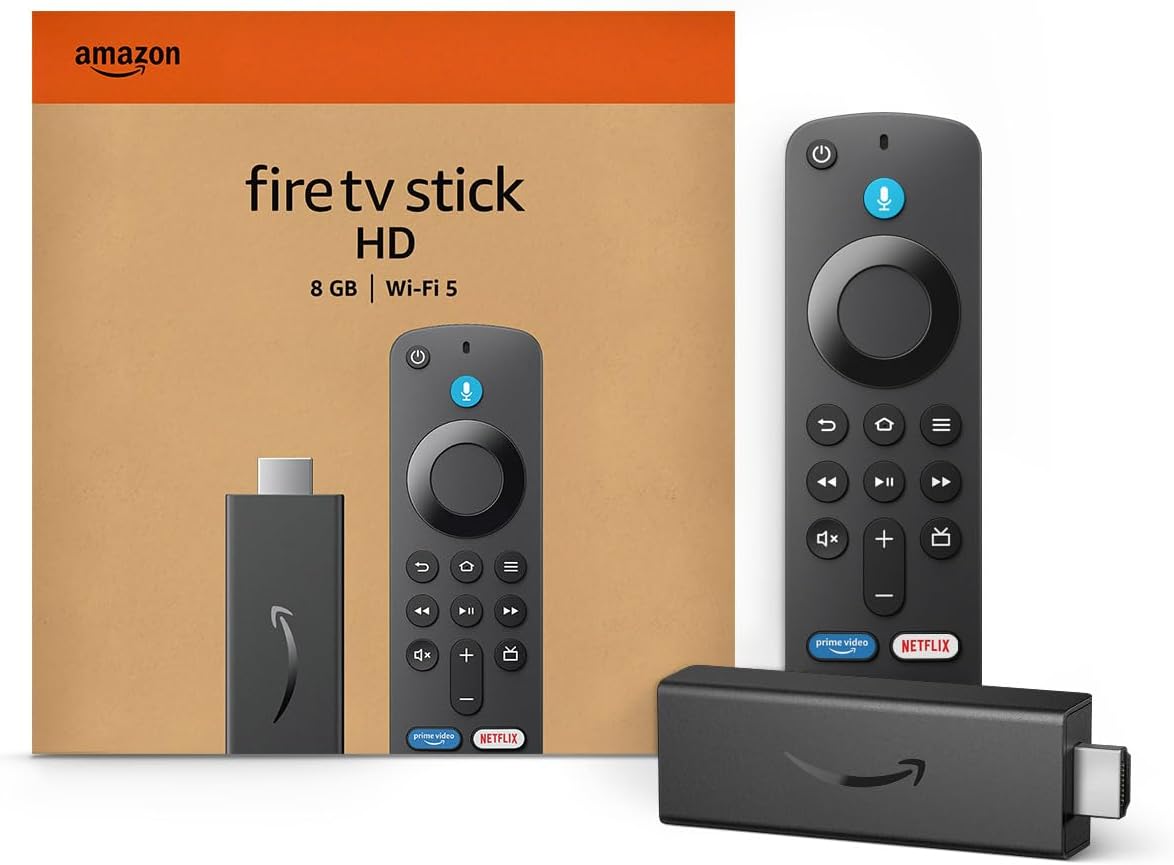
Amazon Fire TV Stick HD
Turn Any TV to a Smart TV. Stream Netflix, Prime Video & More. Alexa Voice Remote Included. Easy Plug & Play Setup.
Shop on AmazonSleep Timer and Power Management Settings
Built-in sleep timers represent the most common cause of automatic shutdowns in Insignia TVs. These energy-saving features turn off your television after predetermined periods of inactivity, often catching users off guard when they pause content briefly.
Fire TV models include multiple power management options that can trigger automatic shutoffs. The sleep timer activates after 4 hours of inactivity by default, while screensaver settings can initiate shutdown sequences after just 5 minutes of paused content.
Your Insignia Roku TV also incorporates similar power-saving mechanisms, including auto power savings that detect periods of no user interaction. These features aim to reduce energy consumption but often activate more aggressively than users expect.
Eco-mode settings further complicate power management by automatically adjusting brightness and enabling additional power-saving features that can contribute to unexpected shutdowns during low-activity periods.
The default sleep timer setting on most Insignia models is designed to balance energy efficiency with user convenience, but many users find the timing too aggressive for their viewing habits.
Overheating and Thermal Protection
Overheating triggers automatic shutdowns as a protective mechanism to prevent permanent damage to internal components. Insufficient ventilation, blocked air vents, or dust accumulation commonly cause thermal issues in Insignia TVs.
Your TV’s internal temperature sensors monitor critical components including the main board, power supply, and display panel. When temperatures exceed safe operating limits, the system initiates emergency shutdowns to prevent component failure.
Ambient room temperature significantly impacts your TV’s thermal performance. Televisions placed in hot environments, near heating sources, or in enclosed entertainment centers experience elevated operating temperatures that can trigger protective shutdowns.
Additionally, prolonged viewing sessions without adequate cooling periods can cause gradual temperature buildup, eventually reaching shutdown thresholds during extended use periods.
Dust accumulation inside your TV restricts airflow and insulates heat-generating components, creating thermal hotspots that activate protection circuits more frequently than normal operating conditions would warrant.
Power Supply and Electrical Issues
Faulty power supplies cause erratic shutdown behavior that appears random but often follows patterns related to power demand fluctuations. Internal power board failures can prevent stable voltage delivery to critical television components.
Electrical outlet problems contribute to power instability that manifests as unexpected shutdowns. Voltage fluctuations, loose outlet connections, or overloaded circuits create power delivery issues that trigger protective shutdowns.
Power cord damage, including internal wire breaks or connector problems, can cause intermittent power loss that appears as automatic shutdowns. These issues often worsen over time as cable stress points develop additional failures.
Surge protector malfunctions can also interrupt power delivery during normal operation, particularly when multiple high-power devices operate simultaneously on the same circuit or power strip.
Moreover, power supply capacitor degradation creates voltage regulation problems that become more pronounced as components age, leading to increasing shutdown frequency over time.
Remote Control and Button Malfunctions
Defective remote controls can send unintended power-off commands that appear as automatic shutdowns. Stuck power buttons, internal short circuits, or interference from other devices trigger these phantom commands.
Physical TV button problems also contribute to unexpected shutdowns. The power button on your Insignia TV may develop internal faults that register false button presses, causing the television to interpret normal operation as shutdown commands.
Infrared interference from other electronic devices, fluorescent lighting, or direct sunlight can disrupt remote control signals, occasionally causing erratic behavior that includes unintended power commands.
Battery leakage in remote controls creates internal corrosion that can cause buttons to remain partially activated, sending continuous or intermittent signals that interfere with normal TV operation.
Additionally, universal remote programming conflicts can cause multiple devices to respond to single button presses, creating confusing shutdown scenarios when controlling multiple electronics simultaneously.
Basic Troubleshooting Steps
These fundamental troubleshooting procedures address the most common causes of automatic shutdowns while requiring minimal technical expertise. Most users can complete these steps independently without professional assistance.
Check and Disable Sleep Timer Settings
Sleep timer configuration varies between Insignia TV models, but all versions provide methods to disable or extend automatic shutdown periods. Accessing these settings prevents unwanted shutdowns during normal viewing activities.
For Insignia Fire TV models:
- Press the Home button on your remote control
- Navigate to Settings > Display & Sounds > Sleep Timer
- Select “Off” to completely disable automatic shutdowns
- Alternatively, choose extended time periods like 8 hours for longer viewing sessions
For Insignia Roku TV models:
- Press the Home button and select Settings
- Navigate to System > Power > Auto power savings
- Set the option to “Disabled” to prevent automatic shutdowns
- Also check Settings > System > Time > Sleep timer and set to “Off”
Some Insignia models include screensaver settings that can trigger shutdowns after brief inactivity periods. Navigate to Settings > Display & Sounds > Screen Saver and adjust the start time to “Never” or extended periods.
Additionally, ensure that any energy-saving modes or eco-settings are disabled if you prefer continuous operation without automatic power management interventions.
Power Cycle and Reset Procedures
Power cycling clears temporary system glitches and resets all power management circuits to default states. This process often resolves software-related shutdown issues without affecting your saved settings or installed applications.
To perform a complete power cycle:
- Turn off your Insignia TV using the remote control
- Unplug the power cord from both the TV and electrical outlet
- Wait exactly 60 seconds to allow all capacitors to discharge completely
- Reconnect the power cord firmly to both connections
- Turn on your TV and monitor for improved stability
For persistent issues, consider performing a soft reset by holding the power button on your TV (not the remote) for 10-15 seconds while unplugged. This process clears any residual electrical charges that might affect normal operation.
Factory reset procedures provide comprehensive system restoration when software corruption causes shutdown problems. Navigate to Settings > Device Options > Reset to Factory Defaults and confirm the reset process.
Remember that factory resets erase all personalized settings, downloaded applications, and account information, requiring complete reconfiguration after the reset completes.
Verify Power Connections and Outlets
Electrical connection problems frequently cause shutdown issues that appear as internal TV malfunctions. Systematic testing of power delivery components helps identify external causes before pursuing internal repairs.
Inspect your power cord thoroughly for visible damage including bent plugs, frayed insulation, or kinked cables. Replace damaged power cords immediately as they pose safety hazards and contribute to unreliable TV operation.
Test your electrical outlet using other devices to confirm stable power delivery. Plug a lamp or small appliance into the same outlet and observe for flickering, dimming, or intermittent operation that indicates outlet problems.
Power strip and surge protector testing:
- Connect your TV directly to a wall outlet, bypassing all power strips
- Observe TV operation for several hours to identify improvement
- Replace surge protectors older than 3-5 years as their protection components degrade
- Ensure power strips aren’t overloaded with multiple high-power devices
Additionally, check that your TV’s power cord connects securely to both the television and wall outlet. Loose connections create intermittent power loss that triggers protective shutdowns during normal operation.
Advanced Solutions for Persistent Issues
When basic troubleshooting fails to resolve shutdown problems, these advanced techniques address deeper system issues that require more comprehensive intervention or technical knowledge.
Address Overheating Problems
Thermal management becomes critical for preventing shutdown cycles caused by excessive internal temperatures. Proper ventilation and cooling strategies extend component life while eliminating heat-related power interruptions.
Improve TV ventilation immediately:
- Ensure 6 inches minimum clearance on all sides of your TV
- Remove your television from enclosed entertainment centers
- Position the TV away from heating vents, radiators, or direct sunlight
- Install additional cooling fans if your entertainment center lacks adequate airflow
Clean accumulated dust from your TV’s rear vents using compressed air or soft brushes. Focus particular attention on air intake and exhaust areas where dust buildup restricts airflow most significantly.
Internal cleaning considerations require extreme caution due to electrical hazards and warranty implications. If comfortable with electronics disassembly, remove the rear panel and gently clean internal components using anti-static brushes and compressed air.
Consider professional cleaning services for valuable or newer televisions where warranty preservation remains important. Certified technicians possess specialized tools and knowledge for safe internal cleaning procedures.
Monitor your TV’s operating temperature by feeling the rear panel during extended use. Excessive heat indicates inadequate cooling that requires immediate attention to prevent component damage.
Proper thermal management not only prevents shutdowns but also extends the overall lifespan of your television’s electronic components significantly.
Update Firmware and Software
Outdated software often contains bugs that trigger unexpected shutdown behavior, particularly in smart TV models with complex operating systems. Regular updates resolve known issues and improve overall system stability.
For Insignia Fire TV firmware updates:
- Connect your TV to stable internet via Wi-Fi or Ethernet
- Navigate to Settings > My Fire TV > About
- Select “Check for System Update” and wait for scan completion
- Download and install any available updates automatically
- Restart your TV after installation completes
Insignia Roku TV update process:
- Press Home and navigate to Settings > System
- Select “System update” and choose “Check now”
- Allow automatic download and installation of available updates
- Restart your television when prompted
Enable automatic updates to prevent future software-related issues. This setting ensures your TV receives critical bug fixes and security patches without manual intervention.
Some updates address specific power management bugs that cause erratic shutdown behavior. Review update notes when available to understand which issues each update resolves.
Additionally, individual app updates through your TV’s app store can resolve conflicts that trigger system-wide shutdown problems.
Factory Reset and Restoration
Complete factory resets eliminate software corruption and restore default settings that prevent shutdown issues caused by configuration conflicts or corrupted system files.
Prepare for factory reset procedures:
- Write down your Wi-Fi network passwords and streaming service login credentials
- Document any custom picture, sound, or accessibility settings you want to restore
- Note installed applications for easier reinstallation after reset
- Ensure stable internet connection for post-reset setup and app downloads
Execute factory reset on Fire TV models:
- Go to Settings > My Fire TV > Reset to Factory Defaults
- Select “Reset” and confirm your decision
- Wait for the complete reset process (typically 10-15 minutes)
- Follow initial setup screens to reconfigure your TV
- Reinstall necessary applications and restore personal settings
For Roku models, navigate to Settings > System > Advanced System Settings > Factory Reset and follow similar procedures.
Post-reset testing should occur gradually, installing and configuring one service at a time to identify any specific applications or settings that trigger shutdown problems.
Hardware-Related Solutions
Physical component failures require different approaches than software issues, often involving replacement parts or professional repair services. These solutions address mechanical and electrical problems that cause persistent shutdown behavior.
Power Supply Replacement
Internal power supply failures create erratic shutdown patterns that resist software-based solutions. Professional diagnosis can determine whether power board replacement represents a cost-effective repair option.
Signs indicating power supply problems include:
- Random shutdowns regardless of sleep timer settings
- Difficulty turning on after shutdown episodes
- LED power indicator flickering or changing colors unexpectedly
- Clicking or buzzing sounds from the TV during operation
- Shutdowns occurring more frequently under high brightness or volume
Power supply replacement requires technical expertise and specialized tools, making professional repair services the safest option for most users. Repair costs typically range from $150-300 depending on your TV model and local service rates.
For older Insignia models, consider replacement costs against purchasing newer televisions with updated features and improved reliability. Power supply failures often indicate broader aging issues that may affect other components.
If choosing DIY replacement, source compatible power boards from reputable suppliers and follow anti-static precautions during installation. The T-Power AC DC Adapter for Insignia LED HDTV provides reliable external power solutions for compatible models at $13.98.
Remote Control Replacement
Defective remote controls that send unintended power commands create shutdown problems that appear as internal TV malfunctions. Replacing faulty remotes often resolves mysterious shutdown episodes immediately.
Test remote control functionality systematically:
- Remove batteries from your remote and observe TV behavior for 2-4 hours
- If shutdowns stop, the remote likely sends phantom power commands
- Clean battery contacts and button areas with isopropyl alcohol
- Test with fresh batteries before considering replacement
Remote replacement options include:
- Original Insignia replacement remotes for guaranteed compatibility
- Universal remotes programmed with Insignia codes
- Smartphone apps that replicate remote functionality via Wi-Fi
- Voice-enabled remotes for enhanced control features
For Insignia Fire TV models, consider the Insignia Remote with Microphone which offers voice control functionality and guaranteed compatibility for under $20.
Professional Repair Considerations
Complex hardware failures affecting multiple systems require professional diagnosis and repair services that possess specialized equipment and component access unavailable to consumers.
Situations requiring professional intervention:
- Multiple simultaneous problems affecting different TV functions
- Shutdown issues persisting after comprehensive troubleshooting
- Physical damage from power surges or electrical events
- Warranty coverage that includes repair services
- High-value televisions where repair costs justify professional service
Research authorized Insignia service centers in your area for warranty-covered repairs and genuine replacement parts. Independent repair shops may offer lower costs but typically use aftermarket components.
Obtain repair estimates before authorizing work, particularly for older televisions where replacement might prove more economical than extensive repairs.
Consider extended warranty options for newer Insignia TVs to cover future hardware failures and professional repair services without additional out-of-pocket expenses.
Video Credit: Fix369 / YouTube
Frequently Asked Questions
Why does my Insignia TV turn off after exactly 4 hours of use?
Your Insignia TV likely has the default sleep timer enabled, which automatically shuts down the television after 4 hours of continuous operation to conserve energy. This is a standard power management feature designed to prevent unnecessary electricity consumption when TVs are left unattended for extended periods.
To disable this feature on Fire TV models, navigate to Settings > Display & Sounds > Sleep Timer and select “Off.” For Roku models, go to Settings > System > Power > Auto power savings and choose “Disabled.” You can also extend the timer to 8 hours if you prefer some automatic shutdown protection.
Additionally, check screensaver settings that might activate after shorter periods of inactivity, as these can also trigger power-off sequences during paused content or menu navigation.
How can I tell if my TV is shutting down due to overheating or software issues?
Overheating shutdowns typically occur during high-demand activities like gaming or HDR content playback, while software-related shutdowns happen more randomly regardless of content type. Feel the back of your TV during operation – excessive heat indicates thermal problems, while normal temperatures suggest software causes.
Overheating episodes often include warning signs like fan noise increasing, picture quality degradation, or delayed responses before shutdown. Software shutdowns usually occur instantly without performance degradation warnings.
Test your TV in a cooler environment with improved ventilation for several hours. If shutdowns stop with better cooling, overheating is the likely cause. Persistent shutdowns in cool conditions with good airflow typically indicate software or hardware failures requiring different troubleshooting approaches.
Can a bad HDMI cable cause my Insignia TV to turn off automatically?
Faulty HDMI cables rarely cause complete TV shutdowns, but damaged cables can create signal conflicts that trigger protective responses in some televisions. More commonly, bad HDMI connections cause picture loss, audio dropouts, or input switching problems rather than full power shutdowns.
However, if your TV’s HDMI ports have internal damage or short circuits, these conditions could potentially trigger power protection circuits that shut down the television. Test your TV without any HDMI devices connected to isolate whether external connections contribute to shutdown problems.
Try different HDMI cables and ports systematically to identify potential connection issues. If shutdowns only occur with specific devices or cables connected, replace those components before pursuing internal TV repairs.
What should I do if my Insignia TV shuts off immediately after turning on?
Immediate shutdowns after power-on typically indicate serious hardware problems, particularly power supply failures or main board issues. This behavior suggests internal component damage that requires professional diagnosis and repair.
Before seeking repair services, try the TV in a different electrical outlet using a different power cord to eliminate external power delivery problems. Perform a complete factory reset if the TV stays on long enough to access settings menus.
If immediate shutdowns persist regardless of outlet, power cord, or reset attempts, internal component failure is likely. For newer TVs under warranty, contact Insignia customer support for replacement or repair authorization. Older units may require professional evaluation to determine repair feasibility versus replacement costs.
Why does my Insignia TV only shut off when using specific streaming apps?
App-specific shutdowns often indicate software conflicts, insufficient system resources, or corrupted app data rather than hardware problems. Certain streaming applications demand more processing power and memory, potentially triggering thermal protection or system overload shutdowns.
Clear cache and data for problematic applications through Settings > Applications > Manage Installed Applications. Uninstall and reinstall apps that consistently cause shutdowns to eliminate corrupted installation files.
Update both your TV’s system software and individual apps to their latest versions, as newer releases often resolve compatibility issues that cause shutdown problems. If issues persist with specific apps after updates and reinstallation, contact the app developer for support or use alternative streaming methods.
Sources:
- Amazon Forum – Insignia TV Auto Power Off
- Smart TVs – Insignia TV Turning Off Solutions
- Reddit – Fire TV Auto Shutdown Issues
- JustAnswer – Insignia TV Power Problems