
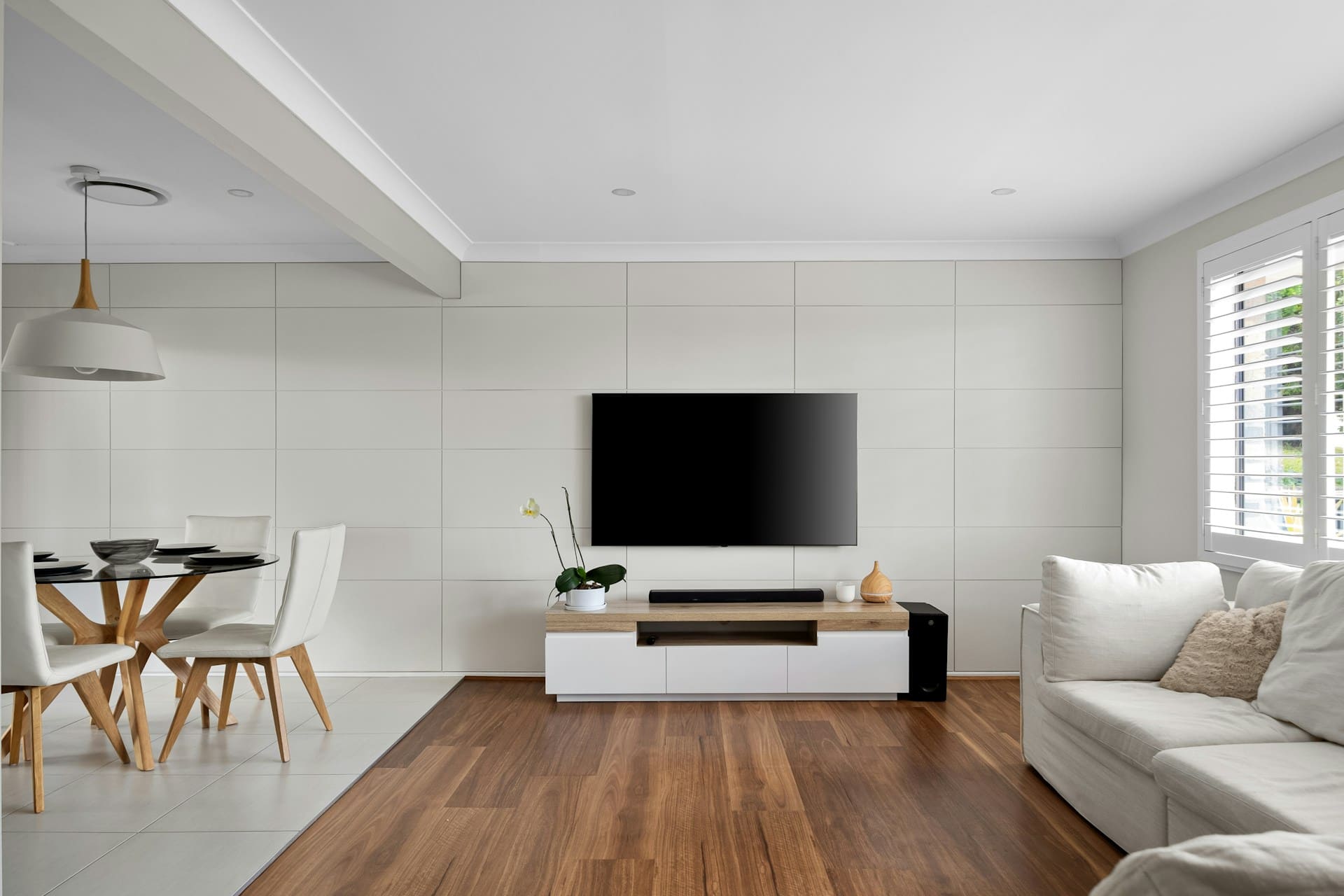
Your Insignia TV suddenly loses sound, leaving you with picture but no audio. This frustrating issue affects thousands of Insignia TV owners, but the good news is that most audio problems can be resolved with simple troubleshooting steps.
Insignia TV audio not working typically stems from incorrect audio settings, faulty connections, muted settings, or software glitches. Most issues can be fixed by checking volume settings, verifying cable connections, restarting the TV, or adjusting audio output configurations.

Why Insignia TV Has No Sound
Several factors can cause your Insignia TV to lose audio functionality. Understanding these root causes helps you identify the most effective solution for your specific situation.
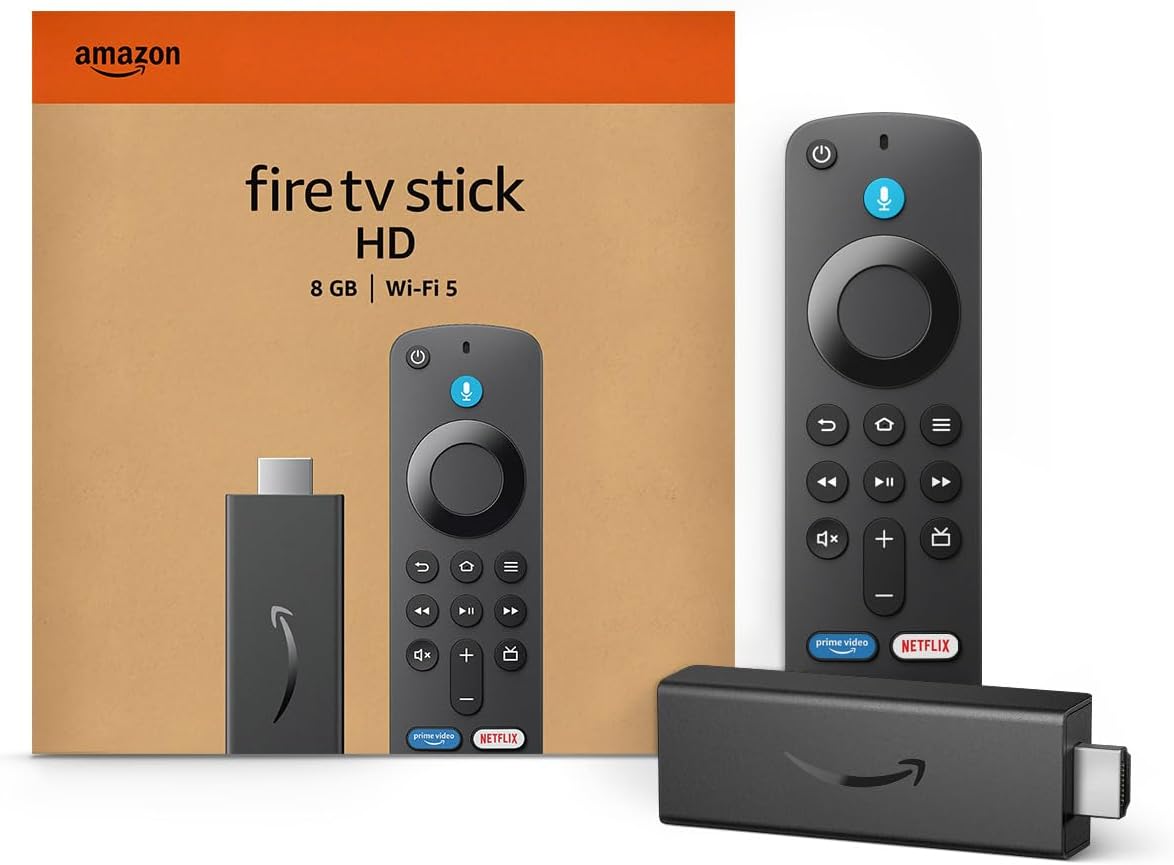
Amazon Fire TV Stick HD
Turn Any TV to a Smart TV. Stream Netflix, Prime Video & More. Alexa Voice Remote Included. Easy Plug & Play Setup.
Shop on AmazonHardware Connection Issues
Loose or damaged cables frequently cause audio problems in Insignia TVs. HDMI cables, optical audio cables, and standard AV connections can become disconnected or deteriorate over time. When these connections fail, audio signals cannot properly transmit from source devices to your TV speakers.
In addition, faulty HDMI ports can disrupt both video and audio signals. If you’ve recently moved your TV or changed input sources, physical connections may have become loose without your knowledge.
Internal Speaker Malfunctions
Insignia TV internal speakers can fail due to electrical surges, age, or manufacturing defects. When speakers malfunction, you might experience complete audio loss, crackling sounds, or severely reduced volume levels.
“Most TV audio issues are software-related rather than hardware failures, which means they can usually be resolved without professional repair services.”
Moreover, some Insignia models experience audio processing unit failures that affect sound output across all input sources. These internal component failures typically require professional diagnosis and repair.
Software and Firmware Glitches
Outdated firmware frequently causes audio compatibility issues with modern streaming services and external devices. Insignia Fire TV editions are particularly susceptible to audio sync problems and sudden sound loss due to software conflicts.
Furthermore, corrupted audio drivers within the TV’s operating system can prevent proper sound processing. These software glitches often develop after system updates or extended periods without restarting the television.
Quick Solutions for No Sound Issues
Before diving into complex troubleshooting procedures, try these immediate fixes that resolve most Insignia TV audio problems within minutes.
Check Basic Audio Settings
Start by verifying that your TV isn’t muted and the volume is set to an audible level. Press the volume up button on your remote control several times to ensure the TV responds properly.
Navigate to your TV’s audio settings menu and confirm that the audio output is set to “TV Speakers” rather than external audio devices. Some Insignia models automatically switch to HDMI or optical output when certain devices are connected.
Restart Your Television
A simple restart resolves many temporary software glitches affecting audio functionality. Unplug your Insignia TV from the power outlet for 30 seconds, then plug it back in and power on the device.
This process clears temporary memory files and resets audio processing systems that may have become corrupted during normal operation.
Verify Input Source Audio
Switch between different input sources to determine if the audio problem affects all inputs or only specific ones. If sound works on one HDMI port but not another, the issue likely involves that particular input connection.
Additionally, test with different source devices such as cable boxes, streaming devices, or gaming consoles to isolate whether the problem originates from your TV or external equipment.
Audio Settings Configuration
Proper audio configuration ensures optimal sound quality and prevents compatibility issues with various devices connected to your Insignia TV.
Accessing Audio Settings Menu
Navigate to your TV’s main settings menu using the remote control. Look for “Audio,” “Sound,” or “Display & Sounds” depending on your specific Insignia TV model and operating system version.
For Insignia Fire TV models, go to Settings > Display & Sounds > Audio to access comprehensive audio configuration options.
Digital Audio Output Settings
Configure digital audio output settings based on your connected sound system. If using external speakers or soundbars, set the digital audio format to “PCM” for maximum compatibility with most audio devices.
For Dolby-capable sound systems, you can enable “Dolby Digital” or “Dolby Digital Plus” options. However, if you experience audio dropouts or compatibility issues, revert to PCM output format.
Audio Delay and Sync Adjustments
Some Insignia TV models include audio delay settings to synchronize sound with video content. If you notice lip-sync issues, adjust the audio delay in millisecond increments until dialogue matches character mouth movements.
These settings are particularly important when using external soundbars or home theater systems that may introduce processing delays.
HDMI and Connection Troubleshooting
HDMI connections handle both video and audio signals, making them common sources of audio problems in modern TV setups.
HDMI Cable Inspection
Examine all HDMI cables for visible damage, including bent connectors, kinked cables, or loose connections. Replace any damaged cables with high-quality HDMI cables rated for your content resolution.
Ensure HDMI cables are fully inserted into both the TV and source device ports. Partially connected cables can cause intermittent audio loss or poor sound quality.
HDMI Port Testing
Test different HDMI ports on your Insignia TV to identify potential port-specific issues. If audio works on HDMI 1 but fails on HDMI 2, the problematic port may require professional repair.
“HDMI ARC ports can be particularly troublesome for audio transmission, so always test standard HDMI ports when troubleshooting sound issues.”
Additionally, try connecting your source device to a different TV to confirm the device itself isn’t causing the audio problem.
ARC and eARC Configuration
Audio Return Channel (ARC) and enhanced Audio Return Channel (eARC) features allow audio to flow from your TV back to compatible soundbars or receivers. Ensure your HDMI cable supports ARC functionality if using these features.
Disable CEC (Consumer Electronics Control) settings temporarily to rule out device communication conflicts that can interrupt audio signals between connected equipment.
Advanced Audio Problem Solutions
When basic troubleshooting fails to restore audio functionality, these advanced solutions address deeper software and hardware issues affecting Insignia TVs.
Factory Reset Procedure
A factory reset returns your Insignia TV to original settings, eliminating software conflicts and corrupted configurations that may cause audio problems.
Before performing a factory reset, note down your current settings and ensure you have login credentials for streaming services. Navigate to Settings > System > Reset and follow the on-screen prompts.
Firmware Update Process
Outdated firmware can cause compatibility issues with modern audio formats and streaming services. Check for available updates by going to Settings > Device & Software > About, then select “Check for Updates.”
Allow the update process to complete without interrupting power to your TV. Firmware updates often include audio driver improvements and bug fixes that resolve persistent sound issues.
Service Menu Audio Adjustments
Advanced users can access service menu options to adjust internal audio processing settings. However, exercise extreme caution as incorrect changes can permanently damage your TV’s functionality.
To access the service menu on most Insignia models, navigate to audio settings and look for advanced configuration options that may not be visible in standard user menus.
Video Credit: Juan Camacho / YouTube
Frequently Asked Questions
Why does my Insignia TV have picture but no sound?
Picture without sound typically indicates an audio processing issue rather than a complete system failure. Check that your TV isn’t muted and verify that audio output settings are configured for internal speakers rather than external devices. This problem often occurs when HDMI devices automatically switch your TV’s audio output to digital formats that may not be compatible with your current setup.
If basic volume checks don’t resolve the issue, try switching between different input sources to determine if the problem affects all inputs or only specific ones. A simple TV restart often resolves temporary software glitches that can cause audio processing to stop working properly.
Software conflicts or corrupted audio drivers can also cause this symptom, particularly after system updates or extended periods without restarting your television.
How do I reset the audio settings on my Insignia TV?
Navigate to your TV’s main settings menu and look for “Audio,” “Sound,” or “Display & Sounds” depending on your specific model. Within the audio menu, search for a “Reset Audio Settings” or “Restore Default” option that will return all audio configurations to factory defaults.
If you cannot locate a specific audio reset option, performing a full factory reset will restore all settings including audio configurations. Go to Settings > System > Reset and follow the on-screen prompts to complete the process.
Remember that resetting audio settings will erase any custom configurations you’ve made, including volume limits, audio delays, and digital output formats, so you’ll need to reconfigure these settings after the reset.
What should I do if my Insignia Fire TV has audio sync issues?
Audio sync problems in Insignia Fire TVs often result from processing delays between video and audio streams. First, check for system updates by going to Settings > Device & Software > About and selecting “Check for Updates” to ensure you have the latest firmware with audio improvements.
Try adjusting the audio delay settings if your TV model includes this feature, typically found in the advanced audio settings menu. You can fine-tune the delay in small increments until dialogue properly matches character lip movements.
If sync issues persist across multiple apps or input sources, try disabling Dolby Digital Plus by going to Settings > Display & Sounds > Audio > Dolby Digital Output and setting it to “Off” which often resolves compatibility conflicts causing sync problems.
Can a damaged HDMI cable cause audio problems?
Yes, damaged or low-quality HDMI cables frequently cause audio issues since HDMI carries both video and audio signals through the same connection. Symptoms include complete audio loss, intermittent sound dropouts, crackling noises, or audio that cuts in and out during use.
Inspect your HDMI cables for visible damage such as bent connectors, kinked cables, or loose connections at either end. Even cables that appear undamaged externally can have internal wire breaks that disrupt audio transmission while still passing video signals.
Replace suspected cables with high-quality HDMI cables rated for your content resolution and test different HDMI ports on your TV to rule out port-specific issues that might affect audio transmission.
Why do I lose sound when connecting external speakers to my Insignia TV?
When connecting external speakers or soundbars, your Insignia TV typically disables internal speakers and routes audio through the new output device. If you lose sound completely, verify that the external device is powered on, properly connected, and set to the correct input source.
Check your TV’s audio output settings to ensure they match your connection method – use “HDMI ARC” for HDMI-connected soundbars, “Optical” for digital optical connections, or “Analog” for traditional stereo connections. Mismatched settings prevent audio from reaching your external speakers.
Some Insignia models require you to manually enable external audio output in the settings menu even after physical connections are made, so navigate to audio settings and confirm that the correct output device is selected and enabled.
Sources:
- Amazon Fire TV Audio Support
- Insignia TV Official Troubleshooting Guide
- Tech Junctions TV Repair Guide
- iFixit TV Audio Troubleshooting