

Antenna connectivity issues with Insignia TVs prevent access to free over-the-air broadcast channels, disrupting your viewing of local news, sports, and entertainment. These problems affect both Fire TV and Roku TV models across all screen sizes.
Insignia TV antenna problems typically stem from loose coaxial connections, incorrect input settings, failed channel scans, weak signal reception, or faulty internal tuners. The most effective solutions include checking physical connections, performing proper channel scans, repositioning antennas for better signal strength, and updating TV software to resolve compatibility issues.

Reasons Insignia TV Antenna Isn’t Working
Several factors can prevent your Insignia TV from properly receiving antenna signals, ranging from simple connection issues to more complex hardware failures. Identifying the specific cause helps determine the most appropriate troubleshooting approach.
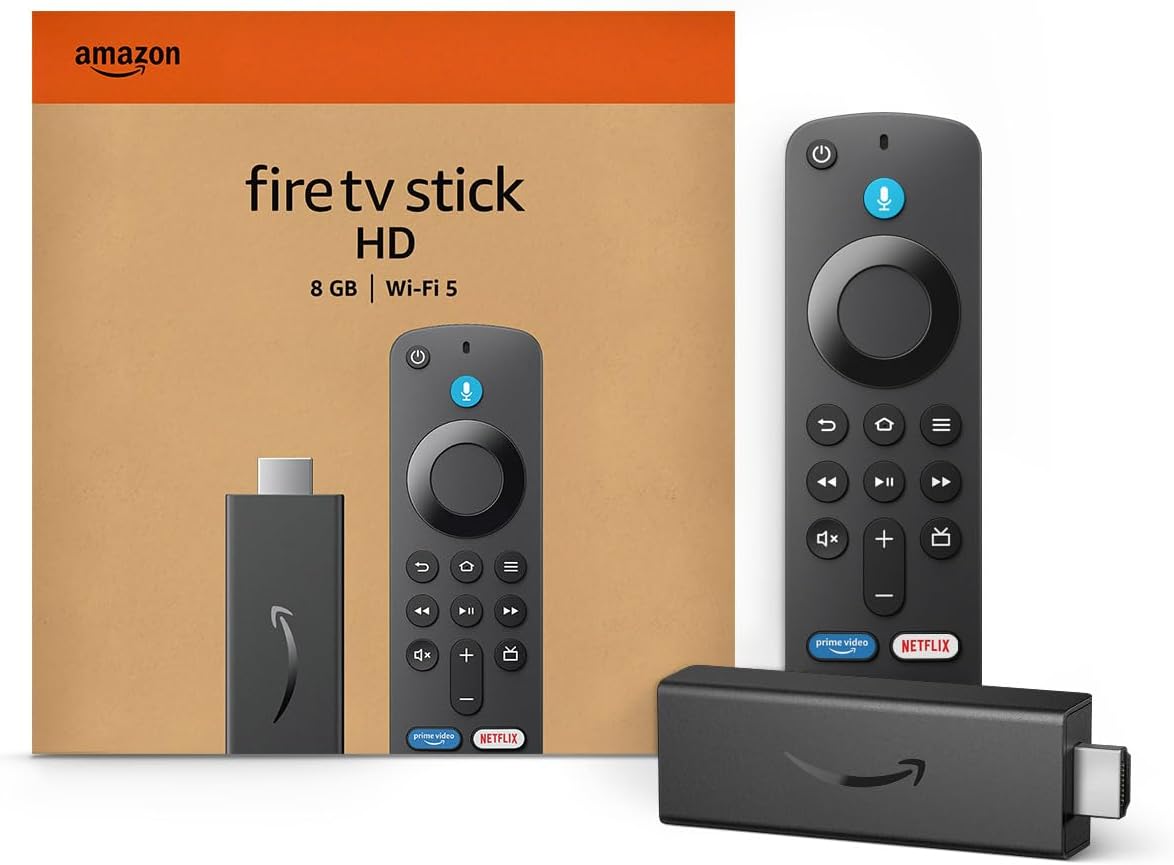
Amazon Fire TV Stick HD
Turn Any TV to a Smart TV. Stream Netflix, Prime Video & More. Alexa Voice Remote Included. Easy Plug & Play Setup.
Shop on AmazonPhysical Connection Problems
Loose or damaged coaxial connections represent the most frequent cause of antenna reception issues on Insignia TVs. The coaxial cable that connects your antenna to the TV’s antenna input must maintain a secure, tight connection to deliver proper signal transmission.
Coaxial cable damage significantly impacts signal quality. Weather exposure, repeated bending, or age-related deterioration can cause internal wire breaks or connector corrosion that prevent signal transmission. Even minor damage to the cable’s outer shielding can introduce interference that disrupts reception.
Connection ports on your Insignia TV can also develop problems over time. Dust accumulation, corrosion, or physical damage to the antenna input jack prevents proper signal transfer from your antenna system.
Additionally, incorrect cable connections confuse many users who connect antennas to wrong inputs. Some Insignia models feature multiple coaxial inputs labeled differently, requiring connection to the specific “Antenna” or “RF” input rather than cable inputs.
Furthermore, loose connections at the antenna end create signal loss that affects all connected devices. Outdoor antennas particularly suffer from connection degradation due to weather exposure and thermal expansion cycles.
Input Selection and Channel Scan Issues
Incorrect input selection prevents your Insignia TV from displaying antenna channels even when physical connections function properly. Many users struggle with input switching between streaming services and over-the-air broadcasts.
Your Insignia TV requires specific input selection for antenna reception. Fire TV models typically label the antenna input as “Antenna” in the input menu, while some models may use “Air” or “RF” designations. Selecting wrong inputs like HDMI or composite prevents antenna signal detection.
Channel scanning procedures must be completed correctly to populate your TV’s channel list with available broadcasts. Failed scans occur when users select wrong signal types during setup, choosing “Cable” instead of “Antenna” during the scanning process.
Proper channel scanning requires selecting ‘Antenna’ as your signal source rather than ‘Cable’ to detect over-the-air digital broadcasts correctly.
Incomplete channel scans miss available stations when interrupted or performed with poor antenna positioning. The scanning process requires several minutes to complete and should not be interrupted for optimal results.
Moreover, outdated channel databases in your TV’s memory can conflict with current broadcast assignments, preventing new channels from appearing even after successful scans.
Signal Strength and Reception Problems
Weak signal reception affects antenna performance regardless of proper connections and settings. Distance from broadcast towers, terrain obstacles, and atmospheric conditions significantly influence signal strength received by your antenna.
Geographic location determines available channels and signal strength. Hills, buildings, and dense foliage block or reflect broadcast signals, creating reception dead zones even with properly functioning equipment. Urban areas may experience multipath interference from signal reflections off tall buildings.
Antenna positioning directly impacts reception quality and channel availability. Indoor antennas require optimal placement near windows facing broadcast towers, while outdoor antennas need proper height and directional orientation for maximum performance.
Weather conditions also affect signal propagation, with atmospheric pressure changes, precipitation, and temperature variations causing temporary reception issues that resolve naturally when conditions improve.
Additionally, electronic interference from nearby devices can disrupt antenna signals. Wi-Fi routers, cell phones, LED lights, and household appliances generate electromagnetic interference that degrades reception quality.
Internal Tuner Failures
Internal digital tuner malfunctions represent serious hardware issues that prevent antenna signal processing regardless of external conditions. These failures typically develop gradually and eventually prevent all antenna reception.
Tuner failure symptoms include complete inability to receive any antenna channels despite proper connections and signal availability. The TV may display “No Signal” messages consistently or find channels during scans but fail to display any content.
Heat-related component degradation commonly affects internal tuners in older Insignia TV models. Prolonged operation and inadequate ventilation cause electronic components to degrade, eventually resulting in complete tuner failure.
Power surge damage also destroys sensitive tuner circuits, particularly during lightning storms or electrical system fluctuations. Even brief power interruptions can damage delicate reception components.
Furthermore, software corruption within the tuner’s firmware can cause erratic behavior including intermittent reception, channel loss, or complete signal processing failure.
Basic Troubleshooting Steps
These fundamental troubleshooting procedures address the most common antenna issues and can resolve many reception problems without requiring technical expertise or professional assistance.
Check Physical Connections
Verifying all physical connections ensures proper signal transmission from your antenna to your Insignia TV. Systematic inspection of cables and connectors often reveals simple problems with straightforward solutions.
Inspect coaxial cable connections at both ends:
- Ensure the coaxial cable connects firmly to your TV’s antenna input port
- Check that the connector threads properly onto the TV’s input jack
- Verify the antenna end connection remains tight and secure
- Look for visible damage including bent connectors, frayed cables, or corrosion
- Test connection security by gently tugging on cables to ensure they don’t move
Replace any damaged coaxial cables immediately, as even minor damage significantly degrades signal quality. Choose high-quality RG-6 coaxial cable for optimal performance and durability.
Clean connection points using appropriate methods to remove corrosion or debris that interferes with signal transmission. Use contact cleaner for metal connectors and compressed air for dust removal in input jacks.
Additionally, verify you’re connecting to the correct input port on your Insignia TV. Some models feature multiple coaxial inputs, and antenna signals must connect to the port specifically designated for antenna reception.
Perform Proper Channel Scanning
Channel scanning populates your TV’s memory with available broadcast channels in your area. Correct scanning procedures ensure your Insignia TV detects all receivable stations and organizes them properly.
Complete channel scan process for Insignia Fire TV models:
- Press the Menu button on your remote control
- Navigate to “Channels” in the main menu
- Select “Auto Channel Search” or “Channel Scan”
- Choose “Antenna” when prompted about signal source
- Wait for the complete scanning process to finish (typically 10-15 minutes)
- Do not interrupt the scan even if it appears to pause
For Insignia Roku TV models, access Settings > TV Inputs > Antenna TV > Set up input and follow the guided scanning process.
Factors that improve scanning success include:
- Positioning your antenna optimally before starting the scan
- Ensuring stable weather conditions during scanning
- Avoiding scan interruptions that can corrupt channel data
- Performing scans during optimal broadcast hours (typically mid-day)
Repeat channel scans periodically to detect new stations or changes in broadcast assignments. Most areas benefit from monthly rescans to maintain current channel availability.
Verify Input Settings
Correct input selection enables your Insignia TV to receive and display antenna signals properly. Many users overlook this simple but crucial step when troubleshooting reception issues.
Navigate to proper antenna input on your TV:
- Press the Input or Source button on your remote
- Scroll through available input options
- Select “Antenna,” “Air,” or “RF” input (varies by model)
- Confirm the TV switches to antenna mode successfully
Some Insignia models automatically detect signal sources, while others require manual input selection for antenna reception. Consult your user manual for model-specific input procedures.
Verify antenna mode settings within your TV’s menu system to ensure proper signal processing. Navigate to Settings > Channels and confirm the signal source selection matches your antenna setup.
Moreover, disable any cable TV settings that might interfere with antenna reception. Some Insignia models retain cable configuration settings that can conflict with over-the-air signal processing.
Advanced Troubleshooting Methods
When basic troubleshooting fails to resolve antenna issues, these advanced techniques address more complex problems requiring deeper investigation and potentially more technical solutions.
Optimize Antenna Positioning and Signal Strength
Antenna positioning directly affects reception quality and channel availability. Systematic optimization of antenna placement can significantly improve signal strength and reduce reception problems.
Improve indoor antenna positioning:
- Place the antenna near windows facing broadcast towers
- Elevate the antenna as high as possible within the room
- Avoid metal objects that can interfere with signal reception
- Experiment with different orientations for optimal reception
- Consider multiple antenna positions for different channel groups
Outdoor antennas require more complex optimization involving height, direction, and mounting considerations. Professional installation may be necessary for optimal outdoor antenna performance.
Use signal strength meters to guide positioning decisions when available. Many Insignia TV models display signal strength indicators during channel tuning that help identify optimal antenna positions.
Weather conditions affect signal propagation, so test antenna positions during different weather patterns to ensure consistent reception. What works during clear weather may fail during rain or atmospheric disturbances.
Additionally, consider antenna amplifiers to boost weak signals in fringe reception areas. The Free Signal TV Marathon Indoor/Outdoor Digital HDTV Antenna provides excellent reception for metropolitan and suburban areas at $99.
Update TV Software and Firmware
Outdated software can cause compatibility issues with digital broadcast standards and prevent proper antenna reception. Regular updates resolve known bugs and improve overall tuner performance.
Update Insignia Fire TV software:
- Connect your TV to internet via Wi-Fi or Ethernet
- Navigate to Settings > My Fire TV > About
- Select “Check for System Update”
- Download and install any available updates
- Restart your TV after installation completes
For Insignia Roku TV models, go to Settings > System > System Update and follow similar procedures.
Software updates often include improvements to:
- Digital tuner performance and compatibility
- Channel scanning algorithms and accuracy
- Signal processing capabilities
- Bug fixes for specific antenna-related issues
Enable automatic updates to ensure your TV receives critical improvements without manual intervention. This prevents future compatibility issues with evolving broadcast standards.
Furthermore, some updates address specific antenna problems reported by users, making regular updates essential for maintaining optimal reception performance.
Factory Reset and Advanced Diagnostics
Complete factory resets eliminate software corruption and restore default settings that may resolve persistent antenna issues. This comprehensive approach should be reserved for problems that resist other troubleshooting methods.
Prepare for factory reset procedures:
- Document current channel lineups and settings for reference
- Note any custom picture or sound adjustments you want to restore
- Ensure stable internet connection for post-reset setup
- Gather login credentials for streaming services and apps
Execute factory reset on Insignia Fire TV:
- Go to Settings > My Fire TV > Reset to Factory Defaults
- Confirm your decision to proceed with reset
- Wait for complete reset process (typically 10-15 minutes)
- Follow initial setup screens to reconfigure your TV
- Perform fresh channel scan after setup completion
Post-reset testing should focus on antenna reception before installing additional apps or making configuration changes. This isolates antenna performance from other potential software conflicts.
Advanced diagnostic techniques include:
- Testing antenna performance on different TVs or devices
- Using external digital tuner boxes to isolate TV-specific problems
- Comparing reception at different times and weather conditions
- Professional signal analysis using specialized test equipment
Consider professional evaluation for persistent issues that resist all troubleshooting attempts, particularly for newer TVs under warranty coverage.
Hardware Solutions and Replacements
Some antenna issues require hardware solutions including component replacement or external equipment addition. These approaches address physical failures that cannot be resolved through software troubleshooting.
External Digital Tuner Solutions
External digital tuner boxes provide alternative signal processing when internal TV tuners fail or perform poorly. These devices bypass TV tuner problems while maintaining antenna reception capabilities.
Benefits of external digital tuners include:
- Replacement of failed internal tuners without TV replacement
- Enhanced reception sensitivity compared to basic TV tuners
- Additional features like channel recording and pause capabilities
- Cost-effective solution for older TVs with tuner problems
Popular external tuner options range from basic converter boxes ($25-50) to advanced digital video recorders ($100-300) depending on desired features and performance requirements.
Connection procedures involve running coaxial cable from your antenna to the external tuner, then connecting the tuner to your TV via HDMI or composite cables. This setup bypasses your TV’s internal tuner completely.
External tuner setup process:
- Connect antenna coaxial cable to tuner’s antenna input
- Connect HDMI cable from tuner to TV’s HDMI input
- Power on both devices and select appropriate TV input
- Perform channel scan using the external tuner’s menu system
- Control channel selection through the tuner’s remote control
Moreover, external tuners often provide superior signal processing and sensitivity compared to basic TV tuners, potentially improving reception in challenging signal environments.
Professional Antenna Installation
Professional antenna installation ensures optimal positioning, proper grounding, and compliance with local codes. Expert installation particularly benefits users with challenging reception conditions or complex antenna requirements.
Professional installation advantages:
- Optimal antenna positioning based on local geography and broadcast tower locations
- Proper mounting and weather-resistant connections
- Compliance with electrical codes and safety regulations
- Performance testing and signal optimization
- Warranty coverage for installation work and components
Installation costs typically range from $200-600 depending on antenna complexity, mounting requirements, and local labor rates. This investment often pays for itself through improved reception reliability.
Professional installers possess specialized equipment for signal analysis and antenna positioning that ensures optimal performance from the start. They can also identify and correct reception problems that might not be apparent to homeowners.
Consider professional installation for:
- Outdoor antenna systems requiring roof or tower mounting
- Complex multi-antenna installations for different signal directions
- Areas with challenging reception conditions or weak signals
- Situations where DIY installation attempts have failed repeatedly
Additionally, professional installers can recommend appropriate antenna types and amplification equipment based on specific location requirements and desired channel availability.
Video Credit: Antenna Man / YouTube
Frequently Asked Questions
Why does my Insignia TV find channels during scanning but show no signal when I try to watch them?
This problem typically indicates weak signal strength or intermittent reception issues rather than complete signal loss. Your TV can detect channels during scanning because the process is more sensitive than normal playback requirements. During scanning, the TV briefly samples signals and adds channels to memory even if signal strength is marginal.
When you attempt to watch these channels, the TV requires sustained signal strength for continuous playback. If signal levels drop below the threshold needed for stable viewing, you’ll see “No Signal” messages even though the channels exist in your TV’s memory.
Improve this situation by repositioning your antenna for stronger signals, checking all connections for security, or adding a signal amplifier if you’re in a fringe reception area. Weather conditions also affect signal strength, so test reception during different times and atmospheric conditions.
How do I know if my Insignia TV’s internal tuner has failed completely?
Internal tuner failure manifests as complete inability to receive any antenna channels despite proper connections and confirmed signal availability. Test your antenna system with another TV or external tuner box to verify signal presence. If other devices receive channels successfully while your Insignia TV shows no reception, internal tuner failure is likely.
Additional symptoms include the TV failing to detect any channels during scanning procedures, displaying consistent “No Signal” messages regardless of antenna position, or showing distorted reception that doesn’t improve with signal optimization efforts.
Professional diagnosis can confirm tuner failure, but replacement costs often exceed the value of older TVs. External digital tuner boxes provide cost-effective alternatives that bypass failed internal tuners while maintaining antenna reception capabilities.
Can weather conditions really affect my Insignia TV’s antenna reception?
Weather significantly impacts digital broadcast signal propagation and reception quality. Atmospheric pressure changes, temperature inversions, and precipitation affect how radio waves travel from broadcast towers to your antenna. High pressure systems often enhance signal propagation, while low pressure can cause signal degradation.
Rain and snow can absorb or scatter broadcast signals, particularly affecting higher frequency channels. Heavy precipitation may cause temporary signal loss that resolves when weather clears. Atmospheric ducting during certain weather patterns can also cause distant signals to interfere with local broadcasts.
While these effects are temporary and resolve naturally, understanding weather impacts helps distinguish between equipment problems and normal atmospheric conditions. Persistent reception issues that occur regardless of weather typically indicate hardware or installation problems requiring technical solutions.
Should I rescan channels regularly on my Insignia TV?
Regular channel rescanning helps maintain current channel availability as broadcast stations make technical changes, power adjustments, or frequency reassignments. The FCC periodically authorizes spectrum repacking that requires broadcasters to change transmission parameters, making rescans necessary to maintain reception.
Monthly rescans are generally sufficient for most users, though you may need more frequent scanning in areas experiencing active broadcast changes. Some Insignia models offer automatic scanning features that periodically update channel lists without manual intervention.
Always rescan after making antenna adjustments, moving your TV location, or experiencing unexplained channel loss. New stations occasionally begin broadcasting in your area, and rescanning ensures you discover all available programming options in your location.
Why do some channels work perfectly while others are completely unwatchable on my Insignia TV?
Different broadcast channels transmit from varying tower locations, power levels, and frequencies, creating uneven reception patterns across your local channel lineup. Some stations operate high-power transmitters from nearby towers, while others use lower power or broadcast from more distant locations.
Antenna design also affects reception differently across the frequency spectrum. Single-band antennas may excel at VHF or UHF reception while performing poorly on the other band. Multi-directional antennas may receive some stations well while missing others broadcasting from different directions.
Geographic obstacles like hills, buildings, or terrain features can block specific frequencies while allowing others to pass through. This selective interference creates situations where adjacent channels show dramatically different reception quality despite similar transmission parameters.
Sources:
- Tech Junctions – Insignia TV Antenna Setup Guide
- Reddit Fire TV Community – Antenna Issues Discussion
- Action News 5 – How to Rescan Antenna Channels
- JustAnswer – Insignia TV Antenna Troubleshooting