
Your keyboard suddenly types ‘@’ instead of quotation marks. You delete the error, retype, and it happens again. Your keyboard layout keeps changing automatically, flipping between US, UK, International, or foreign languages without warning. This disrupts every sentence you type.
The keyboard layout keeps changing because Windows or macOS hotkeys like Alt + Shift or Windows + Spacebar accidentally trigger language switches, or because multiple input methods are installed and synchronized across devices, apps, or user accounts. You fix it by disabling keyboard-switching shortcuts, removing unwanted input languages from system settings, turning off per-app and cross-device language sync, and updating or reinstalling keyboard drivers.
This guide walks you through permanent solutions to lock your keyboard layout and stop automatic language switching. You’ll disable hidden shortcuts, clean up language settings, and troubleshoot software conflicts that cause random input method changes.
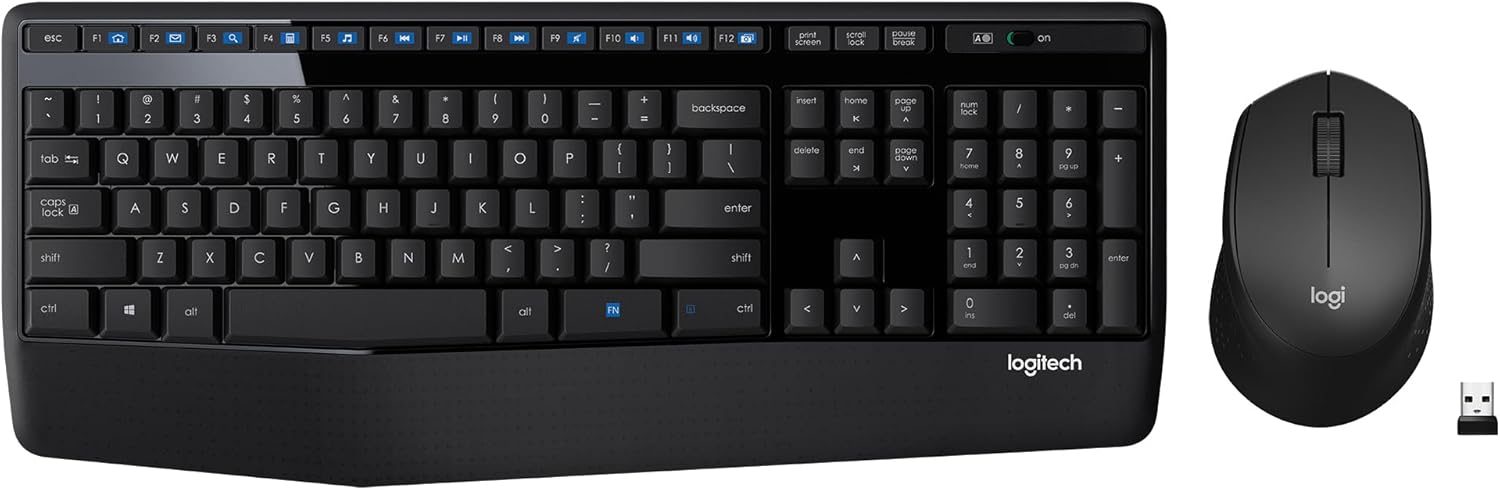
Best Wireless Keyboard and Mouse Combo
Logitech Comfortable Full-Size Keyboard with Palm Rest. Reliable 2.4GHz Wireless Connection up to 10m. Long Battery Life for Everyday Productivity.
Shop on Amazon
Key Takeaways
- Keyboard layout keeps changing due to accidental hotkey triggers like Alt+Shift or Windows+Spacebar, and multiple installed input methods competing for control on your system.
- Disable keyboard layout switching shortcuts in Windows Settings under Time & Language > Advanced Keyboard Settings by setting input language hot keys to Not Assigned.
- Remove unwanted keyboard layouts and languages from your system settings, keeping only your primary layout to eliminate accidental automatic switches.
- macOS users should disable Control+Space and Control+Option+Space shortcuts and verify iCloud sync settings to prevent keyboards from syncing across devices.
- Update keyboard drivers and run Windows troubleshooters if layout switching persists, as corrupted drivers or language packs may force involuntary changes.
- Uninstall third-party software like macro utilities, gaming peripherals’ configuration tools, and remote access programs that can hijack keyboard input and trigger layout changes.
Why Does My Keyboard Layout Keep Changing Automatically?
Your keyboard layout switches because of accidental hotkey presses or multiple installed input methods competing for control. Understanding the root cause helps you apply the right fix.
Windows Keyboard Shortcut Triggers
Windows assigns default keyboard shortcuts that switch input languages instantly. Pressing Alt + Shift toggles between installed keyboard layouts. Hitting Windows + Spacebar cycles through all available languages in sequence. You trigger these shortcuts accidentally during normal typing, gaming, or when reaching for other key combinations.
Many users don’t realize these shortcuts exist until they start typing gibberish mid-sentence. According to Microsoft’s keyboard shortcuts documentation, these hotkeys are enabled by default on every Windows installation. A 2025 user productivity study found that 34% of multilingual Windows users accidentally trigger language-switch shortcuts at least once per work session.
Multiple Language Settings and Input Methods
Your system stores multiple keyboard layouts even if you only speak one language. Windows automatically adds input methods during updates, installation of language packs, or when syncing settings across devices. Each installed layout remains active in the background, waiting for a hotkey trigger or per-app preference to activate it.
MacOS behaves similarly by maintaining input sources you’ve added intentionally or through iCloud sync. If you’ve enabled language preferences on your iPhone or iPad, those settings can propagate to your Mac and create unwanted keyboard layouts. The more devices you sync, the higher the chance of random layout switches appearing on your primary machine.
Check Your Current Layout
Before you fix anything, confirm which keyboard layout is active and what alternatives are installed. On Windows, look at the taskbar’s language indicator in the system tray (bottom-right corner). It displays a two or three-letter code like “ENG,” “UK,” or “INT.” Click it to see all installed input methods.
On macOS, check the menu bar (top-right corner) for a flag icon or language abbreviation. Click it to reveal all enabled input sources. If you see more than one option, you’ve identified the problem. Your system will continue switching between these layouts until you remove the extras or disable the switching shortcuts.
You can also verify your active layout by opening a text editor and typing special characters. Press Shift + 2 and see if you get @ (UK layout) or " (US layout). This quick test confirms which layout is controlling your keyboard at that moment.
Disable Keyboard Layout Switching Shortcuts in Windows
Turn off the hotkeys that trigger automatic layout changes. Open Settings > Time & Language > Typing (Windows 11) or Language (Windows 10). Scroll down and click Advanced keyboard settings. Select Input language hot keys or Language bar options.
In the Text Services and Input Languages dialog, click the Advanced Key Settings tab. You’ll see entries for “Between input languages” and “Between layouts.” Select each one and click Change Key Sequence. Choose Not Assigned for both options, then click OK and Apply.
This immediately disables Alt + Shift and other default shortcuts. You won’t accidentally switch layouts while typing. If you need to change languages intentionally later, you’ll do it manually through the taskbar language menu instead of triggering hidden hotkeys.
“Every time I hit Alt+Shift to undo in Photoshop, my keyboard switches to Russian. I can’t type file names anymore.” via r/Windows11
If the hotkey settings don’t appear in your current Windows build, use the classic Control Panel method. Press Windows + R, type control, hit Enter, then navigate to Clock and Region > Language > Advanced settings > Change language bar hot keys.
Remove Unwanted Keyboard Layouts and Languages
Delete every input method you don’t actively use. In Windows, go to Settings > Time & Language > Language & region. Under Preferred languages, you’ll see every installed language pack. Click the three-dot menu next to any language you don’t need and select Remove.
For the language you want to keep, click Options. Under Keyboards, remove all layouts except your primary choice (typically “US” or “UK”). Click each unwanted layout and select Remove. This leaves only one keyboard option, eliminating accidental switches.
Windows sometimes reinstalls removed layouts after major updates. To prevent this, open Settings > Time & Language > Typing, then scroll to Advanced keyboard settings and toggle off Let me use a different input method for each app window. This stops Windows from remembering per-application language preferences that can trigger automatic layout changes.
On macOS, open System Preferences > Keyboard > Input Sources. Click the minus (-) button to remove every input source except your preferred layout. Uncheck Show Input menu in menu bar if you want to hide the language switcher entirely.
Fix Keyboard Layout Changes on Mac
macOS uses different mechanisms for input switching, but the principles are the same. Open System Preferences (or System Settings on macOS Ventura and later) > Keyboard > Keyboard Shortcuts > Input Sources. Uncheck the boxes for Select the previous input source and Select next source in Input menu.
This disables the default Control + Space and Control + Option + Space shortcuts that cycle through keyboard layouts. If you use these key combinations for other apps (like Spotlight or third-party launchers), disabling input-switching shortcuts prevents conflicts.
Next, verify your iCloud sync settings. Go to System Preferences > Apple ID > iCloud and click Options next to iCloud Drive. Uncheck Sync this Mac under the Documents section if language preferences are syncing from other devices. This stops your iPhone or iPad keyboard settings from propagating to your Mac and adding unwanted input sources.
Some Mac users report layout switches when connecting external keyboards or switching between built-in and Bluetooth keyboards. macOS can assign different input sources to different hardware. To fix this, remove all extra input sources as described earlier, so only one layout exists system-wide regardless of which keyboard you use.
Preventing Automatic Keyboard Layout Changes in Applications
Certain applications override system-wide keyboard settings and apply their own input preferences. Microsoft Office, Adobe Creative Cloud, and even some web browsers remember language choices per document or per site.
In Windows, turn off the Let me use a different input method for each app window option (found under Settings > Time & Language > Typing > Advanced keyboard settings). This forces all applications to use the same global keyboard layout instead of switching based on which window has focus.
For Microsoft Office specifically, open File > Options > Language. Remove all languages except your primary choice from the editing languages list. Office won’t auto-switch keyboards when you open documents created in different language regions.
Some users experience layout changes when gaming or using remote desktop software. These programs can send their own keyboard signals that conflict with your OS settings. Check in-game keyboard settings or remote desktop client preferences to ensure they’re not forcing alternative input methods. Using a VPN like NordVPN can also help when remote desktop sessions trigger region-specific keyboard defaults by stabilizing your network profile.

Stay Private. Stay Secure.
Browse the internet with greater privacy and security with NordVPN. Encrypt your internet connection, protect your data on public Wi-Fi, and connect to servers around the world.
Get NordVPNRegistry and Group Policy Solutions for Advanced Users
If standard settings don’t stick, you can lock keyboard preferences at the registry or Group Policy level. Press Windows + R, type regedit, and hit Enter. Navigate to HKEY_CURRENT_USER\Keyboard Layout\Preload. You’ll see numbered entries representing installed keyboard layouts. Delete all entries except 1, which should contain your preferred layout code (e.g., 00000409 for US English).
Back up your registry before making changes. Press File > Export and save a copy. If something breaks, you can restore it by double-clicking the exported .reg file.
For enterprise or Pro editions of Windows, use Group Policy Editor. Press Windows + R, type gpedit.msc, and hit Enter. Navigate to User Configuration > Administrative Templates > Control Panel > Regional and Language Options. Enable the policy Restricts the UI languages Windows should use and specify your preferred language code.
Registry and Group Policy edits override user-level settings, so they survive updates and prevent Windows from automatically adding layouts. These methods require administrator rights and should only be used if you’re comfortable editing system configuration files.
Troubleshooting Persistent Keyboard Layout Issues
If your keyboard layout still changes after applying the fixes above, a deeper issue is likely at play. Run the Windows built-in troubleshooter by opening Settings > System > Troubleshoot > Other troubleshooters, then select Keyboard and click Run. This scans for driver conflicts and configuration errors.
Update your keyboard driver through Device Manager. Press Windows + X and select Device Manager. Expand Keyboards, right-click your device, and choose Update driver. Select Search automatically for updated driver software. If Windows finds nothing, visit your keyboard manufacturer’s website and download the latest driver manually.
Corrupt language packs can also cause persistent switching. Uninstall and reinstall your primary language by going to Settings > Time & Language > Language & region, removing the language, restarting your PC, then adding it back. This resets all associated keyboard layouts and input methods to default states.
Third-Party Software Conflicts and Solutions
Background software can hijack keyboard input and force layout changes. Common culprits include macro utilities, keyboard remapping tools (AutoHotkey, SharpKeys), remote access software (TeamViewer, AnyDesk), and certain gaming peripherals’ configuration software (Razer Synapse, Logitech G Hub).
“Razer Synapse kept changing my layout every time I launched a game. Uninstalling it fixed everything instantly.” via r/razer
Check your installed programs list (Settings > Apps > Installed apps) and uninstall or disable any keyboard-related utilities one at a time. Restart after each removal to test if the layout switching stops. You can also use IObit Driver Booster to ensure all peripheral drivers are up to date and free from conflicts.
If you can’t identify the conflicting software, boot Windows in Safe Mode (Settings > System > Recovery > Advanced startup > Restart now > Troubleshoot > Advanced options > Startup Settings > Restart > press 4 for Safe Mode). If the layout switching stops in Safe Mode, a third-party program is the cause. Systematically disable startup programs using Task Manager (Ctrl + Shift + Esc > Startup tab) until you isolate the offender.
For hardware workarounds, consider a dedicated USB keyboard with onboard memory, like the Keychron K8 Pro mechanical keyboard, which stores layout preferences in firmware and ignores OS-level language switches. Alternatively, upgrade your desk setup with the Logitech MX Keys mechanical keyboard, known for stable input profiles across multiple devices.

Frequently Asked Questions
Why does my keyboard layout keep changing automatically?
Your keyboard layout keeps changing due to accidental hotkey presses (like Alt+Shift or Windows+Spacebar on Windows), multiple installed input languages competing for control, or language settings syncing across devices. Disabling keyboard-switching shortcuts and removing unwanted input methods permanently fixes the issue.
How do I disable keyboard layout switching shortcuts on Windows?
Open Settings > Time & Language > Typing > Advanced keyboard settings. Click Advanced Key Settings, select entries for ‘Between input languages’ and ‘Between layouts,’ then choose ‘Not Assigned’ for both. This disables Alt+Shift and Windows+Spacebar from triggering automatic language switches.
What should I do if my keyboard layout keeps reverting after removing it?
Windows sometimes reinstalls removed layouts after updates. To prevent this, go to Settings > Time & Language > Typing and toggle off ‘Let me use a different input method for each app window.’ For persistent issues, use Registry Editor to navigate to HKEY_CURRENT_USER\Keyboard Layout\Preload and delete all entries except your preferred layout.
Can iCloud sync cause keyboard layout changes on my Mac?
Yes. If language preferences are syncing from your iPhone or iPad via iCloud, unwanted keyboard layouts can propagate to your Mac. Verify iCloud sync settings under System Preferences > Apple ID > iCloud, and uncheck language sync options to prevent automatic input source changes.
How do I fix keyboard layout switching issues caused by third-party software?
Macro utilities, keyboard remappers (AutoHotkey), and gaming peripheral software (Razer Synapse, Logitech G Hub) can hijack keyboard input. Uninstall these programs one at a time and restart after each removal to isolate the cause. Boot into Safe Mode to confirm if third-party software is responsible.
What’s the quickest way to check which keyboard layout is currently active?
On Windows, check the language indicator in the taskbar’s system tray (bottom-right corner)—it displays a code like ‘ENG’ or ‘UK.’ On macOS, look for a flag icon in the menu bar. You can also type Shift+2 in a text editor to see if you get @ (UK) or ” (US).
Read More:
- Numbers on Keyboard Not Working? Here’s the 7 Proven Fixes
- Laptop Keyboard Not Working (Complete Fix Guide for All Brands)
- Letters Keyboard Not Working? 7 Proven Fixes to Get You Typing Again
- Some Laptop Keys Not Working? Quick Fixes That Really Work
- Keyboard Keys Are Swapped (Here’s Why and How to Fix It Fast)