
Last updated on April 5th, 2026 at 08:35 am
If your Lenovo laptop’s audio suddenly stops working, it can disrupt your daily tasks like video calls, entertainment, and work. Most audio problems on Lenovo devices stem from driver issues, incorrect audio settings, or disabled sound services, all of which you can fix without needing professional help.
You might also face issues caused by muted speakers, faulty cables, or improper device selection in your sound settings. Knowing how to troubleshoot these elements will save you time and frustration while getting your sound back quickly.
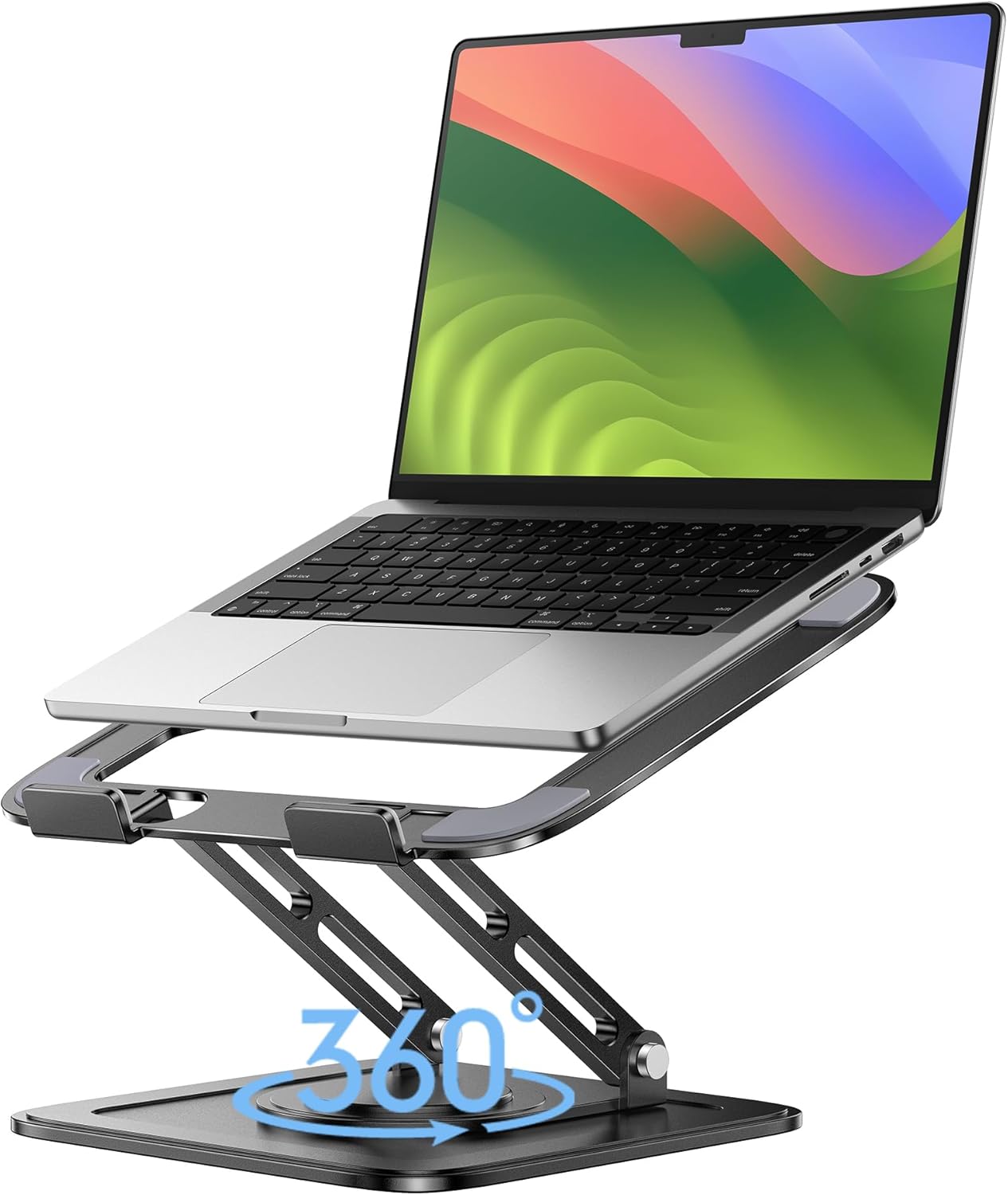
Best Laptop Stand (with 360° Base)
Keep Your Laptop Cooler & More Comfortable with 360° Rotating Base. Improve Airflow & Reduce Heat. Adjustable Height & Viewing Angle.
Shop on AmazonThis guide will walk you through practical steps to identify and resolve common Lenovo audio problems, helping you restore sound functionality with clear, easy-to-follow advice. For more detailed troubleshooting, see this guide on fixing Lenovo laptop audio problems.

Common Reasons for Lenovo Audio Not Working
When your Lenovo laptop’s sound stops working, the issue often stems from a few specific causes. These include settings that may inadvertently mute your audio, incorrect device selections, outdated or faulty drivers, and software enhancements that interfere with normal playback.
Volume and Mute Settings
One of the simplest yet most overlooked reasons for no sound on your Lenovo laptop is the volume or mute setting. Sometimes, the system or application volume might be muted or set very low without you realizing it. Check the volume icon in the taskbar and ensure it’s not muted or near zero.
Also, verify the sound level within the app you’re using to play audio since some programs have independent volume controls. Using the Windows troubleshooting tool can help identify if the sound is muted at the software level. Adjusting these settings first often resolves the problem quickly and prevents unnecessary troubleshooting.
Incorrect Output Device Selection
Your Lenovo laptop might be playing audio through the wrong output device, causing the sound not to work as expected. Windows sometimes switches to a different output if you’ve plugged in headphones or an external speaker, but it fails to switch back once disconnected.
To fix this, open the Sound settings, go to the Playback tab, and confirm the correct speaker device is selected as default. If multiple devices are listed, testing each one can help pinpoint the active output. This issue is common and easy to overlook, but correcting the output device often restores sound immediately.
Driver Issues
Audio drivers control how your Lenovo laptop communicates with the sound hardware. If these drivers are outdated, corrupted, or incompatible, sound problems are likely. You might experience no audio or poor sound quality.
Updating your audio drivers is essential, and you can do this via Lenovo’s driver download page or Windows Device Manager. In some cases, uninstalling and reinstalling the audio driver can solve conflicts. Keeping drivers current is a key step in maintaining consistent audio performance on your Lenovo laptop.
Audio Enhancements Interference
Audio enhancements are software features intended to improve sound, but they can sometimes cause conflicts that stop audio from working on Lenovo laptops. These enhancements might include options like bass boost, virtual surround, or loudness equalization.
Disabling these effects often resolves sound problems. You can do this by opening the Sound control panel, selecting your playback device, and navigating to the Enhancements tab to turn off all enhancements. This simple step removes interference that could be blocking audio output.
Step-by-Step Solutions to Restore Audio
Restoring sound on your Lenovo laptop requires targeted actions focused on software settings and drivers. You will check volume controls, update device drivers, and troubleshoot audio components systematically to identify and fix the issue effectively.
Check and Adjust Volume Controls
First, confirm that your laptop’s volume isn’t muted or set too low. Look for the speaker icon on the taskbar and ensure the volume slider is raised adequately. Also, check if the output is directed to the correct playback device, especially if you use headphones or external speakers.
Navigate to Settings > System > Sound and verify your output device is selected. Sometimes, multiple devices cause conflicts, so switching between options can help. Additionally, press the physical volume buttons on your Lenovo laptop to make sure hardware controls are functioning.
If your sound still isn’t audible, check that the audio isn’t muted within specific applications, as some programs have their own separate volume settings. This basic step often resolves the problem without deeper intervention.
Update or Reinstall Audio Drivers
Outdated or corrupted drivers frequently cause audio failures on Lenovo laptops. To update, open Device Manager by right-clicking the Start button, then find “Sound, video and game controllers.”
Right-click your audio device (like Realtek High Definition Audio) and select Update driver. Choose to search automatically for updated driver software. If no updates appear or updates don’t fix the issue, uninstalling and reinstalling the driver might help.
For reinstallation, after uninstalling the driver, restart your laptop. Windows will try to reinstall the correct driver automatically. Alternatively, download the latest audio drivers directly from the official Lenovo support website to ensure compatibility.
Keeping drivers current prevents software conflicts and improves sound stability on your laptop.
Run Windows Audio Troubleshooter
Windows includes a built-in troubleshooter to diagnose and fix common audio problems quickly. You can access this by right-clicking the sound icon on the taskbar and selecting Troubleshoot sound problems.
The troubleshooter will test your playback devices and configurations automatically. It may detect muted devices, disconnected cables, or disabled sound services, and offer solutions to apply immediately.
This tool is especially useful if you’re unsure about the technical causes of the issue. Running the troubleshooter sometimes resolves problems that aren’t obvious through manual inspection, saving time without requiring advanced knowledge.
Disable Audio Enhancements
Audio enhancements aim to improve sound quality but can sometimes introduce conflicts on Lenovo laptops, causing no sound issues. To disable these, go to Control Panel > Sound > Playback tab.
Select your output device and click Properties. In the Properties window, open the Enhancements tab and check the box for Disable all enhancements or turn off individual options like bass boost or virtual surround.
After disabling, click Apply and OK, then test your audio again. If sound returns, one enhancement was likely the cause. Keeping enhancements off can improve compatibility and prevent future sound malfunctions on your device.
This step is straightforward yet often overlooked when troubleshooting Lenovo laptop audio problems.
Resolving Hardware and Device-Specific Audio Issues
Fixing audio problems often involves checking the physical components involved in sound output and input. Paying attention to your device’s speakers, external audio devices, and ports can prevent or resolve many common sound issues on Lenovo laptops and tablets.
Troubleshoot Lenovo Laptop Speaker Hardware
Start by ensuring your Lenovo laptop’s speakers are not damaged physically. Look for visible signs of damage or blockage that might muffle sound. Test the speakers by playing audio at different volumes.
Next, check your device’s sound settings. Make sure the speakers are set as the default playback device in the sound control panel. Disable any active audio enhancements as they may conflict with sound output.
If the “audio device not installed” error appears, update or reinstall the audio driver from Lenovo’s official website or use device manager to scan for hardware changes. If hardware failure is suspected after these steps, contacting Lenovo support is advisable.
Address Headphones and External Devices
External audio devices like headphones or Bluetooth speakers can cause conflicts. Verify that your headphone jack or Bluetooth connection is properly established.
For wired accessories:
- Inspect the headphone jack for dust or debris.
- Test with alternative headphones to rule out accessory issues.
- Ensure the device is fully plugged in.
Compressed air is great, but a dedicated 7-in-1 Laptop Cleaning Kit with fine-tipped brushes is much more effective at removing stubborn lint from deep inside the headphone jack and speaker grilles, which is often the silent culprit behind audio cutouts.

For Bluetooth:
- Make sure Bluetooth is turned on.
- Re-pair the device by removing it from the Bluetooth list and connecting again.
- Restart Bluetooth services if necessary.
Setting the correct playback device when multiple audio outputs are active prevents sound from routing incorrectly on your Lenovo laptop.
Inspect Microphone and Audio Jacks
Your Lenovo device’s microphone and audio jacks should be clean and intact. Dirt and damage here can cause audio recording or output issues.
Check if the microphone is muted or disabled in your system settings. When using external microphones, confirm the jack or USB port detects the device. Using Lenovo’s diagnostic tools can help identify port-related faults.
If audio jacks seem physically fine but still don’t work, updating your audio drivers or rolling back recent driver updates can fix software conflicts affecting these ports.
If your physical audio jack is loose or damaged, you don’t necessarily need a costly repair. An external Plugable USB Audio Adapter bypasses your internal sound card entirely, giving you a fresh headphone and mic jack via any standard USB port on your Lenovo laptop.

Advanced Tips and Preventative Measures
Ensuring your Lenovo laptop’s audio system remains reliable requires careful attention to software updates, security checks, and system configuration backups. These steps help maintain performance and prevent recurring audio issues caused by underlying problems beyond simple troubleshooting.
Run System Updates
Keeping your operating system and drivers up to date is critical for audio functionality. Updates often include patches that fix bugs or compatibility issues affecting sound devices. Check Windows Update regularly and install available Lenovo driver updates, especially for your audio hardware.
Use Lenovo’s support site or built-in update utilities to locate the latest audio drivers. Outdated or corrupted drivers often cause no sound problems. Installing proper drivers also ensures your software interacts correctly with the laptop’s storage and hardware components.
Regular updates help you avoid compatibility conflicts with third-party applications that might interfere with audio services. Failing to update could leave your system vulnerable to issues resolved in newer versions.
Scan for Malware or Viruses
Malware can affect system processes involved with audio playback or manipulate files crucial for sound drivers. Running a thorough antivirus scan helps detect and remove threats silently disrupting your laptop’s audio.
Use trusted antivirus software for comprehensive checks, including scanning your system storage and active processes. Some malware hides in system files, causing intermittent or total audio failure.
Infections often lead to unexpected behavior beyond sound issues, such as slow performance or crashes. If malware is found, follow removal steps immediately and consider resetting system drivers afterward.
Backup and Restore System Settings
Backing up system settings lets you restore a working audio configuration if problems arise. Create restore points before making major changes or updates that affect audio software or drivers.
You can use Windows System Restore or third-party backup tools to save system states, including audio-related registry values and driver settings. This backup safeguards you from faulty updates or incorrect settings causing no sound.
If you encounter persistent audio issues, restoring to a previous state where sound was working can resolve the problem quickly without complex troubleshooting. Regular backups also protect your storage from accidental data loss related to audio configurations.