
Last updated on March 28th, 2026 at 02:40 pm
If your Lenovo laptop camera is not working, it could be due to software settings, driver issues, or hardware problems. The most common solution is to check your privacy settings, update or reinstall your camera driver, and ensure the camera is enabled through Lenovo’s built-in tools or keyboard shortcuts. These straightforward steps often resolve the issue without professional help.
You might also want to verify if the camera is blocked by app permissions or disabled by a physical switch or keyboard key. Troubleshooting these areas can help you quickly restore your camera’s function, whether for video calls or other applications.
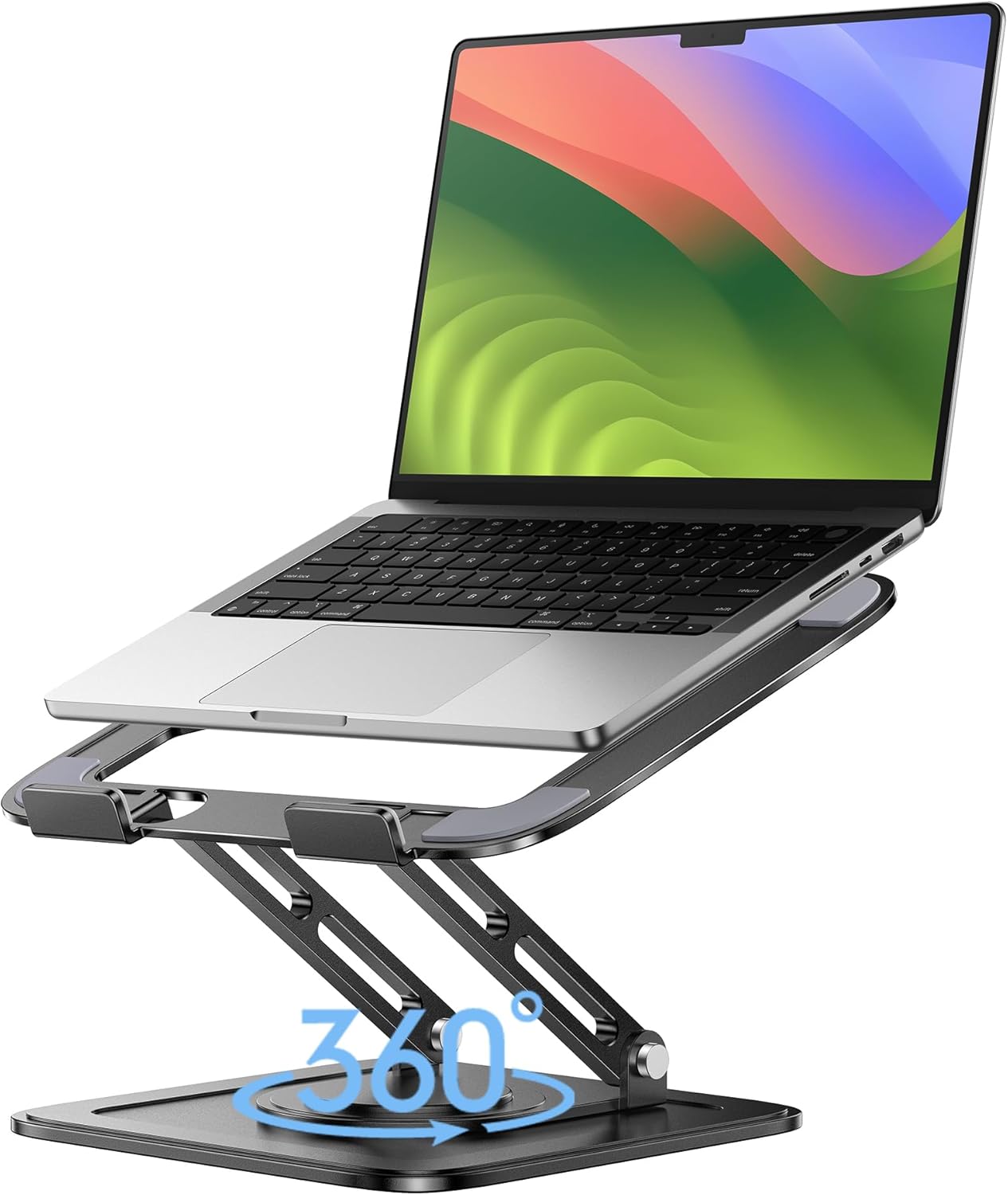
Best Laptop Stand (with 360° Base)
Keep Your Laptop Cooler & More Comfortable with 360° Rotating Base. Improve Airflow & Reduce Heat. Adjustable Height & Viewing Angle.
Shop on AmazonUnderstanding these common causes will save you time and frustration when your Lenovo camera stops functioning. Knowing where to look and what to adjust puts you in control of fixing the problem efficiently. For a detailed guide, visit Lenovo’s official support page on camera issues.

Initial Checks for Lenovo Camera Not Working
Before diving into complex troubleshooting, there are simple, yet often overlooked steps you should take to ensure your Lenovo laptop camera is ready to function. These checks address hardware settings and physical barriers that are quick to confirm and correct.
Verify Physical Camera Shutter or Switch
Many Lenovo laptops feature a physical shutter or slider that covers the camera lens for privacy. This switch is usually located near the top of the screen bezel. If your camera is not working, make sure this shutter is fully open.
A closed shutter blocks the camera sensor completely, making it appear as if the camera is malfunctioning. Adjusting or sliding it open should instantly restore the video feed. Double-check this before proceeding with software fixes, as it is the most direct cause of the issue. On some models, a tiny LED next to the camera will light up when the camera is active; if there’s no light, confirm the shutter is open.
Check for Camera Lens Obstructions
Physical debris or smudges on your Lenovo camera lens can interfere with image clarity or result in a blank video feed. Inspect the lens closely for dust, fingerprints, or any other obstruction. Use a soft microfiber cloth to gently clean the lens.
If a dry cloth isn’t enough to remove stubborn residue, using a specialized Screen Cleaning Kit with Microfiber Cloths is the safest way to clear the lens without damaging the delicate anti-reflective coating on your Lenovo’s camera sensor.

Avoid harsh chemicals or abrasive materials. Even a slight smudge can disrupt camera performance. In addition, check that there’s nothing physically blocking the camera internally, such as loose screws or frame parts pressing against the lens. Ensuring the lens is clean and unobstructed helps eliminate straightforward causes of camera failure.
Ensure Integrated Camera Is Selected
Your Lenovo laptop might have more than one imaging device listed in Windows, especially if you have external webcams connected. Sometimes, the system defaults to a non-functional device, causing your integrated camera to appear inactive.
To fix this, open the Windows Camera app or your video conferencing tool’s settings and confirm the integrated camera is selected as the input device. You can also manage this via Device Manager by expanding “Imaging devices” or “Cameras” and ensuring the Lenovo integrated camera is enabled without any error symbols.
Disabling conflicting or unused cameras can help the system prioritize your built-in camera. Proper selection avoids software misdirection that results in no video.
Adjusting Camera Settings and Permissions
To fix a non-working Lenovo laptop camera, you need to ensure that system privacy settings and app permissions allow camera access. Adjusting these can resolve many common problems without additional troubleshooting.
Review Windows Camera Privacy Settings
Start by opening Windows Settings and navigating to Privacy & security > Camera. Make sure that access to the camera is enabled for the device. This setting controls whether apps and services can use the camera at all.
Next, verify that the toggle under Allow apps to access your camera is turned on. If this is off, no apps can use the camera, which will make it appear as if it’s not working.
Scroll down in the same menu to check individual app permissions. If you find your camera is disabled for specific apps, enable access for those you use often.
App-Specific Camera Permissions
Some applications require explicit permission to use your Lenovo laptop camera. Check each app’s privacy settings individually, especially if you notice the camera works in one app but not another.
For apps downloaded from the Microsoft Store, permissions can be reviewed and changed in the Windows Camera Privacy Settings mentioned above.
If you use third-party apps, open their own settings or preferences to confirm camera access is allowed. Additionally, running the Lenovo Vantage app can help you control hardware-level camera permissions, including toggling the camera on or off, or running diagnostics if the device is restricted.
Testing Camera in Built-in Apps
To ensure your Lenovo laptop camera is functioning, test it in built-in Windows applications like Camera or Skype. Launch the Camera app from the Start menu to check if the video feed is active.
If the camera doesn’t display an image, try restarting the app or your laptop. You can also run hardware diagnostics via Lenovo Vantage under Hardware Settings > Audio/Visual to detect any hardware or driver issues.
Confirming camera functionality in multiple built-in apps helps rule out software conflicts and isolates problems to specific applications or settings.
Updating and Troubleshooting Lenovo Camera Drivers
Keeping your Lenovo camera drivers up to date ensures proper functionality and compatibility with Windows updates. Sometimes, you may need to reinstall or refresh the driver to fix glitches or unresponsive camera issues. Proper steps involve using device management tools and Lenovo-specific software.
Update or Reinstall Integrated Camera Drivers
Start by opening Device Manager on your Lenovo laptop. Locate Cameras and expand the list to find your integrated camera. Right-click it and choose Update driver to search automatically for the latest drivers online via Windows Update.
If updating doesn’t help, uninstall the camera driver instead. Right-click the device, select Uninstall device, and in the confirmation dialog, check Delete the driver software for this device if available. Restart your laptop after uninstalling. Windows should reinstall a fresh copy of the driver on reboot.
Manually downloading and installing the latest camera driver from Lenovo’s official website can also resolve version conflicts, especially if Windows Update offers outdated drivers.
Scan for Hardware Changes in Device Manager
If your camera doesn’t show up or appears disabled, use the Scan for hardware changes feature in Device Manager. Right-click any device category and choose this option to force Windows to detect connected hardware.
This action can re-enable a disconnected or disabled integrated camera by prompting the system to rediscover the hardware. It’s useful after driver uninstallations or when recent updates cause recognition issues.
Scanning for hardware changes can quickly fix detection problems without needing a full system restart, making it a convenient first troubleshooting step.
Use Lenovo Support Bridge for Driver Updates
Lenovo Support Bridge is a dedicated tool designed to keep your hardware drivers current. If you don’t already have it, you can download it from Lenovo’s official site or the Microsoft Store.
Once installed, open Lenovo Support Bridge and navigate to the Updates or Drivers section. The tool scans your system, identifies outdated or missing drivers—including the integrated camera—and automates the download and installation of the correct versions.
Using Lenovo Support Bridge ensures driver compatibility and reduces the risk of installing the wrong drivers, which can happen when manually grabbing files from third-party sources.
Delete Driver Software and Reinstall
In some cases, simply uninstalling the camera driver and allowing Windows to reinstall it can resolve persistent camera issues. When you uninstall in Device Manager, always check the option to Delete the driver software for this device to remove corrupted or faulty driver files.
Then, restart your Lenovo laptop. Windows will automatically detect the integrated camera and reinstall a basic driver. This clean installation often resolves problems caused by driver corruption.
If Windows doesn’t reinstall the driver, you may need to manually download the correct driver version from Lenovo’s site or run Windows Update to fetch necessary driver files.
Advanced Solutions and External Camera Options
When the usual troubleshooting steps fail to restore your Lenovo camera, there are more technical strategies you can try. These methods help identify software conflicts, hardware faults, and offer alternatives to get you back on video calls quickly.
Run Windows Hardware Troubleshooter
Windows includes a built-in tool designed to detect hardware issues affecting devices like cameras. To run it, open Settings > Update & Security > Troubleshoot > Additional troubleshooters and select Camera or Hardware and Devices depending on your Windows version.
The troubleshooter scans for driver conflicts, disabled hardware, or permissions problems. It may automatically fix minor problems or suggest actions such as driver updates or reset options. Running this tool can save time by pinpointing issues related to Windows updates or system inconsistencies that interfere with your Lenovo camera.
If you recently installed Windows updates, the troubleshooter can help revert incompatible settings or identify missing drivers caused by the update process.
Resolve Software Conflicts and Background Usage
Background apps can monopolize your Lenovo camera, preventing other programs from accessing it. To manage this, open Task Manager (Ctrl + Shift + Esc) and close any unnecessary apps that might use the camera.
Also, check your camera’s privacy settings under Settings > Privacy & security > Camera. Ensure that access is enabled for the apps you need and that no global restrictions block camera use.
Conflicts between security software and camera drivers can also cause issues. Temporarily disable antivirus or firewall software to see if they interfere with your camera. Update your camera driver through Device Manager or Lenovo Vantage to resolve compatibility problems.
Maintaining updated drivers and managing camera access rights effectively prevents software conflicts that can cause your Lenovo camera not working.
Contact Lenovo Support for Hardware Issues
If software solutions don’t fix your camera, it may be a hardware problem. Check your BIOS settings to confirm the camera is enabled. If the camera doesn’t appear in device listings or BIOS, the hardware might be faulty.
Lenovo’s official support can assist with diagnostics or warranty service. Use Lenovo Vantage’s diagnostic tools to gather information on hardware status before contacting support. They might recommend hardware repair or replacement.
Having confirmation of hardware failure streamlines the service process, so it’s useful to document error messages or diagnostic results. Hardware issues are less common but require professional intervention to restore your Lenovo camera functionality.
Using an External Webcam for Immediate Needs
When your Lenovo laptop camera is unusable, an external webcam offers a practical alternative. USB webcams are widely compatible with Windows 10 and 11, requiring minimal setup — just plug and play.
External webcams often provide better video and audio quality than integrated cameras. Before purchase, ensure compatibility with your Lenovo laptop and that it meets your resolution or frame rate needs.
Using an external webcam bypasses hardware faults on your laptop’s integrated camera and can be a quick, cost-effective solution for video meetings or important recordings. Configure the external device in Settings > Devices > Cameras or through your video conferencing app preferences for immediate use.
This option is especially useful if you need a reliable camera during repair periods or for extended professional use.
For those who need a guaranteed fix before an important meeting, the Logitech C920x HD Pro Webcam offers superior 1080p clarity and built-in dual microphones that far outperform most built-in laptop cameras.

Sources:
- Camera or Webcam not working or cannot turn on
- Camera doesn’t work in Windows
- Integrated Camera Not Detected in Device Manager
- How to fix a laptop webcam that’s not working
Read More:
- Google Pixel Camera Not Working (Top Causes, Fixes & Tips)
- Microsoft Surface Camera Not Available (Fixes and Settings Guide)
- Toyota Camry Backup Camera Not Working? Get It Fixed Now