
Last updated on January 7th, 2026 at 10:46 am
If your Lenovo laptop running Windows 10 or 11 won’t boot, the issue often stems from corrupted boot files, incorrect BIOS settings, or hardware problems like a failing hard drive.
The quickest way to start fixing this is by checking your BIOS boot sequence and running Windows Startup Repair to identify and resolve system errors.
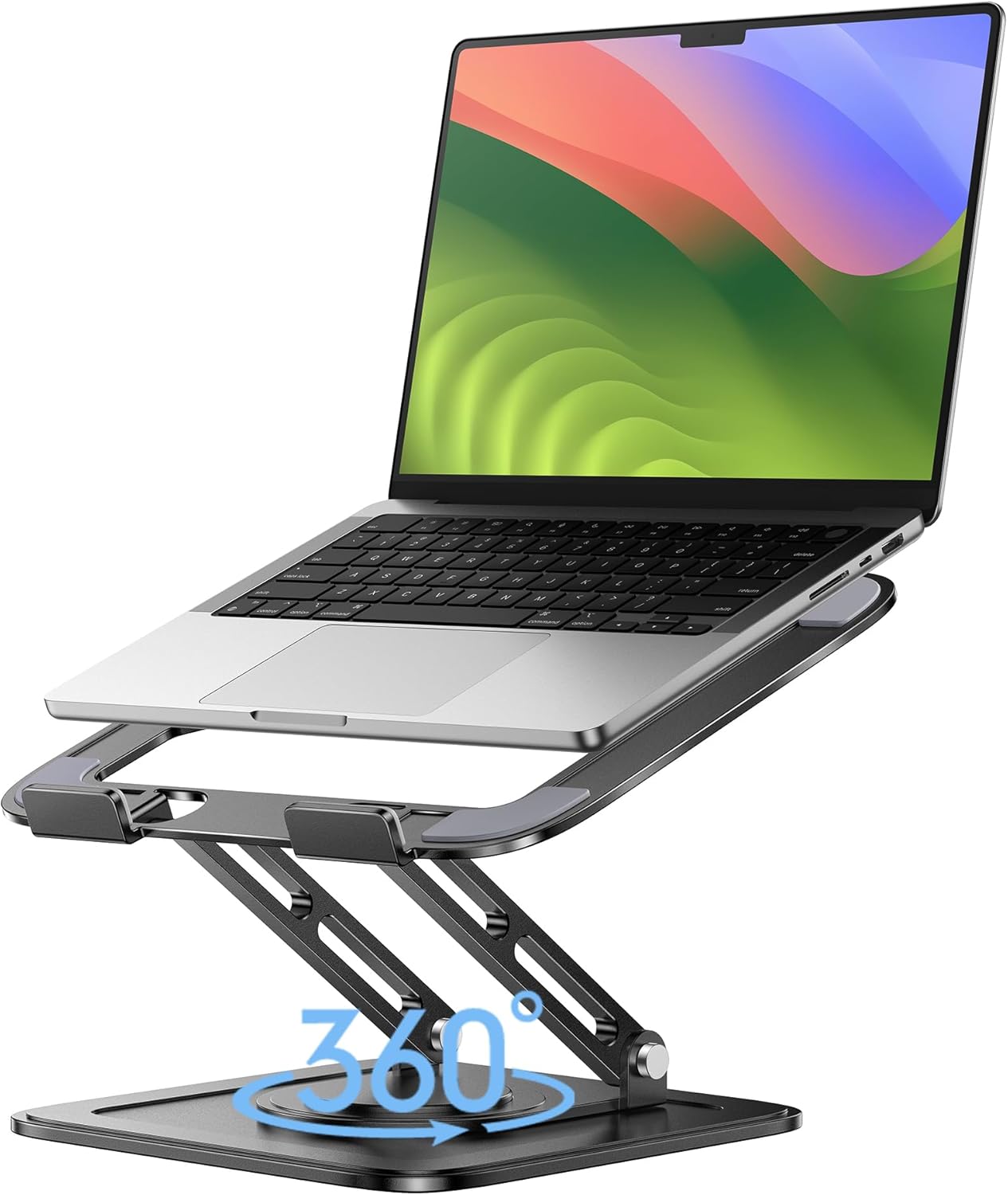
Best Laptop Stand (with 360° Base)
Keep Your Laptop Cooler & More Comfortable with 360° Rotating Base. Improve Airflow & Reduce Heat. Adjustable Height & Viewing Angle.
Shop on AmazonYou might also encounter messages like “no bootable device” or get stuck in a boot loop, which indicate problems with the bootloader or system files.
Adjusting BIOS modes between UEFI and legacy or resetting BIOS to defaults can sometimes restore the normal boot process.
For step-by-step help, see this guide on troubleshooting Lenovo startups.
Common Causes of Lenovo Laptop Not Booting Windows 10/11
Several specific issues can prevent your Lenovo laptop from booting Windows 10 or 11 properly.
These range from software corruption and driver problems to hardware failures and complications caused by recent updates.
Corrupted System Files and Boot Loop Errors
Corrupted system files are a frequent cause of boot failures and can trigger a boot loop—where your laptop restarts repeatedly without reaching the desktop.
This corruption may occur due to abrupt shutdowns, malware, or failed updates.
When Windows detects damaged core files, it may fail to load the operating system correctly, resulting in errors like the blue screen or automatic restarts.
Repairing system files using built-in tools like System File Checker (SFC) or Deployment Image Servicing and Management (DISM) can often resolve such issues.
If corruption is severe, a system restore or clean reinstall may be necessary.
Faulty or Outdated Drivers
Drivers act as a communication bridge between your hardware and Windows.
Malicious, corrupted, or outdated drivers can cause hardware malfunctions, leading to boot failures or Windows boot errors.
For example, an outdated graphics driver may stop your screen from displaying the startup process, making your laptop appear stuck during boot.
Rolling back or updating drivers via Safe Mode can resolve these conflicts.
Avoid installing drivers from unofficial sources, as these can be malicious and compromise system stability.
Hardware Failures and Storage Issues
Physical hardware problems such as RAM defects, hard drive failure, or motherboard issues often cause Lenovo laptops to fail at booting.
Hard drive failures are particularly common and can halt the OS loading process if critical files become unreadable.
Symptoms include strange noises or the inability to detect storage devices during startup.
Faulty RAM modules or loose connections can prevent your laptop from completing the POST (Power-On Self-Test), stopping the boot sequence entirely.
Running hardware diagnostics, such as Lenovo’s built-in tests, can help identify failing components.
Replacing defective parts typically resolves these boot failures.
Recent Windows Updates or Software Glitches
Windows 10 and 11 updates are essential but occasionally introduce software glitches that prevent successful booting.
A problematic update might conflict with existing drivers or system files, causing the laptop to freeze, restart unexpectedly, or display errors during startup.
If you suspect a recent Windows update is responsible, you can boot into Safe Mode to uninstall the update or perform a system restore.
Windows Update troubleshooting tools also help address related issues.
It’s important to keep your system current but monitor for update-related boot issues, especially after major Windows 11 upgrades.
For more detailed troubleshooting steps and causes related to Lenovo laptop boot failures, visit troubleshooting guides like the one on Lenovo laptop not booting Windows 10/11.
Step-by-Step Solutions for Boot Issues
To resolve boot problems on your Lenovo laptop running Windows 10 or 11, you will need to carefully apply targeted repair tools, system recovery options, and BIOS adjustments.
Each method addresses specific causes of boot failure, from corrupted system files to incorrect firmware settings.
Running Automatic Repair and Startup Repair
Automatic Repair is built into Windows Recovery Environment (WinRE) and is often the first tool you should try.
To launch it, prepare a Windows installation USB or CD created via the Media Creation Tool, then boot your Lenovo laptop from this media.
Navigate to Repair your computer > Troubleshoot > Advanced options > Startup Repair.
This tool scans and fixes issues related to damaged boot files and corrupted system components that prevent Windows from loading.
The process may take some time and will restart your computer automatically once complete.
If Automatic Repair fails, you can retry or explore Safe Mode boot.
Sometimes disabling Fast Startup in BIOS helps when Startup Repair cannot complete due to power state conflicts.
Using Command Prompt and Bootrec Tools
When automatic repairs don’t solve the problem, the Command Prompt within the Windows Recovery Environment offers advanced fixes.
After booting into WinRE, select Command Prompt under Advanced options.
Use the following bootrec.exe commands one by one:
bootrec /fixmbr— repairs the Master Boot Recordbootrec /fixboot— writes a new boot sectorbootrec /scanos— scans for installed Windows versionsbootrec /rebuildbcd— rebuilds the Boot Configuration Data store
These commands address corruption or misconfiguration in the boot process components.
Be cautious during this step, as incorrect commands might cause data loss.
If you lack installation media, EaseUS Partition Master offers a simpler MBR and boot sector repair utility, which can create bootable media for repair without reinstalling Windows.
System Restore, Reset This PC, and Factory Reset
If you can access Windows Recovery Environment, consider System Restore to revert your laptop to a previous working state using saved restore points.
If System Restore is unavailable or ineffective, use Reset this PC to reinstall Windows 10 or 11 while optionally keeping your personal files.
Navigate to Troubleshoot > Reset this PC in WinRE.
As a last resort, a factory reset will erase all your data and reinstall the original Lenovo system image.
This is done through the recovery partition by pressing F9 at startup, or via WinRE’s Reset option.
Back up your essential data before resets, since factory resets completely wipe your drives, ensuring a clean installation but sacrificing all apps and personal settings.
Checking Boot Menu, BIOS Settings, and Updating BIOS
Boot issues can stem from incorrect boot device order or BIOS configurations.
To check, restart your Lenovo and press F1 or F2 to enter BIOS settings.
- Verify the internal hard drive or SSD is set as the primary boot device.
- Disable Fast Startup if enabled, as it may cause boot conflicts.
- Reset BIOS settings to default or factory settings if you suspect misconfigurations.
Additionally, updating your BIOS can resolve compatibility problems and firmware bugs affecting boot.
Download the latest BIOS update from Lenovo’s official support site and follow their instructions carefully to flash the BIOS.
If your laptop keeps booting to the boot menu or BIOS screen, this usually means the system can’t find a valid operating system, often due to storage device errors or corrupted boot records.
You can also try switching between UEFI and Legacy BIOS modes depending on Windows installation type, which sometimes resolves boot failures.
Advanced Troubleshooting and Repair Tools
When your Lenovo laptop running Windows 10 or 11 faces complex boot issues, specialized tools and techniques become essential.
These steps involve creating recovery media, using diagnostic utilities, and repairing critical boot components to restore full functionality.
Bootable USB, Media Tools, and Data Backup
Creating a bootable USB drive with Windows recovery tools is a vital first step.
Use the Windows Media Creation Tool to create a bootable USB that lets you access repair options even if your system won’t boot normally.
This includes system restore, startup repair, and command prompt access.
Before proceeding with repairs, back up your important files using external storage or cloud solutions.
Data backup ensures you don’t lose critical information during troubleshooting or if a reinstall becomes necessary.
Bootable media allows you to run checks like chkdsk to scan and fix disk errors.
You can also reinstall Windows if corruption is severe.
Carrying a bootable USB ensures you’re prepared for worst-case scenarios, which is crucial for avoiding data loss.
Lenovo Diagnostics Tools and Solution Center
Lenovo laptops, such as the Lenovo G50 series, come equipped with Lenovo Diagnostics and Lenovo Solution Center tools.
These utilities diagnose hardware components including RAM, hard drives, and graphics cards.
Running a full diagnostic test can help identify failing hardware like a corrupt hard drive causing boot failures.
The Lenovo Diagnostics tool also offers a disk surface test to detect bad sectors, guiding repair or replacement needs.
Using the Lenovo Solution Center, you can monitor system health and update drivers.
Updating graphics drivers or uninstalling conflicting programs such as outdated antivirus software can resolve startup conflicts and black screen issues effectively.
Repairing Corrupted Boot Sector and MBR
When Windows won’t start due to boot sector corruption or a damaged Master Boot Record (MBR), repairing these areas is essential.
You can use bootable media to access the command prompt and run commands like:
bootrec /fixmbrbootrec /fixbootbootrec /rebuildbcd
These commands repair and rebuild the MBR, restoring the bootloader so Windows can start correctly.
Corrupted MBR or boot sector problems are common causes of Lenovo laptops stuck in boot loops or showing boot failure errors.
If these commands don’t work, third-party MBR repair tools can be used cautiously.
Always ensure you have a reliable backup before attempting MBR repairs due to the risk of further corruption.
Addressing Black Screen, Lock Screen, and Startup Apps Issues
If your Lenovo laptop boots but stays on a black screen or lock screen, the problem often involves display drivers, startup apps, or system settings.
You can try booting into Safe Mode by pressing F8 to isolate the issue.
Check Device Manager for graphics driver status.
Reinstall or update graphics drivers, as faulty or outdated drivers frequently cause black screens.
Removing recently installed Windows updates or antivirus programs may also help if they conflict with startup processes.
Reduce startup apps by disabling unnecessary programs through Task Manager.
Too many startup apps can slow boot times or cause errors.
Additionally, check screensaver and lock screen settings to rule out display timeout configurations causing apparent black screens.
These steps help you clear common but persistent startup obstacles on Lenovo laptops running Windows 10/11.
Hardware Checks and Preventative Measures
To address boot issues on your Lenovo laptop, focus on verifying hardware connections, performing resets, and keeping your system drivers current.
These steps help isolate faulty components and maintain smooth operation.
Checking RAM, Storage, and Peripherals
Start by inspecting your RAM and storage devices, as faulty hardware often causes boot failures.
Open your laptop carefully and reseat the RAM modules to ensure solid connections.
Test RAM sticks individually if possible, to identify defective ones.
Similarly, check your hard drive or SSD for damage or loose cables.
A failing drive can prevent Windows from starting.
Disconnect all unnecessary peripherals—external drives, USB devices, or external keyboards—to rule out conflicts during boot.
Using Windows tools like the Control Panel’s Power Options can provide insights about hardware responsiveness and potential power-related faults.
Faulty or outdated hardware components are common culprits, so this step is crucial before moving into software diagnostics.
Clearing CMOS and Hard Reset Procedures
Clearing the CMOS resets your BIOS settings to factory defaults, which can resolve firmware corruption affecting boot.
To clear CMOS, power off the laptop, disconnect the charger, and remove the internal battery if accessible.
Press and hold the power button for about 15 seconds to drain remaining power.
Locate the CMOS battery on the motherboard and remove it for 5–10 minutes before reinstalling.
Alternatively, some Lenovo models have a CMOS reset button or jumper described in the user manual.
Performing a hard reset often resolves power or hardware detection glitches.
After clearing CMOS, reassemble and power on your device.
This process can fix boot sequence errors or BIOS misconfigurations without affecting your data.
Updating Drivers and System Maintenance
Outdated or corrupted drivers can prevent your laptop from booting correctly. Regularly check for updates through Windows Update or Lenovo’s support site.
Focus on critical drivers like chipset, storage controller, and graphics. You can update drivers manually via Device Manager or use Lenovo’s official utilities for automatic updates.
Also, maintain your system by running disk cleanup tools. Scheduled scans for corrupted system files using commands like sfc /scannow can help.
For detailed guidance, see how to troubleshoot Windows 10 boot issues.