
If your Microsoft Surface loses Ethernet, you can usually fix it without a trip to support. Start by checking the cable and port, then verify the adapter appears in Device Manager and that Windows updates and Surface firmware are current. Most Surface Ethernet problems stem from a bad cable, a disabled or outdated driver, or a dock/adapter fault — fixing those restores wired networking in the majority of cases.
You’ll also learn practical troubleshooting steps that escalate only as needed, from simple cable swaps and network resets to driver rollback, reinstall, and dock diagnostics. Expect clear instructions for diagnosing whether the issue is Windows, hardware, or the dock so you can act with confidence.
If those steps don’t help, the article covers advanced fixes and long-term prevention measures so you avoid repeat outages. Follow the guided checks and you’ll narrow the cause quickly and restore reliable Ethernet on your Surface.
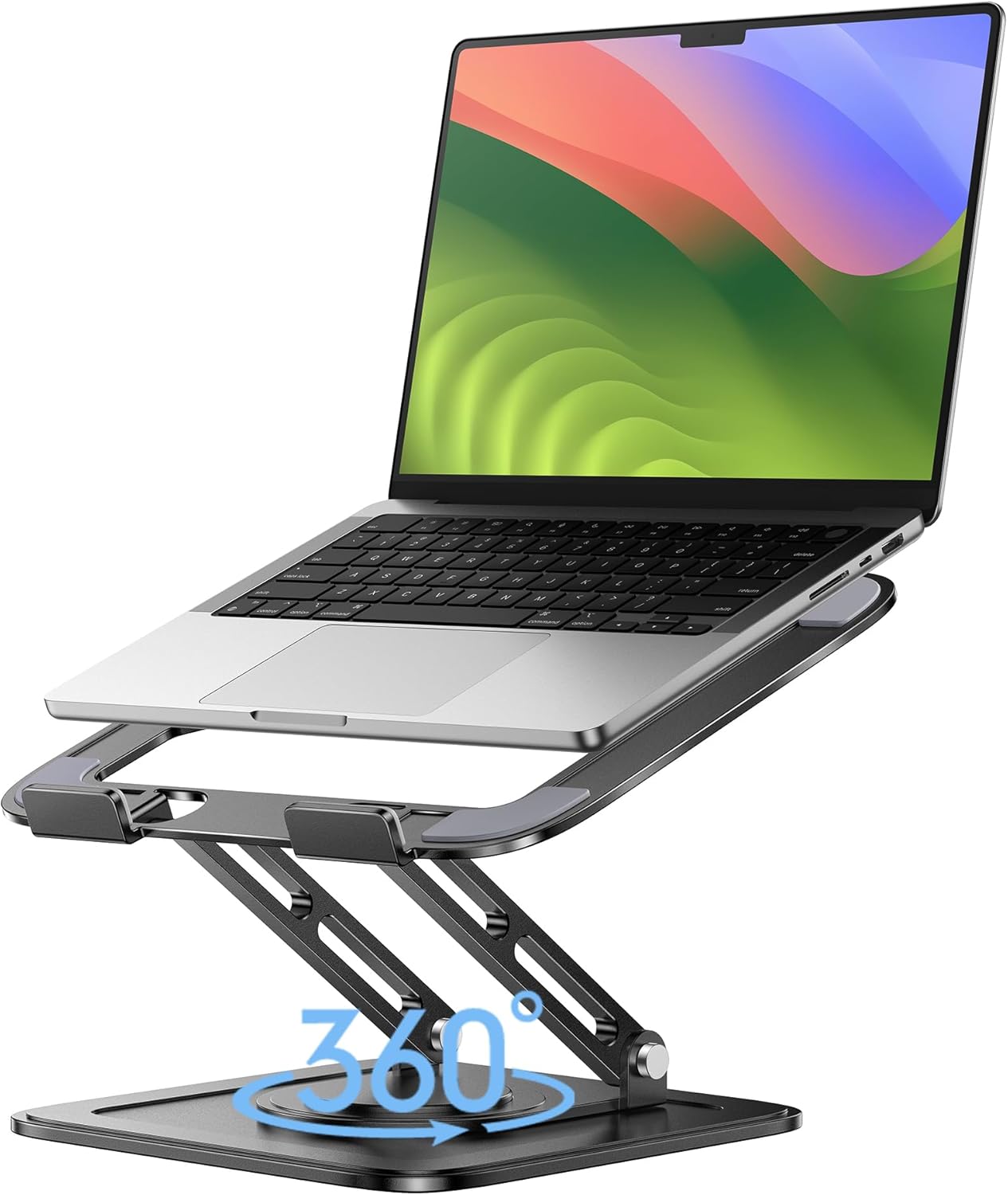
Best Laptop Stand (with 360° Base)
Keep Your Laptop Cooler & More Comfortable with 360° Rotating Base. Improve Airflow & Reduce Heat. Adjustable Height & Viewing Angle.
Shop on Amazon
Common Causes of Surface Ethernet Issues
These problems usually fall into driver, hardware, configuration, or OS/firmware conflicts. You’ll commonly see one clear symptom—no link, limited connectivity, or frequent drops—while the root cause hides in one of the areas below.
Outdated or Corrupt Network Adapter Drivers
When your Surface shows the Ethernet icon with limited connectivity, start by checking the network adapter drivers. Drivers for the Ethernet adapter or USB-to-Ethernet adapter can become outdated after a Windows 11 or Windows 10 update, or they can corrupt during a system crash.
Open Device Manager, look under Network adapters, and verify the exact adapter model shown (for example, “Realtek PCIe GBE Family Controller” or an Intel Ethernet adapter).
Update the driver from the manufacturer first—Surface drivers come from Microsoft, but the NIC vendor often supplies more recent fixes. If an update doesn’t help, uninstall the adapter in Device Manager and reboot to force Windows to reinstall the driver. Roll back the driver if the issue began after an update.
Keep driver files and the Surface firmware current to avoid intermittent wired Ethernet connection failures.
Hardware and Cable Problems
Physical issues cause many Surface Ethernet failures. Inspect the Ethernet cable for kinks, frays, or damaged RJ45 ends. Test the same cable and router port with another laptop to isolate whether the cable, switch, or Surface port is at fault. If you use a Surface Dock, Surface Dock 2, or a USB-C to Ethernet adapter, check that the dock firmware and adapter are supported by your Surface model.
Try a different known-good cable and a different port on your router or switch. If bypassing the dock by plugging a USB-C Ethernet adapter directly into the Surface restores connectivity, the dock or its Ethernet connection likely failed.
Replace damaged cables, clean the Surface Ethernet port and USB-C contacts with compressed air, and avoid stretched connectors that can create intermittent contact.
Incorrect Network Settings
Misconfigured IP, DNS, or proxy settings can prevent your Surface from using a wired Ethernet connection even when the hardware works. Start with Network & Internet settings: ensure the Ethernet adapter is enabled and not set to metered.
Check IPv4 settings—if your network uses DHCP, the adapter should obtain an IP automatically. Manually entered static IPs, wrong subnet masks, or duplicate IP addresses cause no-network or captive-like behavior.
Flush DNS (ipconfig /flushdns) and reset TCP/IP (netsh int ip reset; netsh winsock reset) if name resolution or access to specific websites fails. Also verify there’s no proxy server configured in the WinINet settings, and confirm firewall rules aren’t blocking outbound traffic for the Ethernet adapter. For enterprise environments, confirm VLAN or 802.1X authentication settings match what your switch expects.
Operating System and Firmware Conflicts
Windows feature updates, cumulative patches, or outdated Surface firmware can introduce compatibility issues with network adapters. After a major Windows 11 update, you might notice the Ethernet adapter disappears or behaves erratically until Microsoft releases a matched driver or Surface firmware update.
Check Windows Update for optional driver updates and consult the Microsoft documentation for Surface firmware releases.
If you suspect a firmware conflict, install the latest Surface firmware package and driver bundle from Microsoft, then reboot. For persistent issues, perform a network reset in Settings to restore default adapter state, but back up any custom VPN or network profiles first.
In rare cases, rolling back a problematic Windows update or using a driver signed by the NIC vendor resolves regressions caused by OS changes.
Step-by-Step Troubleshooting for Ethernet Connectivity
Check these focused steps to isolate whether the problem lies with the cable or port, the Surface’s adapter and driver, or Windows’ network settings. You’ll inspect hardware first, run automated diagnostics, confirm the adapter’s status in Device Manager, and try an alternate USB to Ethernet path if needed.
Check Physical Connections and Hardware
Start by powering off the Surface and unplugging the Ethernet cable. Inspect the cable for kinks, frayed shielding, or bent pins at both ends and replace it with a known-good Cat5e/Cat6 cable if available.
Confirm you’re using the correct port on your router (LAN, not WAN) and plug the cable into a different router port to rule out a bad jack. On Surface devices with a magnetic Ethernet adapter, ensure the adapter mates fully and its contacts are clean; disconnect and reconnect firmly.
Power-cycle the modem/router: unplug power 30 seconds, then plug modem back in and wait for stable lights before reconnecting the router. If another PC connects with the same cable and port, the issue is likely the Surface or its adapter. If LEDs on the Surface’s network adapter (or dock) remain off with a known-good cable, suspect the adapter or the Surface Ethernet port hardware.
Run the Network Troubleshooter
Open Settings > Network & internet and run Windows’ Network troubleshooter to get automated diagnostics. Choose the Ethernet connection when prompted so Windows targets wired diagnostics rather than Wi‑Fi.
The troubleshooter will test link detection, IP assignment (DHCP), and adapter binding. If it reports an IP conflict or “no network cable detected,” note the exact message before continuing. Follow any recommended fixes it offers, such as resetting the adapter or enabling the device.
If the troubleshooter can’t fix the issue, run these commands from an elevated Command Prompt: netsh winsock reset, netsh int ip reset, ipconfig /release, ipconfig /renew, and ipconfig /flushdns. Reboot the Surface after running them and check Ethernet status again.
Verify Network Adapter Status in Device Manager
Open Device Manager and expand Network adapters to locate the Ethernet adapter — it may appear as “Realtek,” “Intel,” or “Microsoft Surface Ethernet Adapter.” Look for warning icons and right-click the adapter to view Properties for error codes.
If Device Manager shows the adapter disabled, enable it. If the driver looks current but problems began after an update, choose Roll Back Driver. To reinstall, right-click and select Uninstall device, then restart the Surface so Windows reinstalls the driver automatically.
If Windows cannot find a driver, download the correct network adapter driver from your Surface model page on Microsoft’s site using another device and transfer it via USB. Also check Advanced power settings and disable any setting that allows Windows to turn off the adapter to save power.
Test with a USB to Ethernet Adapter or Dock
If the built-in port or adapter fails, attach a known-working USB to Ethernet adapter or a Surface Dock with Ethernet. Use a USB‑C or USB‑A adapter compatible with your Surface model and a good Ethernet cable connected to the same router port you tested earlier.
After plugging the adapter/dock in, wait 10–20 seconds for Windows to enumerate the device. If a driver installs automatically, verify the adapter appears in Device Manager under Network adapters. Test connectivity and note whether link lights turn on at the adapter end.
If the external adapter works, the issue points to the Surface’s internal Ethernet hardware or original adapter. If it also fails, check router settings (MAC filtering, static IP requirements) and contact your ISP only after you confirm the adapter works on another PC. For Microsoft Surface network adapter specifics, consult the device’s support page for driver and firmware updates.
Advanced Solutions for Persistent Network Adapter Problems
These steps target driver corruption, configuration conflicts, and software interference that often cause Ethernet or Wi‑Fi to disappear on a Surface. Each action changes a specific subsystem so work methodically and test connectivity after each step.
Update or Roll Back Network Adapter Drivers
Open Device Manager (Win+X → Device Manager) and expand Network adapters. Right‑click the Ethernet adapter and choose Update driver to search automatically or Browse my computer for drivers to install a driver you previously downloaded from Microsoft or the Surface support site.
If the problem began after a Windows update, click Properties → Driver → Roll Back Driver. Rolling back restores a known working driver when “outdated drivers” or a bad update broke the adapter. If Roll Back is greyed out, download the exact driver package for your Surface model and use Update driver → Browse my computer → Let me pick to install that INF manually.
If you reinstall a driver, check “Delete the driver software for this device” when uninstalling, then reboot. After a driver change, verify advanced network settings (speed/duplex, power management) in adapter Properties → Advanced and disable any power-saving options that might turn off the NIC.
Reset Network and Adapter Settings
Use the built-in Network reset only after driver attempts fail. Open Settings → Network & Internet → Advanced network settings → Network reset. This removes and reinstalls all network adapters and clears custom settings like static IPs, VPN routes, and DNS entries.
Before resetting, note any static IP/DNS settings you need to restore. Network reset will require a reboot and reconfiguration of Wi‑Fi profiles and VPN clients. For targeted resets, go to Network Connections, right‑click the specific adapter and Disable, then Enable it.
You can also run ipconfig /release followed by ipconfig /renew in an elevated command prompt to refresh DHCP leases without a full reset.
Perform Winsock and TCP/IP Stack Reset
Open an elevated Command Prompt or PowerShell and run these commands exactly:
- netsh winsock reset
- netsh int ip reset
The winsock reset clears socket catalog corruption that blocks all TCP/IP traffic; the TCP/IP reset rewrites protocol registry entries. Reboot after running both commands.
If you use static IPs, reapply them after reboot. Also run ipconfig /flushdns to clear DNS cache and verify adapter configuration with ipconfig /all. Use these resets when you see errors like limited/no connectivity, protocols missing, or applications that can’t access the network despite a link light on the Ethernet port.
Address VPN or Third-Party Software Interference
Temporarily disable any VPN client software, security suites, or virtual network adapters (OpenVPN/TAP, WireGuard, VMware, Hyper‑V) and then test the physical Ethernet connection. These programs install drivers and filters that can hijack routing or block DHCP.
If disabling fixes the issue, check the VPN client for an updated version or uninstall and reinstall it so its virtual adapter matches your current Windows build. In Device Manager, uninstall any virtual adapters you no longer use.
Also inspect the adapter’s Binding order in Network Connections → Change adapter options → Advanced (if present) to ensure the Ethernet adapter has priority over virtual interfaces.
Preventing Future Ethernet Issues on Microsoft Surface
Keep drivers, firmware, and accessory compatibility current, and watch official release notes for known regressions so you catch problems before they affect your work.
Install Surface and Windows Updates Regularly
Keep Windows and Surface drivers updated to maintain the Surface network adapter’s stability. Use Windows Update on Windows 11 or Windows 10 to install cumulative updates and optional driver updates; check “Optional updates” in Settings > Update & Security (or Windows Update) for NIC driver packages.
Also install Surface-specific firmware and driver packages from Microsoft’s support catalog when available. These packages include Dock and Ethernet controller fixes that don’t always appear through automatic Windows Update.
Set a simple update routine: check for updates weekly, apply driver updates during off-hours, and reboot the device after firmware installs.
If you manage multiple devices, use Windows Update for Business or WSUS to stage updates and test on one Surface device before broad deployment.
Use Compatible Docks and Accessories
Use docks and adapters explicitly listed as compatible with Surface devices to avoid Ethernet handoff or speed/duplex mismatches. Surface Dock 2, Surface Thunderbolt Dock, and Microsoft-authorized USB-C adapters have different controllers and firmware requirements that affect the surface network adapter behavior.
Avoid mixing third-party dock firmwares unless the vendor documents full compatibility with your Surface model and Windows version.
When you connect a dock, verify the NIC is seen in Device Manager and check link speed in Ethernet Status. If you swap docks, test direct USB-C Ethernet first to determine whether the problem is the dock or the Surface.
Keep one tested spare adapter that you know works for quick troubleshooting and to reduce downtime.
Monitor for Firmware Release Notes and Known Issues
Subscribe to Microsoft’s Surface release notes and official support pages to read firmware change logs and documented issues before applying updates. Release notes often list known regressions or required driver versions for the Surface network adapter and dock firmware.
Check the Surface community forums and the Microsoft Q&A thread for real-world reports of regressions tied to specific updates or dock firmware versions.
When you see a firmware update, review notes for network-related fixes or warnings. Delay deployment briefly for mission-critical systems if users report problems, and maintain rollback points (system restore or image backups) so you can revert quickly if a firmware update breaks Ethernet connectivity.