

Last updated on April 5th, 2026 at 09:19 am
If your Samsung TV is not connecting to the internet, the issue usually lies in either network settings, weak Wi-Fi signal, or temporary glitches in the TV or router. The simplest and most effective way to fix this is to restart both your Samsung TV and your modem, then make sure you enter the correct Wi-Fi password and check the TV’s network settings. This often resolves common connection problems without needing more complex steps.
Sometimes, your TV may struggle to maintain a connection due to distance from the router, or conflicting network settings like incorrect DNS or IP configuration. You can improve the connection by moving your TV closer to the router or switching the TV to connect to the 2.4GHz network instead of 5GHz. Addressing these factors helps ensure your TV can stay reliably online.
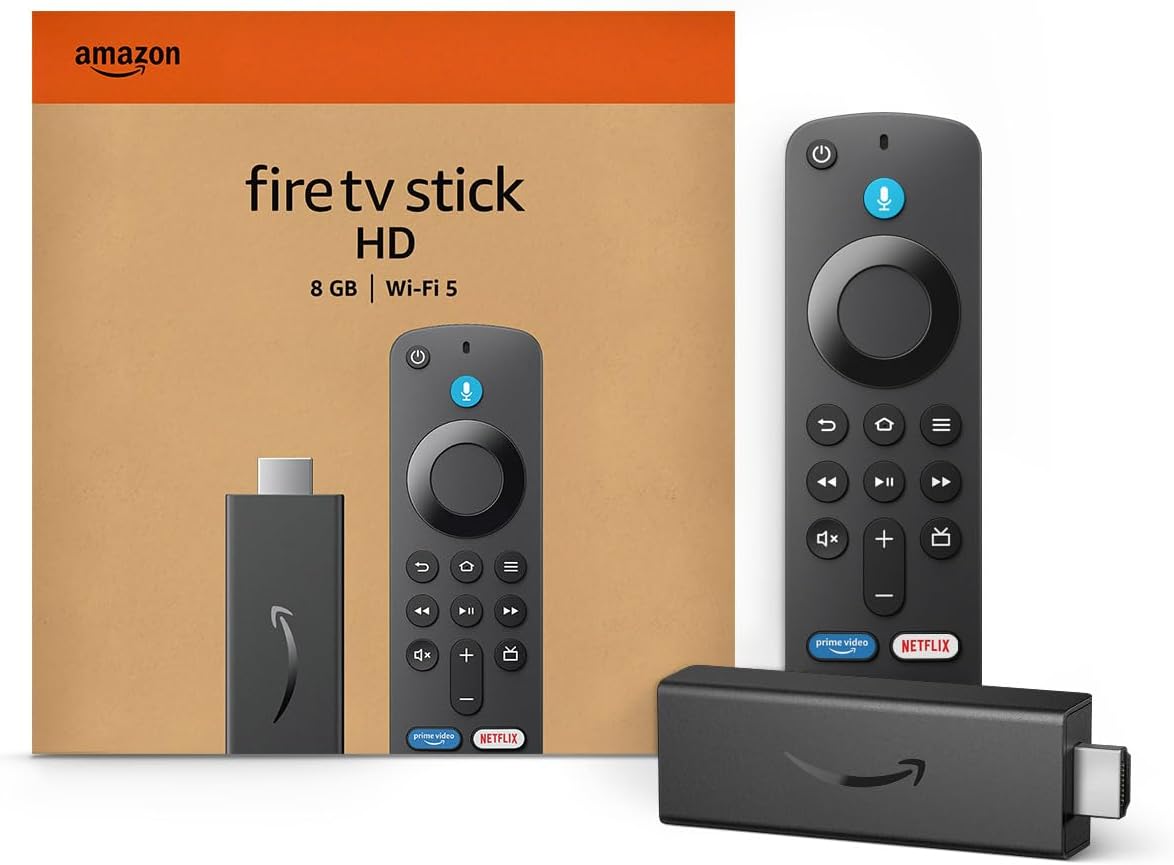
Amazon Fire TV Stick HD
Turn Any TV to a Smart TV. Stream Netflix, Prime Video & More. Alexa Voice Remote Included. Easy Plug & Play Setup.
Shop on AmazonKnowing these basics empowers you to troubleshoot your Samsung TV’s internet connection yourself. If simple restarts or checking settings don’t work, there are additional steps like resetting network settings or the Smart Hub that can help restore your connection and get you back to streaming quickly. For detailed troubleshooting, explore the full range of solutions tailored specifically for Samsung Smart TVs.

Understanding Why Your Samsung TV Is Not Connecting to the Internet
When your Samsung TV won’t connect to the internet, it’s usually due to network or device-specific issues. These problems can range from weak Wi-Fi signals and incorrect settings to compatibility limitations or router restrictions. Knowing how to spot symptoms and check settings can help you find the root cause quickly.
Common Symptoms and Error Messages
You may notice your Samsung Smart TV displaying no network options or failing to find your Wi-Fi. Other frequent symptoms include error messages like “Unable to connect to network,” “Incorrect password,” or “Connection timeout.” Some TVs might connect to Wi-Fi but experience intermittent drops or buffering during streaming.
If you see a MAC address failure or an error instructing you to check your password, focus on resetting or verifying your network credentials. Weak Wi-Fi signals often manifest as poor streaming quality or sudden disconnections. These signs show whether the issue is with your TV or the Wi-Fi network itself.
Identifying Whether the Issue Is With the TV or Network
First, check if other devices in your home can connect to the internet via the same Wi-Fi router. If they cannot, the problem likely lies with your internet service provider (ISP), router, or network configuration.
If other devices work fine but your Samsung TV struggles, the issue is probably with your TV’s network settings or hardware. Testing your TV with a mobile hotspot or a different network can help isolate the problem.
Running a network status test from your TV’s settings can pinpoint errors. If the test returns a network not found or authentication failure, the issue is often software or configuration on the TV.
How Wi-Fi and Internet Settings Affect Connectivity
Your Samsung TV needs compatible Wi-Fi bands and correct network settings to connect properly. For example, many models only support 2.4 GHz networks, not 5 GHz, so your router must broadcast on a compatible band.
Incorrect router settings, like MAC filtering, firewall rules, or customized DNS servers, can block your TV from connecting. Default settings are usually fine, but if you’ve modified your router’s configuration, revert the changes or consult your ISP.
Signal strength is critical. A weak signal caused by distance, walls, or interference can cause connection failures or slow internet speeds on your TV. Using a repeater or moving the router closer to the TV often fixes this.
You can also reset network settings on your TV to clear old configurations. Manually setting a DNS server (like Google’s 8.8.8.8) may improve connectivity in some cases.
Core Troubleshooting Steps for Samsung TV Internet Issues
Resolving internet issues on your Samsung TV often involves checking both your TV and your network setup closely. Simple resets, verifying credentials, and assessing signal strength can solve many connection problems without extra tools or service calls.
Restarting Your TV and Wi-Fi Router
Begin by power cycling your devices. Turn off your Samsung TV and unplug it from the power source. Then, unplug your Wi-Fi router and modem. Wait at least 60 seconds before plugging them back in.
Power on your modem first and wait until all indicator lights stabilize. Next, turn the router on and allow it to boot completely. Once your network equipment is ready, power the TV back on.
Restarting refreshes your network connection and clears temporary glitches. If the TV still fails to connect, this process ensures you’re starting with a clean slate before trying more detailed troubleshooting. Many connection drops or detection issues are resolved by this simple step.
Verifying Wi-Fi Password and Network Selection
Make sure your Samsung TV is attempting to connect to the correct Wi-Fi network. Sometimes, TVs default to an old or similar network, especially in crowded areas.
Go to your TV’s network settings and check the list of available Wi-Fi networks. Select your home Wi-Fi network explicitly.
Next, double-check the password entry. Wi-Fi passwords are case-sensitive, so be exact with uppercase, lowercase, numbers, and symbols. Use the option to show the password when typing on your TV to avoid typos.
If you suspect an incorrect password, try connecting another device with the same password to confirm the credentials. If issues persist, consider resetting your Wi-Fi password to something simple temporarily and reconnect.
Checking Network Status on Samsung TV
Your TV includes a Network Status test that helps diagnose connection errors. Navigate to All Settings > Connection > Network > Network Status to run this test.
This tool will display whether the TV detects your network, the strength of your connection, and if the IP or DNS addresses are valid. It may produce error messages like “Incorrect password,” “IP conflict,” or “DHCP failure” that guide you towards the next step.
If errors related to the MAC address appear repeatedly, a factory reset of the TV’s network settings might be required. Document any error codes for easier troubleshooting or support calls.
Assessing Wi-Fi Signal Strength and Interference
Signal strength is crucial for a stable connection, especially if your Samsung TV only supports 2.4GHz networks and your router uses 5GHz or dual-band configurations.
Check the Wi-Fi signal bars shown in the network settings. If you see one or two bars, your signal might be too weak or unstable for streaming.
Try moving the router closer to your TV or remove obstacles like walls and furniture that can block the signal. Devices like microwave ovens or cordless phones can also cause interference.
Using a Wi-Fi extender or repeater can boost signal strength if physical relocation isn’t possible. Confirm your TV supports the network band of your router, as older models often don’t detect 5GHz networks, causing connection failures.
Adjusting your router to broadcast a 2.4GHz network alongside 5GHz often solves compatibility issues.
If you want to eliminate connection drops permanently, the most reliable solution is a wired connection. A high-speed Cat6 Ethernet Cable bypasses Wi-Fi interference entirely, providing the stable bandwidth needed for 4K streaming without the lag.

Advanced Fixes: Settings, Updates, and Resets
When simple troubleshooting steps don’t restore your Samsung TV’s internet connection, you need to adjust specific settings, update software, or perform system resets. These actions target deeper issues related to network configuration or system stability. Each step requires careful navigation through your TV’s menus and precise input to avoid further complications.
Resetting Network Settings on Samsung TV
Resetting the network settings clears all stored Wi-Fi networks, passwords, and wired network settings on your Samsung Smart TV. This can resolve conflicts caused by corrupted or outdated network profiles.
To reset, go to All Settings > Connection > Network > Reset Network. Confirm the reset, and your TV will remove old network configurations. Afterward, reconnect to your Wi-Fi by selecting your network and entering the password again.
This step is helpful if your TV fails to detect networks properly or if you suspect misconfigured network data. It gives you a clean slate without affecting other TV settings.
Configuring DNS and IP Settings Manually
Sometimes, your TV’s automatic IP and DNS settings fail to work correctly due to router issues or ISP conflicts. Manually entering these values can improve connectivity or bypass DNS-related failures.
Access All Settings > Connection > Network > Network Status > IP Settings. Switch the DNS setting to Enter Manually and input a reliable DNS server like 8.8.8.8 (Google DNS).
You can also set a static IP address by enabling manual IP configuration, but this requires knowing your network’s IP range and avoiding conflicts with other devices.
Manually adjusting these settings can stabilize the connection if your TV otherwise struggles with Wi-Fi dropping or slow responses.
Updating Samsung TV Firmware
Outdated firmware can cause connectivity bugs or compatibility issues with newer routers and networks. Keeping your Samsung TV’s firmware current ensures it has the latest software patches and network drivers.
Download the latest firmware from Samsung’s official website onto a USB drive if your TV is offline. Then, insert the USB into the TV and navigate to All Settings > Support > Software Update. Select Update Now to start the process.
If your TV has partial connectivity, you can update over the internet via this menu instead. Allow the TV to reboot after updating before testing your network connection again.
Updating firmware is critical when network problems persist despite correct settings.
Factory Resetting as a Last Resort
If other fixes fail, performing a full factory reset removes all personalized settings, apps, and accounts, restoring the TV to default conditions.
Go to All Settings > General (or General & Privacy) > Reset. Enter your PIN (default 0000) to confirm. The TV will reboot and erase all data.
Use this only if network issues persist after resetting network settings and firmware updates since it requires reconfiguring everything from scratch.
A factory reset eliminates software glitches or corrupted system files that might block internet access.
Additional Tips and When to Contact Support
Proper setup and managing your home network can significantly improve your Samsung TV’s connection to the internet. Several practical adjustments involving your router, network load, and device settings can help maintain a stable connection and reduce interruptions.
Optimizing Router Placement and Frequency Band
Place your Wi-Fi router as close to your Samsung TV as possible and avoid physical barriers like walls or large furniture. Signal strength drops significantly with distance and obstacles, which can cause your TV to fail in detecting or maintaining a connection.
Check if your TV supports 2.4GHz or 5GHz networks. Many Samsung models connect only on 2.4GHz, as some older models do not support 5GHz. Using the appropriate band can improve connectivity and speed. If your router supports dual-band, ensure the right one is enabled for your TV.
Consider using Wi-Fi extenders or repeaters if moving the router isn’t an option. These devices boost the network’s signal strength around your home, helping your TV stay connected, especially in larger spaces or areas with poor reception.
For TVs located in ‘dead zones’ far from your router, a TP-Link Wi-Fi Extender can bridge the gap. It captures your existing signal and rebroadcasts it closer to your TV, ensuring full signal bars and preventing the ‘Unable to connect’ errors caused by weak coverage.

Reducing Network Congestion and Device Conflicts
Too many devices connected to your Wi-Fi can weaken your Samsung TV’s connection. High traffic on the network causes bandwidth contention, leading to slower speeds and dropped connections.
Limit the number of devices actively using Wi-Fi when streaming on your TV. Disconnect devices you’re not using, like tablets, smartphones, or smart appliances, to free bandwidth.
Some routers have bandwidth allocation or Quality of Service (QoS) settings. Use these to prioritize traffic to your Samsung TV, ensuring smoother streaming with fewer interruptions.
If device conflicts or IP address issues occur, try resetting your TV’s network settings and reconnecting. This can clear glitches caused by duplicate addresses or conflicting connections.
When to Contact Samsung Support or Your ISP
If your Samsung TV still won’t connect after troubleshooting network placement and device management, consider seeking professional help.
Contact your internet service provider (ISP) if multiple devices, including your TV, experience internet issues. They can check for outages or configuration problems on their end.
Reach out to Samsung Support when your TV does not detect any networks at all or fails network status tests repeatedly after resets. Firmware updates or hardware issues might need expert intervention.
Always have your TV model number and network details ready before contacting support to speed up diagnosis and resolution. Detailed information about your Wi-Fi router, including frequency bands and settings, will also help.
For detailed guidance, see Samsung’s official troubleshooting pages on Samsung TV not connecting to Wi-Fi.