

If your Microsoft Surface fan stops working, you can usually fix it without guessing. Start by checking software updates, running the Surface Diagnostic Toolkit, and closing high-CPU apps—these steps resolve most fan and cooling issues quickly. If those actions don’t help, the article walks you through deeper troubleshooting and when to seek service.
You’ll learn how Surface cooling works, common causes for a nonfunctioning fan, and clear step-by-step checks you can perform now. Follow practical tips to identify software, firmware, and hardware problems so you don’t waste time on ineffective fixes.

Understanding Fan Operation on Microsoft Surface Devices
You’ll learn how the fan behaves under normal conditions, the different cooling designs across Surface models, and how fan speed links directly to CPU load. These specifics help you decide if the fan issue is a configuration, software, or hardware problem.
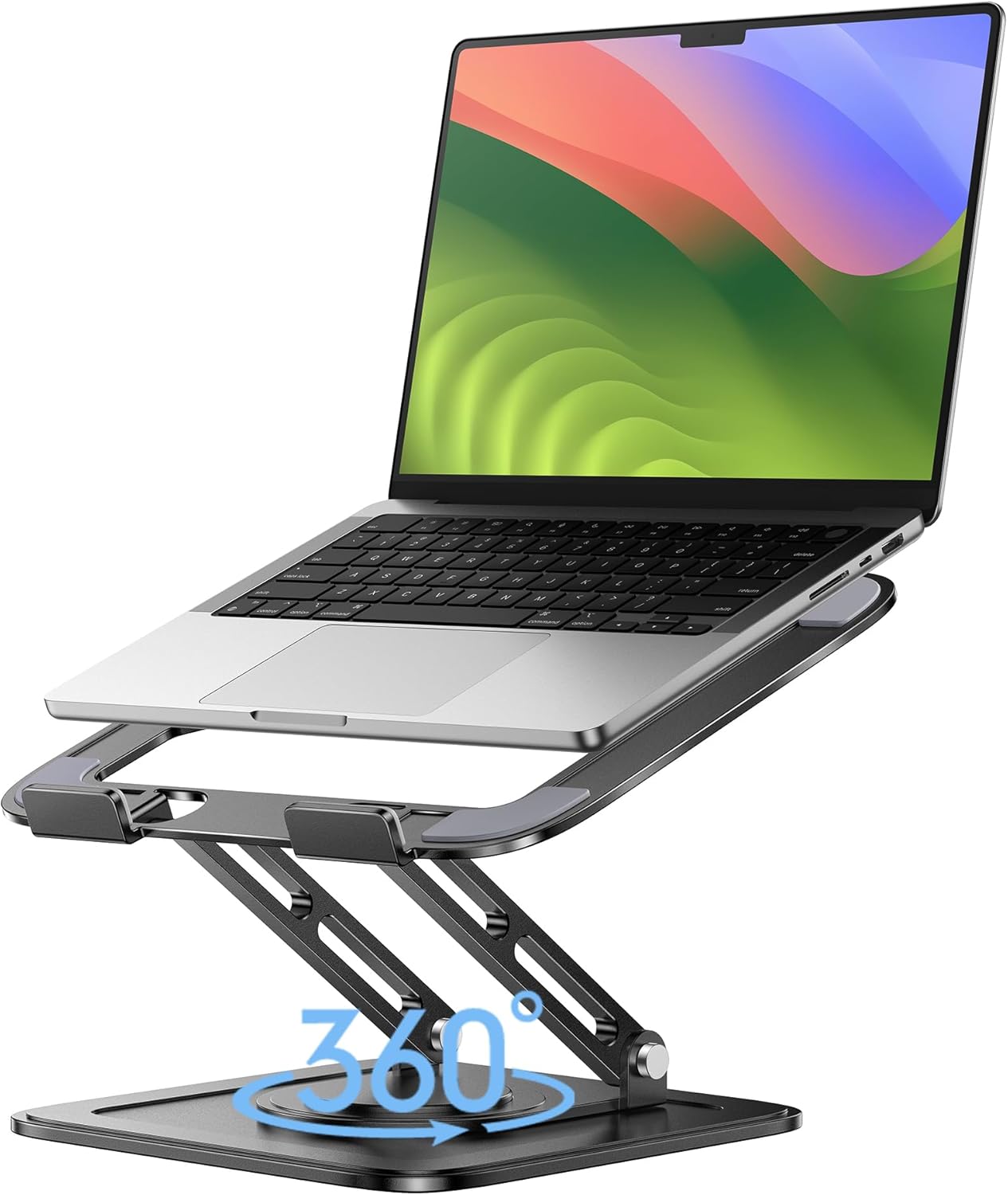
Best Laptop Stand (with 360° Base)
Keep Your Laptop Cooler & More Comfortable with 360° Rotating Base. Improve Airflow & Reduce Heat. Adjustable Height & Viewing Angle.
Shop on AmazonNormal Fan Behavior and Activation
The Surface fan turns on when internal temperature thresholds rise; it isn’t meant to run continuously at idle. Background tasks—Windows Update, OneDrive sync, or antivirus scans—can trigger higher temperatures during the first 24 hours after setup or after major updates. Ambient temperature above ~25°C (77°F) or charging the device can also cause the fan to run more often.
You can check Task Manager to see which processes raise CPU utilization and therefore heat generation. Abnormal noises such as grinding, whining, or ticking indicate a likely hardware fault rather than normal fan operation. If standard steps (closing heavy apps, updating firmware) don’t help, consider service options or repair.
Types of Surface Cooling Systems
Surface devices use two main approaches: active cooling with a physical fan and passive cooling with heat spreaders or vapor chambers. Higher‑TDP models (Intel i7/i9 or discrete GPUs) typically include a small axial fan and heat pipes to move heat away from the CPU. Lower‑power or fanless models rely on passive thermal designs and will throttle performance to stay cool.
Fan placement and intake/exhaust paths vary by model, so blocked vents or soft surfaces can reduce airflow and make the fan run harder. Firmware and driver updates delivered through the Surface app and Windows Update can change thermal behavior by modifying fan curves or power limits. If you need to confirm which cooling system your model uses, check your model specs or the Surface app.
Role of Fan Speed and CPU Utilization
Fan speed scales with CPU utilization because higher processor load raises core temperatures quickly. Short bursts of 100% CPU (compiling code, rendering video) will spin the fan up briefly; sustained high utilization keeps the fan at higher RPMs and increases audible noise.
Power mode settings affect this: Recommended or battery‑saving modes limit CPU frequency and reduce fan activation, while Better/Best performance modes permit higher temperatures and faster fan speeds.
If the fan never spins despite high CPU utilization, verify firmware and drivers and check Task Manager to confirm sustained CPU load. For noisy but functioning fans, reducing background processes or changing power mode often lowers fan speed. If the fan behaves inconsistently with CPU temperature readings, a firmware update or hardware inspection is the next step.
Common Causes of Surface Fan Not Working
You’ll find problems fall into a few clear areas: software that fails to tell the fan to run, physical faults or blockages, system settings that limit cooling, and environmental or usage patterns that strain the device. Each area has specific checks and targeted fixes you can apply.
Outdated Drivers and Firmware
Your Surface relies on Windows updates plus device-specific firmware and driver packages to control fan behavior. If the Intel chipset, thermal management, or Surface UEFI firmware is out of date, the fan may not receive proper speed/thermal thresholds.
Check Windows Update > Update & Security for optional driver packages and the Surface Firmware; install Surface-specific driver bundles when available. You should also run the Surface Diagnostic Toolkit to detect missing drivers and firmware mismatches.
When you update, reboot and test under load (web streaming + light video editing) to confirm the fan engages. If a recent Windows update coincides with the issue, roll back the problematic driver or uninstall the update temporarily while you obtain a tested firmware package.
Hardware Failure and Physical Obstructions
Mechanical faults or dust can stop the fan from spinning or make it intermittent. Bearings wear out, fan connectors can loosen, and debris or pet hair can jam blades—especially in older Surface models or units used in dusty environments.
If the fan never spins even after firmware checks, physical inspection is necessary. For Surface Laptop Studio and similar models that are difficult to disassemble, avoid aggressive DIY if you lack the right tools; instead document symptoms and consider professional repair.
Listen for grinding or whine noises and note any hot spots on the chassis. If the fan is electrically powered but stalls, the fan assembly or board-level components may need replacement. When under warranty, submit a service order rather than opening sealed components.
System Settings Affecting Cooling
Power plans, thermal policies, and BIOS/UEFI settings can prevent the fan from running or delay its engagement. Windows power profiles set CPU performance states; a power-limited profile reduces heat generation but can also disable higher fan curves.
Open Power Options and check advanced settings (processor power management, cooling policy). Set “System cooling policy” to Active so the fan is prioritized over throttling. Also verify any OEM thermal utilities or registry-tuned profiles aren’t enforcing an aggressive passive cooling strategy.
On Surface devices, Surface UEFI may expose limited thermal options—use the latest UEFI firmware and avoid third-party utilities that modify fan curves. If you adjust settings, test under a reproducible load to confirm the fan responds and that the device no longer throttles.
Environmental and Usage Factors
High ambient temperature, sustained heavy workloads, and blocked vents increase thermal stress and can make the fan appear non-functional when it’s simply overwhelmed. Running video rendering, long gaming sessions, or using the device on a soft surface (bed, lap) raises internal temperatures fast.
Keep vents clear and use the Surface on hard, flat surfaces. Reduce ambient room temperature or use external cooling. If your device shows product safety warnings or thermal shutdowns, stop heavy use immediately and contact support.
Also consider usage history: older devices with prolonged exposure to heat will show degraded cooling performance. Routine cleaning and sensible usage patterns extend fan life and reduce the chance of repeated failures.
Step-by-Step Troubleshooting Methods
Start with quick checks to reduce software causes, then move to targeted tools and controlled restarts if the fan stays inactive. Focus on diagnostics, updates, process monitoring, and safe restart steps.
Using Surface Diagnostic Toolkit
Download and run the Surface Diagnostic Toolkit to scan firmware, drivers, and thermal controls. Open the app, choose the hardware diagnostics, then select the cooling or fan-related tests. Let the toolkit complete its checks; it can repair common driver and firmware issues automatically.
If the Toolkit reports failed firmware or driver updates, follow its prompts to install fixes and reboot. If it cannot fix the problem, note the error codes and search the Microsoft Community for similar reports before contacting support. Keep the device plugged in while running the Toolkit to avoid power interruptions.
Checking Windows Update and System Updates
Open Settings > Update & Security > Windows Update and click Check for updates. Install all available Windows updates and any optional driver or firmware updates listed under “Optional updates.” Reboot after updates complete.
Also update devices in Device Manager: expand System devices and Firmware, right-click relevant entries, and choose Update driver. If a recent update coincides with the fan failure, roll back the last driver in Device Manager or uninstall the problematic update from Update history.
Use the Surface app or the Surface Diagnostic Toolkit to confirm firmware versions match Microsoft’s current releases (see Surface app for firmware details).
Monitoring with Task Manager
Press Ctrl+Shift+Esc to open Task Manager and click More details if needed. Sort by CPU and GPU to find processes consuming high resources; any process above ~50% can force continuous fan operation. Right-click the offending process and choose End task, or open the app to change its settings to reduce load.
Use the Performance tab to watch CPU and GPU temperatures if available, and use Resource Monitor (Open Resource Monitor link) for finer detail. If Task Manager shows no high usage but the fan remains off, the problem is likely hardware or firmware — document running processes and their spikes, then report them on the Microsoft Community if you need help diagnosing anomalous behavior.
Force Shutdown and Restart Procedures
If the Surface is unresponsive or the fan never spins, perform a forced shutdown to clear stuck firmware states. Hold the power button for 30 seconds until the device powers off. For Surface models with a dedicated two-button shutdown, press and hold Volume Up + Power for 15 seconds, release, then wait 10 seconds and press Power to restart.
After restart, check the fan during a controlled load: open Task Manager and run a CPU stress task (e.g., a browser tab playing 4K video) to see if the fan activates. If the fan still does not run after a forced shutdown and restart, avoid opening the device yourself; gather diagnostic logs from the Surface Diagnostic Toolkit and post them to the Microsoft Community or contact Microsoft support for repair options.
Advanced Solutions and Preventive Measures
Address the issue with targeted actions that fix a broken fan and reduce future failures. Use official help channels when hardware repair is needed, clean or cool the device to restore airflow, and tune power and thermal settings to prevent recurrence.
Contacting Microsoft Support
If the fan has stopped working or makes abnormal noises like grinding, contact Microsoft for diagnostics and repair options. Check your device warranty and create a service order through Microsoft’s repair portal; they provide shipping labels and guided steps for preparing the Surface for transit.
For in-person help, search for local Microsoft-authorized service centers that can perform hardware inspection and board-level repairs.
Before you call or submit a ticket, gather serial number, purchase date, Windows build, and a brief description of symptoms (no spin, intermittent, or odd noises). Record any troubleshooting you already tried — restarts, firmware updates, and the Surface Diagnostic Toolkit — so support avoids repeating steps. Use the Surface app to check firmware and driver status and to run diagnostics if available.
Manual Cleaning and Laptop Cooling Pads
If you’re comfortable opening the device, remove dust from vents and fan assembly using compressed air and ESD-safe tools; follow Microsoft’s repair guides for your model. Work in a clean, static-free area and disconnect battery power before touching internal parts. If you’re not confident, opt for professional cleaning through Microsoft repair or a trusted technician.
Use an external laptop cooling pad to reduce internal thermal load while you arrange repair or cleaning. Choose a pad with multiple 120mm fans and adjustable height to improve airflow under the Surface. A cooling pad won’t fix a failed fan, but it lowers operating temperature and reduces stress on internal components until the fan is repaired.
Optimizing Performance Settings
Adjust power and thermal settings to minimize fan demand when the hardware is marginal. Set Power mode to Recommended in Windows Power & battery (Settings > System > Power & battery > Power mode) to cap CPU frequency and reduce heat under light-to-moderate loads. Avoid “Best performance” when you notice thermal issues.
Manage background processes from Task Manager to stop high-CPU apps that trigger sustained fan use. Keep Windows and Surface drivers up to date by using the Surface app and Windows Update. If firmware updates are flagged, install them — firmware can include fan control improvements that resolve erratic behavior.