

Last updated on April 6th, 2026 at 11:28 am
If your Microsoft Surface isn’t recognizing your keyboard, it’s often due to connection issues, outdated drivers, or software glitches. The quickest way to fix this is by detaching the keyboard, restarting your Surface, and ensuring your device has the latest updates installed.
This simple process often restores the connection and resolves the problem without needing extra tools. Sometimes, debris or damage to the keyboard connector can interfere with the connection, so it’s worth checking that area closely.
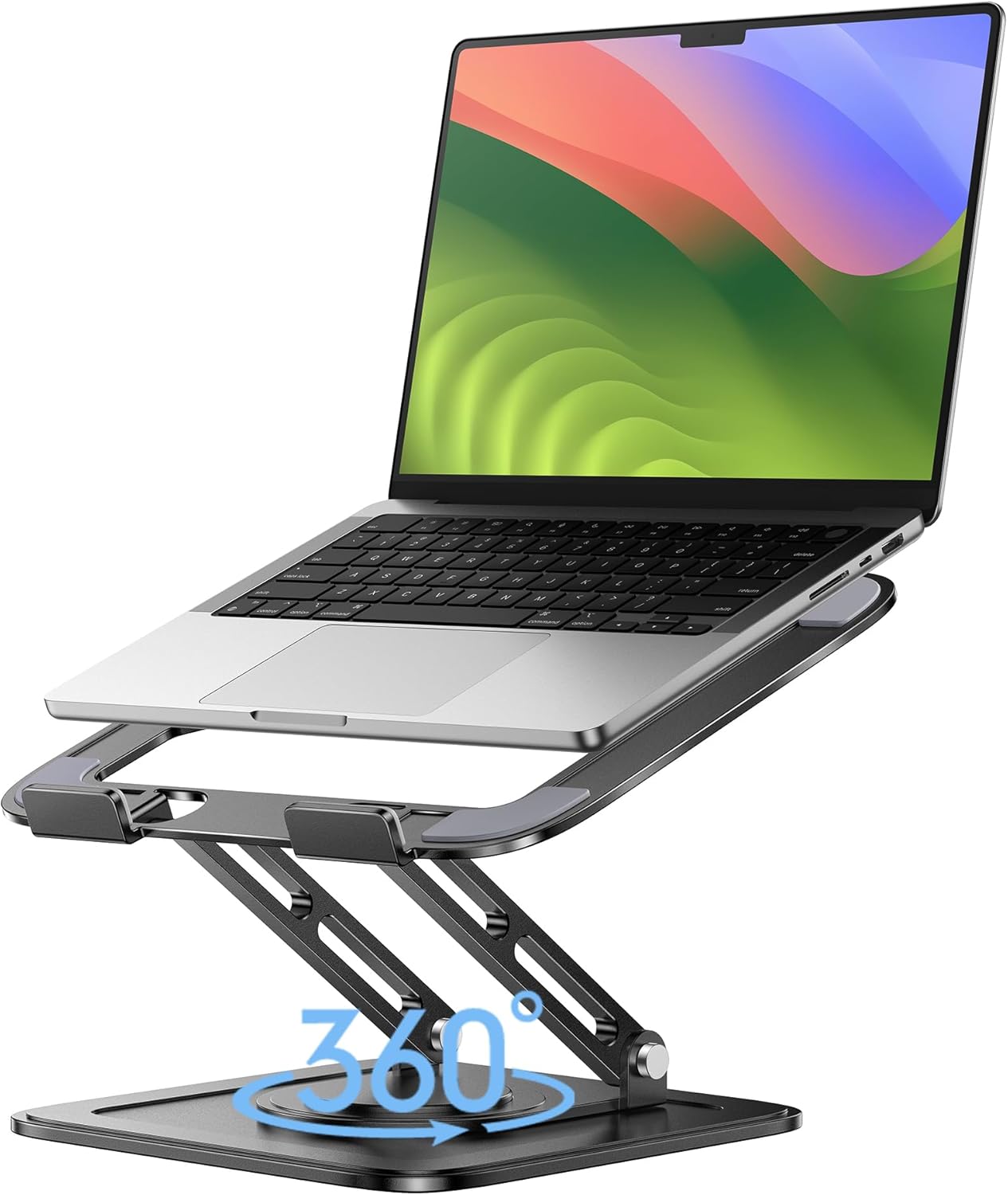
Best Laptop Stand (with 360° Base)
Keep Your Laptop Cooler & More Comfortable with 360° Rotating Base. Improve Airflow & Reduce Heat. Adjustable Height & Viewing Angle.
Shop on AmazonIf your keyboard still isn’t detected after these steps, verifying its functionality in the device’s UEFI settings can help determine whether the issue is hardware or software related. You may also need to reinstall keyboard drivers or reset your Surface if software conflicts persist.
For detailed steps and guidance, you can consult official help from Microsoft.

Diagnosing Microsoft Surface Keyboard Not Recognized Issues
When your Microsoft Surface does not recognize the keyboard, pinpointing the cause requires understanding both hardware and software factors. Your approach must consider device type, keyboard connection methods, and troubleshooting steps to isolate the specific issue.
Common Causes of Unrecognized Keyboards
A frequent cause of keyboard detection failure is a dirty or damaged keyboard connector. Dust, debris, or physical damage on the magnetic strip or pins can prevent your Surface Pro keyboard or Type Cover from establishing a stable connection.
Power management settings or driver conflicts within Windows can also interrupt recognition. Outdated or missing drivers are another common issue.
If you installed a custom Windows image, the necessary Surface keyboard drivers may not be present, preventing proper communication. System updates or patches that have not been applied can affect device compatibility and keyboard functionality.
Software glitches, such as corrupted system files, can disrupt your Surface keyboard’s responsiveness. Sometimes, accessibility settings like Sticky Keys or Filter Keys may interfere, making it seem like the keyboard is not working even when hardware is fine.
Types of Surface Keyboards and Connections
Understanding what type of keyboard you use is vital to diagnosing the problem. The primary models include the Surface Pro keyboard, Surface Type Cover, and Surface Go Type Cover.
These attach magnetically to your Surface or Surface Laptop and connect via a specialized port. The connection relies on a combination of magnets and data pins embedded along the edge of the device.
For Surface Pro and Go models, the magnetic connection must be secure; any misalignment or obstruction can cause the keyboard to not register. Besides physical attachment, some Surface keyboards connect via Bluetooth or act as wireless accessories, though these are less common.
Identifying your keyboard type helps when testing hardware or checking settings related to Surface keyboard not working scenarios.
Distinguishing Hardware vs. Software Problems
To decide if your issue is hardware or software, first test the keyboard in the UEFI menu by powering off your Surface and entering UEFI with the Volume Up button and Power button combination. If keys respond there, hardware is likely intact.
If the keyboard works in UEFI but not within Windows, the problem likely lies with driver conflicts, corrupted files, or Windows settings. In this case, updating your Surface keyboard drivers via the Surface app or reinstalling Windows may resolve the issue.
If the keyboard fails even in UEFI, you likely face a hardware failure. This includes damaged connectors, faulty magnets, or internal keyboard faults requiring repair or replacement.
Quick checklist:
| Test Step | Hardware Issue Indicated | Software Issue Indicated |
|---|---|---|
| Keyboard functional in UEFI | No | Yes |
| Keyboard non-functional in UEFI | Yes | No |
| Keyboard LEDs not lighting | Possible hardware fault | Less likely |
| Device drivers outdated or missing | – | Yes |
For detailed troubleshooting, you can visit the official Microsoft support page for Surface Pro keyboard issues.
Essential Troubleshooting for Keyboard Detection Problems
When your Surface Pro doesn’t recognize the keyboard, resolving it often involves a targeted approach. You need to inspect physical connections, validate hardware functionality through firmware, and perform power cycles that reset internal components.
These steps help identify whether the issue stems from hardware, software, or firmware conflicts.
Checking and Cleaning Connectors
Start by detaching your Surface Type Cover or keyboard and inspecting the connector edges. Look closely for dust, debris, or damage that might block magnet alignment or electrical contact.
Clean the connectors gently with a dry, lint-free cloth or compressed air to remove any particles. Make sure the magnetic connector aligns perfectly when you reattach—misalignment can prevent proper detection.
For persistent connection issues caused by oxidation on the data pins, a quick spray of BW-100 Electronic Contact Cleaner can safely remove invisible buildup and restore the electrical path between your Surface and the Type Cover.

Avoid using liquids or abrasive tools, as these can worsen the problem. If your keyboard still isn’t recognized, check for driver updates via the Surface app or Windows Update to ensure compatibility with your Surface Pro.
Updated drivers often fix detection bugs that arise from system changes or updates.
Testing With UEFI and Alternative Keyboards
To determine if the issue is hardware or software-related, boot your Surface Pro into the UEFI firmware interface. Power off your device, then hold the Volume Up button and press the Power button.
When the UEFI screen appears, test the keyboard by navigating menus with the arrow keys. If the keyboard works in UEFI but not in Windows, the problem likely involves Windows or drivers.
You can try resetting Windows or reinstalling drivers to fix this. If possible, test your Surface Type Cover on another Surface Pro or try a different keyboard on yours.
This can isolate whether the keyboard or the device is causing the problem. If neither keyboard works, the issue may involve the Surface’s Type Cover port hardware.
Restart and Power Reset Procedures
Power cycling your Surface Pro can resolve temporary glitches. Begin by fully shutting down your device via Start > Power > Shut down.
Next, perform a force shutdown by holding the power button for 20 seconds. On some models, you might see the Surface logo appear during this hold; continue holding for the full duration.
After releasing the button, wait a moment, then power it back on. This process resets hardware connections and can restore proper keyboard detection.
If issues persist, detach and reattach the keyboard after the reset to ensure the Surface reestablishes the connection. Regularly performing this can fix intermittent disconnects or recognition failures.
For step-by-step visuals and details on these procedures, you can review the official troubleshooting steps for Surface Pro keyboards.
Resolving Software and Driver-Related Keyboard Issues
You can address many keyboard recognition problems on your Microsoft Surface by ensuring your system software and drivers are current, properly managed, and correctly configured. Checking updates, managing keyboard drivers, and adjusting key accessibility settings are critical steps.
Updating Windows and Surface Firmware
Start by making sure your Surface runs the latest Windows updates. Open Settings > Update & Security > Windows Update and select Check for updates.
Install all available updates. These often include fixes for hardware compatibility which can resolve keyboard issues.
Next, update your Surface firmware using the Surface app or by downloading the latest drivers and firmware packages from Microsoft’s website. Firmware updates improve device communication, including the keyboard connection.
Keeping both Windows 10 or 11 and Surface firmware current prevents driver conflicts impacting your keyboard. If updates don’t auto-install, manually download the Surface driver package compatible with your Windows version.
Managing Keyboard Drivers in Device Manager
Your keyboard driver can become corrupted or outdated, causing recognition problems. To fix this:
- Right-click the Start button and select Device Manager.
- Find and expand Keyboards.
- Right-click your Surface keyboard driver and select Update driver.
- Choose Search automatically for updated driver software.
If updating doesn’t help, use Uninstall device to remove the keyboard driver and then reboot your Surface. Windows will attempt to reinstall the correct driver upon restart.
If your keyboard still isn’t recognized, try manually installing drivers downloaded from Microsoft’s Surface support site.
Using the Surface App and Diagnostic Toolkit
The Surface app provides a straightforward way to check your device’s health and update essential drivers and firmware. Open the app, navigate to Help & support, then select Check for updates to ensure everything is current.
For deeper diagnostics, download and run the Surface Diagnostic Toolkit. This tool automatically scans for hardware and software issues affecting your Surface and keyboard.
It tests connectivity and can guide you through fixes without needing advanced technical skills. Using these tools together streamlines troubleshooting and highlights whether your keyboard problem is software-related or requires service.
Accessibility and System Setting Adjustments
Sometimes, keyboard issues stem from accessibility settings like Sticky Keys or Filter Keys interfering with input. To check these:
- On Windows 10, go to Settings > Ease of Access > Keyboard.
- On Windows 11, navigate to Settings > Accessibility > Keyboard.
Toggle settings such as Sticky Keys, Filter Keys, and Toggle Keys off and on to see if this restores keyboard responsiveness.
Additionally, consider using the Reset this PC option if driver and software fixes fail. This reinstalls Windows while keeping personal files but removes incompatible apps or changes that might cause keyboard failure.
Adjusting these settings ensures no software features unintentionally disrupt your keyboard’s performance.
Advanced Fixes and When to Seek Professional Help
If your Microsoft Surface still doesn’t recognize the keyboard after basic troubleshooting, deeper hardware or software issues might be the cause. Understanding when to repair, replace, or use alternative input options can save time and protect your data.
Repair and Replacement Considerations
When troubleshooting the Surface Pro keyboard issues, first determine whether the problem stems from hardware failure or software conflicts. You should check for visible damage, debris blocking the magnetic connectors, or broken keys.
If cleaning and reassessing connections don’t restore functionality, a hardware fault is likely. If your keyboard’s LEDs don’t light up after reconnecting, or the keyboard still fails to respond in UEFI mode, it’s a sign that replacement might be necessary.
If your hardware has failed, getting a high-quality Surface Pro Type Cover Replacement is often the most cost-effective solution to restore your device’s 2-in-1 functionality without the high cost of out-of-warranty manufacturer repairs.

You can submit a service order through Microsoft if your device is under warranty. Otherwise, purchasing a new Microsoft Surface keyboard from Microsoft Store or authorized retailers might be your best option.
Before replacing the keyboard, ensure your Surface firmware and drivers are fully updated, as software issues sometimes mimic hardware faults.
Persistent Hardware Failure Signs
Some symptoms clearly indicate persistent hardware failure in your Surface keyboard. These include keys that consistently fail to respond, repeated unintended keystrokes, or physical damage such as cracked or missing keys.
If compressed air or careful cleaning can’t resolve stuck or unresponsive keys, the issue is most likely hardware-related. Another sign is inconsistent connectivity: if your keyboard intermittently disconnects or stops functioning even after forced restarts and updates, persistent failure is probable.
Also, when your keyboard works in UEFI but not in Windows, the problem is software-based; if it fails even in UEFI, hardware is at fault. In these cases, continuing to troubleshoot yourself may cause frustration and delay.
If you see these persistent signs, it’s advisable to submit a service request or seek professional repair.
Backup Options and On-Screen Keyboard Use
While awaiting repair or replacement, you can maintain productivity by using backup input methods. The on-screen keyboard built into Windows offers a full virtual keyboard accessible via the taskbar or Accessibility settings.
It allows you to type without physical input. Alternatively, connecting a Bluetooth or USB external keyboard can serve as a temporary fix.
Ensure you disable or re-enable the Surface Pro keyboard in Device Manager to avoid driver conflicts when switching between keyboards. Regularly back up your files to cloud storage or an external drive during troubleshooting to prevent data loss if system resets become necessary.
For more detailed steps on hardware issues and service options, view this Microsoft Surface Pro keyboard troubleshooting guide.