

If your Microsoft Surface isn’t working properly after an update, the issue often lies with incompatible drivers, corrupted files, or software conflicts caused by the new installation.
The most effective immediate action is to perform a force shutdown and then boot into Safe Mode to isolate and address the problem. This allows you to troubleshoot without unnecessary system processes interfering.
You may also encounter problems like the keyboard stopping, the screen freezing, or the device failing to start up normally. These are common symptoms that can often be fixed by manually reinstalling drivers or using Microsoft’s diagnostic tools designed specifically for Surface devices.
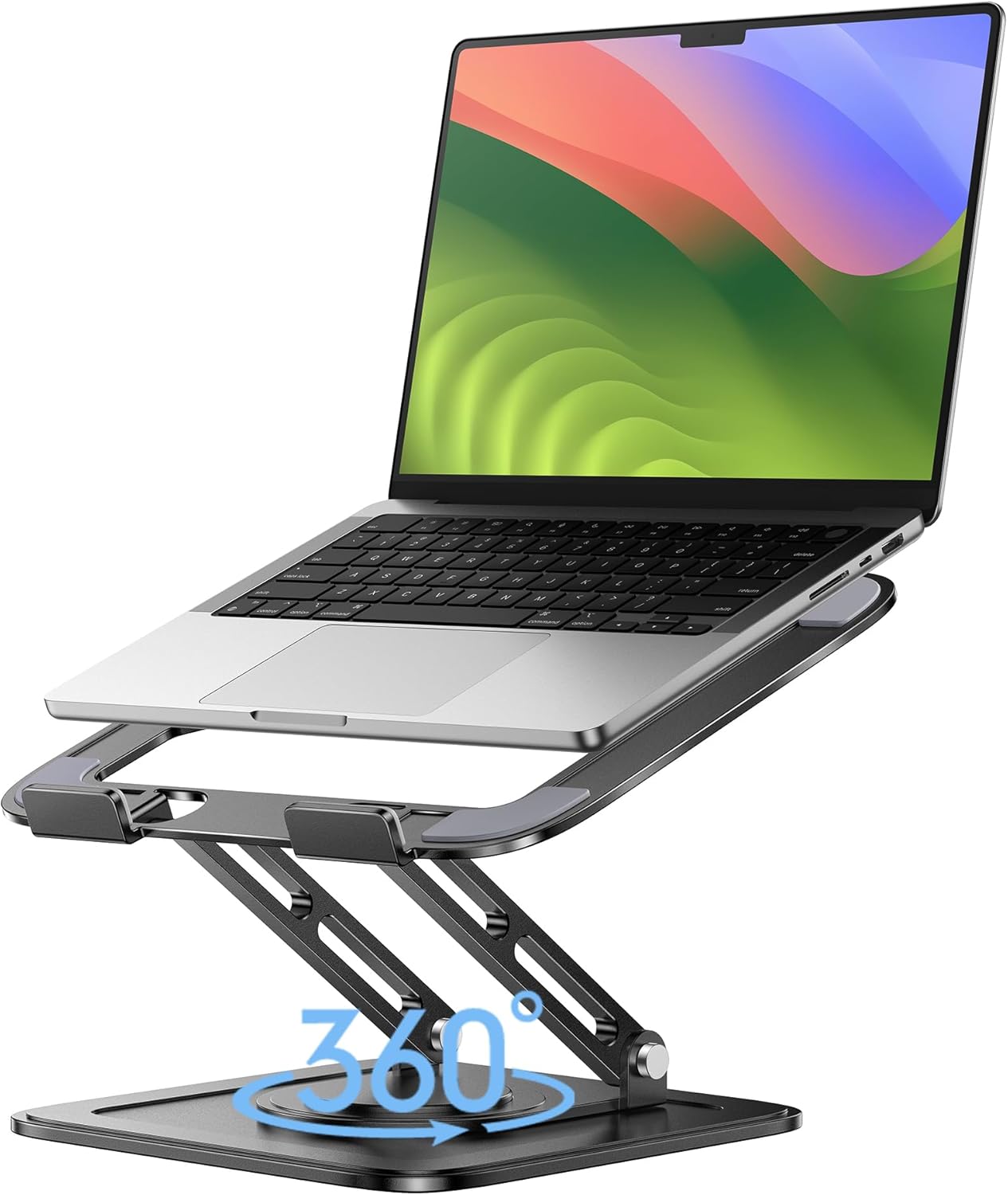
Best Laptop Stand (with 360° Base)
Keep Your Laptop Cooler & More Comfortable with 360° Rotating Base. Improve Airflow & Reduce Heat. Adjustable Height & Viewing Angle.
Shop on AmazonSometimes, updates introduce bugs that affect hardware functions or system stability. When this happens, rolling back the update or performing a manual installation of firmware and driver updates can stabilize your Surface again.
Knowing where to find these resources and how to apply fixes will help you restore your device efficiently without losing important data. For detailed troubleshooting, see guidance on fixing Surface update issues.

Immediate Steps If Your Surface Stops Working After an Update
When a Microsoft Surface device stops responding after an update, focus on specific actions to regain control. These include restarting the device properly, forcing a shutdown if needed, and accessing advanced startup options to troubleshoot further.
Each step addresses common issues related to update failures or system freezes.
Restart and Power Cycle Your Surface Device
Start by restarting your Surface normally. Press the power button briefly until the device powers off, then press it again to turn it on.
Look for the logo screen as confirmation your Surface is booting. If the screen remains blank or the device fails to respond, unplug all accessories and connect the original charger.
Leave it charging for at least 15 minutes before attempting to restart. To power cycle, hold the power button down for 20 seconds until the device shuts off completely.
This clears temporary system faults caused by the update. After releasing the button, wait a few seconds and press it again to power up your Surface.
Force Shutdown and Startup
If a typical restart doesn’t work, force a shutdown with a long press of the power button for about 20 seconds until the logo disappears. This ensures the device fully powers down and stops any stuck processes.
Once off, press the power button once to start your Surface fresh. If it boots to a blank or stuck screen, try the keyboard shortcut: Windows logo key + Ctrl + Shift + B.
This can wake your Surface from a frozen state. Charging your Surface during this process is crucial.
Problems often arise due to low or faulty power supply after an update. Use the original power adapter and verify the charger’s LED is on or blinking normally.
Boot into Safe Mode or Startup Settings
If your Surface still won’t start or is stuck after updates, boot into Safe Mode to diagnose further. To do this:
- Hold the power button and force the device to shut down.
- Turn it on and repeat shutdown three times to trigger Windows recovery mode.
- From recovery, select Startup Settings, then press Restart.
- After restart, you’ll see options; choose Safe Mode by pressing F4 or using the number keys.
Safe Mode loads only essential drivers and disables problematic updates or apps. You can uninstall updates or roll back drivers here, which often resolves post-update issues on Surface devices.
Identifying and Resolving Common Update Issues
When your Microsoft Surface stops working after an update, pinpointing the exact cause is essential. Understanding error codes, checking for software conflicts, and reviewing hardware status through Device Manager are key actions to help restore proper function.
Windows Update Error Codes and Messages
Windows Update error codes like 80072F8F and 8024004C indicate specific problems during the update process. Error 80072F8F often appears when your Surface’s date and time settings are incorrect.
Ensuring these are set accurately can resolve this error quickly. Error 8024004C relates to battery charge issues.
Your Surface must have at least a 40% battery level or be plugged in to successfully install updates. If you see this error, check your battery’s status and consider reinstalling the battery driver.
Pay attention to messages about updates being “pending restart” or the system freezing on screens like “Getting devices ready.” These can signal stalled updates requiring a forced restart.
Troubleshooting Windows Update Installation Problems
To fix update installation issues, start by running the Windows Update troubleshooter, which automatically detects and attempts to repair common problems. Access this via Settings > System > Troubleshoot > Other troubleshooters > Windows Update.
If updates continue to fail, try manually installing Surface updates from Microsoft’s official site. Charging the battery above 40% and ensuring a stable internet connection can also improve success.
Avoid interrupting updates mid-process. If your device appears stuck for more than 20 minutes on update screens, perform a controlled restart or force shutdown carefully to avoid damaging the system.
Checking for Software Conflicts
Software conflicts can block or corrupt updates. Security programs, antivirus software, or third-party system utilities might interfere with the Windows Update process on Windows 10 or 11.
To diagnose, temporarily disable or uninstall non-essential applications and retry the update. Monitor error messages for specific mentions of conflicts.
Running a clean boot helps isolate such conflicts by starting Windows with only essential drivers and services. This approach often resolves update issues related to third-party software.
Checking Device Manager for Hardware Issues
Hardware problems can prevent a smooth update installation. Open Device Manager by searching in the taskbar, then expand categories to check for devices marked with yellow warning icons.
Focus on critical hardware like batteries, display adapters, and system devices. In particular, under Batteries, you may find the “Microsoft ACPI-Compliant Control Method Battery.”
If issues appear, uninstall and reinstall the driver to fix charging-related errors affecting updates. Address hardware driver problems promptly, as outdated or corrupted drivers can halt the update process or cause your Surface to malfunction after installing updates.
Advanced Troubleshooting for Surface Devices
If your Microsoft Surface stops working after an update, several tools and methods can help you address the issue. These include using built-in troubleshooters, managing drivers and firmware, manually installing updates, and leveraging specialized diagnostic software designed for Surface devices.
Run the Windows Update Troubleshooter
The Windows Update troubleshooter is your first step to resolve update-related problems. It automatically detects and fixes common issues preventing updates from installing.
To run it, go to Start > Settings > System > Troubleshoot > Other troubleshooters. Then select Windows Update and click Run.
This tool checks for corrupted files, incorrect settings, and services that may be blocking updates. After it completes, restart your device and try installing the updates again.
If errors persist, note down any error codes the troubleshooter provides, as they can guide more specific fixes.
Update or Reinstall Drivers and Firmware
Outdated or corrupted drivers and firmware can cause your Surface to malfunction after an update. Use the official Microsoft sources to download the latest drivers and firmware for Surface.
You can update drivers through Device Manager: expand the category, right-click the driver, and choose Update driver. If updates don’t resolve issues, uninstall the driver (such as the battery driver) and restart your device.
Windows will reinstall the latest version automatically. Firmware updates are critical as they ensure the hardware runs smoothly with the new software.
Always keep your device plugged in and allow firmware updates to complete fully.
Manual Installation of Surface Updates
If automatic updates fail repeatedly, you can manually download and install Surface updates. Visit the Microsoft site for the latest update files specific to your Surface model.
Make sure you choose files labeled for your device and that you only install firmware and driver updates this way, not general Windows updates. To install, download the package, open it, and follow the on-screen instructions.
Manually installing updates can fix glitches related to update interruptions or corrupted download files. Keep your device connected to power and maintain an active internet connection during this process.
Using the Surface Diagnostic Toolkit
The Surface Diagnostic Toolkit is a comprehensive tool designed to identify hardware and software problems specific to Surface devices. Download and run this toolkit to perform automated tests and repairs on battery, touchscreen, Wi-Fi, and other components.
The toolkit gives step-by-step guidance through diagnostic results and offers direct repair options or instructions on when to seek professional service. It covers both Surface driver and firmware issues that other Windows-based troubleshooters might miss.
Using this tool after attempts with basic troubleshooting can save time and avoid unnecessary system resets or service visits. Learn more about its features and download options through official Microsoft support pages.
Resetting, Restoring, or Getting Further Help
If your Microsoft Surface is not working properly after an update, you have options to restore its functionality. You can reset or restore the device to factory settings to fix software issues.
If problems persist, seeking professional support or checking hardware conditions is important to avoid prolonged downtime.
Restore or Reset Surface Device
You can reset your Surface through Settings > System > Recovery, then select Reset this PC. Choose between Keep my files to reinstall Windows without deleting personal data or Remove everything to erase all files and apps, which is useful if you plan to sell or recycle the device.
You can also pick between a Cloud download or Local reinstall; cloud is preferable for ensuring the latest installation files. If Windows won’t start, create a USB recovery drive from another PC to reinstall the system.
This process resets your Surface to factory defaults, removing apps and settings but fixing update-related errors. Resetting is often the most effective step when regular troubleshooting fails.
Seek Help from Microsoft Support and Community
If resetting doesn’t resolve your issues or you encounter errors during the process, contact Microsoft Support. They can assist with diagnosing both software and hardware problems specific to Surface devices.
Additionally, the Microsoft Community forums are valuable for troubleshooting tips shared by other users facing similar update problems. You may find solutions for less common issues and detailed guidance tailored to your Surface model and Windows version.
Document your error messages and actions taken before reaching out to speed up support.
Check for Persistent Hardware Problems
After software resets, if your Surface continues to malfunction, hardware problems could be the culprit. Faulty components like SSDs, RAM, or battery issues can cause crashes or failure to boot after updates.
Perform a hardware diagnostic or seek professional repair services authorized by Microsoft. Avoid attempting internal repairs yourself, as this may void warranties or cause further damage.
More troubleshooting details are available on how to restore or reset Surface devices.