
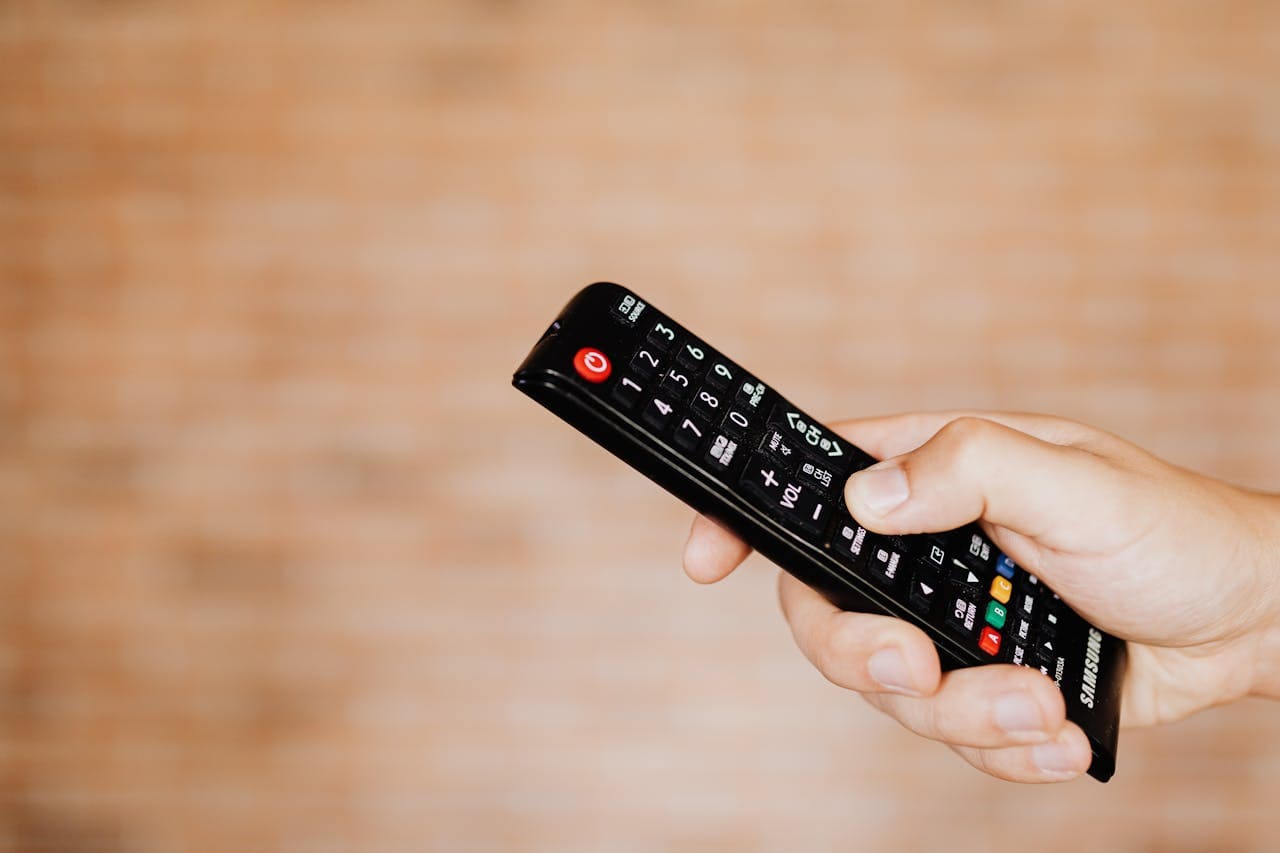
If your Samsung TV isn’t bright enough, the most common cause is that the Eco Sensor or Ambient Light Detection feature is turned on, which automatically dims the screen based on the surrounding light. Disabling this feature will often restore your TV’s brightness to a more comfortable level.
Your picture mode or energy-saving settings might also be limiting brightness. Adjusting these and increasing the backlight setting can improve screen clarity without sacrificing image quality. Sometimes, issues with the backlight itself can cause dim screens, which may require professional repair.
Understanding how your TV’s settings and features impact brightness gives you the control to fix a dull screen quickly. This article will guide you through practical steps to make your Samsung TV brighter and more enjoyable to watch. For more details, see how to troubleshoot Samsung TV screen brightness.
Amazon Fire TV Stick HD
Turn Any TV to a Smart TV. Stream Netflix, Prime Video & More. Alexa Voice Remote Included. Easy Plug & Play Setup.
Shop on Amazon
Why Your Samsung TV Is Not Bright Enough
When your Samsung TV screen appears dimmer than expected, multiple factors could be involved. These range from settings that automatically adjust brightness to potential hardware issues or the type of content you’re watching. Understanding these details can help you pinpoint the cause and decide on the proper fix.
Common Symptoms of Low Brightness
You might notice the screen looks dull or washed out even in well-lit rooms. Colors could seem muted, and details in darker scenes may get lost. Sometimes, the brightness changes unexpectedly during playback, flickering between bright and dim.
Low brightness often affects the entire screen but can also appear uneven, with some areas darker than others. Another symptom is when your TV seems perfectly fine with some content but unusually dark with others.
Pay attention if the dimness occurs only after certain updates or when specific modes like Eco Sensor or power-saving features are active on your Samsung Smart TV.
How Ambient Light Detection Affects Screen Brightness
Samsung TVs often use ambient light detection via an Eco Sensor to adjust screen brightness automatically according to room lighting. This feature dims the screen in darker rooms to reduce eye strain and saves energy by lowering power consumption.
While useful, this can cause your TV to look too dark, especially if the sensor misreads ambient light or if you’re watching content that is naturally darker. You can disable this feature by navigating to Menu > Settings > All Settings > General & Privacy > Power and Energy Saving and turning off the Eco Sensor or Brightness Optimization.
Keep in mind that turning off this setting means your TV will maintain a static brightness level regardless of room lighting changes, which might increase power use.
Identifying Backlight and Hardware Issues
The backlight controls how much light your screen emits. If your Samsung TV’s backlight setting is too low, the screen can seem dim, even if brightness and contrast settings are high. You can adjust the backlight by going to Picture > Expert Settings > Backlight.
Hardware problems can also reduce screen brightness. Signs include uneven dimming, flickering, or the screen going black while sound continues. These symptoms could indicate a failing backlight panel or inverter issues.
Running diagnostics via your TV’s support menu can help identify hardware faults. If you encounter persistent issues after adjusting settings, professional repair might be necessary.
Recognizing Issues from External Devices and Streaming Content
Sometimes the problem is not with your Samsung TV itself but with connected devices or the content source. Streaming devices may output video in SDR mode when HDR is supported, resulting in a dimmer picture.
Additionally, certain streaming apps or low-quality video files can appear darker due to encoding or compression. Make sure your streaming device and apps are updated and set to output HDR if your TV supports it.
Check HDMI cables and inputs too. Damaged or loose connections might cause the screen to lose brightness or picture quality. Testing multiple sources can help isolate whether the cause is external or within the TV.
For more detailed troubleshooting steps, see this guide on how to troubleshoot screen brightness issues on Samsung TVs.
Key Samsung TV Settings That Impact Brightness
Your Samsung TV’s brightness is affected by several adjustable settings that control how light and contrast behave on screen. These settings work together to shape picture brightness, which you can customize based on your room’s lighting and viewing preferences. Understanding these key features helps you avoid common issues like dimming or washed-out images.
Adjusting Backlight and Brightness Setting
The backlight setting controls the intensity of the light source behind your TV’s screen. Increasing the backlight boosts overall brightness without affecting the image’s contrast ratio. This is especially useful in bright rooms where you need more light to see details clearly.
The brightness setting adjusts the black level on your screen, determining how dark or light shadows appear. Raising brightness makes dark areas lighter but can reduce contrast if set too high. For a well-balanced picture, start by increasing backlight first, then fine-tune brightness to avoid washing out the image.
Adjust these settings by navigating to Menu > Settings > Picture on your Samsung TV. Adjust based on your ambient lighting: brighter rooms benefit from higher backlight, while dim environments suit lower backlight to reduce eye strain.
Disabling Contrast Enhancer and Brightness Optimization
Samsung TVs include features like Contrast Enhancer and Brightness Optimization that automatically adjust picture brightness and contrast based on content and room lighting. While these are designed to improve viewing, they can cause your TV to dim or brighten unpredictably, disrupting your viewing experience.
Turning off Contrast Enhancer stops automatic adjustments that exaggerate differences between light and dark areas, which can sometimes reduce overall brightness. Similarly, disabling Brightness Optimization prevents the screen from dimming based on ambient light sensors.
To disable these, go to Menu > Settings > Picture > Expert Settings (for Contrast Enhancer) and Menu > Settings > General & Privacy > Power and Energy Saving (for Brightness Optimization). This allows you full manual control over picture brightness without automatic fluctuations.
Managing Motion Lighting and Brightness Reduction
Motion Lighting is a feature that adjusts brightness dynamically based on the amount of movement on screen. It reduces brightness during fast motion to save energy but can cause the picture to appear dimmer than desired.
Brightness Reduction is another energy-saving function that lowers the backlight to conserve power, often triggered by low ambient light or specific content types.
Both settings can cause a Samsung TV to dim unexpectedly during your viewing. You can disable these features similarly under Menu > Settings > General & Privacy > Power and Energy Saving. Turning off Motion Lighting and Brightness Reduction stabilizes screen brightness, ensuring consistent picture brightness regardless of screen activity or environmental conditions.
Switching Picture Modes: Dynamic Mode vs Standard Mode
Samsung TVs offer several picture modes, with Dynamic Mode and Standard Mode being the most common.
Dynamic Mode maximizes brightness, color saturation, and contrast to create a vivid image. It’s ideal for brightly lit rooms but can sometimes cause eye strain or an overly harsh picture in darker environments.
Standard Mode provides balanced brightness and color that suit most viewing conditions, offering comfortable eye experience with less power consumption.
Switch between these modes in your TV’s picture settings under Menu > Settings > Picture > Picture Mode. Choose Dynamic Mode for well-lit rooms when you need max brightness, and Standard Mode for more natural and steady picture brightness in moderate lighting. Adjust other picture parameters as needed to optimize your viewing experience.
For additional detail on adjusting brightness in different modes, see this guide on adjusting brightness on Samsung TV.
Advanced Troubleshooting and Fixes
Fixing brightness issues on your Samsung TV sometimes requires deeper actions beyond basic adjustments. You will explore ways to safely reset settings, check and apply software updates, handle local dimming problems, and know when professional help is needed.
Resetting Picture Settings Safely
If your Samsung TV’s screen is still too dark, resetting the picture settings can often clear out conflicting adjustments without affecting other preferences. Go to Settings > Picture > Expert Settings, then select Reset Picture. This action restores all picture parameters such as brightness, contrast, and backlight to their default values.
Do this only after noting your custom settings, as you will lose any fine-tuning you previously made. Resetting helps dissolve hidden issues caused by incorrect configuration or software quirks without impacting your apps or network settings.
Avoid factory resetting the whole TV if picture-only issues are your concern, as that deletes all personalized data and requires full reconfiguration.
Checking for Software Updates
Outdated firmware can cause brightness and picture quality problems. You should routinely check for and install the latest software to fix bugs and improve TV performance.
To do this, navigate to Settings > Support > Software Update, then select Update Now if an update is available. Ensure your TV is connected to the internet during this process. This step not only addresses brightness issues but also enhances overall system stability.
If the TV refuses to update or continues dimming after updates, a manual firmware installation from Samsung’s official website or contacting support may be necessary.
Resolving Local Dimming Issues
Local dimming aims to improve contrast by dimming parts of the screen in dark scenes. However, it can sometimes cause uneven brightness or make the image appear too dark overall.
You can adjust or disable local dimming via Settings > Picture > Expert Settings, then find the Local Dimming option. Setting it to Low or turning it off can reduce unwanted dimming effects.
Be aware that disabling local dimming may slightly lower contrast but will help if you notice inconsistent lighting or overly dark scenes. If problems persist, it might indicate a hardware issue with backlight components or the dimming system itself.
When to Contact Samsung Support or Repair
If brightness remains inadequate despite troubleshooting, it could signal hardware failures such as faulty backlights or malfunctioning sensors. Persistent flickering, uneven lighting, or no improvement after resets suggest professional diagnosis is needed.
Before contacting Samsung support, confirm you have tried turning off Eco Sensor or Ambient Light Detection, updated firmware, and reset picture settings. Provide them your TV model and detailed behavior.
Samsung technicians can guide you through advanced fixes or arrange repairs. Avoid unnecessary DIY repairs if your TV is under warranty to prevent voiding it or further damage. For out-of-warranty units, professional help ensures safe and proper replacement of critical components like backlights.
For more details on disabling automatic dimming features and local dimming adjustments, visit this comprehensive Samsung TV troubleshooting guide.
Maximizing Picture Quality for Every Viewing Environment
Your Samsung TV’s brightness and picture quality depend heavily on precise adjustments tailored to your room’s lighting and the type of content you watch. Managing settings carefully ensures you get clear, vivid images without unnecessary strain or wasted power.
Calibrating Picture Settings for Optimal Brightness
Start with the Picture Mode—switch from the default Dynamic or Vivid mode to Movie or Filmmaker Mode for improved color accuracy and less eye strain. These modes provide the most balanced brightness suitable for various room conditions.
Adjust the Backlight setting rather than Brightness to control perceived brightness. For bright rooms, set the backlight between 12-15, while reducing it for darker environments prevents eye fatigue and preserves detail. Also, disable Auto Motion Plus to avoid artificial image smoothing that can reduce clarity.
Fine-tuning Contrast and Color Temperature matters too. Set contrast between 45-50 for balanced shadow and highlight detail. Use Warm1 or Warm2 color temperature for realistic, natural skin tones.
Adapting TV Settings for HDR and SDR Content
Your TV handles HDR and SDR content differently, which influences the brightness you experience. HDR (High Dynamic Range) offers intense brightness for highlights but can look dim if settings aren’t optimized.
Enable Input Signal Plus in your settings to ensure HDR content is properly recognized and displayed. For HDR viewing, increase the backlight but avoid raising brightness, as it affects shadow detail.
For SDR (Standard Dynamic Range) programs, sticking with Movie or Filmmaker Mode and lower backlight provides the best image fidelity. You might need to toggle settings if switching frequently between HDR and SDR sources to maintain perfect brightness and color balance.
Balancing Power and Energy Saving with Picture Quality
Samsung TVs offer power-saving modes that reduce backlight intensity to save energy, but these can dim the picture excessively. If your display looks too dark, check if Energy Saving or Eco Sensor is enabled and adjust or disable it for better brightness.
Optimizing brightness and backlight manually is more effective than relying solely on power-saving presets when picture quality is a priority. Also, remember that turning energy-saving features off will increase power consumption but enhances brightness and viewing comfort in well-lit rooms.
To balance power and quality, you can experiment with moderate backlight levels and keep energy-saving features active only during less critical viewing periods.