
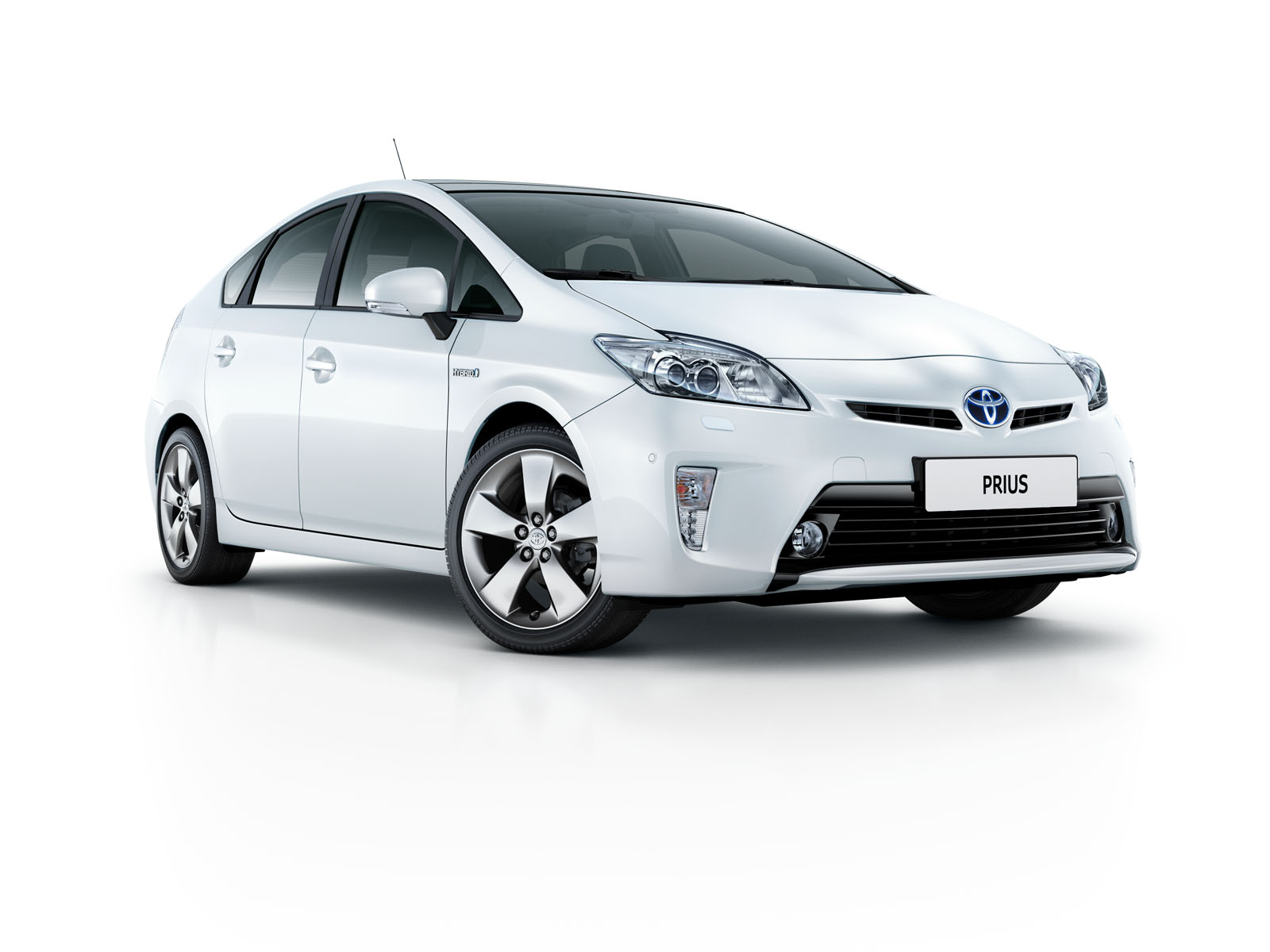
When your Toyota Prius headlights suddenly stop working, you’re not just facing an inconvenience—you’re dealing with a serious safety hazard that demands immediate attention.
The most common reasons your Toyota Prius headlights aren't working include burned-out bulbs, blown fuses, faulty headlight relays, corroded wiring connections, defective ballasts in HID systems, or problems with the headlight control module.

Why Prius Headlights Fail
Your Toyota Prius headlight system is more complex than traditional vehicles, incorporating advanced technologies like HID (High Intensity Discharge) bulbs, automatic leveling systems, and computer-controlled switching. This complexity creates multiple potential failure points that can leave you driving in the dark.
The electrical pathway for your Prius headlights starts with the headlight switch, travels through various relays and fuses, and ends at the headlight assemblies themselves. When any component in this chain fails, your headlights can stop working partially or completely.

Best Bluetooth OBD2 Scanner
Detect 39,000+ Issues With Enhanced Codes. Save $1000s on car repairs & buying used vehicles by diagnosing problems yourself.
Shop on AmazonModern vehicle lighting systems have become increasingly sophisticated, but this complexity also means more potential failure points.
National Highway Traffic Safety Administration
Different Prius generations have varying headlight configurations. Earlier models (2004-2009) commonly use HID systems with ballasts, while newer models may use LED or standard halogen bulbs. Toyota’s service bulletins document specific issues for each generation.
Bulb Burnout Issues
Headlight bulbs naturally wear out over time, but Prius models face unique challenges. HID bulbs typically last 2,000-3,000 hours, while halogen bulbs last 500-1,000 hours. However, electrical issues specific to hybrid vehicles can cause premature bulb failure.
Voltage fluctuations during hybrid system operation can stress headlight bulbs beyond their normal operating parameters. This is particularly common in 2010-2015 Prius models where the hybrid battery system occasionally sends irregular voltage to electrical components.
When one bulb fails, the remaining bulb often follows within weeks due to increased electrical load. The surviving bulb works harder to compensate, generating more heat and reducing its lifespan significantly.
Heat is the primary enemy of headlight bulbs, and electrical irregularities can accelerate the aging process dramatically.
Automotive Lighting Association
For replacement bulbs, consider using high-quality LED headlight bulbs that offer longer life and better performance compared to standard halogen options.
Blown Fuse Problems
Headlight fuses protect the electrical circuit from overload conditions. When a fuse blows, it completely cuts power to the affected circuit, leaving you with non-functional headlights. Prius models typically have separate fuses for each headlight circuit.
Common causes of blown headlight fuses include short circuits in wiring, water infiltration into electrical connections, and component failures elsewhere in the system. The fuse box location varies by model year, but most are found under the hood or inside the vehicle.
Your Prius headlight fuses are typically rated between 10-20 amps, depending on the specific circuit. Capitol Toyota’s service department reports that blown fuses account for approximately 30% of headlight failures in Prius vehicles.
Relay Malfunctions
Headlight relays act as electrical switches, controlling power flow to your headlights. When you turn on your headlights, the relay receives a signal and closes the circuit, allowing current to flow to the bulbs. Faulty relays can cause complete headlight failure or intermittent operation.
Signs of relay problems include headlights that work sporadically, clicking sounds from the relay box when operating the headlight switch, and headlights that work only on high beam or low beam settings.
Most Prius models have multiple headlight relays located in the engine compartment fuse box. Testing relays involves swapping them with identical relays to see if the problem follows the relay.
HID System Failures
Many Prius models use HID headlights that require ballasts to operate. The ballast converts 12-volt DC power to the high-voltage AC power needed for HID bulbs. When ballasts fail, the affected headlight stops working completely.
Ballast failures often occur gradually, with symptoms including flickering lights, delayed startup, or color changes in the light output. Consumer Reports reliability data shows that 2004-2009 Prius models experience higher ballast failure rates compared to newer generations.
HID ballasts are expensive components, typically costing $150-300 each. Many owners choose to convert to LED systems rather than replace failed ballasts, as LED conversions offer better reliability and lower long-term costs.
HID systems provide excellent light output but require more complex electronics that can fail over time.
International Association of Lighting Professionals
Wiring and Connection Problems
Electrical connections throughout the headlight system can corrode, loosen, or break over time. This is particularly common in areas exposed to moisture, road salt, and temperature extremes. Poor connections create resistance that can cause dim lighting or complete failure.
Common problem areas include the headlight connector plugs, ground connections, and wiring harnesses near the front of the vehicle. Corrosion appears as white or green deposits on metal connections and must be cleaned for proper operation.
Water infiltration is a frequent cause of electrical problems in Prius headlight systems. The hybrid vehicle’s complex electrical system is particularly sensitive to moisture-related issues.
Control Module Issues
Modern Prius models use computer modules to control headlight operation, including automatic on/off functions and beam pattern adjustments. When these modules fail, headlights may not respond to switch inputs or may operate incorrectly.
Module failures often trigger dashboard warning lights and may be accompanied by other electrical problems. Professional diagnosis with Toyota’s diagnostic equipment is usually required to identify module-related issues.
Step-by-Step Diagnosis
Follow these systematic steps to identify your Prius headlight problem:
- Check both headlights – Determine if one or both sides are affected
- Test high and low beams – Verify which functions work and which don’t
- Inspect headlight fuses – Look for blown fuses in both fuse boxes
- Check headlight relays – Swap relays with identical units to test
- Examine bulbs visually – Look for burned filaments or damaged bulbs
- Test voltage at bulbs – Use a multimeter to verify power delivery
- Inspect wiring connections – Check for corrosion, damage, or loose connections
- Check ground connections – Ensure proper grounding throughout the system
For comprehensive electrical testing, consider using a professional automotive multimeter that can accurately measure voltage, current, and resistance in 12-volt systems.
Repair Cost Breakdown
Headlight repair costs vary significantly based on the underlying problem:
| Component | Part Cost | Labor Cost | Total Cost |
|---|---|---|---|
| Halogen Bulb | $15-30 | $50-80 | $65-110 |
| HID Bulb | $80-150 | $75-120 | $155-270 |
| Headlight Fuse | $2-5 | $30-50 | $32-55 |
| Headlight Relay | $20-40 | $40-70 | $60-110 |
| HID Ballast | $150-300 | $100-200 | $250-500 |
| Wiring Repair | $50-150 | $100-250 | $150-400 |
Labor rates vary by location and shop type. YourMechanic’s cost estimates show that dealership rates typically run 20-30% higher than independent shops.
Professional Help
Some headlight problems require professional diagnosis and repair, particularly those involving HID systems, control modules, or complex wiring issues. Signs that you need professional assistance include multiple electrical problems, dashboard warning lights, or diagnostic trouble codes.
Dealership technicians have access to Toyota’s proprietary diagnostic tools and can perform module programming that independent shops may not offer. However, independent ASE-certified shops often provide more affordable solutions for common headlight problems.
Before authorizing expensive repairs, request detailed explanations of the problem and estimated costs. Reputable shops will provide written estimates and explain their diagnostic findings clearly.
Professional diagnosis prevents unnecessary part replacement and ensures complex electrical systems are properly repaired.
National Institute for Automotive Service Excellence
Prevention Strategies
Regular maintenance can prevent many headlight problems before they develop. Keep your electrical system healthy by maintaining clean battery terminals, protecting connections from moisture, and addressing electrical issues promptly.
During routine maintenance, have your technician check headlight operation, inspect visible wiring, and clean connections as needed. This proactive approach can identify developing problems before they cause complete headlight failure.
Consider upgrading to LED headlights if your Prius uses halogen bulbs. LED systems offer longer life, better efficiency, and greater reliability compared to traditional lighting technologies.
Video Credit: car PROblems / YouTube
Frequently Asked Questions
Why do my Prius headlights work intermittently?
Intermittent headlight operation typically indicates loose connections, failing relays, or problems with the headlight control module. Temperature changes can cause poor connections to work sometimes and fail other times, particularly in older vehicles with corroded wiring.
HID ballasts can also cause intermittent operation as they begin to fail. The ballast may work when cold but fail when heated up, or vice versa. This type of failure pattern often worsens over time until the headlight stops working completely.
Start by checking all visible connections for corrosion or looseness. If connections look good, the problem likely involves internal component failures that require professional diagnosis.
Can I drive my Prius safely with one headlight out?
While your Prius will operate with one headlight, driving with reduced lighting is dangerous and illegal in most states. Police can cite you for equipment violations, and insurance companies may question coverage if you’re involved in an accident with known lighting defects.
More importantly, single headlight operation significantly reduces your visibility and makes it harder for other drivers to judge your distance and speed. This is particularly dangerous during dawn, dusk, and nighttime driving conditions.
Replace failed headlights promptly to maintain safe driving conditions and avoid potential legal issues. Most states require functioning headlights for vehicle registration renewal.
How long do Prius headlight bulbs typically last?
Halogen bulbs in Prius models typically last 500-1,000 hours of operation, which translates to 2-3 years of normal driving. HID bulbs last longer, typically 2,000-3,000 hours or 4-6 years under normal conditions.
However, electrical irregularities common in hybrid vehicles can significantly reduce bulb life. Voltage fluctuations during hybrid system operation can stress bulbs beyond their normal operating parameters, causing premature failure.
LED bulbs offer the longest life, typically lasting 10-15 years under normal conditions. While more expensive initially, LED bulbs often provide better long-term value through reduced replacement costs.
Should I replace both headlight bulbs at the same time?
Yes, replacing both bulbs simultaneously is strongly recommended, even if only one has failed. Headlight bulbs from the same manufacturing batch have similar lifespans, so the second bulb will likely fail within weeks of the first.
Replacing both bulbs ensures matched light output and color temperature, providing better visibility and appearance. It also saves labor costs since the technician is already accessing the headlight assemblies.
Additionally, having one new bulb and one old bulb can create uneven lighting that may not provide optimal visibility during nighttime driving.
Are aftermarket headlight bulbs as good as OEM parts?
Quality aftermarket bulbs can perform as well as or better than OEM parts, but choosing reputable brands is crucial. Premium aftermarket manufacturers like Philips, Osram, and Sylvania offer bulbs that meet or exceed OEM specifications.
Avoid cheap, no-name bulbs that may not meet safety standards or could damage your electrical system. Look for bulbs with DOT approval and warranties from established manufacturers.
StartMyCar’s technical data shows that high-quality aftermarket bulbs often provide better performance and longer life than original equipment, particularly when upgrading to LED technology.
Sources:
- Toyota Official Recall Information
- Consumer Reports Toyota Prius Data
- Capitol Toyota Service Information
Read More:
- Toyota Prius Horn Not Working (Quick Fixes That Actually Work)
- Prius Key Fob Not Working? Get Your Remote Working Again
- Toyota Prius Dashboard Lights Not Working? Fix This Issues Fast