
The Toyota Prius has revolutionized hybrid technology, but like any vehicle, it faces specific issues that owners need to understand and address.
The most common Toyota Prius problems include hybrid battery degradation, 12V battery failures, catalytic converter theft, brake system issues, excessive oil consumption, touchscreen malfunctions, and accelerated wear of interior components due to the unique hybrid powertrain demands.
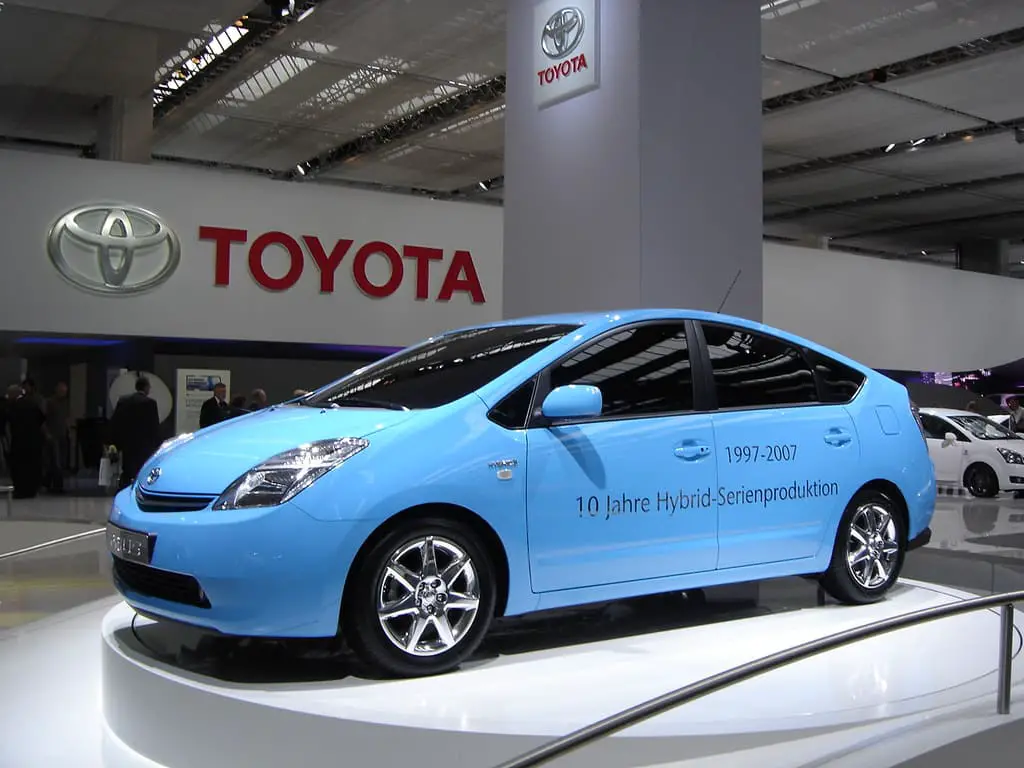
Hybrid Battery Issues
The hybrid battery pack represents both the Prius’s greatest strength and its most significant potential weakness. This nickel-metal hydride (NiMH) or lithium-ion battery system powers the electric motor and stores energy from regenerative braking, but it doesn’t last forever.
Most Prius hybrid batteries begin showing signs of degradation between 100,000-150,000 miles, though some last well beyond 200,000 miles with proper maintenance. Greentec Auto research indicates that battery lifespan varies significantly based on driving patterns, climate conditions, and maintenance history.
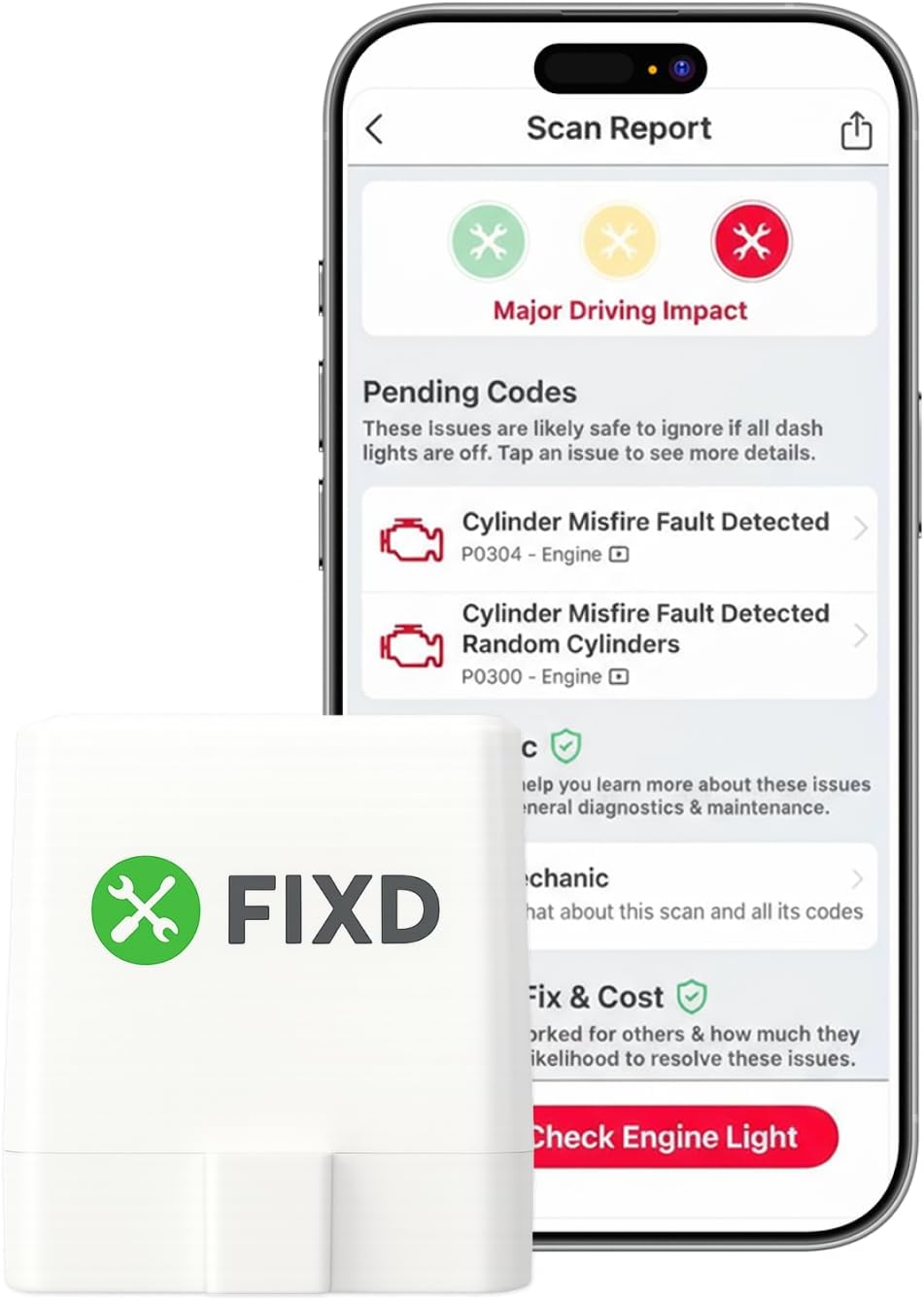
Best Bluetooth OBD2 Scanner
Detect 39,000+ Issues With Enhanced Codes. Save $1000s on car repairs & buying used vehicles by diagnosing problems yourself.
Shop on AmazonBattery degradation symptoms include reduced fuel economy, frequent engine cycling, diminished power during acceleration, and dashboard warning lights. The battery check system constantly monitors individual cell voltages, and when cells become unbalanced, overall performance suffers dramatically.
Hybrid batteries are complex systems that require specialized knowledge for proper diagnosis and replacement.
Toyota Technical Training Institute
Replacement costs vary widely, from $2,000-4,000 for a new battery to $1,000-2,500 for refurbished units. Many owners choose to have individual bad cells replaced rather than replacing the entire pack, which can extend battery life at a lower cost.
For battery monitoring and maintenance, consider investing in a professional OBD2 scanner designed for hybrids that can read battery cell voltages and hybrid system codes.
12V Battery Problems
The 12V auxiliary battery in your Prius serves a different role than in conventional vehicles. Instead of starting the engine, it powers the hybrid system startup sequence and maintains electrical systems when the car is off. This battery faces unique stresses in hybrid applications.
12V battery failures are particularly common in 2024 Prius models, with some owners reporting multiple failures within the first year. The problem often relates to the battery management system being overly conservative about charging the 12V battery, especially when the vehicle remains plugged in for extended periods.
Signs of 12V battery problems include inability to start the hybrid system, random electrical glitches, and warning messages about checking the battery. Unlike conventional cars, a weak 12V battery in a Prius can prevent the entire hybrid system from operating.
Battery Replacement Costs
Understanding replacement costs helps you budget for inevitable battery maintenance:
| Battery Type | New OEM | Refurbished | Cell Replacement | Labor Cost |
|---|---|---|---|---|
| Gen 2 (2004-2009) | $3,000-4,000 | $1,500-2,500 | $500-1,000 | $300-500 |
| Gen 3 (2010-2015) | $3,500-4,500 | $2,000-3,000 | $800-1,200 | $400-600 |
| Gen 4 (2016-2021) | $4,000-5,000 | $2,500-3,500 | $1,000-1,500 | $500-700 |
| 12V Auxiliary | $150-300 | N/A | N/A | $100-200 |
Catalytic Converter Theft
Toyota Prius vehicles are prime targets for catalytic converter theft due to the high concentration of precious metals in their converters. CarParts.com data shows that Prius models, particularly 2004-2009 generations, experience catalytic converter theft at rates significantly higher than other vehicles.
The theft process takes only minutes and typically occurs in parking lots, driveways, and public areas. Thieves target Prius vehicles because the catalytic converters are easily accessible and contain more precious metals than conventional vehicles due to the intermittent engine operation.
Preventive measures include installing anti-theft shields, parking in well-lit areas, using security cameras, and considering comprehensive insurance coverage. Motor Trend testing shows that properly installed shields can significantly deter theft attempts.
Catalytic converter theft has become an epidemic targeting hybrid vehicles specifically for their valuable precious metal content.
National Insurance Crime Bureau
Replacement costs range from $2,000-5,000 depending on your model year and local labor rates. Some insurance companies now offer discounts for vehicles equipped with anti-theft devices.
Brake System Challenges
Prius brake systems combine traditional friction brakes with regenerative braking, creating unique maintenance challenges. The regenerative system captures energy during braking and sends it back to the hybrid battery, reducing wear on traditional brake pads but creating other issues.
Brake pads often last 60,000-100,000 miles due to reduced friction brake usage, but this extended lifespan can cause brake rotor corrosion and uneven wear patterns. TopSpeed automotive analysis identifies brake system complexity as one of the most common hybrid vehicle problems.
Many Prius owners experience brake pedal feel issues, including a “spongy” pedal sensation and delayed response when switching between regenerative and friction braking. These characteristics are normal for hybrid systems but can be concerning for drivers unfamiliar with the technology.
Regular brake system inspections are crucial because the reduced brake usage can mask developing problems. Brake fluid should be changed every 3-4 years regardless of mileage to prevent corrosion in the complex brake system components.
Oil Consumption Problems
Certain Prius model years, particularly 2010-2014, experience excessive oil consumption that can lead to engine damage if not addressed. CarParts.com reliability research identifies oil consumption as one of the most commonly reported mechanical issues across multiple Prius generations.
Excessive oil consumption typically appears as burning oil through the combustion chambers rather than external leaks. Symptoms include blue smoke from the exhaust, low oil level warnings, and the need to add oil between scheduled changes.
The problem often stems from piston ring design issues or carbon buildup in the combustion chambers. Some model years have extended warranties or technical service bulletins addressing these issues, so check with Toyota for any applicable coverage.
Monitor oil levels closely and address consumption issues promptly. Using high-quality oil and following proper change intervals can help minimize consumption problems. Consider using a premium synthetic oil specifically designed for hybrid vehicles to reduce consumption and improve engine protection.
Dashboard and Electronics
Prius vehicles rely heavily on electronic systems that can develop various problems over time. The Multi-Function Display (MFD) touchscreen is particularly prone to failure, especially in second and third-generation models.
Common electronic problems include unresponsive touchscreens, pixelated displays, intermittent system glitches, and complete MFD failure. These issues often require expensive repairs or complete unit replacement, with costs ranging from $500-2,000 depending on the problem’s complexity.
Climate control systems in Prius vehicles also experience unique problems due to their integration with the hybrid system. Electric air conditioning compressors can fail prematurely, and the complex control systems may malfunction in ways that affect both comfort and hybrid system efficiency.
Modern hybrid vehicles integrate dozens of electronic control modules that must communicate flawlessly for proper operation.
Society of Automotive Engineers
Interior Wear Issues
Prius interiors, particularly in high-mileage vehicles, experience accelerated wear in specific areas. The start button, gear selector, and door handles see heavy use and often fail prematurely. Dashboard materials can crack or fade, and seat wear patterns differ from conventional vehicles due to the unique driving characteristics.
Second-generation Prius models are particularly prone to dashboard cracking and instrument cluster failures. These cosmetic and functional issues can significantly impact resale value and daily usability.
Regular interior maintenance and protection can help minimize wear issues. Use UV protectants on dashboard surfaces and consider seat covers for high-mileage vehicles to preserve interior condition.
Maintenance Considerations
Prius vehicles require specialized maintenance procedures that differ from conventional cars. Regular hybrid system inspections, battery conditioning, and software updates are essential for optimal performance and longevity.
The following maintenance schedule helps prevent common problems:
- 5,000 miles: Oil change, visual inspection of hybrid components
- 10,000 miles: Tire rotation, brake system check, 12V battery test
- 30,000 miles: Transmission fluid change, cabin air filter replacement
- 60,000 miles: Brake fluid change, hybrid battery inspection
- 100,000 miles: Comprehensive hybrid system evaluation, coolant replacement
Many conventional service shops lack the equipment and training to properly maintain hybrid vehicles. Consumer Reports reliability data suggests that vehicles serviced at Toyota dealerships or hybrid specialists experience fewer problems than those serviced elsewhere.
Prevention Strategies
Preventing common Prius problems requires understanding the unique demands of hybrid technology. Gentle acceleration and braking patterns help extend battery and brake life. Regular short trips can stress the hybrid system, so occasional highway driving helps maintain optimal battery condition.
Climate considerations are crucial for Prius longevity. Extreme temperatures stress both the hybrid battery and 12V systems. Parking in shaded areas and using remote climate control can help minimize temperature-related stress on electrical components.
Software updates from Toyota address many electronic system problems and improve hybrid system efficiency. Regular dealership visits ensure your Prius receives the latest updates and technical service bulletin repairs.
Video Credit: 1A Auto: Repair Tips & Secrets Only Mechanics Know / YouTube
Frequently Asked Questions
How long do Toyota Prius hybrid batteries actually last?
Most Prius hybrid batteries last between 8-12 years or 100,000-150,000 miles under normal driving conditions. However, this varies significantly based on driving patterns, climate, and maintenance. City driving with frequent stop-and-go traffic actually helps extend battery life because the regenerative braking system keeps the battery active and properly conditioned.
Extreme temperatures, both hot and cold, can reduce battery lifespan. Vehicles in moderate climates typically see longer battery life than those in desert or arctic conditions. Regular use is actually beneficial for hybrid batteries, as vehicles that sit unused for long periods may experience faster degradation.
The good news is that battery technology has improved significantly across Prius generations, with newer models showing better longevity and more predictable degradation patterns.
Is it worth fixing an older Prius or should I buy a newer model?
The decision depends on your specific vehicle’s condition and repair costs. If your Prius has over 150,000 miles and needs a new hybrid battery, you’re looking at $2,000-4,000 in repairs. However, if the rest of the vehicle is in good condition, this investment can provide several more years of reliable service.
Consider the total cost of ownership including potential future repairs. A well-maintained older Prius with a new battery can be more cost-effective than purchasing a newer vehicle, especially given the current used car market prices.
Factor in your driving needs and timeline. If you plan to keep the vehicle for 3-5 more years, battery replacement often makes financial sense. For shorter ownership periods, trading for a newer model might be more practical.
Are Toyota Prius vehicles reliable despite these common problems?
Despite the issues mentioned, Prius vehicles generally rank above average in reliability studies. The problems discussed affect a minority of vehicles and often occur predictably with age and mileage. Many Prius owners report trouble-free operation well beyond 200,000 miles with proper maintenance.
The key is understanding what to expect and budgeting accordingly. Hybrid battery replacement is not an unexpected failure but rather a scheduled maintenance item, similar to timing belt replacement in conventional vehicles.
Most reliability issues stem from lack of understanding about hybrid-specific maintenance needs rather than fundamental design flaws. Owners who follow proper maintenance schedules and address issues promptly typically experience excellent long-term reliability.
How can I tell if my Prius hybrid battery is starting to fail?
Early warning signs include reduced fuel economy, more frequent engine operation during low-speed driving, and decreased power during acceleration. The energy flow display may show irregular charging patterns, and you might notice the engine running more often when stopped at traffic lights.
More advanced symptoms include dashboard warning lights, unusual battery cooling fan operation, and complete loss of electric-only driving capability. A professional hybrid battery test can detect cell imbalances before they cause noticeable performance problems.
Don’t ignore subtle changes in driving behavior or fuel economy. Early detection allows for proactive maintenance that can extend battery life and prevent more expensive repairs later.
What should I know about catalytic converter theft prevention for my Prius?
Catalytic converter theft is unfortunately common for Prius vehicles, particularly 2004-2009 models. The best prevention is installing a quality anti-theft shield, which costs $200-500 but can prevent thousands in replacement costs. Look for shields that bolt directly to the vehicle frame and cover the entire converter.
Parking strategies also matter. Choose well-lit areas with foot traffic when possible, and consider your driveway lighting and security camera placement. Some owners use motion-activated lights specifically positioned to illuminate the undercarriage area.
Insurance considerations are important too. Comprehensive coverage typically covers theft, but check your deductible amounts. Some insurers offer discounts for vehicles with anti-theft devices, which can offset the shield installation cost over time.
Sources:
- Toyota Official Reliability Information
- Consumer Reports 2024 Prius Reliability
- TopSpeed Hybrid Vehicle Problems
- Greentec Auto Battery Lifespan Research
Read More:
- Toyota Prius Horn Not Working (Quick Fixes That Actually Work)
- Toyota Prius Dashboard Lights Not Working? Fix This Issues Fast
- Prius Key Fob Not Working? Get Your Remote Working Again