

You’re standing in the TV aisle, wallet in hand, staring at two seemingly similar 65-inch displays. One costs $1,500, the other $800. Both promise stunning 4K pictures, smart features, and gaming capabilities. Here’s the kicker, the cheaper one might actually be the better choice.
While Samsung has long dominated the TV market with its brand recognition and premium reputation, Hisense has quietly revolutionized what you should expect from a television at any price point.
And if you’re like most shoppers who want maximum value without sacrificing performance, there are compelling reasons why Hisense deserves your attention over the Korean giant.
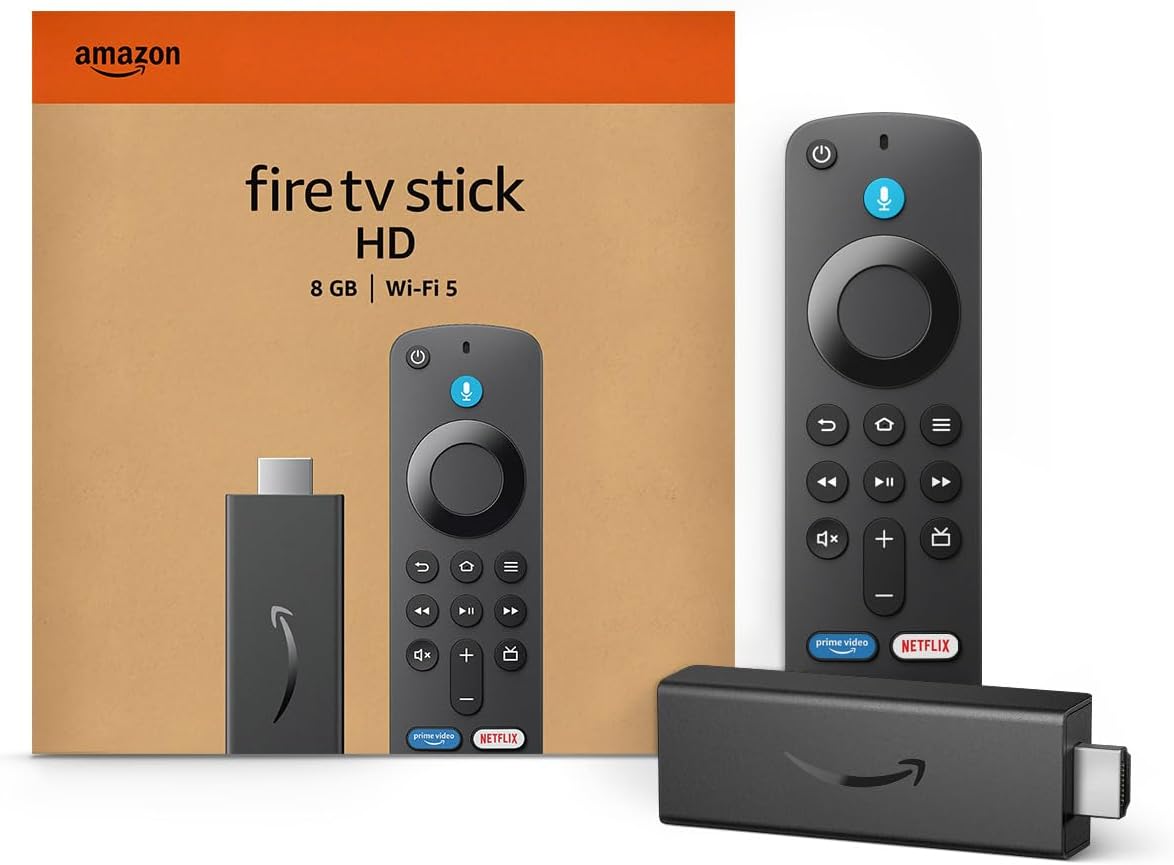
Amazon Fire TV Stick HD
Turn Any TV to a Smart TV. Stream Netflix, Prime Video & More. Alexa Voice Remote Included. Easy Plug & Play Setup.
Shop on Amazon
Superior Value For Money
When you compare spec sheets side by side, Hisense consistently delivers more bang for your buck across every category. It’s not just about being cheaper: it’s about getting features that Samsung reserves for models costing hundreds or even thousands more.
Lower Price Points Across All Screen Sizes
The price difference isn’t subtle. Whether you’re looking at a modest 32-inch TV for the bedroom or an eye-popping 116-inch centerpiece for your home theater, Hisense typically undercuts Samsung by 30-50% for comparable specifications.
Take the 75-inch category, where Samsung’s QLED models start around $1,800. Hisense offers similar quantum dot technology with their ULED series starting at $900. That’s not a typo, you’re literally saving enough to buy a decent sound system with the difference.
But here’s where it gets interesting. In the ultra-large screen segment (85 inches and above), the gap widens even further. Samsung’s 85-inch Neo QLED will set you back $3,000+, while Hisense‘s equivalent mini-LED model hovers around $1,500. You could literally buy two Hisense TVs for the price of one Samsung.
More Features At Every Price Tier
This is where Hisense really flexes. Their entry-level models include features that Samsung strips from anything below their mid-range lineup. Variable refresh rate for gaming? Hisense includes it at the $400 price point. Quantum dots for enhanced color? Standard on their U6 series. Mini-LED backlighting? Available under $1,000.
Meanwhile, Samsung’s budget lineup feels deliberately crippled. Want quantum dots? That’ll push you into QLED territory. Gaming features? Better step up to their Q70 series minimum. It’s like Samsung is playing a different game, one where they nickel and dime you for every meaningful upgrade.
Advanced Display Technology Options
Display technology is where TVs live or die, and Hisense has invested heavily in closing the gap with, and sometimes surpassing, Samsung’s offerings. They’re not just copying: they’re innovating in ways that benefit real-world viewing.
ULED And Quantum Dot Innovations
Hisense‘s ULED technology might sound like marketing speak, but it’s their comprehensive approach to picture enhancement that rivals Samsung’s QLED. Both use quantum dots to achieve wider color gamuts and better brightness, but Hisense combines this with full-array local dimming at price points where Samsung offers edge-lit panels.
The result? You’re getting 90% of Samsung’s QLED color performance with better black levels in many cases. Professional calibrations show Hisense ULED TVs hitting 95% of the DCI-P3 color space, essentially identical to Samsung QLEDs costing twice as much.
And because Hisense doesn’t artificially segment their lineup, these technologies trickle down to more affordable models faster.
Mini-LED Backlighting Excellence
Here’s where things get spicy. In head-to-head comparisons, Hisense‘s mini-LED implementation often matches or beats Samsung’s Neo QLED in contrast performance. We’re talking about thousands of dimming zones creating inky blacks right next to blazing highlights, the holy grail of LCD technology.
Hisense‘s U9K series, for instance, delivers contrast ratios that make Samsung’s similarly-priced models look washed out in comparison. During torture tests with starfield scenes, the Hisense maintains pinpoint stars against true black, while Samsung’s blooming becomes noticeable. Yet Samsung charges a premium for their “Neo” branding when Hisense quietly delivers the same or better performance for less.
Gaming Performance And Features
Gamers have specific needs, and both brands know it. But while Samsung markets heavily to this audience, Hisense actually delivers the goods without the marketing markup.
Variable Refresh Rate Support
Both brands support VRR, but here’s the difference, Hisense includes it on models starting around $500, while Samsung gates this feature behind their gaming-specific lineups.
Yes, Samsung’s top models support up to 240Hz refresh rates compared to Hisense‘s 165Hz maximum, but let’s be real: how many console games actually run above 120fps? And more importantly, are those extra hertz worth doubling your TV budget?
Hisense also supports both AMD FreeSync and NVIDIA G-Sync compatibility across their gaming-ready models. Samsung focuses primarily on FreeSync, potentially limiting your options if you’re running an NVIDIA graphics card.
Low Input Lag Across Models
Input lag is where milliseconds matter, and Hisense doesn’t disappoint. Their game modes consistently deliver sub-10ms input lag, matching Samsung’s performance in this critical metric. Whether you’re playing competitive shooters or timing-critical platformers, you won’t notice a difference between brands.
What you will notice is that Hisense maintains this low latency even with HDR enabled, something that trips up many budget Samsung models. It’s these real-world gaming scenarios where Hisense‘s engineering focus shows through.
Smart TV Platform Flexibility
Samsung locks you into their Tizen operating system, take it or leave it. Hisense gives you options, and that flexibility matters more than you might think.
Multiple Operating System Choices
Depending on your region and model, Hisense TVs come with Google TV, Android TV, Roku, or their proprietary VIDAA platform. This isn’t just about preference: it’s about ecosystem compatibility. Already invested in Google’s smart home ecosystem? Google TV integrates seamlessly. Prefer Roku’s simplicity and channel store? They’ve got you covered.
Samsung’s Tizen isn’t bad, it’s actually quite polished, but it’s an island. Want to cast from your Android phone? It’s clunkier than on a Google TV. Prefer certain streaming apps? Some arrive on Tizen months after other platforms. Hisense‘s multi-platform approach means you choose the ecosystem that works for your household, not the other way around.
Exceptional HDR Performance
HDR is where modern TVs separate themselves from older models, and Hisense‘s approach here is refreshingly comprehensive.
Wide HDR Format Support
This is Samsung’s Achilles’ heel, they refuse to support Dolby Vision. Whether it’s stubbornness or strategic positioning, Samsung sticks to HDR10+ while the rest of the industry embraces both formats. Hisense? They support everything: HDR10, HDR10+, Dolby Vision, and HLG.
Why does this matter? Netflix, Disney+, and Apple TV+ increasingly favor Dolby Vision for their premium content. With Hisense, you’re seeing these shows and movies as intended, with dynamic metadata adjusting brightness scene by scene. Samsung users get the fallback HDR10 version, still good, but missing that extra layer of refinement that Dolby Vision provides.
Beyond format support, Hisense‘s peak brightness often exceeds Samsung’s at comparable price points. Their U8K series hits 1,500 nits sustained brightness, making HDR highlights genuinely pop off the screen. That’s flagship-level performance at mid-range prices.
Impressive Build Quality And Design
Let’s be honest, Samsung wins the beauty contest at the high end. Their Frame TV is a lifestyle statement, and their ultra-thin panels look like they’re from the future. But Hisense isn’t exactly making ugly boxes either.
Their Canvas TV directly competes with Samsung’s Frame, offering a matte anti-glare finish and art mode at a fraction of the price. The build quality on Hisense‘s premium models feels solid, with metal construction and minimal bezels that don’t scream “budget” when mounted on your wall.
Where Samsung maintains an edge is in the ultra-premium segment. Their One Connect box solution for cable management is clever, and their designer stands are genuinely beautiful. But ask yourself, are you buying a TV for its picture quality or to impress guests with its stand?
For most of us, Hisense‘s clean, modern designs are more than sufficient, especially when the money saved goes toward a proper wall mount or sound system.
Energy Efficiency And Power Consumption
Both brands have made strides in energy efficiency, and honestly, it’s mostly a wash in real-world usage. Modern LED technology means neither will significantly impact your power bill unless you’re running a TV wall 24/7.
Hisense‘s mini-LED models actually show slight advantages in power consumption compared to Samsung’s Neo QLED when displaying HDR content. The more efficient local dimming means less overall power draw during mixed content viewing. We’re talking about saving maybe $10-20 annually, not a dealbreaker, but it’s interesting that the cheaper TV is also cheaper to run.
Both brands meet Energy Star requirements on most models, and both offer eco-modes that adjust brightness based on ambient light. If energy efficiency is your primary concern, you’ll want to look at specific model comparisons rather than brand generalizations.
Customer Support And Warranty Coverage
Here’s where Samsung’s established presence gives them an edge, their support network is extensive and generally reliable. But Hisense has seriously stepped up their game in recent years.
Hisense typically offers a standard one-year warranty, matching Samsung’s basic coverage. Extended warranties are available from both brands at similar costs. Where you’ll notice differences is in service availability, Samsung has more authorized repair centers, though Hisense is rapidly expanding their network.
The real story here is reliability. Samsung’s premium models are bulletproof, but their budget lines have shown some quirks over time. Hisense‘s quality control has improved dramatically, with recent models showing failure rates comparable to established brands.
You’re not taking a massive reliability gamble anymore, this isn’t the Hisense of a decade ago.
Picture Quality In Real-World Viewing
Lab measurements are one thing, but how do these TVs perform with actual content in your living room?
Samsung’s processing engine excels at upscaling and motion handling. Their AI-enhanced upscaling makes 1080p content look remarkably sharp, and their motion smoothing (when properly calibrated) handles 24fps film content without the soap opera effect.
If you watch a lot of cable TV or older content, Samsung’s processing provides a subtle but noticeable advantage.
But, and this is a big but, Hisense delivers brighter, more impactful HDR that makes modern content sing. Their peak brightness capabilities mean HDR highlights have genuine impact, even in bright rooms.
The viewing angles are narrower than Samsung’s, so the sweet spot is more limited, but sitting in that sweet spot? The picture rivals anything Samsung offers at double the price.
For streaming-first households watching primarily 4K HDR content, Hisense‘s raw performance trumps Samsung’s processing refinements. You’re getting a more cinematic, impactful image that makes movie night feel special.
Audio Performance And Built-In Sound Systems
Nobody buys a TV for its built-in speakers, right? Well, maybe you should consider it, because Hisense has pulled off something surprising here.
Many Hisense models include actual subwoofers, yes, built-in subwoofers, along with Dolby Atmos support. The U8K series pumps out genuinely impressive bass that’ll have you second-guessing that soundbar purchase. It’s not reference-quality audio, but it’s leagues ahead of the tinny sound most TVs produce.
Samsung’s Object Tracking Sound (OTS) is technically impressive, using multiple speakers to create a pseudo-surround effect. But in practice? Hisense‘s straightforward approach with better drivers and that integrated subwoofer delivers more satisfying audio for most content.
Movies have weight, explosions have impact, and dialogue remains clear.
You’ll probably still want a dedicated sound system eventually, but Hisense buys you time to save up for a quality setup rather than rushing to fix inadequate TV speakers.
Conclusion
The TV market has shifted, and brand loyalty might be costing you hundreds or thousands of dollars. Samsung still makes excellent televisions, nobody’s disputing that. But unless you need specific features like 240Hz gaming or their lifestyle-focused Frame TV, Hisense offers comparable or better performance at prices that’ll make you wonder what you’re really paying for with that Samsung logo.
Hisense has evolved from “good enough” to genuinely excellent, delivering flagship features at mid-range prices and mid-range features at budget prices. They support more HDR formats, include better speakers, offer comparable gaming performance, and their mini-LED technology often outperforms Samsung’s vaunted Neo QLED.
Your next TV purchase shouldn’t be about the brand on the bezel, it should be about the picture on the screen and the money in your pocket. And increasingly, both of those factors point toward Hisense. The question isn’t whether Hisense can compete with Samsung anymore. It’s whether Samsung can justify their premium when Hisense delivers this much value.
Frequently Asked Questions
How much cheaper are Hisense TVs compared to Samsung models?
Hisense TVs typically cost 30-50% less than comparable Samsung models across all screen sizes. For example, a 75-inch Hisense ULED starts around $900 while Samsung’s QLED equivalent costs about $1,800, allowing you to save enough for additional home theater equipment.
Does Hisense support Dolby Vision HDR like other premium TV brands?
Yes, Hisense TVs support all major HDR formats including Dolby Vision, HDR10, HDR10+, and HLG. This gives Hisense an advantage over Samsung, which doesn’t support Dolby Vision, meaning Hisense displays Netflix and Disney+ premium content as originally intended with dynamic scene-by-scene adjustments.
Are Hisense TVs good for gaming compared to Samsung?
Hisense TVs deliver excellent gaming performance with sub-10ms input lag, variable refresh rate support starting at $500 models, and compatibility with both AMD FreeSync and NVIDIA G-Sync. While Samsung’s top models reach 240Hz refresh rates versus Hisense‘s 165Hz maximum, both brands perform equally well for console gaming at 120fps.
What smart TV platforms do Hisense TVs use?
Hisense offers multiple smart TV platform options including Google TV, Android TV, Roku, or their VIDAA system depending on your region and model. This flexibility allows better ecosystem integration compared to Samsung’s single Tizen platform, making it easier to connect with your existing smart home devices.
Is the picture quality on Hisense TVs reliable for long-term use?
Modern Hisense TVs have dramatically improved reliability with failure rates now comparable to established brands. Their ULED quantum dot technology achieves 95% of the DCI-P3 color space, matching Samsung QLEDs, while their mini-LED models often deliver better contrast performance with thousands of dimming zones for deeper blacks.
Do Hisense TVs require external speakers for decent audio?
Unlike most TVs, many Hisense models include built-in subwoofers with Dolby Atmos support, delivering impressive bass and clear dialogue without immediate need for a soundbar. The U8K series particularly stands out with audio quality that surpasses typical TV speakers, though enthusiasts may still prefer dedicated sound systems eventually.
- Is Samsung TV Better Than Hisense? In-Depth Brand Comparison
- Hisense vs Samsung (Sound Quality Comparison)
- Hisense vs Samsung (Which TV Has Better Smart Features)