
If your Samsung TV is not installing apps, the problem usually comes down to low storage space, an unstable internet connection, outdated firmware, or issues with your Samsung account or Smart Hub. Resolving these factors—by restarting your TV and modem, updating the software, checking storage, and managing your account—can quickly fix most app installation problems.
You might find that simply restarting your TV or clearing the cache of a problematic app solves the issue. If not, ensuring your network is stable and your TV has the latest software update often makes a big difference.
Sometimes, issues persist because of corrupted data or settings that require more advanced steps like logging out of your Samsung account or performing a factory reset. Understanding these common causes helps you troubleshoot faster and get your apps working properly again.
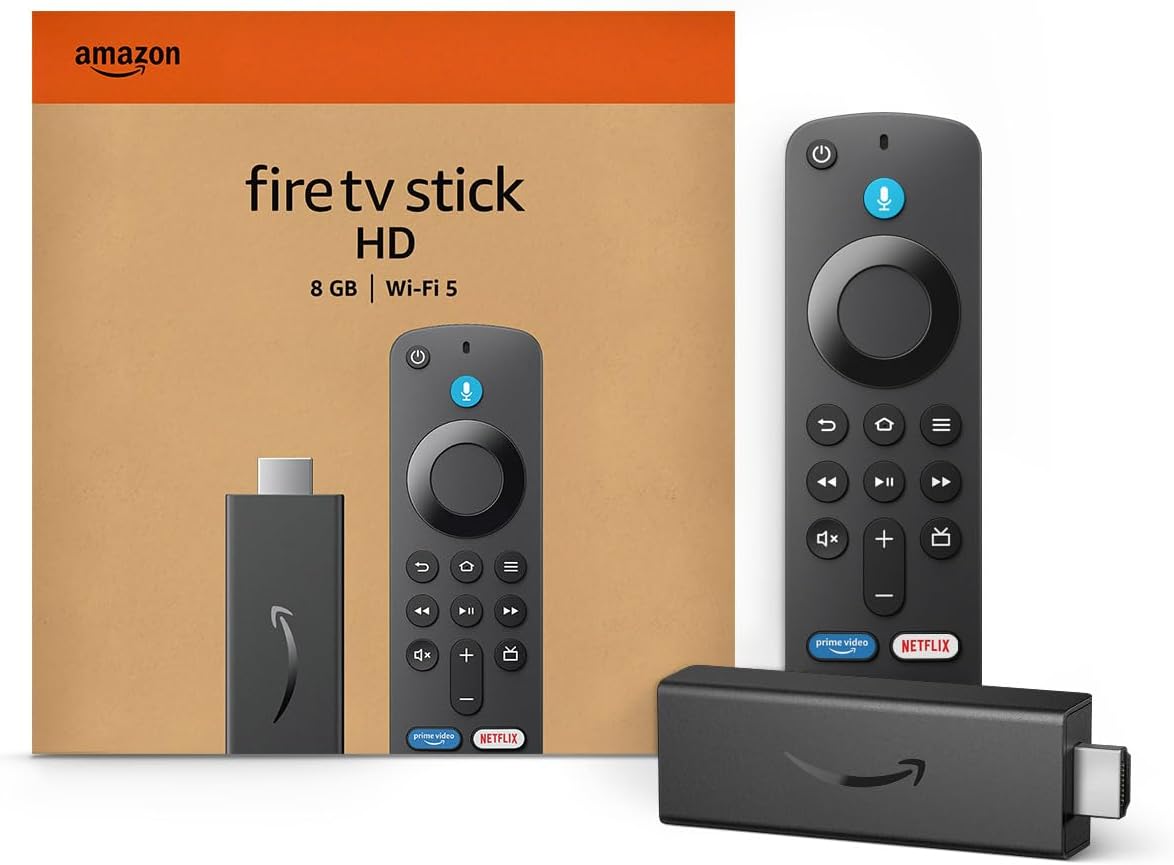
Amazon Fire TV Stick HD
Turn Any TV to a Smart TV. Stream Netflix, Prime Video & More. Alexa Voice Remote Included. Easy Plug & Play Setup.
Shop on Amazon
Common Causes of Samsung TV Not Installing Apps
When your Samsung Smart TV won’t install apps, several specific technical issues are usually at play. These involve your network setup, available storage space, system software status, and the app availability depending on your location and device compatibility.
Network Connectivity Problems
A stable internet connection is crucial for downloading and installing apps on your Samsung TV. If your network is slow, unstable, or frequently disconnects, the app installation can stall or fail entirely. You should check your connection speed and stability by running a speed test on another device near the TV. A minimum of 10–15 Mbps is recommended for smooth downloads.
Wi-Fi interference, router issues, or weak signals are common causes. Switching to a 5 GHz band or using an Ethernet cable directly connected to your TV often improves reliability. Sometimes, your router’s firmware might be outdated and need updating.
If you suspect your ISP’s DNS is causing problems, you can manually set your TV’s DNS to a trusted public resolver. Testing with a phone hotspot connection can also help you identify if the router or ISP is the issue.
Insufficient Storage Space
Samsung Smart TVs have limited internal storage for apps and app data. When you try to install new apps like Hulu or others, insufficient free space can cause installation failures or incomplete downloads.
To fix this, delete unused apps or clear cached data for large apps if your TV model allows it. Aim to keep at least 300–500 MB free to avoid blocking new installs. Unlike computers or phones, external USB drives cannot expand app storage since apps install on the internal flash memory.
Be mindful that the system itself and preloaded apps take up space, which reduces available room for new installs. Frequent pruning of apps is necessary if you often add new ones.
Software or Firmware Issues
Running outdated system software on your Samsung TV is a frequent cause of app installation problems. Firmware updates often include bug fixes and compatibility improvements that keep the app store and services working correctly.
You should regularly check for updates by going to Settings > Support > Software Update and enable Auto Update if you prefer automatic installation. After an update, a cold boot of the TV—holding the remote’s power button until it restarts—can clear glitches blocking app downloads.
Software bugs related to the Smart Hub component can also corrupt app installation processes. If issues persist, resetting the Smart Hub in Settings > Support > Device Care > Self Diagnosis refreshes the app environment but requires signing back into your Samsung account afterward.
App Store Availability and Regional Restrictions
Not all apps are available on every Samsung Smart TV model or in every country. Samsung restricts app availability based on region and device compatibility, which explains why some apps might not appear or install on your TV.
If you see apps missing or unavailable, first confirm that your TV’s country settings match your actual location. Streaming services like Hulu, for example, are region-locked and require a supported region setting to appear in the app store.
You may need to adjust your Samsung account country or use a supported device to access certain apps. When app availability is limited by region, using external devices like streaming sticks can be an alternative.
How to Fix Samsung TV App Installation Errors
Fixing app installation problems on your Samsung TV involves a few focused steps. You need to ensure your TV is properly restarted, the software is updated, storage is managed, and your network settings are correctly configured. Addressing these areas can resolve most issues preventing apps from installing.
Restarting and Power Cycling Your TV
Start by power cycling your Samsung TV to clear temporary glitches. Unplug the TV from the power source and wait at least 20 seconds before plugging it back in. This simple step resets the hardware and often resolves stuck installation processes.
Alternatively, use the remote by holding down the Power button for about 5-10 seconds until the TV turns off and the Samsung logo appears. This soft reset helps clear minor software hiccups without erasing your settings.
Restarting your router or modem is also useful if you suspect network connectivity issues. Turning off your internet devices for 30 seconds can often stabilize the connection required for downloading apps.
Checking and Updating Software
Outdated firmware can block app installations and cause other software-related errors. Go to your TV’s settings menu, then navigate to Support > Software update > Update now. If an update is available, install it immediately.
After updating, the TV restarts automatically, so try installing the app again. Keeping your TV software current ensures compatibility with the latest versions of apps from the Samsung Smart Hub.
Avoid skipping this step because Samsung frequently releases patches that improve app stability and fix bugs that affect installation functionality.
Managing Device Storage and Clearing Cache
Insufficient storage space causes many installation failures. To check available storage:
- Open Settings > Support > Device Care > Manage Storage.
- Review how much free space you have.
If storage is nearly full, uninstall unused apps to free up space. Clearing cache for apps can also help. Go to Device Care > Manage Storage, select the problematic app, and hit Clear Cache. If issues persist, select Clear Data, but note this signs you out of the app and resets it.
Running the Device Care tool periodically optimizes storage and memory, improving your TV’s overall performance.
Updating or Resetting Network Settings
App downloads depend on a stable internet connection. Confirm your TV is connected to the correct Wi-Fi network with sufficient signal strength. Moving the TV closer to the router can improve connection quality.
If downloads continue to fail, reset your network settings by navigating to Settings > General > Network > Reset Network. This removes saved Wi-Fi details, so you will need to reconnect afterward.
You can also troubleshoot network issues by restarting your modem and router. If problems persist, consider verifying your internet speed or contacting your ISP.
For persistent app issues linked to connectivity or Smart Hub errors, performing a reset of the Smart Hub might be necessary through the TV’s menu under Apps settings. This resets all app data and Samsung account details on the TV. For detailed support, Samsung Support offers comprehensive help if these steps do not resolve the problem.
Advanced Troubleshooting for Persistent App Issues
When Samsung TV apps fail to install after basic troubleshooting, you can use targeted resets, account management, and direct support options to address these deeper problems. Focusing on system resets, reinstalling specific apps, or reaching out to Samsung support often resolves complex installation failures.
Resetting Smart Hub
Resetting the Smart Hub refreshes the TV’s app management system without erasing your personal settings. This process deletes all downloaded apps, returns the Smart Hub to its default state, and can fix issues caused by corrupted app data or conflicts within the app ecosystem.
To reset, go to Settings > Support > Self Diagnosis > Reset Smart Hub. You may need to enter your TV’s PIN (default is usually 0000). After the reset, you’ll need to sign back into your Samsung account and reinstall apps. This method specifically targets app-related glitches, so it’s a good step before considering a full factory reset.
Factory Resetting the TV
If app issues persist despite other attempts, performing a factory reset restores your Samsung TV to its original system condition. This wipes all data, including installed apps, preferences, and saved settings, which might be causing installation errors.
To do this, navigate to Settings > General > Reset, and enter the PIN if prompted. The reset usually takes a few minutes. Afterwards, reconnect your TV to the internet, sign in with your Samsung account, and try installing the apps again. Use this as a last resort, since it removes all data and necessitates reconfiguration.
Contacting Samsung Support
When troubleshooting steps fail, Samsung support can provide specialized assistance. You can reach them via live chat, phone, or the Samsung Members app. Support can help identify if server outages, account issues, or hardware faults are affecting app installations.
Have your TV model number and software version ready. Samsung support often guides you through advanced diagnostics or provides repair options. This step is essential if your TV still cannot install apps after resets and network troubleshooting.
Reinstalling or Removing Specific Apps
Sometimes, problems affect only one or a few apps. Uninstalling the problematic app and reinstalling it can resolve corruption or update errors. To manage apps, go to Settings > Apps > System Apps, select the app, and choose “Uninstall” or “Delete data.”
After removal, visit the Samsung App Store to download the app anew. Clearing cache and data before reinstalling can also help if uninstalling is not possible. This targeted approach avoids unnecessary resets and focuses on specific sources of installation failures.
Best Practices to Prevent Future App Installation Problems
Ensuring your Samsung Smart TV runs apps smoothly depends largely on keeping its environment optimized. Consistent internet performance, timely updates, and managing storage effectively can reduce or prevent common issues related to app installation failures or malfunctions.
Maintaining Stable Network Connections
Your TV relies on a reliable internet connection to download and update apps. Use a wired Ethernet connection whenever possible because it offers higher stability and speed compared to Wi-Fi.
If you must use Wi-Fi, place your router close to the TV and minimize physical obstructions or interference from other electronic devices. Regularly test your connection speed; streaming apps generally require at least 25 Mbps for smooth performance.
Avoid network congestion by limiting simultaneous high-bandwidth activities on your network during app installations. You can improve stability by assigning a static IP to your TV and enabling Quality of Service (QoS) settings on your router, prioritizing your TV’s traffic.
Regular Software and App Updates
Samsung frequently releases software updates to fix bugs and enhance compatibility for Samsung TV apps. You should enable automatic software updates on your TV to ensure it always runs the latest firmware.
In addition to system updates, keep your apps updated regularly. Navigate to the Apps menu and use update options to manually refresh apps if needed. This practice prevents installation errors caused by outdated app versions clashing with the TV’s operating system.
Finally, monitor notices for any app-specific outages or updates from service providers. Addressing these proactively helps you avoid installation failures related to server-side issues.
Monitoring Storage and App Management
Insufficient storage space is a common reason apps fail to install or update. Regularly check your Samsung TV’s available space in the device settings and uninstall apps you no longer use.
Be cautious about installing too many apps at once, as limited storage can cause app corruption or slowdowns. Clearing cached data occasionally, especially on models from 2020 onwards, can help maintain app performance.
Organize your installed apps so that those used frequently stay optimized. This prevents clutter and reduces the chance of installation problems stemming from cache overload or outdated app files.