
Your Rheem tankless water heater is flashing Code 11, and you’ve got no hot water. Don’t panic, this is one of the most common and fixable errors on Rheem units.
Error Code 11 on a Rheem tankless water heater means the unit attempted ignition but failed to detect a flame. The fix usually involves checking your gas supply valve (make sure it’s fully open), verifying propane tank levels if you’re on LPG, and confirming the igniter is sparking. In most cases, a closed gas shutoff valve, an empty propane tank, or dirty igniter electrodes cause this error.
This guide walks you through the critical first 10 seconds of the ignition sequence, helps you distinguish Code 11 from Code 12, and gives you step-by-step fixes, from quick checks to advanced electrode cleaning, so you can restore hot water without an expensive service call.

Key Takeaways
- Rheem tankless water heater Code 11 indicates ignition failure caused by closed gas shutoff valves, empty propane tanks, or dirty igniter electrodes—all fixable without professional help in most cases.
- Start troubleshooting Code 11 with simple checks: verify your gas valve is fully open (handle parallel to pipe), confirm propane tank levels, and listen for clicking from the igniter during startup.
- Clean igniter electrodes with fine-grit sandpaper and check the 3mm gap between electrode and ground, as dirty electrodes are one of the top causes of spark-but-no-ignition failures.
- Blocked vent pipes and clogged air intake filters prevent combustion air from reaching the burner; inspect venting for debris and clean intake filters every 3 months to avoid Code 11 recurrence.
- If Code 11 persists after verifying gas supply, igniter spark, and venting, the problem likely involves a failed gas solenoid valve or control board that requires a Rheem-certified technician.
- About 60% of Code 11 cases resolve with gas supply corrections alone, making it the single most common and preventable error on Rheem tankless units.
Understanding Error Code 11 and Common Causes
What Error Code 11 Means
Code 11 signals an ignition failure at startup. Your Rheem unit opened a hot water tap, detected flow, activated the fan, attempted to spark and open the gas solenoid valves, but never confirmed a flame within roughly 10 seconds. The control board then locks out and displays the error.
This is different from Code 12, which indicates flame loss after successful ignition. Code 12 means the burner lit but the flame sensor lost the signal mid-operation. Code 11 means the flame never established at all. That distinction matters because Code 11 points you toward the three pillars of ignition: gas supply, spark/igniter health, and venting/combustion air. According to Rheem’s official support documentation, Code 11 is classified as “No Ignition” and requires checking gas supply and ignition components first.
| Feature | Code 11 (Ignition Failure) | Code 12 (Flame Loss) |
|---|---|---|
| When it occurs | During startup | After flame is established |
| Flame detected? | Never | Yes, then lost |
| Primary suspects | Gas valve, igniter, venting | Flame rod, gas pressure drop, wind |
| Typical fix | Open gas valve, clean igniter | Clean flame sensor, check venting |
Typical Symptoms of Ignition Failure
You’ll notice the unit fan spins up when you open a hot water tap, but no hot water comes out. Listen carefully during the first 10 seconds, you should hear a rapid “clicking” sound from the igniter. If you hear clicking but no whoosh of gas igniting, you likely have a gas supply issue. If you hear no clicking at all, the igniter or its wiring may be the problem.
Other symptoms include the error code flashing on the display panel, the unit cycling on and off repeatedly, and cold water flowing continuously from your taps.
How the Ignition System Works
When you open a hot tap, a flow sensor triggers the control board. The board activates the combustion fan, then sends voltage to the igniter electrodes to create a spark. Simultaneously, the gas solenoid valves open to release gas into the burner. The spark ignites the gas, and a separate flame rod confirms the flame exists. If the flame rod doesn’t detect a flame within about 7–10 seconds, the board shuts everything down and throws Code 11.
“Had code 11 on my Rheem RTG-84. Turns out the gas valve on the supply line was only half open. Fully opened it and the unit fired right up. Saved me a service call.” via r/Plumbing
Diagnosing Gas Supply and Ignition Issues
Checking and Restoring Gas Supply
Start with the simplest fix: verify your gas shutoff valve is fully open. The valve handle should run parallel to the pipe. If it’s perpendicular, it’s closed. This one check resolves a surprising number of Code 11 calls.
If you’re running on LPG/propane, check your tank level. An empty or near-empty propane tank can’t deliver adequate pressure. Even a tank that reads 10% may not supply enough flow in cold weather. You can verify the tank level with a gauge or by pouring warm water down the side of the tank and feeling for the cold line where liquid propane sits.
Also confirm that other gas appliances in your home are working. If your stove or furnace also won’t light, the issue is upstream, possibly at the meter or regulator.
Identifying Insufficient Gas Flow
Even with the valve open, insufficient gas pressure causes ignition failure. Rheem units typically require minimum 3.5″ WC for natural gas and 8″ WC for propane at the inlet. A technician can measure this with a manometer, but you can check for obvious problems yourself.
Look for kinked or undersized gas flex lines. If your unit was recently installed and has never worked properly, the gas line diameter may be too small for the unit’s BTU demand. A partially blocked gas solenoid valve inside the unit can also restrict flow, you can sometimes hear the solenoid click when the unit attempts ignition. No click from the solenoid often means a wiring issue or a failed valve.
Examining the Burner and Ventilation
Blocked venting is a sneaky cause of Code 11. Inspect your vent pipe for obstructions, bird nests, wasp nests, and debris are common culprits. A blocked vent prevents combustion air from reaching the burner, so even with good spark and gas, the flame can’t establish.
Check the air intake filter on your unit. A clogged intake filter starves the burner of oxygen. Remove the filter, clean it with a soft brush, and reinstall. Also verify that your vent termination outside meets clearance requirements, snow, leaves, or a nearby wall can restrict airflow.
For a helpful visual walkthrough of this diagnostic process, watch this video:
Step-by-Step Solutions and Reset Procedures
Testing and Resetting the Unit
Before diving into component-level repairs, try a basic power cycle. Turn off the unit using the power button, wait 30 seconds, and turn it back on. Open a hot water tap and listen for the ignition sequence: fan spin-up, clicking from the igniter, and gas flow. If the unit still throws Code 11, proceed to deeper diagnostics.
Check wiring connections to the igniter and flame rod. Loose or corroded connectors are a frequent cause of ignition failure. Inspect the ground wire as well, a poor ground can prevent proper spark generation.
Cleaning or Replacing the Igniter
Dirty igniter electrodes are one of the top causes of the “sparking but not lighting” scenario. To clean them:
- Turn off gas supply and disconnect power
- Remove the burner assembly cover
- Locate the igniter electrode (a small ceramic-mounted probe near the burner)
- Gently clean the electrode tip with fine-grit sandpaper (400-grit) or a soft wire brush
- Check the gap between the electrode and the ground, it should be approximately 3mm
- Reassemble and test
If the electrode is cracked, heavily corroded, or the ceramic insulator is damaged, replacement is your best option. The Rheem SP20076 Igniter Kit is a common replacement part for many Rheem tankless models.
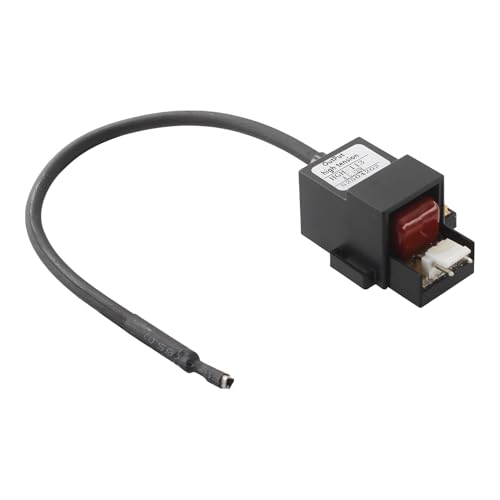
For ongoing maintenance and diagnostics, a combustible gas leak detector helps you safely verify that gas is reaching the burner assembly.

When and How to Safely Reset Rheem Tankless Water Heater
Rheem units don’t have a dedicated physical reset button like some tank-style heaters. Instead, you reset by cycling power. For a full reset:
- Close the gas shutoff valve
- Unplug the unit or flip the breaker
- Wait at least 60 seconds
- Restore power first, then open the gas valve
- Open a hot water tap and monitor the ignition sequence
If Code 11 persists after reset and you’ve verified gas supply, spark, and venting, the control board or gas solenoid valve may need professional attention.
Basic Maintenance to Avoid Future Errors
Prevent Code 11 from recurring with regular maintenance. Clean the air intake filter every 3 months. Inspect vent terminations seasonally for blockages. If you’re in an area with hard water, descale the heat exchanger annually with a vinegar flush. Keep the area around your unit clear of dust and debris that could enter the combustion chamber.
“Cleaned the igniter electrodes with some fine sandpaper and adjusted the gap. Code 11 gone. Unit has been running fine for 6 months now.” via r/HomeImprovement
When to Call a Professional and Ensuring Safety
Recognizing Complex or Persistent Problems
If you’ve checked gas supply, cleaned the igniter, verified venting, and the unit still throws Code 11, the problem likely requires professional diagnosis. A failed gas solenoid valve, a malfunctioning control board, or internal wiring faults go beyond safe DIY territory. Persistent Code 11 after multiple resets often indicates a component failure that requires specialized tools and parts.
Potential Hazards of DIY Repairs
Gas appliance work carries real risk. Never attempt to disassemble gas valves or modify gas piping without proper training. If you smell gas at any point during troubleshooting, stop immediately, leave the area, and call your gas utility’s emergency line. Carbon monoxide is another concern, never operate a unit with suspected venting problems in an enclosed space without a working CO detector nearby.
Choosing Qualified Service Providers
Look for technicians who are Rheem-certified or hold a master plumber license with gas appliance endorsement. You can find authorized Rheem service providers through the Rheem Pro Partner locator. A qualified tech will have a manometer to verify gas pressure, a multimeter to test igniter voltage, and experience with the specific control board in your model.
Data Insights and Analysis
According to HVAC industry data from 2025, ignition-related error codes (including Code 11) account for approximately 35–40% of all tankless water heater service calls, making them the single most common category of failure. User reports on plumbing forums consistently show that roughly 60% of Code 11 cases resolve with gas supply corrections, a closed valve, empty propane tank, or regulator issue, without any parts replacement.
Expert Note: "Code 11 failures spike during the first cold snap of the season because propane tanks that were adequate in warm weather can't maintain sufficient vapor pressure below 20°F. The liquid propane doesn't vaporize fast enough to meet the unit's BTU demand, so the solenoid opens but there's not enough gas pressure to sustain ignition. This is a physics problem, not an equipment failure, and it catches homeowners off guard every year."
Frequently Asked Questions
What does Rheem tankless water heater Code 11 mean?
Code 11 signals an ignition failure, meaning your Rheem unit detected water flow and attempted ignition but failed to establish a flame within 7–10 seconds. The control board then locks out and displays the error, resulting in no hot water output.
What are the most common causes of Code 11 on a Rheem tankless water heater?
The three main causes are: a closed or partially open gas shutoff valve, an empty or low propane tank (below adequate pressure), and dirty or faulty igniter electrodes. Blocked venting or insufficient combustion air can also trigger Code 11.
How do I fix a Rheem tankless water heater Code 11 error?
Start by checking your gas shutoff valve (handle should be parallel to the pipe), verify propane tank level, and listen for an igniter clicking sound. If you hear clicking but no gas ignition, the gas supply is likely blocked. Clean the igniter electrodes with fine-grit sandpaper and ensure a 3mm gap; replace the igniter if cracked or heavily corroded.
What’s the difference between Rheem Code 11 and Code 12?
Code 11 (ignition failure) occurs when the flame never establishes during startup. Code 12 (flame loss) means the burner lit successfully but the flame sensor lost signal mid-operation. Code 11 points to gas supply or igniter issues; Code 12 suggests a flame sensor or venting problem.
Can I reset my Rheem tankless water heater to clear Code 11?
Yes. Close the gas shutoff valve, unplug the unit or flip the breaker, wait 60 seconds, restore power, then open the gas valve. Open a hot water tap and monitor ignition. If Code 11 persists after reset and basic checks, professional diagnosis is needed.
When should I call a professional for Rheem Code 11 instead of DIY troubleshooting?
If you’ve verified gas supply, cleaned the igniter, checked venting, and Code 11 persists, the problem likely involves a failed gas solenoid valve, control board, or internal wiring. Never attempt to disassemble gas valves or modify piping yourself; contact an authorized Rheem service provider or master plumber with gas appliance certification.
Read More:
- Rheem Water Heater Problems (Complete Troubleshooting Guide)
- Code 12 on Rheem Tankless Water Heater (The Complete Flame Failure Fix Guide)
- Rheem Water Heater Pilot Light Won’t Stay Lit (Here’s the Tech’s Fix-It Guide)