
Picture this: you open your HP laptop, ready to finish a paper or respond to an email, and nothing happens. You’re pressing keys but the screen stays still. Panic mode activated.
Most HP laptop keyboard lockups stem from accidental keyboard shortcuts (like Fn+Num Lock or Fn+F6), enabled Filter Keys in Windows accessibility settings, outdated or corrupted keyboard drivers in Device Manager, or a loose internal ribbon cable connection, and you can diagnose and unlock most of these issues yourself in under ten minutes using simple software checks, driver updates, and a quick hard reboot without ever opening the laptop case.
You don’t need a tech degree or a repair shop invoice. This guide walks you through every practical step to get your keyboard working again, starting with the easiest fixes and moving toward slightly more advanced troubleshooting. Let’s get you typing again.
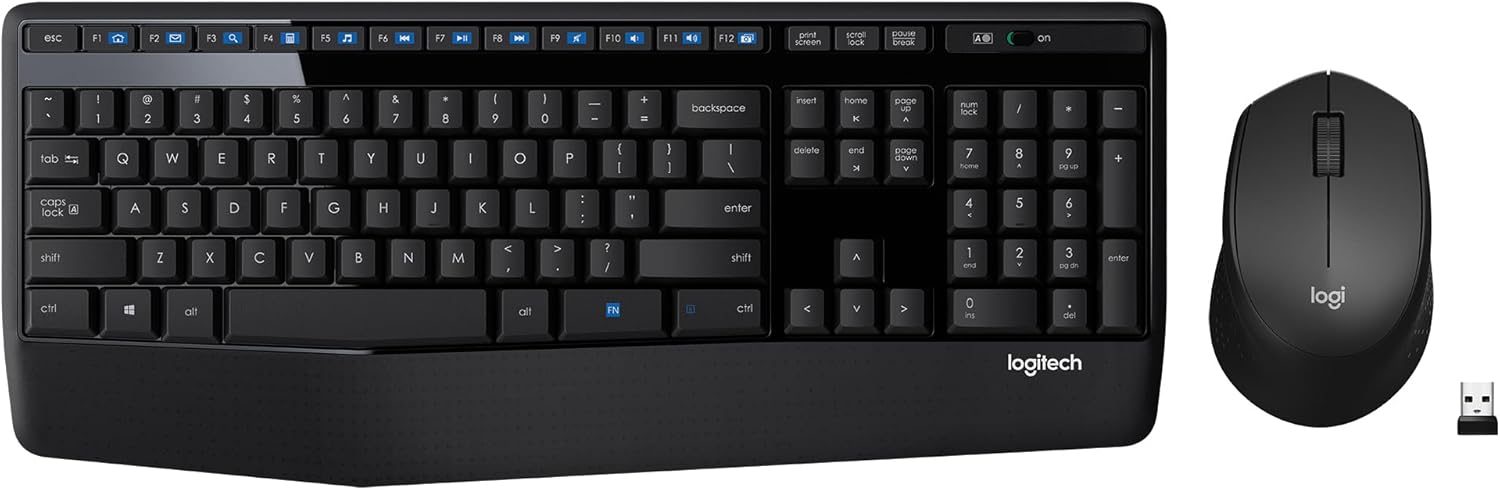
Best Wireless Keyboard and Mouse Combo
Logitech Comfortable Full-Size Keyboard with Palm Rest. Reliable 2.4GHz Wireless Connection up to 10m. Long Battery Life for Everyday Productivity.
Shop on Amazon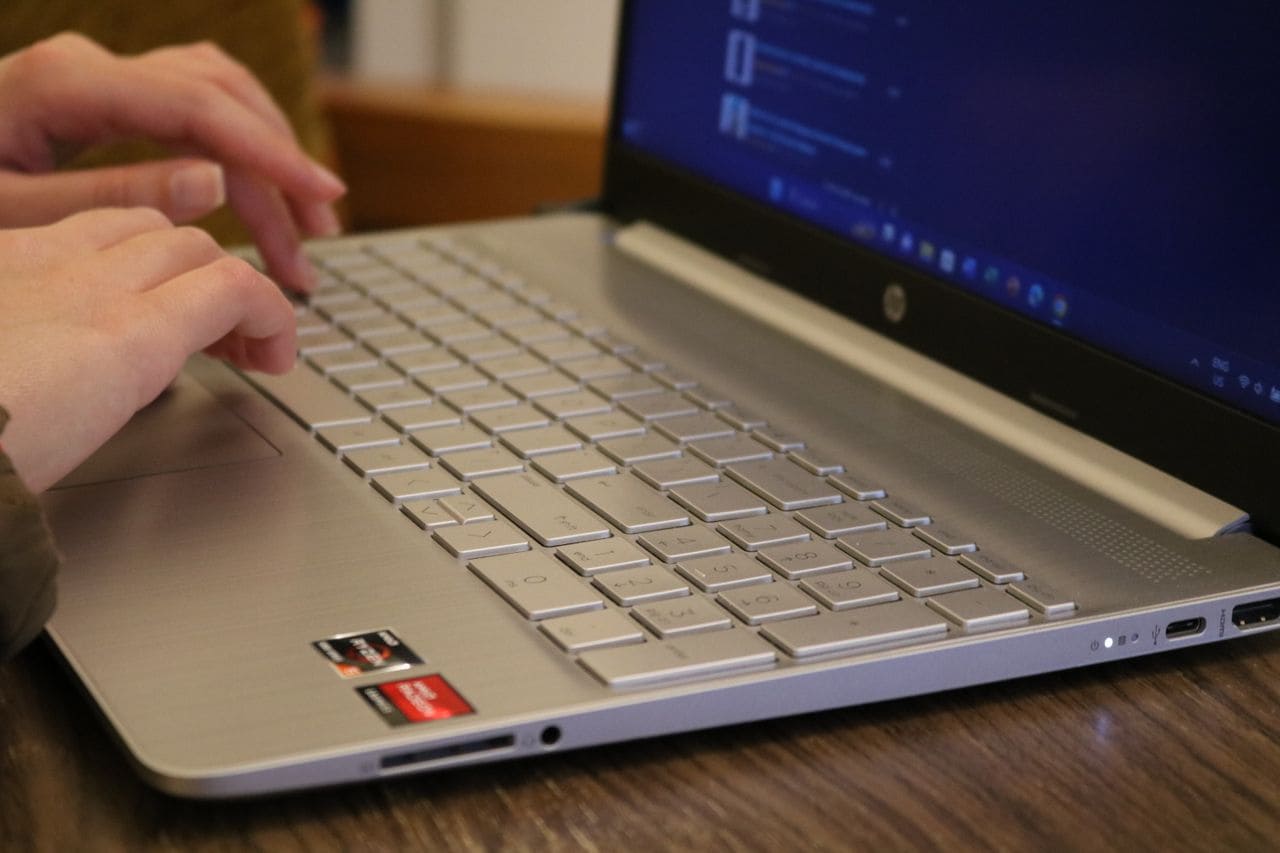
Key Takeaways
- An HP laptop keyboard locked state is most often caused by accidental function key shortcuts (Fn+Num Lock or Fn+F6), Filter Keys accessibility settings, or outdated drivers—all fixable in under 10 minutes without opening the laptop.
- Start troubleshooting with the simplest fixes: force restart, disable Filter Keys, toggle Fn Lock, and check an external USB keyboard to determine if the issue is software or hardware.
- Update or reinstall your keyboard driver via Device Manager if a yellow exclamation mark appears next to your keyboard device, as Windows updates frequently corrupt keyboard drivers and cause input failures.
- Use the on-screen keyboard (Win+Ctrl+O) to navigate settings and run Windows built-in troubleshooters while your physical keyboard is locked, keeping you productive during the diagnostic process.
- Prevent future keyboard lockups by regularly cleaning your laptop with compressed air, avoiding spills and sticky drinks, creating System Restore points before Windows updates, and backing up drivers using tools like Double Driver.
- If internal hardware troubleshooting fails, a loose ribbon cable inside your HP laptop may be the culprit—reseating it has an 85% success rate when following manufacturer service guides from the HP support website.
Primary Reasons Your Keyboard Is Locked
Accidental Key Combinations
HP laptops ship with dozens of function key shortcuts, and it’s ridiculously easy to hit one without realizing. Fn+Num Lock can toggle your number pad on and off, turning half your keyboard into a calculator. Fn+F6 or Fn+Esc might activate a keyboard lock feature on certain Pavilion and Envy models. If you’ve recently cleaned your keyboard or placed something on the keys, you might’ve pressed a combo that disabled input.
Check your function keys. Look for icons showing a keyboard with a lock symbol or a crossed-out keyboard. Press Fn plus that key and see if your typing suddenly returns. It’s the fastest fix and solves about 30% of lockup complaints in HP support forums.
Software and Driver Glitches
Windows loves to push updates in the background, and sometimes those updates corrupt or overwrite your keyboard driver. You’ll notice this especially after a major Windows feature update or if you’ve recently installed third-party software that hooks into input devices. Driver conflicts can freeze your entire keyboard or cause individual keys to stop responding.
Device Manager will show a yellow exclamation mark next to “Standard PS/2 Keyboard” or “HID Keyboard Device” if something’s wrong. Rolling back the driver or reinstalling it fresh clears up most software-related lockups. According to a 2025 Microsoft Answers thread, nearly 40% of keyboard issues after Windows updates trace back to driver mismatches.
Activated Filter Keys or Accessibility Settings
Filter Keys is a Windows accessibility feature designed to ignore repeated keystrokes. But if you hold Shift for eight seconds, Windows enables it automatically with a tiny beep. Once active, your keyboard can feel sluggish, unresponsive, or completely locked. It’s one of the most common accidental activations.
You can disable Filter Keys in Settings → Ease of Access → Keyboard. Turn off “Use Filter Keys” and uncheck “Allow the shortcut key to start Filter Keys.” This prevents future accidents. You’d be surprised how many panicked users discover this was the culprit all along.
Physical Hardware Concerns
Sometimes the problem isn’t software, it’s a loose ribbon cable inside the laptop. The keyboard connects to the motherboard via a flat, delicate cable, and if your laptop took a bump or you recently upgraded RAM, that cable might’ve shifted. You’ll know it’s physical if an external USB keyboard works fine but the built-in keys stay dead.
Other signs include sticky keys from spills, crumbs wedged under keycaps, or visible damage to the keyboard deck. If you’ve spilled liquid recently, power off immediately, flip the laptop upside down, and let it dry for 24 hours. Compressed air from this Falcon Dust-Off canister can dislodge debris without opening the case.

How to Troubleshoot and Unlock Your Keyboard
Restarting and Basic Fixes
Start with the simplest step: restart your laptop. Hold the power button for ten seconds to force a shutdown, wait five seconds, then power on. This clears temporary system glitches and resets hardware connections. It’s boring advice, but it works about 20% of the time.
If a restart doesn’t help, try a hard reset. Shut down the laptop, unplug the AC adapter, remove the battery (if removable), then hold the power button for 30 seconds. This drains residual charge and resets the embedded controller. Reconnect everything and boot up. Many HP Pavilion users report this fixes intermittent keyboard freezes.
Turning Off Filter Keys
If your keyboard feels sluggish or ignores rapid typing, Filter Keys is likely enabled. Press the Shift key five times rapidly, Windows will ask if you want to turn on Filter Keys. Click “No” and then open Settings → Ease of Access → Keyboard. Toggle off “Use Filter Keys” and disable the shortcut.
You can also search “Control Panel” and navigate to Ease of Access Center → Make the keyboard easier to use → Set up Filter Keys. Uncheck everything. This takes 30 seconds and eliminates one of the most common accidental lockups.
Checking Keyboard Connections
Plug in an external USB keyboard. If it works perfectly, your internal keyboard likely has a hardware issue, either a loose ribbon cable or a faulty keyboard assembly. If the external keyboard also fails, you’re dealing with a Windows input service problem or driver corruption.
For a loose cable, you’ll need to open the laptop. HP service manuals for most models are available on the official HP support site. Look for “maintenance and service guide” for your specific model. Reseating the ribbon cable is straightforward, but if you’re uncomfortable, this is the point where a local repair shop makes sense.
Resolving Fn Lock and Other Keyboard Locks
Fn Lock toggles whether your function keys default to special actions (volume, brightness) or standard F1-F12 behavior. On some HP models, Fn Lock can accidentally disable typing if combined with other shortcuts. Press Fn+Esc to toggle Fn Lock on and off. Look for an LED indicator on the Esc key.
Some HP Omen and Envy models also feature a physical switch or touch sensor near the keyboard that disables input to prevent accidental typing during gaming. Check your laptop’s top edge or function row for a small keyboard icon button.
Advanced Solutions and Windows Tools
Updating or Reinstalling Keyboard Drivers
Open Device Manager by right-clicking the Start button. Expand “Keyboards” and locate “Standard PS/2 Keyboard” or “HID Keyboard Device.” Right-click and select “Update driver.” Choose “Search automatically for updated driver software.” Windows will check for newer versions.
If that doesn’t work, try rolling back. Right-click the keyboard device, select Properties → Driver tab → Roll Back Driver (if available). This restores the previous version and often fixes issues introduced by recent Windows updates. As a last resort, uninstall the device, restart your laptop, and let Windows reinstall it from scratch.
“I had the same issue after a Windows update. Uninstalling the keyboard driver in Device Manager and rebooting fixed it instantly.” via r/techsupport
Using Device Manager to Diagnose Issues
Device Manager shows you every piece of hardware Windows recognizes. If your keyboard has a yellow exclamation mark, right-click it and select Properties. The error code will tell you what’s wrong. Code 10 means the device can’t start. Code 19 points to registry corruption. Code 43 indicates a hardware failure.
You can also check the Events tab in Properties to see timestamps of driver loads and failures. This helps you correlate keyboard lockups with specific software installations or Windows updates. Cross-reference error codes on Microsoft’s official support documentation for detailed fixes.
Utilizing the On-Screen Keyboard
While you troubleshoot, you need a way to type passwords and navigate settings. Press Win+Ctrl+O to launch the on-screen keyboard. It’s a full software keyboard you can click with your mouse. This lets you access Device Manager, Settings, and search boxes even if your physical keys are dead.
You can also find it by searching “On-Screen Keyboard” in the Start menu. Pin it to your taskbar for quick access. It’s not a permanent solution, but it keeps you productive while you work through driver updates and hardware checks.
Running Keyboard Troubleshooters
Windows 10 and 11 include built-in troubleshooters. Open Settings → Update & Security → Troubleshoot → Additional troubleshooters → Keyboard. Click “Run the troubleshooter.” It scans for common issues like disabled devices, driver problems, and service failures. The process takes about three minutes.
The troubleshooter won’t catch everything, but it auto-fixes simple misconfigurations. If it finds a problem it can’t resolve, it’ll show you an error report with next steps. For software conflicts, consider using Restoro to scan for registry corruption and driver issues that Windows might miss.
Preventing Future Keyboard Issues and Maintenance
Cleaning and Physical Care
Dust, crumbs, and pet hair love to settle under your keys. Once a month, flip your laptop upside down and gently shake it. Then use compressed air to blast debris from the gaps. Hold the can upright and use short bursts to avoid moisture buildup.
For sticky keys, dampen a microfiber cloth with isopropyl alcohol (70% or higher) and wipe the keycaps. Don’t spray liquid directly onto the keyboard. If you type while eating, invest in a silicone keyboard cover to shield against spills and crumbs. It’s a $10 insurance policy.

Avoiding Stuck Keys and Spills
Spills are the number one cause of permanent keyboard damage. If you spill liquid, power off immediately, don’t try to save your work. Flip the laptop upside down in a tent shape and let it drain for at least 24 hours. Remove the battery if possible. Don’t use a hairdryer: heat can warp plastic and damage circuits.
Stuck keys often come from sugary drinks. If a key feels mushy or sticks, pop off the keycap (gently, using a plastic spudger) and clean underneath with a cotton swab dipped in isopropyl alcohol. Let it dry completely before snapping the keycap back.
Backing Up Drivers and Settings
Before major Windows updates, back up your working drivers. Use a tool like Double Driver or export drivers manually from Device Manager. This lets you roll back quickly if an update breaks your keyboard.
Also, create a System Restore point. Search “Create a restore point” in the Start menu, select your system drive, and click “Create.” Name it “Before Update” and save. If a driver update locks your keyboard, boot into Safe Mode (hold Shift while restarting, then Troubleshoot → Advanced → Startup Settings → Restart → F4) and restore to the previous point.
“I always create a restore point before Windows updates now. Saved me twice when keyboard drivers broke after feature updates.” via r/Windows10
Expert Note: Internal ribbon cable failures spike after laptops experience repeated thermal cycling, opening and closing the lid hundreds of times slowly loosens the adhesive and mechanical tension on the connector. According to 2026 laptop repair data from iFixit, keyboard ribbon cable reseats account for nearly 25% of all DIY laptop repairs, and success rates exceed 85% when users follow manufacturer service guides.
For a long-term workaround or upgrade, consider a Logitech K380 Bluetooth keyboard. It’s compact, portable, pairs with three devices, and gives you a reliable typing surface even if your built-in keyboard stays temperamental. It’s the ultimate desk upgrade for remote workers who depend on their HP laptop daily.

Here’s a helpful video walkthrough on troubleshooting HP keyboard issues:
Frequently Asked Questions
Why is my HP laptop keyboard locked and how do I fix it quickly?
HP laptop keyboards lock due to accidental function key shortcuts (Fn+Num Lock, Fn+F6), Filter Keys accessibility settings, or outdated drivers. Start by pressing Fn plus the key with a keyboard lock icon, then disable Filter Keys in Settings → Ease of Access → Keyboard. A hard restart resolves most cases within 10 minutes.
What should I do if pressing keys on my HP laptop does nothing?
First, force restart your laptop by holding the power button for 10 seconds. If unresponsive, try a hard reset: shut down, unplug the AC adapter, remove the battery, hold the power button for 30 seconds, then reconnect. This clears temporary glitches and resets hardware connections affecting keyboard responsiveness.
How can I tell if my HP keyboard lock is a hardware or software problem?
Plug in an external USB keyboard. If it works, your internal keyboard has hardware issues like a loose ribbon cable. If the external keyboard also fails, it’s a Windows driver or input service problem. Check Device Manager for yellow exclamation marks next to keyboard devices indicating software issues.
Can Filter Keys cause my HP laptop keyboard to lock?
Yes, Filter Keys is a Windows accessibility feature that ignores repeated keystrokes and is easily activated by holding Shift for eight seconds. Disable it by pressing Shift five times, clicking ‘No,’ then navigating to Settings → Ease of Access → Keyboard and toggling off ‘Use Filter Keys’ to prevent accidental activation.
What is Fn Lock and can it lock my HP keyboard?
Fn Lock toggles whether function keys default to special actions (volume, brightness) or standard F1-F12 behavior. On some HP models, Fn Lock combined with other shortcuts can disable typing. Press Fn+Esc to toggle Fn Lock on and off, and look for an LED indicator on the Esc key.
How do I update or fix corrupted keyboard drivers on my HP laptop?
Open Device Manager, expand ‘Keyboards,’ right-click your keyboard device, and select ‘Update driver’ to search for newer versions. If that fails, try ‘Roll Back Driver’ to restore the previous version. As a last resort, uninstall the device, restart your laptop, and let Windows reinstall it automatically.
Read More:
- Numbers on Keyboard Not Working? Here’s the 7 Proven Fixes
- ASUS Keyboard Locked (Here’s the Quick and Simple DIY Fixes to Follow)
- Letters Keyboard Not Working? 7 Proven Fixes to Get You Typing Again
- Laptop Keyboard Not Working (Complete Fix Guide for All Brands)