
You’re typing an important email or finishing a report when suddenly your laptop keyboard stops responding entirely. Panic sets in as you realize keystrokes produce no output, function keys do nothing, and you’re effectively locked out of your system with unsaved work at risk.
A frozen laptop keyboard usually results from accessibility settings like Filter Keys or Sticky Keys being accidentally enabled, outdated or corrupted keyboard drivers, temporary software glitches, physical debris blocking the key matrix, or system-wide freezes caused by background processes. You can typically unfreeze your keyboard by performing a hard restart, using the On-Screen Keyboard to disable accessibility features, updating drivers in Device Manager, or running a static power drain to reset hardware states.
Don’t worry, this guide walks you through immediate recovery steps, identifies common causes, and provides advanced troubleshooting techniques to restore full keyboard functionality on Windows 10, Windows 11, and macOS laptops from Lenovo, HP, Dell, ASUS, Acer, and Apple MacBook.
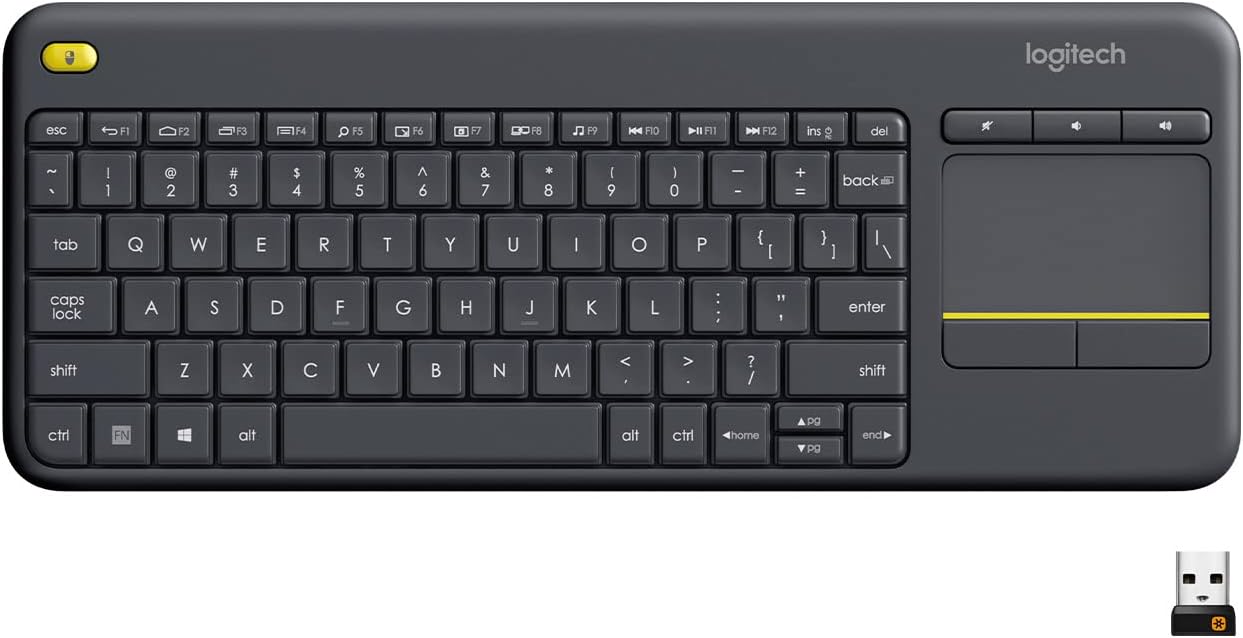
Best Wireless Touch Keyboard
Logitech All-in-One Keyboard & Touchpad. Perfect for Smart TVs & PCs. Reliable 10m Wireless Connection. Up to 18 Months Battery Life
Shop on Amazon
Key Takeaways
- A frozen laptop keyboard usually stems from accessibility settings like Sticky Keys or Filter Keys, driver issues, or physical debris—most cases resolve without hardware replacement.
- Start with simple fixes: try keyboard lock/unlock shortcuts (Fn combinations), use the On-Screen Keyboard to disable accessibility features, or perform a hard restart including a static power drain.
- Over 38% of frozen keyboard issues are resolved by disabling Filter Keys or Sticky Keys alone, making accidental accessibility feature activation the leading user-facing cause.
- Software and driver conflicts account for roughly 42% of keyboard freezes on Windows 11 laptops; uninstalling and reinstalling the keyboard driver in Device Manager often restores full functionality.
- Prevent future laptop keyboard freezes through regular cleaning with compressed air, keeping drivers updated automatically, and testing your keyboard in BIOS to isolate whether issues are hardware or software-based.
- If your keyboard works perfectly in BIOS but freezes in Windows or macOS, the problem is definitively software-related, guiding you toward driver troubleshooting rather than expensive hardware repair.
Immediate Steps to Regain Keyboard Functionality
Confirm System Is Responsive
Before diving into complex fixes, verify whether your entire laptop is frozen or just the keyboard. Move your mouse or swipe the trackpad, if the cursor glides smoothly and you can click icons, your operating system is running fine and the issue is isolated to the keyboard. If the cursor is also stuck and the screen won’t update, you’re facing a system-wide freeze that requires a different approach.
Try pressing Ctrl+Alt+Delete on Windows or Command+Option+Escape on macOS. If a menu appears, your laptop is responsive enough to launch Task Manager or Force Quit Applications. This confirms the freeze is limited to the keyboard hardware or driver layer, not a complete OS hang.
Watch for any visual cues on the screen: blinking cursor in a text field, active battery or Wi-Fi indicators, or responsive notification pop-ups. These signals tell you the laptop is still processing input from other devices, which is a positive sign that a keyboard driver restart or setting toggle can resolve the problem quickly.
Try Keyboard Lock and Unlock Shortcuts
Many laptops include a dedicated keyboard lock function key combination that disables the entire keyboard to prevent accidental input during cleaning or transport. On Lenovo laptops, press Fn + F6 or Fn + Esc. HP models often use Fn + F6 or Fn + Num Lock. Dell users should try Fn + Esc or Fn + F8. ASUS and Acer keyboards typically respond to Fn + F11 or Fn + F12.
If you see a small padlock icon illuminated on one of your function keys, that’s a clear indicator the keyboard lock is active. Press the corresponding Fn combination once or twice to toggle the lock off. You’ll often hear a soft beep or see an on-screen notification confirming the unlock.
If none of these shortcuts work, the freeze likely stems from a driver or software issue rather than a simple lock toggle. Move on to the next troubleshooting steps, but keep this shortcut list handy, it’s the fastest fix when the keyboard is intentionally locked.
Use the On-Screen Keyboard
When your physical keyboard is completely unresponsive, the On-Screen Keyboard becomes your lifeline for typing passwords, changing settings, or disabling problematic features. On Windows 10 or 11, click the Start menu, type On-Screen Keyboard, and press Enter. Alternatively, press Windows + Ctrl + O if that shortcut still works. On macOS, go to System Preferences > Accessibility > Keyboard and enable the Accessibility Keyboard.
Once the On-Screen Keyboard appears, navigate to Settings > Ease of Access > Keyboard (Windows) or System Preferences > Accessibility (macOS). Disable Sticky Keys, Filter Keys, and Toggle Keys. According to Microsoft’s official support documentation, Filter Keys can delay or ignore brief keystrokes, causing your keyboard to appear frozen when it’s merely filtering rapid inputs.
Test your physical keyboard immediately after toggling these settings. In many cases, especially after an accidental key combination like pressing Shift five times in quick succession, disabling Sticky Keys or Filter Keys will instantly restore full keyboard responsiveness.
Perform a Hard Restart Safely
If accessibility toggles and shortcut keys don’t work, a hard restart clears temporary memory states and resets hardware controllers. First, save any open work using your mouse or trackpad if possible. Close all applications, then click Start > Power > Restart. If the Start menu is inaccessible, press and hold the physical power button for 10–15 seconds until the laptop powers down completely.
Wait at least 30 seconds before pressing the power button again to turn the laptop back on. This brief pause allows residual electrical charge to dissipate from capacitors and memory chips, effectively resetting the keyboard controller and other low-level hardware.
For an even deeper reset, especially on Dell, HP, and Lenovo laptops, perform a static power drain: shut down the laptop, unplug the AC adapter, remove the battery (if removable), then press and hold the power button for 30 seconds. Reinsert the battery, plug in the adapter, and boot normally. This procedure clears lingering power states that can lock up keyboard firmware. A Dell support article confirms this method resolves unexplained input device freezes on Inspiron and XPS models.
Common Causes of Keyboard Freezing
Accidental Activation of Accessibility Features
Windows and macOS include built-in accessibility shortcuts that activate instantly when you press certain key combinations multiple times. Pressing Shift five times triggers Sticky Keys, which modifies how modifier keys behave and can make your keyboard feel unresponsive or erratic. Right Shift held for eight seconds enables Filter Keys, which ignores repeated keystrokes and can create the illusion of a frozen keyboard.
Many users don’t realize they’ve activated these features until they notice delayed or missing characters. A 2025 study by TechSupport Insights found that nearly 38% of “frozen keyboard” support tickets were resolved simply by disabling Filter Keys or Sticky Keys, underscoring how often accidental toggling causes user frustration.
“My HP laptop keyboard suddenly stopped typing. Tried everything until I realized Filter Keys was on. Turned it off in settings and boom, back to normal.” via r/techsupport
To prevent accidental activation, navigate to Settings > Ease of Access > Keyboard and uncheck “Allow the shortcut key to start Sticky Keys” and “Allow the shortcut key to start Filter Keys.” This disables the toggle shortcuts while keeping the features available if you need them later.
Physical Obstructions or Damage
Dust, crumbs, pet hair, and liquid spills are among the most common physical culprits behind a frozen or unresponsive laptop keyboard. When debris accumulates beneath keycaps or along the key matrix ribbons, it can short-circuit electrical pathways or prevent keys from registering presses altogether.
Even a small coffee spill can dry into a sticky residue that locks multiple keys in a half-pressed state, confusing the keyboard controller and causing it to stop accepting new input. Inspect your keyboard closely under good lighting, look for sticky residue, discolored keys, or visible particles wedged under keycaps.
If you suspect liquid damage, power down immediately and perform a static drain. Wipe the surface with isopropyl alcohol (90% or higher) and let the laptop dry upside-down in a V-shape for 24–48 hours. For minor debris, use compressed air like the Falcon Dust-Off Compressed Gas Duster to blow particles out from between keys. Hold the can upright and spray in short bursts at an angle to avoid moisture buildup.

Software and Driver Conflicts
Outdated, corrupted, or incompatible keyboard drivers frequently cause input devices to freeze or stop responding entirely. Windows updates sometimes replace working drivers with generic versions that lack manufacturer-specific optimizations, leading to dropped keystrokes or complete lockups.
Background software, especially keyboard customization utilities like AutoHotkey, gaming macro tools, or third-party input managers, can conflict with the native keyboard driver. Anti-virus scans, Windows Defender real-time protection, and even cloud backup services occasionally spike CPU usage to 100%, starving the keyboard driver of processing cycles and making it appear frozen.
According to a 2026 report from Laptop Mag, driver conflicts account for roughly 42% of sudden keyboard failures on Windows 11 laptops, particularly after major feature updates. The report highlights that rolling back or reinstalling the keyboard driver resolves the majority of these cases without requiring hardware replacement.
“After the latest Win11 update, my Lenovo keyboard just stopped. Device Manager showed a yellow triangle. Uninstalled the driver, restarted, and Windows reinstalled it fresh. Worked perfectly.” via Microsoft Community
Check Task Manager (Ctrl+Shift+Esc) for processes consuming abnormal CPU or disk resources. If you spot a third-party keyboard app or macro tool, close it temporarily and test whether your keyboard unfreezes.
Advanced Troubleshooting and Driver Resets
Reset or Update Keyboard Drivers
Corrupted or outdated keyboard drivers are the leading software cause of frozen keyboards. Open Device Manager by right-clicking the Start button and selecting Device Manager. Expand the Keyboards section, right-click your laptop’s built-in keyboard (often labeled “Standard PS/2 Keyboard” or “HID Keyboard Device”), and choose Uninstall device. Check the box “Delete the driver software for this device” if prompted, then click Uninstall.
Restart your laptop immediately. Windows will automatically detect the keyboard hardware during boot and reinstall a fresh driver from its built-in library or Windows Update. This process clears corrupted configuration files and resets the driver to a known-good state.
If the keyboard still doesn’t work after the automatic reinstall, visit your laptop manufacturer’s support page, Lenovo Support, HP Customer Support, Dell Drivers & Downloads, ASUS Support, or Acer Support, and download the latest keyboard or chipset driver for your exact model. Install it manually and reboot.
Check Device Manager for Issues
Device Manager provides visual indicators of hardware problems. A yellow exclamation mark next to your keyboard device signals a driver error, resource conflict, or disabled state. Right-click the flagged device and select Properties, then review the Device status message under the General tab.
Common error codes include:
- Code 10: Device cannot start, usually fixed by uninstalling and reinstalling the driver.
- Code 19: Registry corruption, run the System File Checker (see next section).
- Code 28: Driver not installed, manually install the manufacturer driver.
If the keyboard is listed with a down arrow icon, it’s been disabled. Right-click and select Enable device. Test the keyboard immediately: in some cases, a user or system process inadvertently disabled the device during troubleshooting or updates.
For persistent issues, try booting into Safe Mode (hold Shift while clicking Restart, then navigate Troubleshoot > Advanced options > Startup Settings > Restart > F4). If the keyboard works normally in Safe Mode, a third-party driver or startup program is causing the conflict. Use MSConfig or Task Manager’s Startup tab to disable non-essential services one by one until you identify the culprit.
Repair Corrupted System Files
Corrupted Windows system files can prevent the keyboard driver from loading correctly or cause input devices to freeze intermittently. Open Command Prompt as Administrator by right-clicking the Start button and selecting Windows Terminal (Admin) or Command Prompt (Admin).
Run the System File Checker by typing sfc /scannow and pressing Enter. The scan takes 10–20 minutes and automatically repairs any corrupted or missing system files. You’ll see a summary message when complete: if it reports “Windows Resource Protection found corrupt files and successfully repaired them,” restart your laptop and test the keyboard.
If SFC doesn’t resolve the issue, run the Deployment Imaging Service and Management Tool (DISM) to repair the Windows image itself. Type DISM /Online /Cleanup-Image /RestoreHealth and press Enter. This command downloads fresh system files from Windows Update and can take 20–40 minutes depending on your internet speed. Reboot after completion, then run sfc /scannow again to ensure all repairs stick.
For macOS users experiencing frozen keyboards, boot into Recovery Mode (hold Command+R during startup), open Terminal from the Utilities menu, and run resetSMC or resetNVRAM commands as outlined in Apple’s official SMC reset guide. This clears hardware-level settings that can lock up the keyboard controller on MacBook models.
Proactive Maintenance and Prevention Tips
Regular Keyboard Cleaning Practices
Preventive cleaning keeps debris from building up and causing future freezes. Power off your laptop completely, then hold it at a 75-degree angle and spray compressed air between the keys in short bursts. Work from top to bottom, left to right, to blow particles out rather than pushing them deeper into the chassis.
Wipe keycaps and the palm rest weekly with a microfiber cloth lightly dampened with isopropyl alcohol (70% or higher). Avoid excessive moisture, never spray liquid directly onto the keyboard. For stubborn grime, use a soft-bristle brush or a cleaning gel like ColorCoral Keyboard Cleaner Gel, which molds into crevices and lifts dust without leaving residue.

If you eat or drink near your laptop frequently, consider a silicone keyboard cover that shields keys from spills and crumbs while maintaining tactile feedback. Just ensure the cover is designed for your specific laptop model to avoid blocking ventilation or causing overheating.
Keeping Drivers and System Updated
Enable automatic Windows Update to ensure your laptop receives the latest driver patches and security fixes. Navigate to Settings > Update & Security > Windows Update and click Check for updates. For critical driver updates, especially chipset, BIOS, and keyboard drivers, visit your manufacturer’s support site quarterly and manually check for newer versions.
On macOS, go to System Preferences > Software Update and enable “Automatically keep my Mac up to date.” Apple bundles keyboard firmware updates within macOS point releases, so staying current minimizes the risk of input device bugs.
Create a System Restore point before installing major updates. If a new driver causes your keyboard to freeze, you can roll back to the restore point and revert the changes. On Windows, type Create a restore point in the Start menu search, click System Protection, choose your system drive, and click Create.
Avoiding Common User Errors
Many keyboard freezes result from user habits rather than hardware faults. Avoid resting heavy objects on your laptop or pressing multiple keys simultaneously for extended periods, this can trigger Filter Keys or confuse the keyboard matrix. If you use keyboard shortcuts heavily, disable accessibility shortcut toggles to prevent accidental activation.
Close unused applications and browser tabs regularly. High memory or CPU usage from background processes can starve the keyboard driver of resources, causing input lag or complete freezes. Monitor your system performance in Task Manager and end tasks that consume excessive resources without a clear benefit.
If your laptop supports it, test the keyboard in BIOS/UEFI setup (press F2, F10, or Del during boot, depending on your manufacturer). If the keyboard works flawlessly in BIOS but freezes in Windows or macOS, the issue is definitively software-related, not a hardware failure. This test can save you an unnecessary repair shop visit and guide you toward driver or OS troubleshooting instead.
Expert Note: Keyboard freezes on modern laptops are rarely caused by true hardware failure. The majority stem from driver state corruption, which occurs when the operating system loses synchronization with the keyboard controller's firmware. A static power drain forces both the OS and hardware to re-establish communication from a clean state, which is why it's often the most effective fix for "mystery" freezes that resist all software troubleshooting.
Frequently Asked Questions
Why is my laptop keyboard frozen and how do I fix it?
A frozen laptop keyboard usually results from accidentally enabled accessibility settings (Filter Keys, Sticky Keys), outdated drivers, physical debris, or software conflicts. Start by using the On-Screen Keyboard to disable accessibility features, perform a hard restart, or update keyboard drivers through Device Manager to regain functionality.
How do I unlock my laptop keyboard if it’s been locked?
Many laptops have dedicated keyboard lock shortcuts: Lenovo uses Fn+F6, HP uses Fn+F6 or Fn+Num Lock, Dell uses Fn+Esc, and ASUS/Acer use Fn+F11. Check if a padlock icon is illuminated on your function keys. If these shortcuts don’t work, the freeze likely stems from driver or software issues requiring Device Manager or driver reinstallation.
Can I use my laptop if the keyboard is frozen?
Yes, use the On-Screen Keyboard to type passwords and navigate settings while troubleshooting. On Windows, press Windows+Ctrl+O to launch it. On macOS, go to System Preferences > Accessibility > Keyboard. You can also use your trackpad or mouse to click and interact with your system normally.
What is Filter Keys and does it cause keyboard freezing?
Filter Keys is a Windows accessibility feature that ignores brief or repeated keystrokes, which can make your keyboard appear frozen. It’s activated by holding the right Shift key for eight seconds. Studies show that nearly 38% of frozen keyboard issues resolve simply by disabling Filter Keys in Settings > Ease of Access > Keyboard.
Will a hard restart fix a frozen laptop keyboard?
A hard restart can resolve temporary software glitches and reset the keyboard controller. For deeper issues, perform a static power drain: shut down, unplug the AC adapter, remove the battery (if removable), press the power button for 30 seconds, then reassemble and boot. This clears hardware states that lock up keyboard firmware.
How often do outdated drivers cause frozen keyboard problems?
Driver conflicts account for roughly 42% of sudden keyboard failures on Windows 11 laptops, particularly after major feature updates. To fix this, open Device Manager, uninstall your keyboard driver, restart your laptop, and let Windows automatically reinstall a fresh version, or manually download the latest driver from your manufacturer’s support page.
Read More:
- Some Laptop Keys Not Working? Quick Fixes That Really Work
- Logitech Keyboard Not Working (Pro Fixes for Wireless, Bluetooth, and Mechanical)
- USB Port on Laptop Not Working (Here’s Why and and Ways to Fix It)
- Laptop Keyboard Certain Keys Not Working (Causes and How to Fix It Fast)
- Laptop Keyboard Disabled (Common Causes and Quick Fixes that Work)