
You sit down to type an email, press a key, and hear a sharp click or beep. Nothing appears on screen. You press again, same clicking sound, zero letters. Your laptop keyboard just makes clicking noise instead of typing, and you’re convinced it’s broken.
The good news: in most cases, this clicking sound is triggered by Windows accessibility features (Filter Keys, Toggle Keys, or Sticky Keys) or audio feedback settings, not physical hardware failure. Your keyboard isn’t dead: it’s just temporarily suppressed by a software setting that produces an audible click or beep when you press a key. By turning off these accessibility shortcuts in Windows Settings, disabling keyboard sound schemes, or updating your keyboard driver in Device Manager, you can restore normal typing functionality within minutes.
This guide walks you through every proven fix, from disabling Filter Keys in Windows 10 and Windows 11 to testing keyboard responsiveness in Safe Mode and BIOS. Whether you own a Lenovo, HP, Dell, ASUS, Acer, Apple MacBook, or MSI laptop, you’ll find step-by-step instructions to stop the clicking noise and get your keyboard typing letters again.
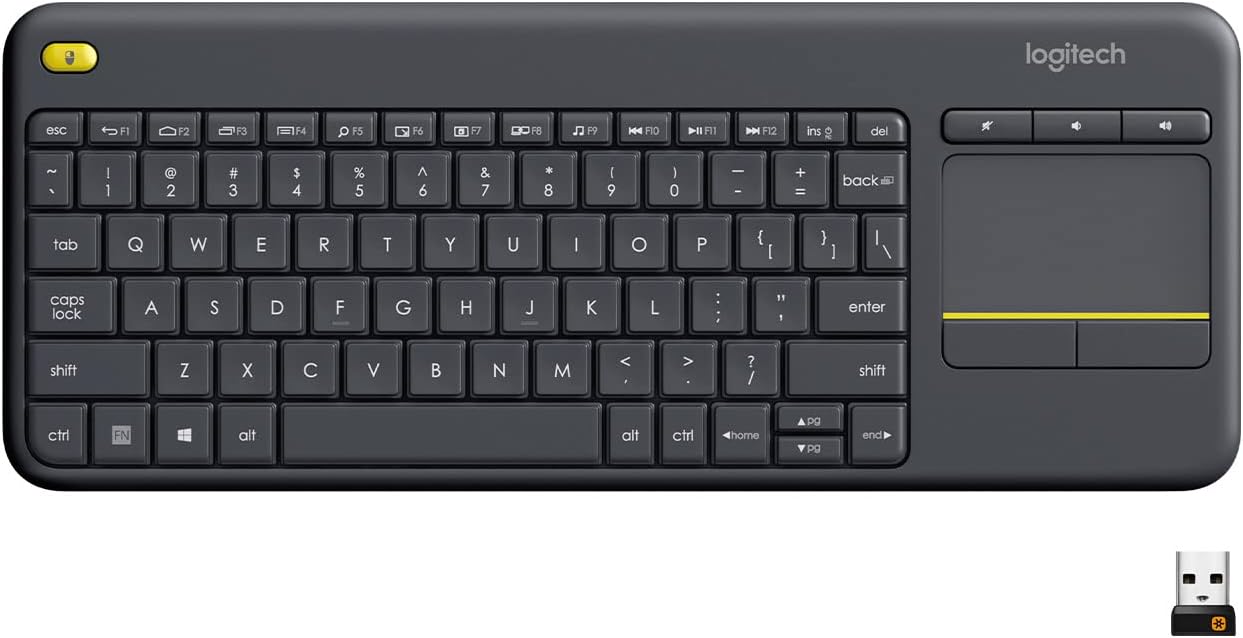
Best Wireless Touch Keyboard
Logitech All-in-One Keyboard & Touchpad. Perfect for Smart TVs & PCs. Reliable 10m Wireless Connection. Up to 18 Months Battery Life
Shop on Amazon
Key Takeaways
- Laptop keyboard clicking noise is usually caused by Windows accessibility features like Filter Keys, Toggle Keys, or Sticky Keys—not hardware failure—and can be fixed by disabling these settings in Windows Ease of Access or Accessibility menu.
- Differentiate between physical clicks from keyboard mechanisms and audio clicks from software by muting your speakers; if the clicking stops, it’s a software issue rather than a mechanical keyboard problem.
- Disable accessibility keyboard shortcuts permanently in Windows 10 and Windows 11 settings to prevent accidental re-activation of Filter Keys through the five-second right-Shift shortcut.
- Test your keyboard in Safe Mode and BIOS to determine if the clicking is caused by third-party software interference or a hardware defect; if typing works in Safe Mode but not in normal Windows, uninstall recent apps or update keyboard drivers.
- If clicking persists after disabling accessibility features, updating drivers, and testing in Safe Mode, seek professional assistance as you may have a hardware issue like a loose ribbon cable or keyboard controller chip failure.
Identifying the Source of Keyboard Clicking Sounds
Differentiating Physical and Audio Clicks
Physical clicks come from the mechanical components inside your keyboard. Laptop keyboards use either membrane switches or scissor-switch mechanisms. When you press a key, the keycap compresses a rubber dome or activates a scissor hinge, and both designs produce a faint tactile sound. That’s normal.
Audio clicks, on the other hand, are digital sound effects played through your laptop’s speakers or headphones. Windows accessibility features, specifically Filter Keys and Toggle Keys, generate these beeps or clicking sounds as confirmation tones. They’re software-generated, not mechanical. If the click stops when you mute your speakers, it’s an audio feedback issue, not a physical switch problem.
Common Symptoms Involving Clicking Noises
Typical symptoms include a single click or beep every time you press a key, yet no characters appear in Notepad, Word, or your browser’s address bar. Some users report a double beep when they press Shift, Ctrl, or Caps Lock. Others hear a continuous clicking sound if they hold down a key.
In every scenario, the root cause is the same: an accessibility setting is intercepting your keystrokes and playing an audio alert instead of registering the input. According to user reports on Microsoft Community forums, Filter Keys is the most frequent culprit, particularly after an accidental keyboard shortcut activation.
Types of Laptops and Keyboards Affected
This issue affects all major laptop brands, Lenovo ThinkPad and IdeaPad, HP Pavilion and Envy, Dell Inspiron and XPS, ASUS VivoBook and ZenBook, Acer Aspire and Swift, Apple MacBook Pro and Air, and MSI gaming laptops. Both membrane and scissor-switch keyboards can exhibit the clicking noise symptom.
Windows 10 and Windows 11 ship with accessibility features enabled by default, and a five-second press of the right Shift key triggers Filter Keys. macOS has similar VoiceOver and Key Repeat settings, though the clicking behavior is less common. The problem spans operating systems, keyboard types, and laptop models.
Accessibility Features That Cause Keyboard Clicking
Understanding Sticky, Filter, and Toggle Keys
Windows offers three main accessibility shortcuts: Sticky Keys, Filter Keys, and Toggle Keys. Sticky Keys lets you press modifier keys (Shift, Ctrl, Alt) one at a time instead of simultaneously. It beeps when you press a modifier. Filter Keys ignores brief or repeated keystrokes, useful for users with tremors. It plays a clicking sound to confirm each valid press. Toggle Keys beeps when you press Caps Lock, Num Lock, or Scroll Lock.
All three features produce audio feedback, but Filter Keys is the most common source of persistent clicking. Once activated, it intercepts every keystroke and plays a beep, preventing characters from appearing until you meet the timing threshold it enforces.
How Accessibility Settings Interfere With Typing
When Filter Keys is active, Windows requires you to hold a key for a minimum duration before it registers. If you type quickly or tap a key briefly, the OS discards that input and plays a click to signal rejection. You hear the sound, but nothing shows up on screen.
“My laptop keyboard was making clicking sounds and not typing. Turns out Filter Keys was on. Turned it off in Ease of Access, problem solved instantly.” via r/techsupport
Toggle Keys and Sticky Keys can also interfere, especially if you rely on Caps Lock or frequently use Shift. The beeps become distracting, and the OS may queue or skip keystrokes.
Disabling Problematic Accessibility Options
Windows 10: Open Settings → Ease of Access → Keyboard. Toggle off Sticky Keys, Filter Keys, and Toggle Keys. Uncheck “Allow the shortcut key to start Filter Keys” to prevent accidental re-activation.
Windows 11: Go to Settings → Accessibility → Keyboard. Turn off all three features. Disable their keyboard shortcuts under each setting’s advanced options.
macOS: Open System Preferences → Accessibility → Keyboard. Disable Slow Keys (the Mac equivalent of Filter Keys) and uncheck Use Slow Keys. Turn off VoiceOver if it’s generating audio feedback.
After disabling these settings, test your keyboard in a text editor. In most cases, the clicking stops immediately and typing resumes.
Troubleshooting and Resolving Keyboard Noise Issues
Checking and Updating Keyboard Drivers
Outdated or corrupt keyboard drivers can cause erratic behavior, including phantom clicks or non-responsive keys. Right-click the Start button and select Device Manager. Expand Keyboards, right-click your keyboard device (usually “Standard PS/2 Keyboard” or “HID Keyboard Device”), and choose Update driver → Search automatically for drivers.
If Windows reports your driver is current but the issue persists, try Uninstall device, then restart your laptop. Windows will reinstall the driver automatically. For brand-specific drivers (Lenovo, HP, Dell), visit the manufacturer’s support site, enter your model number, and download the latest keyboard or chipset driver.
Running the Keyboard Troubleshooter
Windows includes a built-in troubleshooter that can detect and fix common keyboard issues. Open Settings → Update & Security → Troubleshoot → Additional troubleshooters (Windows 10) or Settings → System → Troubleshoot → Other troubleshooters (Windows 11). Select Keyboard and click Run the troubleshooter.
The tool scans for driver conflicts, incorrect registry entries, and accessibility settings that block input. It may prompt you to disable Filter Keys or reset keyboard settings. Follow the on-screen instructions and restart if advised.
Dealing With On-Screen Keyboard and Physical Hardware
If the on-screen keyboard (OSK) types normally but your physical keyboard clicks and doesn’t type, the issue is hardware-related or driver-specific. Test your physical keyboard in Safe Mode: hold Shift while clicking Restart, then navigate to Troubleshoot → Advanced options → Startup Settings → Restart → press 4 for Safe Mode.
If typing works in Safe Mode, a third-party app or driver is interfering. Uninstall recent software, especially keyboard utilities, macro tools, or gaming overlays. If the clicking persists in Safe Mode, access your BIOS/UEFI (press F2, Del, or Esc during boot) and test typing in the BIOS menu. BIOS bypasses Windows entirely, so if keys register there, your keyboard hardware is fine and the problem is software-based.
Role of Power Management and USB Connections
Power management can disable USB keyboards to save battery. In Device Manager, expand Keyboards, right-click your keyboard, select Properties → Power Management, and uncheck Allow the computer to turn off this device to save power.
If you use an external USB keyboard and it clicks, try a different USB port or unplug and replug the cable. For wireless keyboards, replace batteries and re-pair the Bluetooth connection. Internal laptop keyboards connect via a ribbon cable: if physical cleaning doesn’t help, the cable may be loose or damaged.
Preventive Measures and Additional Tips for Smooth Typing
Avoiding Accidental Activation of Accessibility Shortcuts
The five-second right-Shift shortcut for Filter Keys is easy to trigger by accident. Disable all accessibility keyboard shortcuts permanently: in Windows 10, go to Settings → Ease of Access → Keyboard and uncheck every “Allow the shortcut key” option. In Windows 11, navigate to Settings → Accessibility → Keyboard and turn off shortcuts for Sticky Keys, Filter Keys, and Toggle Keys.
Educate yourself on common shortcuts. Pressing Shift five times activates Sticky Keys: holding right Shift for eight seconds turns on Filter Keys: holding Num Lock for five seconds enables Toggle Keys. Avoid these patterns during normal typing or gaming.
Maintaining Keyboard Software and Hardware Health
Keep Windows updated: Settings → Update & Security → Windows Update → Check for updates. Microsoft periodically patches keyboard input bugs and accessibility feature glitches. Install chipset and keyboard firmware updates from your laptop manufacturer’s support page.
Physically, clean your keyboard every few months. Power off your laptop, tilt it, and tap gently to dislodge crumbs. Use compressed air to blow out dust from under keycaps. For sticky keys, dampen a microfiber cloth with isopropyl alcohol (70% or higher) and wipe each keycap. Avoid liquid spills: if you spill, power off immediately, flip the laptop upside-down, and let it dry for 24–48 hours.
Consider a protective keyboard cover for your specific laptop model, available on Amazon, to prevent debris accumulation. For a permanent upgrade, an external mechanical keyboard can offer superior tactile feedback and durability.

When to Seek Professional Assistance
If you’ve disabled all accessibility features, updated drivers, tested in Safe Mode and BIOS, and the clicking persists with no text output, you may have a hardware fault. Common culprits include a damaged keyboard ribbon cable, a failing keyboard controller chip, or liquid corrosion on the keyboard PCB.
“I tried everything, Filter Keys off, drivers updated, Safe Mode test. Finally took it to a repair shop. Ribbon cable was loose. $40 fix.” via r/techsupport
Contact your laptop manufacturer’s support line or visit an authorized service center. If your laptop is under warranty, keyboard repairs or replacements are often covered. For out-of-warranty devices, ask for a diagnostic fee estimate before authorizing repairs. Alternatively, use an external USB or Bluetooth keyboard as a temporary or permanent workaround while you decide on repair or replacement.
Frequently Asked Questions
Why is my laptop keyboard just making clicking noise and not typing?
Your laptop keyboard clicking without typing is usually caused by Windows accessibility features like Filter Keys, Toggle Keys, or Sticky Keys—not hardware failure. These software settings play audio feedback instead of registering keystrokes. Disabling them in Settings or Ease of Access typically restores normal typing within minutes.
How do I turn off Filter Keys on Windows 11?
Go to Settings → Accessibility → Keyboard. Turn off Filter Keys and disable its keyboard shortcut in advanced options. This prevents accidental re-activation. If you’re on Windows 10, navigate to Settings → Ease of Access → Keyboard and toggle off Filter Keys instead.
What’s the difference between a physical click and an audio click on keyboards?
Physical clicks come from mechanical keyboard components (rubber domes or scissor switches)—that’s normal. Audio clicks are digital sound effects generated by Windows accessibility features like Filter Keys or Toggle Keys. If muting speakers stops the clicking, it’s software-based, not hardware.
Can I test my laptop keyboard in Safe Mode to diagnose clicking issues?
Yes. Hold Shift while restarting, then select Troubleshoot → Advanced options → Startup Settings → Safe Mode. If your keyboard types normally in Safe Mode but clicks in Windows, a third-party app or driver is interfering. If clicking persists, test typing in BIOS to confirm hardware functionality.
What should I do if disabling accessibility features doesn’t fix the keyboard clicking noise?
Update your keyboard drivers via Device Manager. Run Windows Troubleshooter for keyboard issues. If clicking continues and BIOS shows normal operation, test in Safe Mode. If all software fixes fail, you may have a hardware issue like a loose ribbon cable—contact your laptop manufacturer’s support or visit a repair shop.
Is keyboard clicking noise common on laptops like HP, Dell, and Lenovo?
Yes, keyboard clicking noise affects all major brands—HP, Dell, Lenovo, ASUS, Acer, Apple, and MSI—because Windows 10 and Windows 11 ship with accessibility features enabled by default. The issue isn’t model-specific; it’s triggered by software settings that can be disabled in minutes.
Read More:
- Laptop Keyboard Not Working (Complete Fix Guide for All Brands)
- Letters Keyboard Not Working? 7 Proven Fixes to Get You Typing Again
- Laptop Keyboard Jumps Around When Typing (Main Reason and How to Fix It)
- Laptop Keyboard Issue (Here’s the Complete Guide to Fixing)
- Laptop Keyboard Jammed (Root Cause and How to Fix It in Minutes)