
You press “a” but see “æ.” Your keyboard outputs Cyrillic, Chinese, or French accents instead of plain English. You’re not alone, this confusing issue strikes thousands of users daily.
Your keyboard types in the wrong language because Windows or macOS has multiple input methods or keyboard layouts enabled. An accidental keyboard shortcut (Windows: Left Alt + Shift: macOS: Control + Space or Caps Lock) switches between language profiles. To fix it, remove secondary input sources in System Preferences > Keyboard > Input Sources (Mac) or Settings > Time & Language > Language & Region (Windows), then verify your default layout matches your physical keyboard.
Below, you’ll find step-by-step guides for Windows, macOS, and mobile devices, plus prevention tips to stop accidental switches for good.
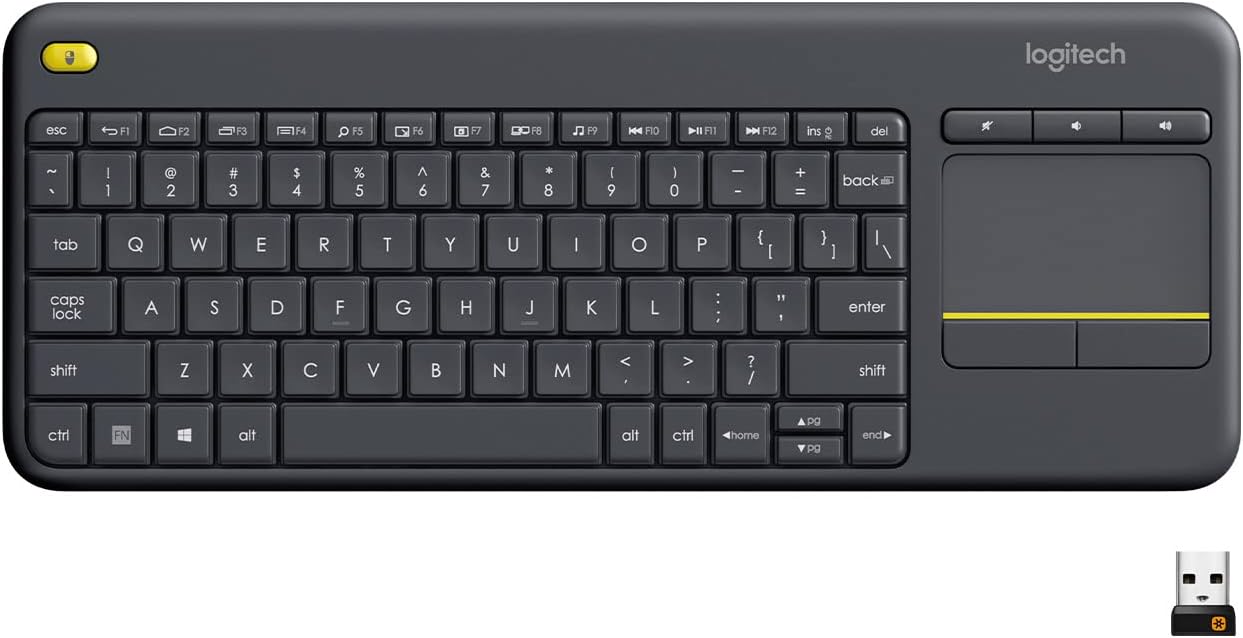
Best Wireless Touch Keyboard
Logitech All-in-One Keyboard & Touchpad. Perfect for Smart TVs & PCs. Reliable 10m Wireless Connection. Up to 18 Months Battery Life
Shop on Amazon
Key Takeaways
- Your keyboard types in the wrong language when multiple input methods or keyboard layouts are enabled—remove unwanted language profiles from your system settings to fix it.
- Accidental keyboard shortcuts like Left Alt + Shift (Windows) or Control + Space (macOS) toggle between language layouts; disable these hot keys in advanced settings to prevent accidental switches.
- On Windows 11, go to Time & Language > Language & Region to remove secondary languages and keep only your primary keyboard layout at the top of the list.
- macOS users should access System Settings > Keyboard > Input Sources to delete unused languages and change toggle shortcuts to less common key combinations.
- Mobile devices allow language switching through the globe icon or space-bar tap; keep only one keyboard language or disable the space-bar language switch in Gboard settings.
- Regularly audit installed languages after system updates, as Windows Feature Updates and macOS releases can re-enable secondary layouts or add unexpected regional keyboards.
Why Is My Keyboard Typing in the Wrong Language?
Common Causes of Language Switching
Multiple input sources installed on your system cause the majority of language mismatches. When you or a colleague adds a secondary language for a project or coursework, the operating system keeps that profile active. Each profile contains a distinct character map, English (US), English (UK), Spanish, French, German, or IME engines for Chinese, Japanese, or Korean. Your physical keyboard doesn’t change, but the software layer interprets keystrokes according to the active profile.
Shared PCs amplify the problem. If three coworkers use the same workstation and each prefers a different layout, the system cycles through profiles. You sit down, start typing, and discover your login password renders as foreign symbols. Regional settings mismatches also play a role: your display language might say English, yet your preferred keyboard language defaults to Spanish or French Canadian, especially after a major Windows update.
Accidental Keyboard Shortcuts That Change Languages
Windows assigns Left Alt + Shift (or Ctrl + Shift in older builds) to toggle between installed keyboard layouts. Press those keys while reaching for a capital letter or a hotkey, and you instantly switch from English to the next profile. You won’t see a confirmation dialog, just a tiny language indicator in the taskbar (“ENG,” “ESP,” “FRA”) that many users miss.
On macOS, Control + Space or Caps Lock (if configured) cycles input sources. A quick tap while multitasking, and your MacBook jumps from U.S. English to Canadian French or Pinyin. Mobile devices mirror this behavior: Android’s Gboard and iPhone’s stock keyboard reserve the globe icon or a long-press on the space bar to switch languages. One accidental tap floods your WhatsApp message with accented characters.
How to Fix Keyboard Language on Windows
Changing Language Settings in Windows 11
Open Settings (Win + I), then navigate to Time & Language > Language & Region. Under “Preferred languages,” you’ll see a list of installed language packs. Click the three-dot menu next to any language you don’t need and select Remove. Keep only your primary language, for example, “English (United States)”, at the top of the list.
Next, click your remaining language and select Language options. Under “Keyboards,” remove any unwanted layouts. If you see “US International,” “US QWERTY,” and “Spanish (Spain),” delete everything except your physical keyboard’s layout. Click Add a keyboard only if you genuinely need a specialized layout. Reboot to clear cached IME states. After restart, press a few keys in Notepad to confirm output matches your expectations.
Removing Unwanted Keyboard Layouts
Right-click the language indicator in the system tray (usually “ENG”) and choose Language preferences. This shortcut lands you in the same Language & Region panel. Alternatively, search the Start menu for “Edit language and keyboard options.” Once inside, expand each language entry and inspect installed keyboards. Delete duplicates or foreign layouts.
If layouts reappear after removal, open Device Manager (Win + X > Device Manager), expand Keyboards, right-click your device, and select Uninstall device. Check “Delete the driver software for this device” if available, then reboot. Windows will reinstall the default driver, often clearing ghost profiles.
For persistent issues, consider NordVPN to secure your PC while you download updated keyboard drivers from the manufacturer’s site, or use Driver Booster to automate driver updates and eliminate buggy input software.

Stay Private. Stay Secure.
Browse the internet with greater privacy and security with NordVPN. Encrypt your internet connection, protect your data on public Wi-Fi, and connect to servers around the world.
Get NordVPNHow to Fix Keyboard Language on Mac
Adjusting Input Sources in macOS
Click the Apple menu > System Settings (macOS Ventura and later) or System Preferences (earlier versions), then select Keyboard. In the left sidebar, choose Input Sources. You’ll see a list of enabled keyboards and input methods. Click the (–) minus button to remove any language you don’t use. Leave only your primary layout, typically “U.S.” or “British” English.
If you need multiple layouts, uncheck “Show Input menu in menu bar” temporarily to avoid accidental switches, or change the keyboard shortcut under Keyboard Shortcuts > Input Sources. Replace Control + Space with a less common combination, such as Option + Command + Space. Test your new setup in TextEdit: type a few sentences and watch for stray accents or symbols. If characters still misbehave, restart your Mac to flush input method caches.
For a hardware upgrade that eliminates layout confusion, consider the Keychron K8 Pro Mechanical Keyboard. Its hot-swappable switches and clear keycap legends help you match physical keys to your selected macOS layout, reducing guesswork and typos.

Fixing Keyboard Language Issues on Mobile Devices
Android Keyboard Language Settings
Open Settings > System > Languages & input > On-screen keyboard. Tap your keyboard app (Gboard, SwiftKey, or Samsung Keyboard), then select Languages. Remove every language you don’t type regularly. For Gboard, long-press a language and drag it to the trash icon. Keep one primary language to eliminate the globe icon from your keyboard.
If you must keep two languages, disable the space-bar language switch: in Gboard’s settings, go to Preferences and toggle off “Show language switch key.” This prevents accidental taps when hitting space. Test in any messaging app, your keyboard should no longer flip to a foreign script mid-sentence.
iPhone and iPad Keyboard Configuration
Navigate to Settings > General > Keyboard > Keyboards. Tap Edit in the top-right corner, then tap the red minus circle next to unwanted languages and press Delete. Leave only your native keyboard, such as “English (US).” If you see “Emoji” or “Memoji,” those are safe to keep, they don’t change character output.
Disable the globe-key shortcut by removing all but one language. With a single keyboard installed, the globe icon vanishes. For bilingual users, Apple offers no setting to lock the globe key, so your best bet is mindful typing or a Logitech K380 Multi-Device Bluetooth Keyboard (affiliate link) paired to your iPad, giving you a full-size layout that reduces thumb-slip errors on the touchscreen.

How to Prevent Your Keyboard from Switching Languages
Disable toggle shortcuts in Windows by opening Settings > Time & Language > Typing > Advanced keyboard settings. Click “Input language hot keys” (this opens the legacy Text Services and Input Languages dialog). Under “Key sequence,” set both “Switch Input Language” and “Switch Keyboard Layout” to “Not Assigned.” Click Apply, then OK. This removes Left Alt + Shift and Ctrl + Shift triggers, locking your layout.
On macOS, open System Settings > Keyboard > Keyboard Shortcuts > Input Sources and uncheck “Select the previous input source” and “Select next source in Input menu.” Alternatively, assign those shortcuts to obscure combinations you’ll never press accidentally. Mobile users should stick to a single keyboard language or use third-party apps like SwiftKey, which allow custom gesture controls that bypass the globe key.
“I kept hitting Alt+Shift by accident in Excel and switching to French. Disabling the hot key in Advanced keyboard settings finally stopped it.” via r/Windows11
Regularly audit your installed languages after software updates. Windows Feature Updates and macOS point releases sometimes re-enable secondary layouts or add regional keyboards. Check Language & Region (Windows) or Input Sources (macOS) every few months.
By removing unused profiles, disabling toggle shortcuts, and keeping drivers current, you ensure every keystroke outputs the character you intend, no more surprise foreign scripts or accented letters derailing your workflow.
Frequently Asked Questions
Why is my keyboard typing in the wrong language?
Your keyboard types in the wrong language because Windows or macOS has multiple input methods or keyboard layouts enabled. An accidental keyboard shortcut (Windows: Left Alt + Shift; macOS: Control + Space) switches between language profiles. Remove unused input sources in System Preferences or Settings to fix it.
What keyboard shortcut accidentally switches languages on Windows?
On Windows, pressing Left Alt + Shift (or Ctrl + Shift in older builds) toggles between installed keyboard layouts. This happens accidentally when reaching for capital letters or hotkeys. You can disable these shortcuts in Settings > Time & Language > Typing > Advanced keyboard settings by setting them to ‘Not Assigned’.
How do I remove unwanted keyboard layouts on macOS?
Click Apple menu > System Settings > Keyboard > Input Sources. Select unwanted languages and click the minus button to remove them. Keep only your primary layout. Optionally, change the toggle shortcut to something less common like Option + Command + Space to prevent accidental switches.
Can I disable the language switch key on my Android phone?
Yes. Open Settings > System > Languages & input > On-screen keyboard, select your keyboard app (Gboard, SwiftKey), then go to Preferences and toggle off ‘Show language switch key.’ This removes the globe icon and prevents accidental language switching mid-typing.
Why do multiple keyboard layouts get installed on Windows?
Multiple keyboard layouts are installed when users or colleagues add secondary languages for projects, coursework, or international work. Windows keeps these profiles active even after use ends. Shared PCs amplify this issue, with each user leaving their preferred layout behind, causing profiles to cycle unpredictably.
How can I permanently prevent keyboard language switching?
Disable toggle shortcuts entirely: Windows users should set ‘Switch Input Language’ and ‘Switch Keyboard Layout’ to ‘Not Assigned’ in Advanced keyboard settings. macOS users can uncheck input source shortcuts in Keyboard Shortcuts settings. Remove all unused input sources and regularly audit language settings after OS updates.
Read More:
- Keyboard Keys Are Swapped (Here’s Why and How to Fix It Fast)
- Keyboard Typing Letters Instead of Numbers (Simple Fixes That Work)
- Keyboard Layout Keeps Changing (Fix It Fast on Windows & Mac)
- Logitech Keyboard Not Working (Pro Fixes for Wireless, Bluetooth, and Mechanical)
- Some Laptop Keys Not Working? Quick Fixes That Really Work