
Your MacBook keyboard stopped responding mid-sentence, and now you’re staring at a dead key deck. Nothing registers, no login is possible, and panic sets in fast when your primary work tool locks you out.
When your MacBook keyboard is completely unresponsive, execute an SMC reset (Intel Macs) or power cycle (Apple Silicon M1/M2/M3/M4), check for Slow Keys or Mouse Keys accessibility overrides, boot into Recovery mode to isolate software versus hardware failure, clean debris with compressed air, update macOS, and evaluate Apple Service Program coverage for butterfly or scissor-switch keyboard faults.
This guide walks you through every diagnostic, reset procedure, and hardware workaround you need to restore keyboard function or bridge the gap with an external solution.
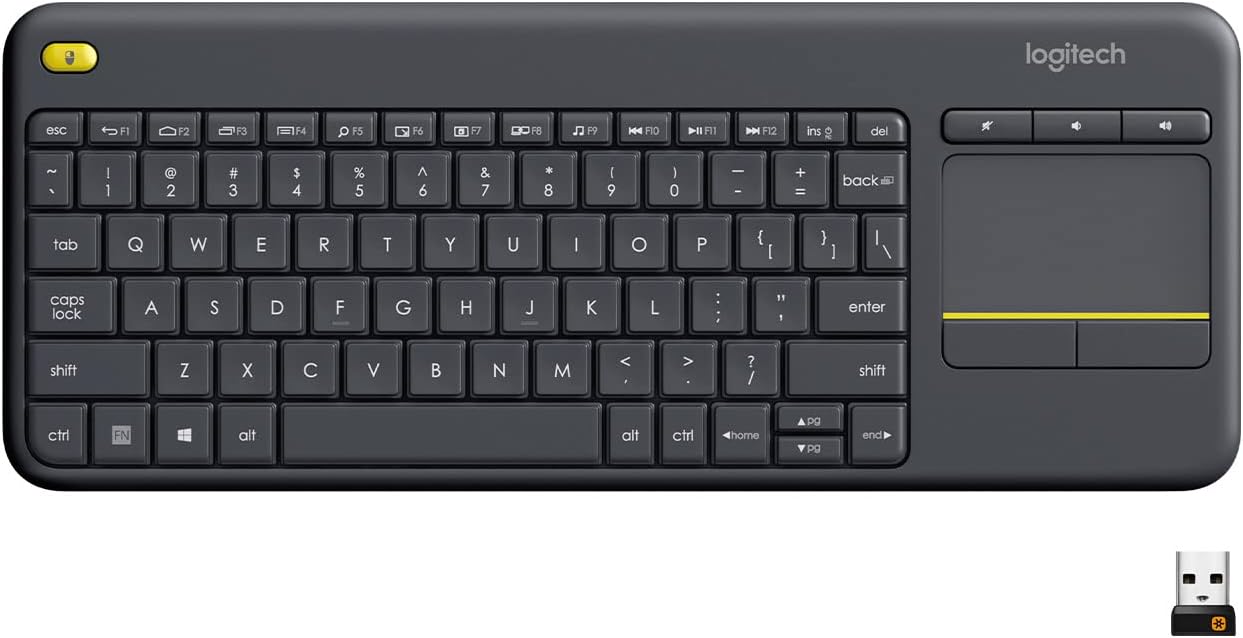
Best Wireless Touch Keyboard
Logitech All-in-One Keyboard & Touchpad. Perfect for Smart TVs & PCs. Reliable 10m Wireless Connection. Up to 18 Months Battery Life
Shop on Amazon
Key Takeaways
- A MacBook keyboard not working often stems from firmware corruption, debris, or accessibility settings—start by testing in Recovery mode to confirm whether the issue is software or hardware.
- Perform an SMC reset on Intel Macs (Shift + Control + Option + Power for 7 seconds) or a power cycle on Apple Silicon M1/M2/M3/M4 to restore keyboard controller communication with macOS.
- Clean your MacBook keyboard with compressed air at a 60–75 degree angle and isopropyl alcohol for sticky residue, avoiding vacuum cleaners that risk static discharge damage.
- Boot into Safe Mode to identify software conflicts from keyboard utilities like Karabiner-Elements or BetterTouchTool, then uninstall problematic apps using dedicated uninstallers.
- Butterfly keyboard owners (2015–2019 models) are eligible for Apple’s free Keyboard Service Program even out of warranty; contact Genius Bar or schedule repair via the Apple Support app if hardware diagnostics fail.
- Use an external USB or Bluetooth keyboard as an immediate workaround, and enable the Accessibility Keyboard via System Settings > Accessibility for login and Terminal access if no peripheral is available.
Why Your MacBook Keyboard Stops Responding
A completely unresponsive MacBook keyboard traces back to hardware defects, system-level firmware glitches, or accessibility settings that inadvertently disable input. Apple’s butterfly keyboards (2015–2019) are notorious for dust-induced double-typing and total key failure, prompting a Keyboard Service Program that covers eligible models at no cost.
Firmware corruption in the System Management Controller (SMC) or NVRAM can lock out keyboard communication with macOS, even though trackpad and external USB peripherals still function. You’ll also encounter lockouts when Slow Keys, a macOS accessibility feature requiring sustained key presses, activates by accident during a five-second Option hold.
Liquid spills short ribbon cables beneath the top case, and debris lodged under scissor-switch mechanisms prevents the butterfly or Magic Keyboard actuator from registering contact. Software conflicts from kernel extensions, faulty driver updates, or corrupted preference files occasionally sever the Human Interface Device (HID) pathway between keyboard controller and operating system.
Quick Diagnostics: Identify the Problem in Minutes
Before you dismantle anything, confirm whether the issue is software or hardware. Boot into macOS Recovery by holding Command (⌘) + R during startup on Intel Macs, or press and hold the power button until “Loading startup options” appears on Apple Silicon. If the keyboard works in Recovery, you’re facing a software or settings conflict, not a dead keyboard.
Test individual keys systematically: alphanumeric, modifier keys (Shift, Control, Option, Command), and function row (Brightness, Volume). Sporadic failures in one zone suggest debris or liquid damage. Wholesale unresponsiveness points to SMC corruption or a severed flex cable.
“MacBook Pro 2018 keyboard died overnight. Recovery mode worked fine. Deleted Karabiner extension, rebooted, keys back.” via r/macbookpro
Plug in an external USB or Bluetooth keyboard. If it works immediately, your built-in controller likely remains functional: the culprit is firmware or a stuck accessibility toggle.
Restart Your MacBook the Right Way
A hard restart clears volatile memory and re-initializes the keyboard controller. On an unresponsive machine, hold the power button for ten seconds until the screen goes black, then press it again to boot.
For Apple Silicon (M1/M2/M3/M4), a power cycle substitutes for the traditional SMC reset. Shut down completely, wait thirty seconds, then press the power button. This reloads system firmware and often restores keyboard input on the login screen.
If you can’t reach the Shut Down menu, force shutdown by holding the power button. Avoid repeatedly force-quitting unless necessary, multiple abrupt shutdowns can corrupt file-system journals and complicate diagnostics.
Clean Your MacBook Keyboard Properly
Dust, crumbs, and pet hair wedge beneath keycaps and block the butterfly or scissor mechanism. Power off your MacBook, tilt it sixty degrees, and spray short bursts of compressed air in a left-to-right sweep across each row. Rotate to seventy-five degrees and repeat from the opposite angle.
Apple’s official cleaning guide recommends holding the can upright and maintaining a half-inch nozzle distance to prevent propellant condensation on circuits. Never use a vacuum, static discharge can fry the logic board.
For sticky residue from spills, dampen a lint-free microfiber cloth with seventy-percent isopropyl alcohol. Wipe key surfaces gently: do not saturate or drip liquid into gaps. Let the MacBook air-dry inverted for two hours before powering on.
If you need a precision cleaning kit, the Pro Electric Duster delivers consistent, moisture-free airflow without the waste of disposable cans.

Reset the SMC (System Management Controller)
The SMC governs power delivery, thermal management, and keyboard/trackpad communication on Intel-based MacBook Air and MacBook Pro models. Corrupted SMC firmware manifests as dead keyboards, frozen fans, or battery-charge anomalies.
For Intel MacBooks with non-removable batteries (2018 and later):
- Shut down completely.
- Press and hold Shift (left) + Control (left) + Option (left) for seven seconds.
- While holding those three, press the power button and hold all four keys for another seven seconds.
- Release all keys, wait five seconds, then press the power button to boot.
For T2-chip MacBooks (2018–2020):
- Shut down.
- Press and hold the power button for ten seconds.
- Release, wait five seconds, then press power again.
Apple Silicon Macs (M1/M2/M3/M4) have no SMC: the power cycle described earlier performs the equivalent reset. After an SMC reset, test your keyboard on the login screen, most firmware-related lockouts resolve immediately.
Reset the NVRAM or PRAM
NVRAM (Non-Volatile Random-Access Memory) stores keyboard layout, time zone, and input preferences. Corruption here can disable key recognition or remap characters incorrectly.
Intel Macs:
- Shut down.
- Press the power button, then immediately hold Command (⌘) + Option + P + R.
- Keep holding until you hear the startup chime twice (or see the Apple logo appear and disappear twice).
- Release and let macOS boot normally.
Apple Silicon Macs:
NVRAM resets happen automatically during startup if the system detects anomalies: manual NVRAM resets are not supported. You can clear specific settings via Terminal: sudo nvram -c, then reboot.
After the reset, you may need to reconfigure display resolution and time zone. Check System Settings > Keyboard > Input Sources to confirm your layout matches your region.
Update or Reinstall macOS
Outdated system files or corrupted HID drivers can sever the link between your keyboard controller and the operating system. Boot into Recovery mode (Command + R on Intel, or hold power button on Apple Silicon until options appear), connect to Wi-Fi, and select Reinstall macOS.
Reinstallation preserves your files and apps while replacing core system components. The process takes thirty to sixty minutes and requires a stable internet connection. If your keyboard works in Recovery but fails in the main OS, this step often resolves the mismatch.
Before reinstalling, back up critical data to Time Machine or iCloud. Although reinstallation is non-destructive, power interruptions or disk errors mid-process can necessitate a full erase-and-install.
For persistent issues, create a bootable macOS installer on a USB drive using another Mac. This method bypasses any corruption in the Recovery partition itself. Detailed instructions are available on Apple’s support page.
Check for Software Conflicts and Remove Problem Apps
Third-party keyboard utilities, Karabiner-Elements, BetterTouchTool, or custom driver packages, can override macOS HID protocols and lock out the built-in keyboard. Boot into Safe Mode by holding Shift during startup (Intel) or selecting “Safe Mode” in Apple Silicon startup options. Safe Mode disables all login items and third-party kernel extensions.
If your keyboard works in Safe Mode, the culprit is a background process or extension. Open System Settings > General > Login Items and remove entries you don’t recognize. Uninstall recent driver updates or input-remapping software via their dedicated uninstallers, dragging to Trash leaves behind launch agents.
“Deleted a sketchy keyboard driver from App Cleaner. Rebooted and boom, keys responsive again.” via r/mac
Use an External Keyboard as a Temporary Solution
While you diagnose or await repair, an external USB or Bluetooth keyboard keeps you productive. Plug in a wired keyboard before startup, macOS recognizes it immediately on the login screen. For Bluetooth, pair in Recovery mode or from another user account if you can’t bypass login.
The Logitech K380 Multi-Device Bluetooth Keyboard offers compact travel-friendly design and instant Mac compatibility, including function-row shortcuts for Mission Control and Spotlight.

Enable the On-Screen Keyboard
If you don’t have an external keyboard, activate the Accessibility Keyboard to type via trackpad. Navigate to System Settings > Accessibility > Keyboard > Accessibility Keyboard and toggle it on. A floating keyboard overlays your screen: click each character to input text.
You can also enable it from the login screen: click the Accessibility icon (person silhouette) in the menu bar, then check “Accessibility Keyboard.” This workaround lets you enter passwords and execute Terminal commands without physical keys.
When to Contact Apple Support or Visit a Repair Center
If resets, cleaning, and software troubleshooting fail, you’re likely facing hardware failure: a severed ribbon cable, corroded logic board traces, or defective keyboard controller IC. Check eligibility for Apple’s Keyboard Service Program, which covers 2015–2019 MacBook and MacBook Pro butterfly keyboards at no cost, even out of warranty.
For models outside the program, top-case replacement (keyboard, battery, and trackpad assembly) costs approximately four hundred to six hundred USD. Independent repair shops offer lower-cost flex-cable repairs, but unauthorized service voids AppleCare coverage.
Schedule a Genius Bar appointment via the Apple Support app or call 1-800-MY-APPLE. Bring proof of purchase and explain your diagnostic steps, technicians appreciate detailed symptom logs and confirm hardware faults faster.
In 2026, Apple extended support for butterfly keyboards by an additional year due to higher-than-expected failure rates, per MacRumors reporting.
Preventing Future MacBook Keyboard Issues
Proactive care reduces the risk of repeat failures. Use a Moshi ClearGuard keyboard cover to shield keys from dust and spills without compromising tactile feedback. Wash the cover weekly with mild soap: let it dry completely before reapplying.
Clean your workspace regularly, crumbs and pet hair are the leading causes of butterfly-mechanism jamming. Store your MacBook in a sleeve or case when traveling, and avoid eating or drinking directly over the keyboard.
Enable automatic macOS updates in System Settings > General > Software Update to receive firmware patches that address HID driver bugs. Run monthly diagnostics by booting into Apple Diagnostics: restart and hold D (Intel) or power button (Apple Silicon) until the test suite launches.
Finally, maintain a Time Machine backup and keep an external keyboard in your laptop bag. Even the most reliable hardware fails eventually: a quick-swap peripheral ensures you never lose a workday to a dead keyboard.

Frequently Asked Questions
Why is my MacBook keyboard not working?
MacBook keyboard failures stem from hardware defects (butterfly/scissor-switch wear, liquid damage, debris), firmware corruption in the SMC or NVRAM, accidental accessibility settings like Slow Keys, or software conflicts from third-party keyboard utilities. Test with an external keyboard and boot into Recovery mode to isolate the cause.
How do I reset the SMC on my MacBook to fix keyboard issues?
For Intel Macs with non-removable batteries, shut down, then press Shift + Control + Option for 7 seconds, add the power button for 7 more seconds, release all, wait 5 seconds, and power on. Apple Silicon Macs require only a power cycle: shut down, wait 30 seconds, then restart.
Can I use an external keyboard while fixing my MacBook keyboard?
Yes. Plug in a USB keyboard before startup or pair a Bluetooth keyboard in Recovery mode. External keyboards work immediately on the login screen, allowing you to diagnose and troubleshoot while remaining productive during repairs.
Is my MacBook keyboard covered under Apple’s repair program?
Apple’s Keyboard Service Program covers butterfly keyboards from 2015–2019 MacBook and MacBook Pro models at no cost, even out of warranty. In 2026, support was extended an additional year due to higher failure rates. Check your model on Apple’s support page for eligibility.
How do I clean my MacBook keyboard properly without causing damage?
Power off, tilt 60–75 degrees, and spray compressed air in short bursts across each row. Hold the can upright, maintain a half-inch nozzle distance, and never use a vacuum. For sticky residue, dampen a microfiber cloth with 70% isopropyl alcohol and wipe gently; air-dry inverted for 2 hours.
What should I do if my keyboard works in Recovery mode but not in macOS?
Keyboard functionality in Recovery suggests a software or driver issue, not hardware failure. Boot into Safe Mode to disable third-party extensions, uninstall problematic keyboard utilities like Karabiner-Elements, or reinstall macOS via Recovery mode while preserving your files and apps.
Read More:
- Laptop Not Notifying Low Battery (Start With These Quick Fixes)
- Laptop Not Opening But Charging (Causes and Critical Steps to Fix It)
- Laptop Not Hibernating When Lid Closed (6 Fixes That Actually Work)
- Laptop Not Opening Showing Black Screen (Fix It With This Method)
- Laptop Not Working Without Charger (Here’s Why and Easy Fix Guide)