
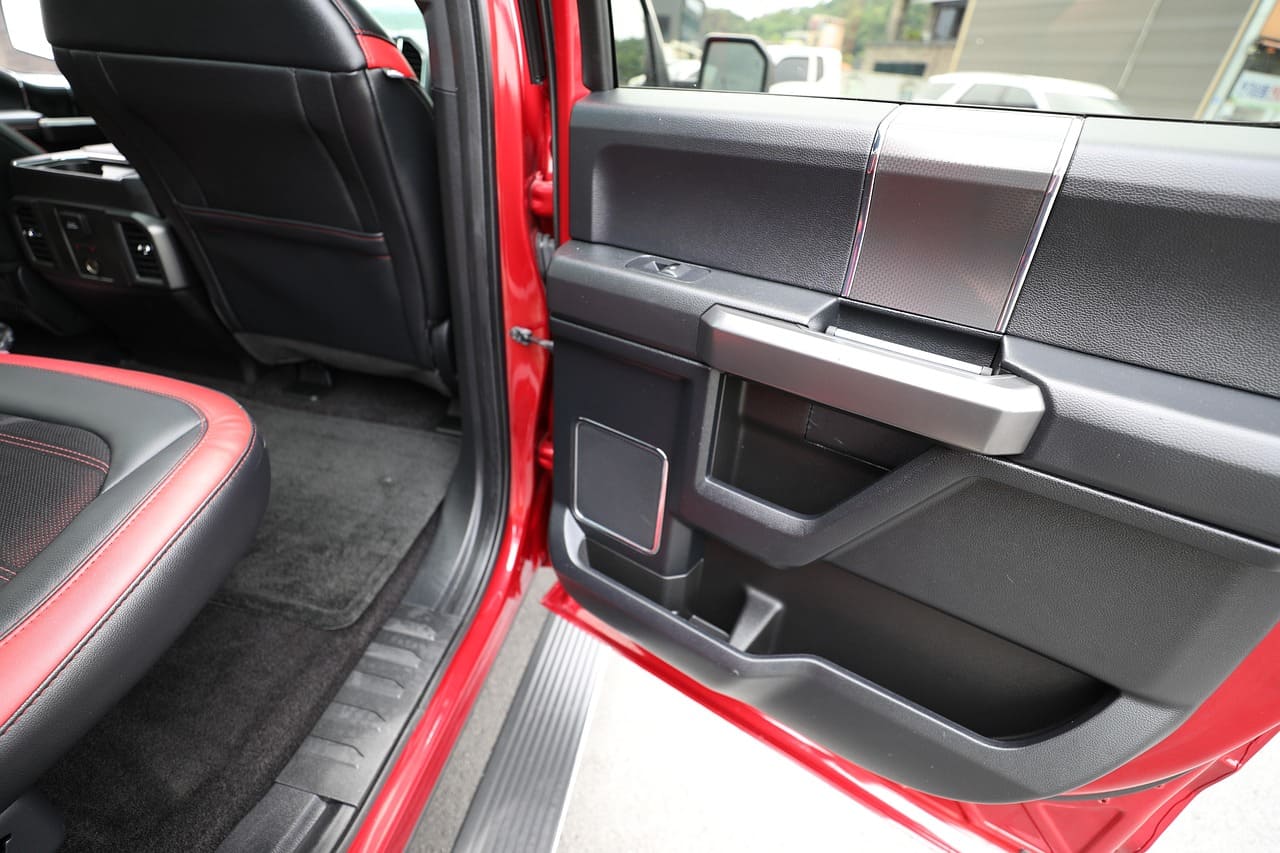
Last updated on April 5th, 2026 at 06:01 am
If your Ford F-150 door locks are not working, the issue often comes down to a few common causes like a weak key fob battery, a blown fuse, or a faulty door lock actuator. Understanding these key causes will help you quickly identify and fix the problem without unnecessary hassle. Sometimes, electrical issues like a bad ground or problems with the body control module can also interfere with the locks.
You might notice that one door won’t lock or unlock while others work fine, which usually points to a worn-out actuator. In other cases, freezing temperatures or lubrication problems can cause locks to seize up. Knowing what to check and how to troubleshoot will save you time and avoid getting stranded with doors that won’t respond.
Best Bluetooth OBD2 Scanner
Detect 39,000+ Issues With Enhanced Codes. Save $1000s on car repairs & buying used vehicles by diagnosing problems yourself.
Shop on AmazonIf your key fob doesn’t work or your locks unlock themselves, it could be related to the Intelligent Access system or wiring faults. These situations require a different approach but are often manageable with some basic diagnostics. For detailed steps and insights, keep reading to understand how to get your Ford F-150 door locks working reliably again.

Common Ford F150 Door Lock Failure Causes
Several specific components can disable your Ford F-150’s door locks from working properly. Problems often stem from the key fob, vehicle battery, electrical system, or physical parts like the door handle and lock button.
Key Fob and Remote Issues
The most frequent cause of your Ford F-150 door lock failure is key fob malfunction. A weak or dead battery inside the fob often prevents it from sending proper signals. Replacing the key fob battery usually restores full function.
If replacing the battery doesn’t work, the fob itself may be faulty or require reprogramming. Dirt and moisture inside the key fob can also interfere with contact points. Clean the internal contacts carefully with a cotton swab and contact cleaner.
Testing with a spare fob helps determine if the original one is defective. If multiple fobs fail, the problem may lie in the truck’s receiver system or body control module (BCM), which processes lock signals.
Battery and State of Charge Problems
Your Ford F-150’s 12V battery plays a major role in powering the door lock system. A weak or failing battery can cause intermittent or total lock failure. Signs include slow or inconsistent door lock responses.
Check the battery state of charge and overall health using a multimeter or battery tester. Ensure the battery terminals are clean and tightly connected. Corrosion or loose connections reduce electrical flow and impact lock operation.
If the battery is near the end of its life or showing low voltage under load, replacement is advisable. Keep in mind that a weak battery can also cause faults in other electrical systems related to locking, such as the BCM or relay components.
Blown Fuse and Electrical Issues
Electrical problems are common culprits behind F-150 door lock issues. A blown fuse dedicated to the door lock circuit will completely disable power locks.
Refer to the fuse box diagram specific to your model year F-150 to locate and test the door lock fuse. Use a continuity tester to verify if the fuse has blown. Replace it with the exact amperage recommended, typically a 20A fuse on most models including the 2022 F-150.
Other electrical issues include poor grounds or damaged wiring harnesses. A brittle or broken ground wire near the driver’s door switch can cause lock malfunction. Visually inspect wiring for frays, corrosion, or disconnections to ensure reliable power flow.
Door Handle and Lock Button Malfunctions
Physical components like the door handle and lock button can also cause locking failures. If one door fails to lock or unlock while others work, the actuator or linkage inside the door is likely at fault.
A broken or detached locking rod prevents the mechanism from activating despite electrical signals. You may hear the actuator motor running but the door won’t respond. Otherwise, the actuator motor may be entirely dead.
The door handle itself may fail if it is damaged or binding due to rust or debris. Inspect and lubricate moving parts, including the latch and cables, to restore smooth operation. In some cases, replacing the door lock actuator unit is required and is a relatively straightforward DIY repair if you’re mechanically inclined.
For detailed troubleshooting and repair tips, consider comprehensive guides on common Ford F-150 lock problems.
Diagnosing Ford F150 Door Lock Problems
When your Ford F-150 door locks fail, pinpointing the exact issue quickly can save time and money. It involves checking physical lock functions, power lock behavior, and electrical components to determine what exactly is malfunctioning.
Identifying Symptoms of Faulty Door Locks
Start by observing how your doors respond to locking commands. Common symptoms include doors that don’t lock or unlock when using the key fob, physical door handles that feel loose or fail to engage, or locks that respond inconsistently.
Pay particular attention to the driver’s door since problems here often indicate actuator issues or electrical faults. If the key fob works on other doors but not the driver’s door, the problem likely lies in the door lock actuator or wiring.
Also, listen for unusual sounds like clicking or no sound at all when pressing lock/unlock buttons. These signs typically point to failed actuators or electrical interruption.
Testing Manual and Power Lock Operations
To distinguish between mechanical and electrical faults, test both manual and power locks. Manually lock and unlock each door using the key and interior handles to check if the lock cylinder and linkage are intact.
Next, use your key fob and interior lock switches to operate the power locks. If manual locks work fine but power locks fail, this usually indicates a problem with the actuator, wiring, or control module.
Check if all doors respond to power lock commands. If only one door behaves abnormally, focus on its specific components. Consistent failure across all doors often relates to wiring or fuse issues.
Troubleshooting Electrical Circuits and Fuses
Electrical faults are common culprits behind door lock problems. Start by inspecting the fuse box for any blown fuses related to the door lock circuit. Replace blown fuses with ones of the exact amperage to avoid further damage.
Then, examine wiring harnesses inside the door panels for signs of wear, corrosion, or wire shorts. Damaged wiring can interrupt signals to the door lock actuators, causing malfunction.
Test the key fob battery as well since a weak battery can prevent proper electronic unlocking and locking. If replacing fuses and batteries doesn’t restore function, the issue may reside in the actuator or control module, which may require professional diagnostics.
For guidance on common locking problems and repairs, consider more information on Ford F-150 door lock issues.
Fixes and Solutions for Non-Working Door Locks
You can address Ford F-150 door lock issues by targeting three main areas: electrical system resets, key fob maintenance, and mechanical component servicing. Each requires specific steps to diagnose and repair the problem effectively.
Resetting Battery Management System and BCM
The Battery Management System (BMS) and Body Control Module (BCM) manage many electrical functions, including door locks. A reset can clear glitches affecting power locks. To do this, disconnect your truck’s 12V battery for about 15 minutes to fully power down the system.
Use a diagnostic tool like Forscan to check the BCM for error codes and confirm if a reset or reprogramming is needed. Faulty BCMs can cause erratic locking behavior or complete failure. If errors persist, visit a dealer to have the module professionally diagnosed and possibly replaced.
Ensure battery terminals are clean and tight before reconnecting the battery. This step prevents voltage drops that might interfere with control module performance.
Replacing Key Fob Batteries and Reprogramming
A common cause of non-working door locks is a weak or dead key fob battery. Replace the battery using the model-specific type, often a CR2032, and clean the contacts inside the fob with a cotton swab and contact cleaner.
Don’t settle for generic brands that leak; we recommend using high-capacity Energizer CR2032 Lithium Batteries to ensure your signal remains strong enough to unlock your truck from a distance.

If replacing the battery doesn’t restore function, your fob may need reprogramming. To reprogram, follow the instructions in your owner’s manual or use specialized tools like Forscan. Using a spare key fob can also help you determine if the original is faulty.
If reprogramming fails, consider purchasing a new key fob from your dealer. Faulty key fobs can cause intermittent or complete failure in locking/unlocking systems.
Servicing Actuators and Door Components
Door lock actuators are mechanical parts that often fail due to wear or electrical issues. If a single door consistently won’t lock or unlock, the actuator is likely the problem. Signs include unusual motor noises or doors unlocking themselves.
To service, you must remove the door panel to access the actuator and check wiring harness connections. Replace broken or worn actuators. Lubricate the door latch, cables, and locking rods to ensure smooth operation.
If you hear the motor whirring but the lock doesn’t move, the internal gears are likely stripped. A heavy-duty Dorman Door Lock Actuator is the standard DIY replacement part that restores power locking without the high dealership labor costs.

Regularly inspecting and maintaining these components prevents freezing and mechanical binding common in Ford F-150s, particularly in colder climates. This hands-on approach often resolves issues that resets and battery replacements cannot fix. For detailed guidance, use online tutorials or consult professional repair shops.
For further help with these repairs, consult detailed guides like the one at enginepatrol.com.
Preventative Maintenance and Avoiding Future Issues
Maintaining your Ford F-150’s door locks requires attention to key electrical components to keep the system reliable. Proper care of the battery alongside secure, clean electrical connections can reduce the chances of lock failures and other related issues.
Regular Battery Checks and Charging
Your truck’s 12V battery powers the power door locks, so ensuring it maintains a healthy state of charge is essential. Regularly test the battery voltage and look for signs of wear such as corrosion on terminals or loose connections. A battery management system (BMS) may help monitor voltage but manual checks remain important.
If the battery’s state of charge drops or it becomes weak, you can experience intermittent or complete failure of the door locks. Replace the battery if tests show low capacity or aging. Keep terminals clean and tight to prevent voltage drops caused by poor contact.
Use a multimeter or visit a shop to perform load tests. Avoid leaving electronic accessories on when the engine is off to conserve battery life.
Protecting Electrical Connections and Fuses
Electrical issues often start with compromised wiring or blown fuses. Periodically inspect the fuse box to ensure all fuses related to the door locks are intact and clean. Look for signs of burnt or damaged fuses and replace them immediately if found.
Check wiring harnesses and ground connections in the doors for corrosion, broken wires, or loose plugs. Moisture intrusion is a common cause of shorts and sensor faults. Applying dielectric grease to connectors can protect against corrosion.
A faulty ground wire or damaged door switch wiring can disrupt lock function. Securing and inspecting these connections during routine maintenance helps prevent unexpected lock failures. Always refer to your truck’s fuse diagram to identify critical fuses for the locking system.
For detailed troubleshooting, see the common causes of Ford F-150 power locks not working.