
Screen jumping and flickering on your Insignia TV can transform your viewing experience into a disorienting nightmare. These display anomalies manifest as sudden image movements, unstable picture quality, and erratic visual behavior that disrupts content enjoyment.
Insignia TV screen jumping typically results from refresh rate mismatches, faulty HDMI connections, power supply issues, overheating, or internal hardware failures. Solutions include adjusting display settings, replacing cables, performing power cycles, improving ventilation, and addressing component malfunctions when necessary.

Reasons for Screen Jumping on Insignia TVs
Multiple factors can cause your Insignia TV screen to jump, flicker, or display unstable images. Understanding these underlying causes helps determine the most effective troubleshooting approach and whether professional repair services are necessary.
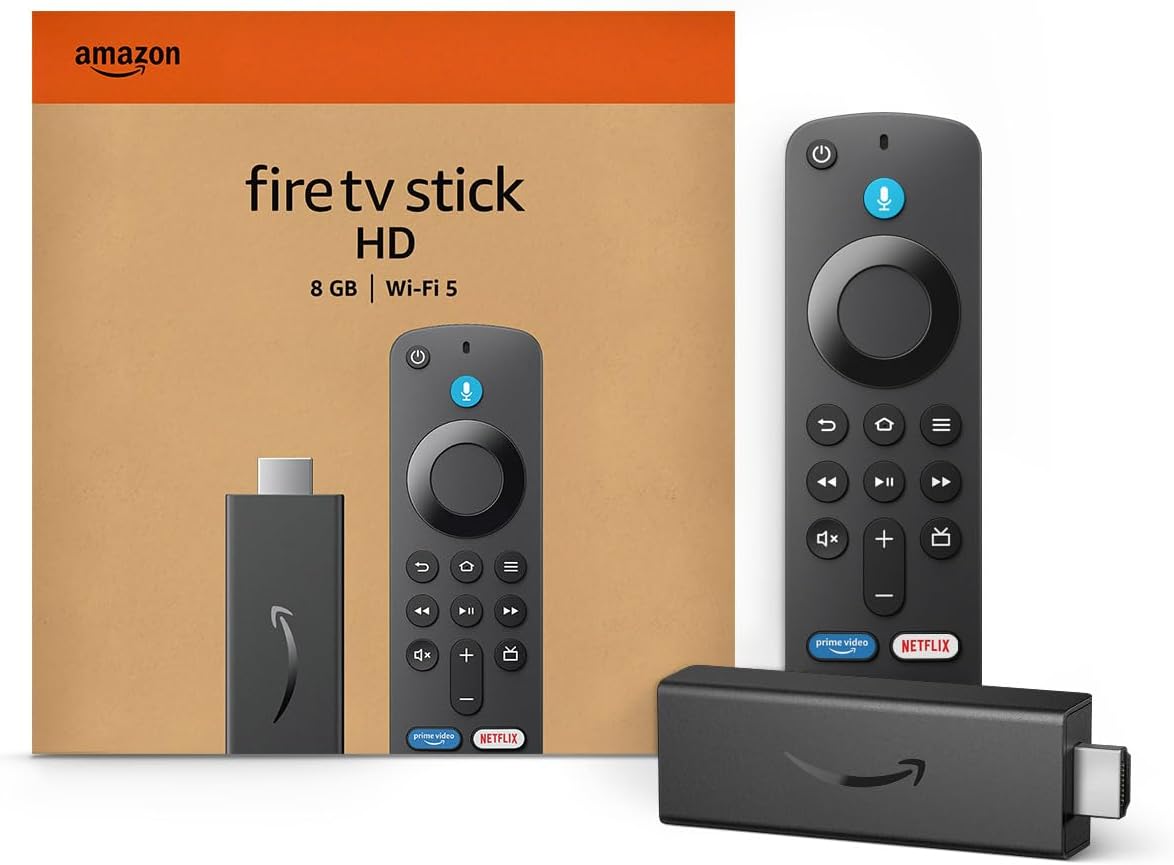
Amazon Fire TV Stick HD
Turn Any TV to a Smart TV. Stream Netflix, Prime Video & More. Alexa Voice Remote Included. Easy Plug & Play Setup.
Shop on AmazonRefresh rate incompatibility represents one of the most common causes of screen jumping issues. When your connected device outputs a refresh rate that your TV cannot properly process, the display attempts to compensate by dropping frames or creating visual artifacts that manifest as jumping or stuttering images.
Modern gaming consoles, computers, and streaming devices often output variable refresh rates depending on content type and performance demands. If your Insignia TV lacks proper support for these dynamic refresh rate changes, you may experience screen jumping during transitions between different content types or gaming scenarios.
Cable connection problems frequently trigger screen jumping symptoms. Loose HDMI connections, damaged cables, or insufficient bandwidth capacity can create intermittent signal transmission that causes the display to lose synchronization with the source device, resulting in jumping or flickering images.
Loose cable connections are responsible for approximately 40% of TV display problems, making them the first troubleshooting target for screen jumping issues.
Power supply irregularities can also cause screen jumping by providing inconsistent voltage to display processing circuits. When internal power regulation fails to maintain stable voltage levels, various TV components may operate erratically, creating visual anomalies including screen jumping and flickering.
Overheating issues affect display stability by causing internal components to malfunction when operating temperatures exceed safe thresholds. Poor ventilation, dust accumulation, or ambient temperature extremes can trigger thermal protection systems that manifest as intermittent screen jumping during extended viewing sessions.
Internal hardware failures involving the timing control board (T-CON), main board, or backlight system can create persistent screen jumping that worsens over time. These component-level failures typically require professional diagnosis and repair to resolve effectively.
Display Settings and Refresh Rate Configuration
Proper display settings configuration often resolves screen jumping issues without requiring hardware repairs or component replacement. These software-based solutions address compatibility problems between your TV and connected devices.
Refresh Rate Adjustment Methods
Access your Insignia TV’s display settings through the main menu to verify and adjust refresh rate parameters. Navigate to Settings > Display & Sounds > Display > Video Resolution to view current refresh rate settings and available options.
Most Insignia TVs support standard refresh rates including 60Hz, 30Hz, and sometimes 120Hz depending on your model year and capabilities. Ensure your selected refresh rate matches your primary content source requirements to prevent compatibility issues.
For connected gaming consoles or computers, verify that the output device’s refresh rate settings align with your TV’s capabilities. Mismatched refresh rates between source and display create the visual artifacts that manifest as screen jumping or stuttering.
Resolution and Format Settings
Confirm that your TV’s resolution settings match your content source output specifications. Incorrect resolution scaling can cause display processing delays that appear as screen jumping or delayed image updates.
Modern Insignia Fire TV models typically support:
- 1080p (1920×1080) at 60Hz/30Hz
- 4K (3840×2160) at 60Hz/30Hz on compatible models
- 720p (1280×720) for older content compatibility
Adjust color space and dynamic range settings to match your content requirements. HDR content requires proper HDR format selection, while standard content performs better with SDR settings to prevent processing conflicts.
Advanced Display Options
Disable motion enhancement features that may conflict with source device output. Features like motion smoothing, frame interpolation, or judder reduction can create processing delays that manifest as screen jumping when the TV cannot properly sync with incoming signals.
Turn off automatic picture adjustments that attempt to optimize display settings based on content detection. These adaptive features sometimes misinterpret content types and apply inappropriate processing that causes visual instability.
Additionally, ensure that your TV’s game mode or PC mode settings are properly configured when connecting gaming devices or computers. These specialized modes reduce input lag and disable processing features that might contribute to screen jumping.
Cable Connections and HDMI Troubleshooting
HDMI connection problems frequently cause screen jumping and require systematic troubleshooting to identify and resolve. Cable quality, connection integrity, and port compatibility all impact display stability.
Physical Connection Inspection
Examine all HDMI cable connections for physical security and proper seating. Loose connections at either the TV or source device end can create intermittent signal transmission that appears as screen jumping or flickering.
Disconnect and reconnect each HDMI cable, ensuring firm insertion until you hear or feel the connection click into place. Wiggle the cable gently while observing the display for changes in jumping behavior, which may indicate loose connection points.
Inspect cable connectors for physical damage, corrosion, or debris that might interfere with proper electrical contact. Bent pins, oxidized contacts, or accumulated dust can create signal integrity problems that manifest as display instability.
Cable Quality and Bandwidth Testing
Test different HDMI cables to isolate cable-related jumping issues. Use known working cables or high-quality certified HDMI cables that meet current bandwidth requirements for your content resolution and refresh rate needs.
Older or low-quality HDMI cables may lack sufficient bandwidth for modern content formats, particularly 4K resolution at higher refresh rates. Insufficient bandwidth creates data transmission bottlenecks that appear as screen jumping or dropped frames.
For 4K content at 60Hz, ensure your HDMI cable supports at least 18 Gbps bandwidth. Gaming or high refresh rate content may require HDMI 2.1 cables capable of 48 Gbps bandwidth to prevent signal degradation.
HDMI Port Testing
Connect your source device to different HDMI ports on your Insignia TV to identify port-specific problems. Some TV models have varying HDMI port capabilities, with certain ports supporting higher bandwidth or advanced features like eARC.
Test each available HDMI port systematically while monitoring for screen jumping behavior changes. Port-specific issues often indicate internal TV hardware problems affecting individual HDMI circuits rather than cable or source device problems.
Document which ports exhibit jumping issues and which provide stable display performance. This information helps isolate the problem source and determines whether the issue requires professional TV repair or simple cable/port selection changes.
Power Supply and Electrical Issues
Power supply problems can cause screen jumping by providing unstable voltage to display processing components. These electrical issues require systematic diagnosis to identify and resolve effectively.
Power Cycle Procedures
Perform a complete power cycle to reset your TV’s internal electrical systems and clear temporary power-related glitches. Turn off your TV using the power button, then unplug the power cord from both the TV and wall outlet.
Wait at least 60 seconds to allow internal capacitors to fully discharge. During this waiting period, press and hold the TV’s power button for 30 seconds to ensure complete electrical discharge from all internal circuits.
Reconnect the power cord to the wall outlet first, then to your TV. Power on the television and observe whether screen jumping persists. This process clears temporary electrical faults that may cause display instability.
Electrical Supply Verification
Verify that your TV receives stable electrical power through a properly rated outlet and power cord. Test your TV on a different electrical circuit if possible to isolate power supply issues from electrical distribution problems.
Use a surge protector or uninterruptible power supply (UPS) to shield your TV from power fluctuations that might cause screen jumping. Electrical noise from other appliances or poor power quality can affect sensitive display electronics.
Monitor your TV’s performance during different times of day when electrical load patterns change. If screen jumping occurs primarily during peak electrical usage periods, power quality issues may be contributing to the problem.
Internal Power Supply Assessment
Listen for unusual sounds from your TV during operation, particularly high-pitched whining, clicking, or buzzing that might indicate power supply component stress. These audio cues often precede or accompany screen jumping caused by internal electrical problems.
Check for any burning smells or excessive heat emanating from your TV, which may indicate internal power supply failures. These symptoms require immediate attention and potentially professional repair to prevent further damage.
Observe whether screen jumping correlates with TV warm-up periods after initial power-on. If jumping decreases as the TV warms up, thermal-related electrical issues may be affecting power supply stability during initial operation.
Overheating and Ventilation Solutions
Excessive heat can cause screen jumping by affecting the performance of temperature-sensitive electronic components within your Insignia TV. Proper thermal management prevents heat-related display issues.
Ventilation Assessment and Improvement
Examine the ventilation area around your TV to ensure adequate airflow for heat dissipation. Check that air vents on the TV’s back, sides, or bottom are not blocked by furniture, walls, or accumulated dust that restricts cooling airflow.
Maintain at least 6 inches of clearance around ventilation areas to allow proper air circulation. Enclosed entertainment centers or tight wall mounting may create heat buildup that contributes to screen jumping during extended viewing sessions.
Clean dust accumulation from ventilation grilles using compressed air or a soft brush. Dust buildup acts as thermal insulation, reducing cooling efficiency and potentially causing heat-related display problems including screen jumping.
Environmental Temperature Control
Monitor the ambient temperature in your TV’s location and ensure it remains within manufacturer specifications. High room temperatures, direct sunlight exposure, or heat sources like fireplaces can elevate TV operating temperatures beyond safe thresholds.
Consider relocating your TV away from heat sources or improving room ventilation to reduce ambient temperatures. Air conditioning or fans can help maintain optimal operating conditions during warm weather or in poorly ventilated spaces.
Observe whether screen jumping occurs more frequently during hot weather or after extended viewing sessions, which may indicate heat-related component stress affecting display stability.
Thermal Management Solutions
External Cooling Options:
- Position a small fan to improve airflow around TV ventilation areas
- Use TV cooling stands or mounts with integrated ventilation
- Install cabinet ventilation fans for enclosed entertainment centers
- Consider external cooling pads designed for electronics
Usage Pattern Adjustments:
- Take breaks during extended viewing sessions to allow cooling
- Reduce brightness settings to decrease internal heat generation
- Turn off TV completely rather than using standby mode for extended periods
- Avoid covering or blocking TV vents with decorative items
Monitor TV temperature during operation by checking if the case becomes noticeably warm. Excessive heat indicates potential thermal management problems that require attention to prevent screen jumping and other heat-related issues.
Software Updates and Firmware Issues
Outdated software or corrupted firmware can cause screen jumping by creating compatibility issues with modern content formats or connected devices. Regular updates address these software-related display problems.
System Software Updates
Check for available system updates through your Insignia TV’s settings menu. Navigate to Settings > My Fire TV > About > Check for System Update to identify and install available firmware updates that may resolve screen jumping issues.
Enable automatic updates when possible to ensure your TV receives critical patches and compatibility improvements promptly. These updates often include display driver improvements and bug fixes specifically addressing screen stability issues.
Restart your TV after installing system updates to ensure all changes take effect properly. Some firmware updates require complete restart cycles to activate new display processing features or compatibility improvements.
App and Service Updates
Update individual streaming apps that may be causing screen jumping through outdated video processing. Navigate to your app store and check for updates to Netflix, Amazon Prime, Hulu, and other frequently used streaming services.
Clear app cache and data for streaming services that exhibit screen jumping problems. Corrupted app data can create display conflicts that manifest as visual instability during content playback.
Reinstall problematic apps completely if updates and cache clearing don’t resolve jumping issues. Fresh app installations eliminate corrupted files that might interfere with proper video output.
Factory Reset Considerations
Consider performing a factory reset if software updates don’t resolve persistent screen jumping. This process restores your TV to original settings and eliminates corrupted system files that might cause display instability.
Before factory resetting:
- Document current settings and installed apps
- Note login credentials for streaming services
- Backup any downloaded content or personal data
Factory reset process:
- Navigate to Settings > My Fire TV > Reset to Factory Defaults
- Confirm the reset and allow the process to complete
- Reconfigure network settings and essential apps
- Test for screen jumping resolution
Monitor your TV’s performance after factory reset to verify that software-related jumping issues have been resolved.
Hardware Component Diagnosis
When software solutions fail to resolve screen jumping, hardware component problems may require professional diagnosis and repair. Understanding these hardware issues helps determine repair feasibility and cost-effectiveness.
Internal Component Assessment
Screen jumping can indicate failures in several internal components, including the timing control board (T-CON), main board, or backlight driver circuits. These hardware failures typically worsen over time and require component replacement to resolve.
T-CON board failures often manifest as screen jumping combined with color distortions, horizontal lines, or flickering that affects the entire display uniformly. These symptoms indicate timing signal problems that control pixel activation across the screen.
Main board failures may cause intermittent screen jumping along with other symptoms like random reboots, input switching problems, or audio synchronization issues. These complex symptoms suggest central processing problems requiring professional diagnosis.
Backlight System Problems
Backlight driver failures can create screen jumping symptoms when LED strips receive inconsistent power. This manifests as brightness fluctuations, dim areas, or jumping that correlates with backlight intensity changes.
Listen for high-pitched whining sounds that may indicate backlight inverter stress. These electronic components regulate power to LED backlighting and can cause visual anomalies when failing.
Observe whether screen jumping occurs primarily in bright scenes or when automatic brightness adjustment activates. Backlight-related jumping often correlates with brightness level changes or dynamic lighting conditions.
Professional Repair Considerations
Professional TV repair costs for screen jumping issues vary significantly based on the underlying component failure:
- T-CON Board Replacement: $150-300
- Main Board Replacement: $200-400
- Backlight System Repair: $200-500
- Power Supply Replacement: $100-250
Compare repair costs against your TV’s current value and age to determine economic feasibility. For TVs older than 5 years, replacement often provides better value than expensive component repairs.
Contact qualified TV repair services for accurate diagnosis when hardware failure is suspected. Professional technicians can identify specific component problems and provide repair estimates before committing to expensive repairs.
Advanced Troubleshooting and Prevention
Implementing advanced troubleshooting techniques and preventive measures helps resolve persistent screen jumping issues and prevents future recurrence.
Environmental Factor Analysis
Electromagnetic interference from nearby devices can cause screen jumping by disrupting display signal processing. Test your TV’s performance with minimal external devices connected and powered off to isolate interference sources.
Common interference sources include:
- Wireless routers positioned too close to TV
- Cell phones or tablets placed near display
- Fluorescent lighting fixtures
- Unshielded speaker systems
- Motor-driven appliances operating nearby
Relocate potential interference sources or reposition your TV to reduce electromagnetic impact on display stability.
Signal Quality Optimization
For cable or satellite connections, verify signal strength and quality through your service provider’s diagnostic tools. Poor signal quality can cause screen jumping when the TV struggles to process degraded input signals.
Use high-quality signal cables appropriate for your connection type and distance requirements. Long cable runs may require signal amplifiers or higher-grade cables to maintain signal integrity.
Test multiple input sources to determine if jumping affects all inputs or specific sources. Input-specific jumping indicates source device or cable problems rather than TV hardware failures.
Preventive Maintenance Protocols
Establish regular maintenance routines to prevent conditions that contribute to screen jumping:
Weekly Tasks:
- Check ventilation areas for dust accumulation
- Verify cable connections remain secure
- Monitor TV temperature during operation
- Test multiple input sources for stability
Monthly Tasks:
- Clean TV ventilation grilles and surrounding area
- Check for and install available software updates
- Verify surge protector and power connections
- Document any intermittent jumping episodes
Quarterly Tasks:
- Deep clean TV internals (professional service)
- Inspect and replace aging HDMI cables
- Review environmental factors and ventilation efficiency
- Professional diagnostic check for aging TVs (5+ years)
Maintain detailed records of jumping incidents, including timing, affected content, and environmental conditions. This documentation helps identify patterns and assists professional technicians with accurate diagnosis.
Video Credit: Helpful Solutions / YouTube
Frequently Asked Questions
What causes my Insignia TV screen to jump during gaming but not regular TV viewing?
Gaming content often uses higher refresh rates and more dynamic visual elements than standard TV programming, which can expose compatibility issues between your console and TV. Gaming devices frequently output variable refresh rates that your TV may struggle to process smoothly, creating jumping or stuttering during gameplay.
Check your gaming console’s display settings and ensure they match your TV’s supported refresh rates. Enable “Game Mode” on your Insignia TV to reduce input processing delays that might contribute to screen jumping. Also verify that your HDMI cable supports the bandwidth requirements for gaming at your desired resolution and refresh rate.
If jumping persists, try connecting your gaming device to different HDMI ports, as some ports may have better high-bandwidth support than others. Modern gaming consoles benefit from HDMI 2.1 compatible connections when available.
Can a faulty HDMI cable cause intermittent screen jumping?
Yes, damaged or inadequate HDMI cables frequently cause intermittent screen jumping by creating inconsistent data transmission between your source device and TV. When cables cannot maintain stable signal integrity, the TV may lose synchronization with the incoming video signal, resulting in jumping, flickering, or momentary black screens.
Cable-related jumping often worsens with higher resolution content or longer cable runs, as these scenarios demand maximum bandwidth capacity. Older HDMI cables may lack sufficient bandwidth for modern 4K content, creating bottlenecks that manifest as visual instability.
Replace suspected faulty cables with high-quality certified HDMI cables appropriate for your content resolution. Test the new cable for several viewing sessions to verify that jumping issues are resolved, as cable-related problems can be intermittent.
Why does my Insignia TV screen jump only when it first warms up?
Screen jumping during initial warm-up periods typically indicates thermal-related component stress within your TV’s electronics. When internal components are cold, their electrical characteristics differ from normal operating temperatures, potentially causing temporary instability until thermal equilibrium is reached.
This behavior often affects power supply components, display drivers, or timing control circuits that require specific operating temperatures for stable performance. As these components warm up, their electrical parameters stabilize and jumping usually subsides.
While some warm-up jumping is normal for older TVs, excessive or prolonged jumping may indicate aging components that are beginning to fail. Monitor the duration and severity of warm-up jumping, and consider professional evaluation if symptoms worsen over time.
Does screen jumping always indicate a serious hardware problem?
Not necessarily. Screen jumping can result from simple software misconfigurations, cable problems, or environmental factors that are easily correctable without hardware repair. Many jumping issues resolve through basic troubleshooting like adjusting display settings, replacing cables, or improving ventilation.
However, persistent jumping that occurs across all input sources and doesn’t respond to software solutions may indicate internal hardware problems requiring professional attention. The key is to systematically eliminate simple causes before assuming serious hardware failure.
Start with basic troubleshooting including power cycling, cable replacement, and settings adjustments. If jumping continues after these steps, hardware diagnosis becomes necessary to determine repair requirements and costs.
Can power surges cause Insignia TV screen jumping problems?
Yes, power surges can damage internal components that regulate display signals, resulting in screen jumping and other visual anomalies. Surge damage often affects power supply circuits, timing control boards, or main processing units that coordinate display output.
Surge-related jumping may develop gradually as damaged components degrade over time, or appear suddenly after a significant electrical event. These problems typically worsen progressively and don’t respond to software troubleshooting methods.
Use surge protectors or uninterruptible power supplies to protect your TV from future electrical damage. If you suspect surge damage, professional diagnosis can determine whether affected components are repairable or require replacement.
Sources:
- Smart TVs – Insignia TV Flickering Troubleshooting Guide
- Tech Junctions – Insignia TV Black Screen Solutions
- Bajaj Finserv – Quick Insignia TV Fixes
- ScreenCloud – TV Screen Flicker Solutions