
You’re editing a spreadsheet, navigating a document, or playing a game when suddenly your laptop’s arrow keys stop responding. The up, down, left, and right directional keys are completely dead or behaving strangely, and you’re stuck.
The good news? About 80% of arrow key failures stem from software settings, specifically Scroll Lock, Num Lock, or Filter Keys being accidentally activated, not physical hardware damage. You can usually restore normal arrow key function by disabling these toggles in your accessibility settings, updating your keyboard driver in Device Manager, cleaning debris under the keycaps with compressed air, or running the Windows Keyboard Troubleshooter. If the arrow keys still don’t respond after software fixes, you’re likely dealing with a worn-out key switch, a damaged ribbon cable, or liquid damage that requires keyboard replacement or professional repair.
This guide walks you through every high-yield fix, from quick software toggles to hardware diagnostics, so you can pinpoint the root cause and get your arrow keys working again.
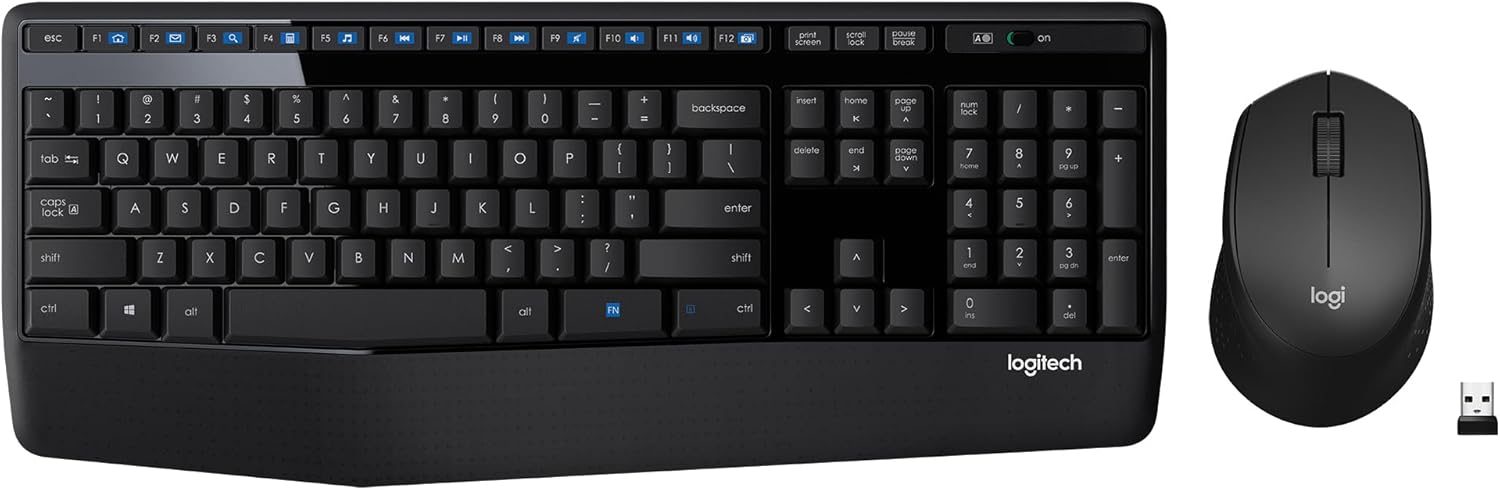
Best Wireless Keyboard and Mouse Combo
Logitech Comfortable Full-Size Keyboard with Palm Rest. Reliable 2.4GHz Wireless Connection up to 10m. Long Battery Life for Everyday Productivity.
Shop on Amazon
Key Takeaways
- Laptop keyboard arrow keys not working is often caused by software issues like Scroll Lock, Num Lock, or Filter Keys being enabled—not hardware failure—and can be fixed by toggling these settings off.
- Outdated or corrupted keyboard drivers account for approximately 30% of arrow key failures and can be resolved by updating or reinstalling the driver through Windows Device Manager.
- Compressed air cleaning and testing with an external USB keyboard are quick diagnostic steps that can isolate whether the problem is physical debris, hardware damage, or a software conflict.
- If arrow keys work intermittently, feel mushy, or fail in only specific applications, you’re likely experiencing hardware wear or liquid damage that requires keyboard replacement or professional repair.
- Turn off Windows accessibility features like Sticky Keys and Filter Keys, which can interfere with arrow key responsiveness and cause delayed or ignored keystrokes.
Common Reasons Arrow Keys Stop Responding
Physical Damage or Debris
Crumbs, dust, pet hair, and sticky residue accumulate under laptop keycaps over time, especially on frequently used keys like the arrows. Even a tiny particle wedged under the switch can prevent the key from making electrical contact when pressed. Spilled coffee or soda can corrode the membrane layer beneath the keycap, causing intermittent or total failure.
If you’ve dropped your laptop or subjected it to impact, the flexible ribbon cable connecting the keyboard to the motherboard may have loosened or torn. Physical cracks in the scissor-switch mechanism under the arrow keycap can also prevent proper actuation. Regular cleaning with compressed air and gentle inspection can prevent debris-related failures.
Driver Faults and Software Conflicts
Your keyboard relies on drivers to translate physical key presses into software commands. Corrupted, outdated, or incompatible keyboard drivers can cause specific keys, like the arrows, to stop working in Windows 10, Windows 11, or macOS. A recent Windows Update or third-party software installation (especially gaming utilities, macro tools, or accessibility apps) can conflict with the default HID Keyboard Device driver.
According to a Microsoft support article on keyboard troubleshooting, driver conflicts account for roughly 30% of reported keyboard input failures. Reinstalling or rolling back the keyboard driver in Device Manager often resolves these issues immediately.
Keyboard Mode and Accessibility Settings
Many laptops have hidden keyboard modes controlled by Fn key combinations or BIOS settings. Scroll Lock, when active, changes the behavior of arrow keys in Excel and other spreadsheet programs, instead of moving the active cell, the arrows scroll the entire sheet. Filter Keys (a Windows accessibility feature) adds a delay to repeated key presses, making arrow keys feel unresponsive or “stuck.”
“My laptop arrow keys stopped working in Excel until I realized Scroll Lock was on. Hit Fn+C to toggle it off and everything worked again.” via r/techsupport
Sticky Keys, another accessibility toggle, can interfere with simultaneous key presses (like Shift+Arrow for text selection). Game Mode settings in manufacturer utilities (Lenovo Vantage, HP Command Center, ASUS Armoury Crate) sometimes disable certain keys to prevent accidental presses during gameplay.
Wear and Hardware Failure
Laptop keyboards are rated for 5–10 million keystrokes per switch, depending on the manufacturer. Heavy users, especially programmers, writers, and gamers, can wear out individual keys, including the arrows. The rubber dome or scissor-switch mechanism under the keycap degrades, losing spring tension and tactile feedback.
Liquid damage, even from a minor spill months earlier, can cause delayed corrosion of the keyboard’s circuit traces. If only the arrow keys fail while all other keys work, you may have a localized membrane failure or a damaged section of the keyboard’s flex cable. External factors like extreme heat or humidity can accelerate degradation of the internal layers.
Step-by-Step Solutions to Restore Arrow Keys
Restart and Basic Checks
A simple reboot clears temporary software glitches, resets keyboard drivers, and terminates background processes that may be blocking input. Press and hold the power button for 10 seconds to force a hard shutdown, then power on again. Check if the arrow keys respond immediately after startup, before launching any applications.
Test the arrow keys in multiple programs: Notepad, Excel, your web browser, and a game. If they work in some apps but not others, the issue is application-specific (often Scroll Lock in Excel) rather than a hardware fault. Try toggling Scroll Lock by pressing Fn + C, Fn + S, or the dedicated Scroll Lock key (varies by laptop brand).
Cleaning the Keyboard and Arrow Keys
Turn off your laptop and disconnect the power adapter. Hold a can of compressed air at a 45-degree angle and blast short bursts under each arrow keycap to dislodge crumbs, dust, and hair. Gently pry off the arrow keycaps using a plastic spudger or your fingernail (search YouTube for your laptop model’s keycap removal technique to avoid breaking the scissor clips).

Wipe the exposed switch area with a microfiber cloth slightly dampened with isopropyl alcohol (70% or higher). Let it dry completely before reattaching the keycaps. For stubborn debris, use a soft-bristled brush. Avoid using water or harsh cleaners that can damage the membrane layer.
Running Troubleshooters and Diagnostics
Windows 11 and Windows 10 include a built-in Keyboard Troubleshooter that scans for driver conflicts, accessibility setting errors, and hardware recognition issues. Open Settings > System > Troubleshoot > Other troubleshooters and run Keyboard. The wizard will attempt automatic fixes and prompt you to confirm whether the issue is resolved.
For detailed testing, visit an online keyboard tester in your browser. Press each arrow key and watch for the corresponding visual highlight on the virtual keyboard. If a key doesn’t register, you’ve confirmed a hardware or driver fault. macOS users can open System Preferences > Keyboard and enable Show keyboard and emoji viewers in menu bar, then use the Keyboard Viewer to test input.
Testing with an External USB Keyboard
Connect a wired or wireless USB keyboard to an available port. If the external keyboard’s arrow keys work perfectly while your laptop’s built-in arrows remain dead, you’ve isolated the problem to the laptop’s internal keyboard hardware, not drivers or software settings. This confirms you need either a keyboard replacement or professional repair.
If the external arrow keys also fail, the issue is software-related (driver, accessibility setting, or OS corruption). Proceed to the driver and settings fixes in the next section. A compact USB mechanical keyboard can serve as a reliable temporary or permanent workaround if internal keyboard replacement is costly or impractical.

Driver, Settings, and Accessibility Fixes
Update or Reinstall Keyboard Driver
Outdated or corrupted keyboard drivers are a leading cause of arrow key failures in Windows. Right-click the Start button and select Device Manager. Expand Keyboards, right-click your Standard PS/2 Keyboard or HID Keyboard Device, and choose Update driver. Select Search automatically for drivers and let Windows install the latest version.
If updating doesn’t help, uninstall the driver: right-click the keyboard device and choose Uninstall device. Check Delete the driver software for this device if the option appears, then click Uninstall. Restart your laptop, Windows will reinstall a fresh driver automatically. Test the arrow keys immediately after reboot.
Managing Advanced Keyboard Settings
Some laptops have manufacturer-specific utilities that control keyboard behavior. Lenovo users should open Lenovo Vantage and navigate to Hardware Settings > Input > Keyboard to disable Fn Lock or Hotkey Mode. HP users can check HP Command Center for Game Mode toggles that might disable certain keys. ASUS Armoury Crate and Acer Care Center have similar settings.
For Dell laptops, press F2 during boot to enter BIOS/UEFI. Look for Advanced > Function Key Behavior and toggle between Function and Multimedia modes. Some users find their arrow keys resume normal operation after switching this setting and saving changes.
Turning Off Sticky Keys and Filter Keys
Windows accessibility features, while helpful for users with mobility challenges, can interfere with normal typing. Open Settings > Accessibility > Keyboard (Windows 11) or Settings > Ease of Access > Keyboard (Windows 10). Turn off Sticky Keys, Filter Keys, and Toggle Keys. Each of these can cause delayed, repeated, or ignored keystrokes.
Filter Keys specifically adds a delay before a key press registers and can ignore rapid repeated presses, making arrow keys feel sluggish or unresponsive during navigation. Disabling it often restores immediate, crisp arrow key feedback.
“Turned off Filter Keys and my laptop arrow keys started working instantly. Didn’t even know that setting existed until I Googled it.” via Microsoft Community
Using the On-Screen Keyboard for Access
If your physical arrow keys remain dead while you troubleshoot, the Windows On-Screen Keyboard provides temporary cursor navigation. Press Win + Ctrl + O to launch it, or search “On-Screen Keyboard” in the Start menu. Click the on-screen arrow buttons with your mouse or touchpad to move the cursor in documents and spreadsheets.
macOS users can enable Accessibility Keyboard via System Preferences > Accessibility > Keyboard > Accessibility Keyboard. This virtual keyboard includes fully functional arrow keys you can click. It’s a useful workaround for urgent tasks while you wait for hardware repair or driver updates.
When to Replace or Service Your Keyboard
Identifying Signs of Hardware Failure
If you’ve exhausted all software fixes, driver reinstallation, accessibility toggles, BIOS settings, and external keyboard testing, and the arrow keys still don’t respond, you’re facing hardware failure. Common symptoms include keys that feel mushy or loose, keycaps that don’t spring back after pressing, visible cracks in the scissor-switch clips, or sticky residue that won’t clean off.
Liquid damage often reveals itself as erratic behavior: some arrow keys work intermittently, others trigger multiple presses per single tap, or adjacent keys (like Shift or Ctrl) also fail. If you spilled liquid on your laptop within the past six months, corrosion has likely spread beneath the keyboard membrane.
Considering Keyboard Replacement
Replacing a laptop keyboard is more involved than swapping a desktop peripheral, but it’s doable for most users with basic tools and patience. Search YouTube for “[your laptop model] keyboard replacement” to find detailed teardown guides. You’ll typically need a plastic spudger, a small Phillips screwdriver, and a replacement keyboard assembly (available on Amazon, eBay, or manufacturer parts sites for $20–$60).
Before ordering a new keyboard, verify your exact laptop model number (usually printed on a sticker on the bottom case or in System Information). Keyboard layouts vary by region (US vs. UK vs. International) and generation, so an incompatible part won’t fit. Some ultra-thin laptops (like MacBook Air or Dell XPS) have keyboards riveted or glued to the top case, making DIY replacement impractical.
Professional Repair Options
If you’re uncomfortable with disassembly or your laptop is under warranty, contact the manufacturer’s support. Dell, HP, Lenovo, and ASUS offer depot repair services where you ship your laptop and receive it back with a new keyboard installed (typical turnaround: 7–10 business days). Apple users can visit an Apple Store Genius Bar or Apple Authorized Service Provider for same-day or next-day keyboard replacement on eligible MacBook models.
Local computer repair shops charge $50–$150 for keyboard replacement labor, plus the cost of the part. Get a written estimate before authorizing work. For older laptops (5+ years), consider whether repair cost justifies keeping the device versus upgrading to a new model with improved specs and a fresh warranty.
Frequently Asked Questions
Why are my laptop arrow keys not working?
Arrow key failures usually stem from software issues (Scroll Lock, Filter Keys, or driver conflicts—80% of cases) rather than hardware damage. Less commonly, debris under keycaps, liquid damage, worn-out switches, or damaged ribbon cables can cause arrow keys to stop responding. Test with an external USB keyboard to isolate whether the problem is software or hardware.
How do I fix arrow keys not responding on my laptop keyboard?
Start by toggling Scroll Lock (Fn+C or Fn+S), disabling Filter Keys in Accessibility settings, and updating your keyboard driver in Device Manager. Clean debris with compressed air, run the Windows Keyboard Troubleshooter, and test with an external USB keyboard. If arrow keys still fail, you likely need keyboard hardware replacement or professional repair.
Can Scroll Lock cause arrow keys to stop working in Excel?
Yes. When Scroll Lock is active, arrow keys scroll the entire spreadsheet instead of moving the active cell in Excel, making them appear unresponsive. Toggle Scroll Lock off by pressing Fn+C, Fn+S, or the dedicated Scroll Lock key (varies by laptop brand) to restore normal arrow key behavior.
What should I do if cleaning doesn’t fix my arrow keys?
After cleaning, disable Sticky Keys and Filter Keys in Windows Accessibility settings, update your keyboard driver, and test with an external USB keyboard. If the external keyboard works fine, your laptop’s internal keyboard hardware is faulty and requires replacement. For warranty coverage or professional installation, contact your laptop manufacturer’s support.
Is liquid damage causing my arrow keys to malfunction?
Liquid damage causes erratic arrow key behavior: intermittent response, multiple presses per tap, or failure of adjacent keys like Shift or Ctrl. Even minor spills from months earlier can cause delayed corrosion. If this describes your issue, professional keyboard replacement is recommended to prevent further damage to the motherboard.
How much does it cost to replace a laptop keyboard?
DIY keyboard replacement costs $20–$60 for the part plus basic tools. Professional repair shops charge $50–$150 in labor. Manufacturer depot services vary by brand but typically take 7–10 business days. For older laptops (5+ years), compare repair costs against upgrading to a newer model with warranty coverage.
Read More:
- Laptop Keyboard Locked (Here’s How to Fix It in Minutes)
- Laptop Keyboard Automatic Typing Problem (Quick DIY Fixes that Works)
- Numbers on Keyboard Not Working? Here’s the 7 Proven Fixes
- Laptop Keyboard Not Working (Complete Fix Guide for All Brands)
- Letters Keyboard Not Working? 7 Proven Fixes to Get You Typing Again
- Some Laptop Keys Not Working? Quick Fixes That Really Work