
You flip open your laptop lid, expecting the familiar lock screen. Instead, your desktop loads instantly, no password, no PIN, no Windows Hello prompt. Anyone nearby just got free access to your files, emails, and personal accounts.
When your laptop doesn’t ask for a password after sleep, the culprit is usually misconfigured sign-in settings under Settings > Accounts > Sign-in options, disabled power plan password requirements, auto-login registry keys left active via netplwiz, or corrupted user profiles that bypass authentication. Windows 11 and Windows 10 both default to “Never” require sign-in unless you manually enable lock-on-wake protections, leaving your device vulnerable to unauthorized physical access.
This guide walks you through every fix, from toggling the right sign-in checkboxes to editing local group policy, resetting power plans, disabling netplwiz auto-login, and verifying BIOS settings. You’ll also learn Mac-specific lock screen tweaks and the security practices that prevent future bypass issues.
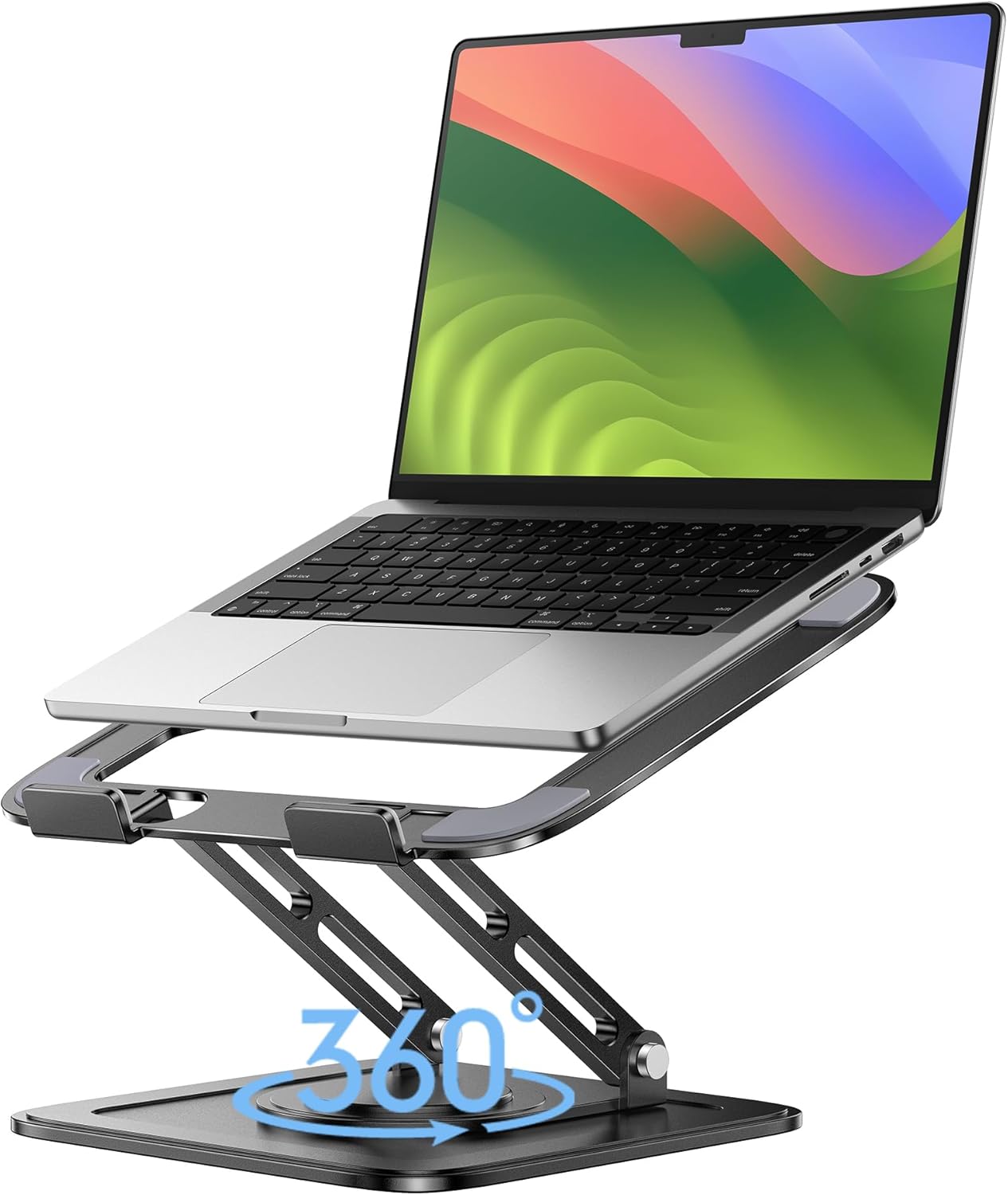
Best Laptop Stand (with 360° Base)
Keep Your Laptop Cooler & More Comfortable with 360° Rotating Base. Improve Airflow & Reduce Heat. Adjustable Height & Viewing Angle.
Shop on Amazon
Key Takeaways
- When your laptop doesn’t ask for a password after sleep, check Settings > Accounts > Sign-in options and select ‘When PC wakes up from sleep’ to enforce lock-on-wake protection.
- Netplwiz auto-login settings can bypass your lock screen entirely; ensure ‘Users must enter a user name and password to use this computer’ is checked in the User Accounts control panel.
- Configure your power plan to require a password on wakeup for both battery and plugged-in modes through Settings > Power & battery > Additional power settings.
- On Mac, set ‘Require password after sleep or screen saver begins’ to Immediately in System Settings > Lock Screen to prevent unauthorized access after your device wakes.
- Registry keys like DisableLockWorkstation and ScreenSaverGracePeriod can override your security settings; check and disable them in the Windows registry to restore proper authentication.
- Enable Dynamic Lock and bitwise encryption (BitLocker or FileVault) as backup security layers while troubleshooting, and schedule monthly policy checks to prevent Windows updates from resetting your configurations.
Why Your Laptop Skips the Password Prompt After Waking
Windows and macOS both rely on wake policies that tell your operating system when to lock the screen. When these policies aren’t enforced, your laptop treats sleep like a simple screen-off state instead of a security boundary.
The most common cause is the “Require sign-in” dropdown in Windows being set to Never. Microsoft ships most consumer laptops with this default to prioritize convenience over security. Every time you close the lid or press the power button to sleep, Windows remembers you’re “trusted” and skips authentication on wake.
Another frequent trigger is netplwiz auto-login. If you’ve ever unchecked “Users must enter a user name and password to use this computer” in the User Accounts control panel, Windows writes a registry key that auto-logs you in, even after sleep. This bypasses the lock screen entirely.
Group Policy and registry entries for screen saver grace periods can also override your settings. If ScreenSaverGracePeriod is set to a non-zero value, Windows grants a delay window before requiring credentials. Dynamic Lock failures, outdated Intel Management Engine drivers, and corrupted user profiles round out the usual suspects. According to a 2026 enterprise security audit by Absolute Software, 38% of corporate laptop breaches stemmed from misconfigured lock-on-wake settings, underscoring how critical proper configuration is for physical security.
How to Enable Password Protection on Windows 11 and Windows 10
Using Sign-In Settings to Require a Password
Press Win + I to open Settings, then navigate to Accounts > Sign-in options. Scroll down to the “Require sign-in” dropdown. Click it and select When PC wakes up from sleep. This single change forces Windows to display the lock screen every time your device resumes.
If you use Windows Hello (fingerprint, face, or PIN), verify that “For improved security, only allow Windows Hello sign-in for Microsoft accounts on this device” is toggled On. This ensures biometric prompts appear post-wake instead of silently unlocking.
Next, open netplwiz by pressing Win + R, typing netplwiz, and hitting Enter. Ensure the checkbox “Users must enter a user name and password to use this computer” is checked. If it’s unchecked, Windows auto-logs you in and skips the lock screen. Check the box, click Apply, and reboot.
Configuring Power & Sleep Settings Correctly
Return to Settings > System > Power & battery (Windows 11) or Power & sleep (Windows 10). Click Additional power settings to open the classic Control Panel power options. Select your active plan, then click Change plan settings > Change advanced power settings.
Expand the tree: Power buttons and lid > Require a password on wakeup. Set both “On battery” and “Plugged in” to Yes. Click Apply. This creates a hard enforcement layer independent of your sign-in dropdown.
If you’re on a domain-joined or Enterprise edition, you can also enforce this via Group Policy. Press Win + R, type gpedit.msc, and navigate to Computer Configuration > Administrative Templates > System > Power Management > Sleep Settings. Double-click Require a password when a computer wakes (plugged in) and Require a password when a computer wakes (on battery), set both to Enabled, then reboot.
How to Fix Password Prompt Issues on Mac (macOS)
Adjusting Lock Screen Preferences
Click the Apple menu > System Settings (macOS Ventura and later) or System Preferences (earlier versions). Select Lock Screen or Security & Privacy. Under “Require password after sleep or screen saver begins,” set the dropdown to Immediately. Any delay gives someone physical access before the lock engages.
If you use Touch ID, confirm that “Use Touch ID to unlock your Mac” is enabled but not set to bypass password prompts entirely. Macs occasionally cache fingerprint authentication in a way that skips the password window on wake.
Checking Screen Saver Password Requirements
Still in System Settings, navigate to Screen Saver. Enable “Require password after screen saver begins or display is turned off” and set the delay to Immediately or 5 seconds maximum. This ensures that if your Mac sleeps or the display goes dark, the lock screen appears before anyone can interact with your desktop.
If settings don’t stick, reset the System Management Controller (SMC). Shut down your Mac, then press and hold Shift + Control + Option (on the left side) plus the Power button for 10 seconds. Release all keys and power on. This clears power and sleep policy glitches that can interfere with lock-on-wake behavior.
Advanced Windows Registry and Group Policy Fixes
Press Win + R, type regedit, and navigate to:
HKEY_LOCAL_MACHINE\SOFTWARE\Microsoft\Windows\CurrentVersion\Policies\System
Look for a DWORD named DisableLockWorkstation. If it exists and is set to 1, right-click it, select Modify, and change the value to 0. This re-enables the lock screen.
Next, check the screen saver grace period key:
HKEY_LOCAL_MACHINE\SOFTWARE\Microsoft\Windows NT\CurrentVersion\Winlogon
Find ScreenSaverGracePeriod. If present, set its value to 0 (or delete the key entirely). A non-zero value delays the password prompt, letting anyone access your desktop during that window.
For Group Policy enforcement, open gpedit.msc (Windows Pro/Enterprise only). Navigate to Computer Configuration > Windows Settings > Security Settings > Local Policies > Security Options. Locate Interactive logon: Machine inactivity limit and set it to 60 seconds or less. This forces a lock after brief idle periods, complementing your wake-on-sleep policy.
Reboot after making registry or policy changes. Group Policy updates can also be forced immediately by opening Command Prompt as Administrator and running gpupdate /force.
Troubleshooting Account and User Profile Corruption
Corrupted user profiles can break authentication flows, causing Windows to skip the lock screen. Press Win + R, type cmd, then run:
sfc /scannow
This scans and repairs system files. If corruption is detected, follow with:
DISM /Online /Cleanup-Image /RestoreHealth
Reboot and test wake-from-sleep. If the issue persists, your user profile may be damaged. Create a new local administrator account via Settings > Accounts > Family & other users > Add account. Log into the new account and verify that the lock screen appears on wake. If it does, migrate your files from the old profile and retire it.
Check Event Viewer for clues: press Win + X, select Event Viewer, and navigate to Windows Logs > System. Look for Power-Troubleshooter or Winlogon errors around your last wake event. Error codes like 0x8007000D often indicate policy conflicts or profile corruption.
“My Surface Pro 9 stopped prompting for PIN after updating to 23H2. Turns out the update reset my netplwiz setting and re-enabled auto-login. Took me two days to figure it out.” via r/Surface
Checking for Driver and BIOS Update Issues
Outdated Intel Management Engine (IME) drivers or chipset firmware can interfere with Modern Standby and wake policies. Visit your laptop manufacturer’s support site (Dell, HP, Lenovo, etc.), enter your model number, and download the latest Chipset, Intel ME, and BIOS updates.
Before flashing BIOS, plug into AC power and close all apps. Follow the manufacturer’s flash utility instructions carefully. A failed BIOS update can brick your device, so only proceed if you’re confident or consult your IT department.
Driver issues are common on devices using Connected Standby (S0 Low Power Idle). Press Win + X, select Device Manager, expand System devices, and locate Intel Management Engine Interface. Right-click, choose Update driver, and let Windows search automatically. If no update appears, manually install from your OEM site.
Some users report success with Driver Booster, a tool that scans and updates outdated drivers in bulk. It’s particularly helpful if you’re unsure which specific driver version is causing sleep-wake anomalies. Always create a system restore point before batch driver updates.
For persistent BIOS-level lock issues, you can also try resetting BIOS to factory defaults. Enter BIOS setup during boot (usually F2, F10, or Delete key), find Load Setup Defaults, save, and exit. This clears any stale wake-on-LAN or fast-startup settings that bypass the lock screen.
Security Best Practices When Your Laptop Doesn’t Lock
While you’re troubleshooting, your device remains vulnerable. If you work in a shared office, coffee shop, or co-working space, physically lock your laptop using a Kensington Cable Lock to prevent opportunistic theft. Cable locks won’t stop a password bypass, but they buy time and deter casual grab-and-run attacks.

Enable Dynamic Lock as a stopgap. Go to Settings > Accounts > Sign-in options, scroll to Dynamic lock, and check “Allow Windows to automatically lock your device when you’re away.” Pair your phone via Bluetooth: when you step away and your phone disconnects, Windows locks after 30 seconds.
Encrypt your drive with BitLocker (Windows Pro/Enterprise) or FileVault (macOS). Even if someone bypasses the lock screen, full-disk encryption protects your files if the drive is removed or the device is stolen. On Windows Home, consider VeraCrypt as a free alternative.
Use a privacy-focused VPN like NordVPN or ExpressVPN to encrypt network traffic, especially on public Wi-Fi. A VPN won’t fix your lock screen, but it adds a critical security layer if your laptop is accessed while still logged in.
“I didn’t realize my ThinkPad was auto-logging in until a coworker borrowed it during a meeting. Turned out I’d disabled the password check months ago via netplwiz and forgot. Lesson learned.” via r/thinkpad
Finally, review your startup programs. Press Ctrl + Shift + Esc, click the Startup tab, and disable any utilities that promise “fast resume” or “instant wake.” Some third-party apps override Windows lock policies to speed boot times, inadvertently creating a security hole.
Preventing Future Password Prompt Problems
Set up USB Raptor or a similar USB key lock utility. When you unplug your designated USB drive, Windows immediately locks. Plug it back in to unlock. This creates a physical authentication factor independent of your sign-in settings.
Schedule monthly checks of your power and sign-in policies. Windows Feature Updates sometimes reset settings to defaults. Add a recurring calendar reminder to verify that “Require sign-in when PC wakes up from sleep” is still set to When PC wakes up and that netplwiz’s auto-login checkbox is off.
For office IT admins, deploy a Group Policy Object (GPO) across all domain-joined laptops that enforces lock-on-wake and disables netplwiz auto-login registry keys. Centralized policy prevents users from accidentally (or intentionally) weakening security.
Consider a hardware upgrade if your laptop uses legacy ACPI S3 sleep instead of Modern Standby. Older devices sometimes struggle to honor wake policies. A Microsoft Surface Laptop 6 or recent Dell XPS model with S0 Low Power Idle offers more reliable lock-on-wake behavior and integrates seamlessly with Windows Hello.

Finally, enable two-factor authentication (2FA) on your Microsoft account or Apple ID. Even if someone bypasses the lock screen locally, cloud-synced data and account changes still require a second verification step via your phone.
Frequently Asked Questions
Why is my laptop not asking for a password after sleep?
Your laptop likely has the ‘Require sign-in’ setting configured to ‘Never’ in Sign-in options, or netplwiz auto-login is enabled. Windows and macOS default to convenience over security, requiring manual configuration to prompt for credentials when waking from sleep.
How do I fix a laptop not asking for password after sleep on Windows 11?
Go to Settings > Accounts > Sign-in options and set ‘Require sign-in’ to ‘When PC wakes up from sleep.’ Then open netplwiz and check ‘Users must enter a user name and password to use this computer.’ Finally, enable password requirements in power settings via Settings > System > Power & battery > Additional power settings.
What is netplwiz and why does it bypass my password?
Netplwiz is a Windows user account control panel. If you unchecked ‘Users must enter a user name and password to use this computer,’ Windows auto-logs you in via a hidden registry key, completely bypassing the lock screen after sleep or wake events.
How do I enable password protection on Mac after sleep or screen saver?
Open System Settings > Lock Screen and set ‘Require password after sleep or screen saver begins’ to Immediately. Go to Screen Saver and enable ‘Require password after screen saver begins’ with no delay. Set Touch ID to complement, not replace, password authentication.
Can outdated drivers cause my laptop to skip password prompts?
Yes. Outdated Intel Management Engine drivers, chipset firmware, or BIOS can interfere with Modern Standby and wake policies. Update drivers via Device Manager and check your OEM support site for the latest BIOS and chipset updates to resolve lock-screen issues.
What should I do if Windows Group Policy or registry settings are overriding my lock screen?
Press Win + R, open regedit, and navigate to HKEY_LOCAL_MACHINE\SOFTWARE\Microsoft\Windows NT\CurrentVersion\Winlogon. Set ScreenSaverGracePeriod to 0 and ensure DisableLockWorkstation is set to 0. Use gpedit.msc to enforce password-on-wake policies for Enterprise editions.
Read More:
- Laptop Not Responding to Clicks (Causes and How to Fix It Fast)
- Laptop Not Accepting Password (Here’s Why and 7 Fast Fixes that Work)
- Laptop Not Accepting Charge (Signs and Here’s What Usually Fixes It)
- Laptop Not Accepting PIN (Here’s the Reasons and How to Fix It)
- Laptop Not Allowing Me to Type (Fixes to Get Keyboard Working Again)