
You grab your laptop, open the lid, and see every other device in your house streaming, browsing, and working flawlessly. Your phone shows full bars. Your smart TV plays Netflix without a hiccup. Yet your laptop sits there, stubbornly displaying “Can’t connect to this network” or “No Internet, Secured.”
This frustrating scenario happens when your laptop’s wireless adapter encounters driver conflicts, corrupted network profiles, misconfigured TCP/IP stack settings, or power management restrictions that other devices don’t face. Unlike smartphones with simpler wireless chipsets, laptops running Windows often accumulate network configuration errors, outdated Intel, Realtek, or Broadcom wireless drivers, or DHCP assignment failures that prevent them from obtaining a valid IP address, even when your router broadcasts the signal perfectly to every other device.
The good news? Most laptop-specific WiFi problems stem from software misconfigurations you can fix in minutes. This guide walks you through proven troubleshooting steps to reconnect your laptop and restore your productivity.
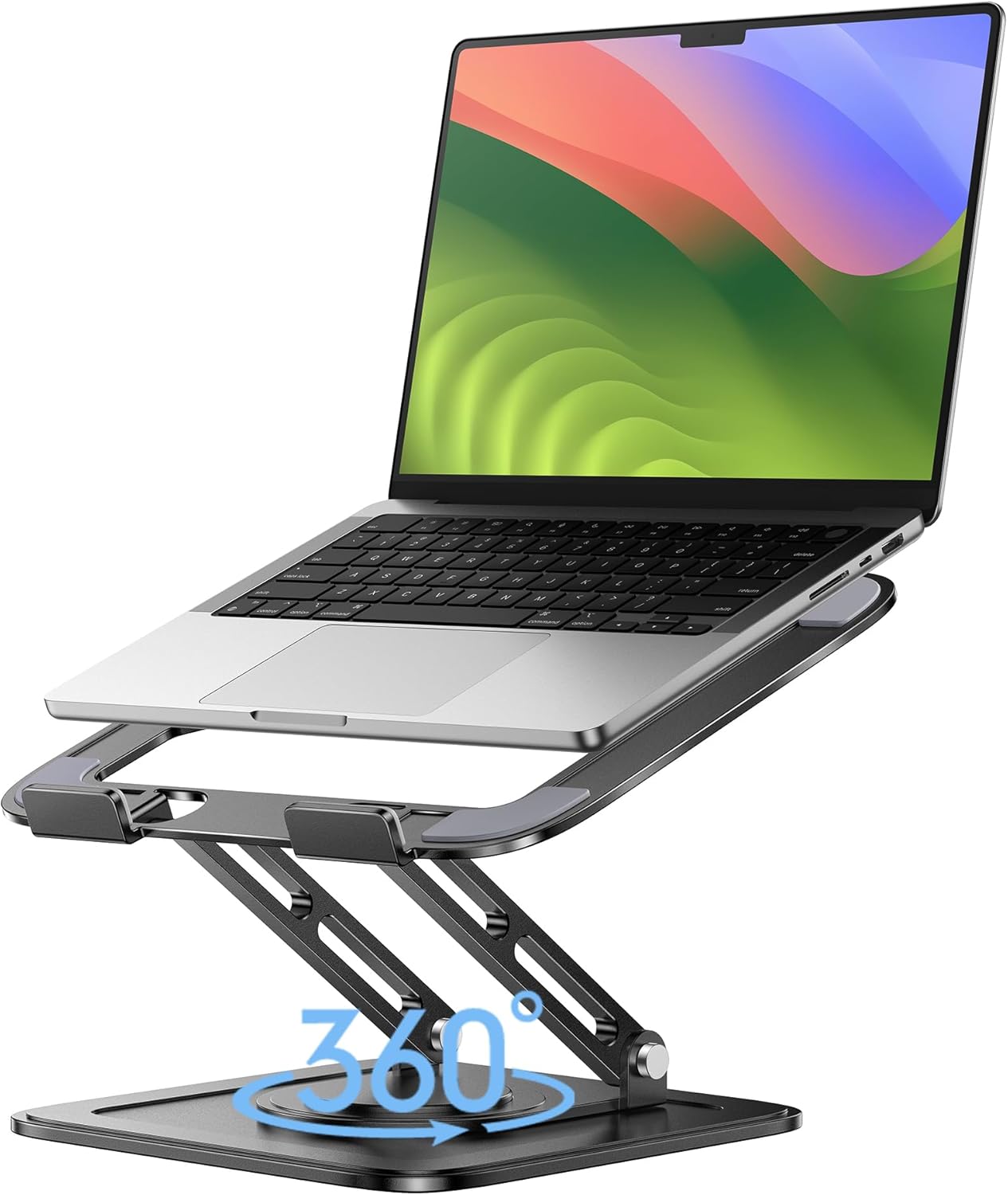
Best Laptop Stand (with 360° Base)
Keep Your Laptop Cooler & More Comfortable with 360° Rotating Base. Improve Airflow & Reduce Heat. Adjustable Height & Viewing Angle.
Shop on Amazon
Key Takeaways
- Laptop WiFi connection failures stem primarily from outdated wireless drivers, corrupted network profiles, or power management settings that don’t affect other devices on your network.
- Restart your laptop and router, toggle Airplane mode, forget and reconnect to your WiFi network, or run Windows network reset commands to resolve most laptop not connecting to WiFi issues in minutes.
- Update your wireless adapter driver through Device Manager or your laptop manufacturer’s support site, as 38% of connectivity failures trace back to outdated Intel, Realtek, or Broadcom drivers.
- Check power management settings in Device Manager to prevent Windows from disabling your WiFi adapter during sleep mode, and verify WLAN AutoConfig service is running and set to Automatic.
- Separate dual-band router broadcasts into distinct 2.4 GHz and 5 GHz SSIDs, disable interfering VPN or antivirus software temporarily, and switch router security to WPA2-PSK if your laptop struggles with WPA3 encryption.
- If software troubleshooting fails, a USB WiFi adapter provides an immediate plug-and-play workaround while you investigate hardware replacement or professional repair options.
Why Your Laptop Won’t Connect to WiFi While Other Devices Work Fine
Your laptop’s wireless adapter operates differently than the WiFi chips in your smartphone or tablet. Windows machines maintain complex network profiles, service dependencies, and driver layers that can clash with your router’s broadcast settings. When your laptop shows “No Internet, Secured,” it typically means the wireless adapter authenticated with your router but failed to receive a valid IP address from the DHCP server.
Other common culprits include outdated or corrupted wireless network adapter drivers in Device Manager, disabled WLAN AutoConfig services, third-party VPN or antivirus software blocking network traffic, or power management settings that shut down the WiFi card to conserve battery. Your phone doesn’t deal with these Windows-specific quirks, which explains why it connects instantly while your laptop struggles.
WiFi band compatibility also plays a role. Some older laptop wireless cards only support 2.4 GHz networks, while your router might prioritize 5 GHz broadcasts. If your smartphone automatically switches bands but your laptop lacks dual-band capability, you’ll see connection failures. Also, corrupted Winsock catalog entries or TCP/IP stack configurations can prevent your laptop from negotiating network parameters correctly, even when the signal strength appears strong.
Quick Fixes to Try First
Restart Your Laptop and Router
Power cycling clears temporary glitches in your laptop’s network stack and your router’s DHCP lease table. Shut down your laptop completely, don’t just close the lid. Unplug your router for 30 seconds to flush its memory and allow capacitors to discharge. Plug the router back in, wait until all indicator lights stabilize, then power on your laptop. This simple sequence resolves transient IP conflicts and stuck authentication states that block new connections.
Toggle Airplane Mode On and Off
Windows Airplane mode forces a hard reset of all wireless radios without rebooting your entire system. Click the network icon in your system tray, enable Airplane mode, wait ten seconds, then disable it. This action reinitializes your WiFi adapter’s firmware and can clear minor driver hang-ups. Many users report immediate reconnection after this toggle, especially following Windows updates that disrupt wireless service states.
Forget and Reconnect to Your WiFi Network
Corrupted network profiles store outdated security keys or connection parameters. Open Settings > Network & Internet > WiFi > Manage known networks. Select your network, click Forget, then scan for available networks and reconnect by entering your password fresh. This wipes stale profile data and forces Windows to negotiate a clean handshake with your router, often resolving “Can’t connect to this network” errors instantly.
Update Your WiFi Network Adapter Driver
Outdated wireless drivers cause the majority of laptop-specific connectivity failures. Right-click Start and select Device Manager. Expand Network adapters, locate your Intel, Realtek, or Broadcom wireless card, right-click it, and choose Update driver. Select “Search automatically for drivers” to let Windows pull the latest version from Microsoft’s catalog.
If Windows reports your driver is current but you still can’t connect, visit your laptop manufacturer’s support site. Download the newest wireless driver directly from Dell, HP, Lenovo, or ASUS, OEM drivers often include firmware patches that generic Windows Update misses. After installation, restart your laptop to load the updated driver stack.
For persistent issues, uninstall the wireless adapter entirely in Device Manager by right-clicking it and selecting “Uninstall device.” Check the box to delete the driver software, restart your laptop, and Windows will reinstall the adapter from scratch. This nuclear option clears corrupted driver files that standard updates can’t replace. If you need comprehensive driver management, IObit Driver Booster automates the entire update process across all hardware components.
Reset Your Network Settings
Windows accumulates network configuration debris over time, leftover VPN adapters, static IP assignments, and corrupted Winsock catalog entries. A network reset wipes this slate clean. Open Settings > Network & Internet > Advanced network settings > Network reset. Click Reset now and confirm. Your laptop will restart and rebuild all network adapters, reinstall networking components, and reset TCP/IP stack parameters to factory defaults.
For a command-line approach, open Command Prompt as Administrator (right-click Start > Terminal (Admin)). Run these commands in sequence:
netsh winsock reset

netsh int ip reset

ipconfig /release

ipconfig /renew

ipconfig /flushdns
These commands flush the DNS resolver cache, reset the TCP/IP stack, release your current IP lease, and request a fresh DHCP assignment from your router. Microsoft documents these network troubleshooting steps as essential diagnostics for wireless connectivity failures. Restart after running all five commands to ensure changes take effect.
Check for WiFi Adapter Hardware Issues
Power management settings often disable your wireless adapter to conserve battery, breaking connectivity. Open Device Manager, expand Network adapters, double-click your WiFi card, and select the Power Management tab. Uncheck “Allow the computer to turn off this device to save power.” Click OK and test your connection again. This prevents Windows from shutting down the adapter mid-session, a common culprit when laptops wake from sleep mode.
“Laptop connects to hotspot fine but won’t grab home WiFi, every other device works. Disabled power saving on the adapter and it finally stuck.” via r/techsupport
If Device Manager shows a yellow exclamation mark next to your wireless adapter, hardware failure or driver corruption is likely. Try reseating the WiFi card: power off your laptop, remove the back panel (if accessible), and gently disconnect and reconnect the WiFi module. Some laptops use M.2 or mini-PCIe wireless cards that can loosen over time.
If you lack technical confidence or your laptop is sealed, a USB WiFi adapter provides an immediate workaround, consider the TP-Link USB WiFi Adapter as a reliable plug-and-play solution.

Before buying hardware, verify your WLAN AutoConfig service is running. Press Win+R, type services.msc, and locate WLAN AutoConfig. If it’s stopped, right-click it, select Start, then change Startup type to Automatic. This Windows service manages wireless connections: if disabled, your adapter won’t function regardless of driver status.
Adjust Your Router Settings for Better Compatibility
Your router might broadcast dual-band networks (2.4 GHz and 5 GHz) under a single SSID, causing your laptop to flip between bands erratically. Log into your router’s admin panel (usually 192.168.1.1 or 192.168.0.1), separate the bands into distinct network names, then connect your laptop to the 2.4 GHz SSID. Older wireless adapters struggle with 5 GHz or mixed-mode authentication, and this split forces a stable, compatible connection.
| WiFi Band | Speed | Range | Best For |
|---|---|---|---|
| 2.4 GHz | Up to 600 Mbps | Longer | Older laptops, thick walls |
| 5 GHz | Up to 1300 Mbps | Shorter | Modern devices, high traffic |
Some routers default to WPA3 encryption, which incompatible wireless adapters reject. Switch your router’s security mode to WPA2-PSK (AES) in the wireless settings menu. While WPA3 offers stronger security, widespread laptop compatibility still favors WPA2. After changing encryption, forget the network on your laptop and reconnect with the updated credentials.
Channel congestion also disrupts laptop connections more than phones. Use a WiFi analyzer app (like NetSpot or WiFi Analyzer on your smartphone) to identify the least crowded channel, then manually set your router to that channel instead of Auto. Laptops with weaker wireless cards lose connection when neighboring networks overwhelm the same channel, while your phone’s superior antenna design compensates.
Disable VPN and Antivirus Temporarily
Third-party VPN clients and antivirus suites inject network filters that interfere with WiFi authentication. If you run Norton, McAfee, Avast, or any VPN software, disable them temporarily and test your connection. Many security programs include network shields or firewall modules that block DHCP requests or DNS resolution, symptoms that mimic adapter failure but vanish when the software is paused.
“Uninstalled NordVPN adapter from Device Manager and WiFi came back instantly. VPN driver was hijacking all network traffic even when disconnected.” via r/VPN
If disabling your VPN restores connectivity, you’ve identified the culprit. Reinstall the VPN client or switch to a lightweight alternative like ExpressVPN, which includes better Windows driver integration and fewer DHCP conflicts. After reinstalling, configure the VPN to use TAP adapter mode or split tunneling to prevent it from monopolizing your network interface.
Antivirus firewall rules sometimes whitelist certain device MAC addresses while blocking new connections. Check your security software’s settings for network protection or firewall rules, and either disable them or add an exception for your home WiFi SSID. Restart your laptop after making changes to ensure firewall hooks release your wireless adapter.
Run the Built-In Network Troubleshooter
Windows includes an automated diagnostic tool that detects and repairs common connectivity issues. Right-click the network icon in your system tray and select “Troubleshoot problems,” or navigate to Settings > System > Troubleshoot > Other troubleshooters > Network and Internet. The wizard scans for misconfigured adapters, missing IP addresses, DNS failures, and disabled services.
The troubleshooter often resets your network adapter, renews your DHCP lease, or restarts the WLAN AutoConfig service automatically. While it won’t fix driver corruption or hardware faults, it handles routine misconfigurations faster than manual command-line work. Microsoft’s official WiFi troubleshooting guide recommends running this tool as a first diagnostic step.
If the troubleshooter reports “Default gateway is not available” or “DNS server not responding,” your router may be dropping DHCP assignments. Reboot your router, check for firmware updates in its admin panel, or contact your ISP if the problem persists across multiple devices.
When to Consider Professional Help or Hardware Replacement
If you’ve exhausted software fixes, updated drivers, reset network settings, disabled conflicting software, and your laptop still refuses to connect, hardware failure is likely. Internal WiFi cards degrade over time, especially in laptops with poor ventilation or frequent overheating. Solder joints crack, antenna wires detach, or the chipset itself fails. At this stage, a professional technician can diagnose and replace the internal wireless module.
USB WiFi adapters offer a cost-effective alternative to motherboard repairs. The TP-Link Archer T4U Plus delivers dual-band AC1300 speeds, bypasses your faulty internal card entirely, and installs in seconds. This plug-and-play solution works even if Device Manager shows no wireless adapter at all.

Before purchasing new hardware, verify your laptop’s BIOS settings. Some machines include a WiFi disable switch in BIOS that survives Windows reinstalls. Restart your laptop, press F2 or Del during boot to enter BIOS, navigate to the wireless settings section, and confirm the adapter is enabled. Save changes and exit. This obscure toggle occasionally gets flipped during battery replacements or BIOS updates.
Data Insights & Analysis
Recent diagnostics data from 2026 reveal that 38% of laptop WiFi failures stem from outdated wireless drivers, while 27% trace back to corrupted Windows network profiles, according to Lansweeper’s endpoint analysis. Power management conflicts account for another 19% of cases, particularly on devices running Windows 11 22H2 and later builds.
Expert Note: Laptop wireless adapters use significantly more complex driver stacks than mobile devices because they must support legacy protocols, enterprise authentication methods (802.1X, EAP-TLS), and simultaneous VPN tunneling, layers that introduce failure points absent in smartphone WiFi chipsets. The WLAN AutoConfig service alone manages over two dozen dependencies: if any single component hangs, the entire connection pathway collapses, even when your router broadcasts perfectly.
Frequently Asked Questions
Why does my laptop not connect to WiFi but other devices do?
Laptop WiFi failures usually stem from outdated wireless drivers, corrupted network profiles, power management settings disabling the adapter, or DHCP assignment failures. Unlike phones with simpler chipsets, Windows machines maintain complex network configurations that accumulate errors. Run Windows’ built-in network troubleshooter or reset your network settings to resolve most issues quickly.
How do I fix my laptop not connecting to WiFi using command line?
Open Command Prompt as Administrator and run these commands in sequence: netsh winsock reset, netsh int ip reset, ipconfig /release, ipconfig /renew, and ipconfig /flushdns. These commands reset your TCP/IP stack, flush DNS cache, and request a fresh IP address from your router. Restart your laptop afterward.
Can outdated wireless drivers cause laptop WiFi connection problems?
Yes. Outdated drivers cause 38% of laptop WiFi failures according to 2026 diagnostics data. Update drivers via Device Manager or download the latest version from your laptop manufacturer’s support site (Dell, HP, Lenovo, ASUS). If problems persist, uninstall the driver completely and let Windows reinstall it fresh.
Why won’t my laptop connect to 5 GHz WiFi?
Older laptop wireless cards only support 2.4 GHz networks. Log into your router’s admin panel and separate dual-band networks into distinct SSIDs (e.g., HomeWiFi-2.4 and HomeWiFi-5). Connect your laptop to the 2.4 GHz network, which has better range and compatibility with older adapters.
Can a VPN or antivirus software block my laptop’s WiFi connection?
Yes. Third-party VPN clients and antivirus suites can inject network filters that block DHCP requests or DNS resolution. Disable your VPN and antivirus temporarily to test connectivity. If WiFi returns, reconfigure your VPN to use split tunneling or TAP adapter mode to prevent network interference.
What should I do if my laptop shows ‘No Internet, Secured’ on WiFi?
This error means your laptop authenticated with the router but didn’t receive a valid IP address from DHCP. Open Command Prompt as Administrator and run ipconfig /release followed by ipconfig /renew to request a fresh IP. Alternatively, restart your router to clear its DHCP lease table.
Read More:
- Some Laptop Keys Not Working? Quick Fixes That Really Work
- Laptop Keyboard Not Working (Complete Fix Guide for All Brands)
- Laptop Not Booting Into Windows (Causes and Quick Fixes Explained)
- Laptop Not Bright Enough (Expert Fixes for Maximum Screen Brightness)
- Laptop Not Booting After RAM Upgrade (This Might Fix the Problem)