
Your laptop battery used to last for hours. Now it drains from 100% to nothing in under an hour, or worse, shuts down unexpectedly at 30% charge. You’re tethered to a wall outlet, and your portable computer isn’t portable anymore.
When your laptop won’t hold a charge, the culprit is usually battery degradation, aggressive power settings, or hardware failures. Most lithium-ion batteries degrade after 300–500 charge cycles, losing capacity as their internal cells wear down. Background processes, high-performance power plans, and faulty AC adapters can accelerate drain and trick your system into reporting false battery levels.
In this guide, you’ll learn how to diagnose battery health using built-in tools like Windows’ powercfg /batteryreport, identify power-draining processes in Task Manager, adjust settings to extend runtime, and decide when physical replacement is your only option. Let’s restore your laptop’s mobility.
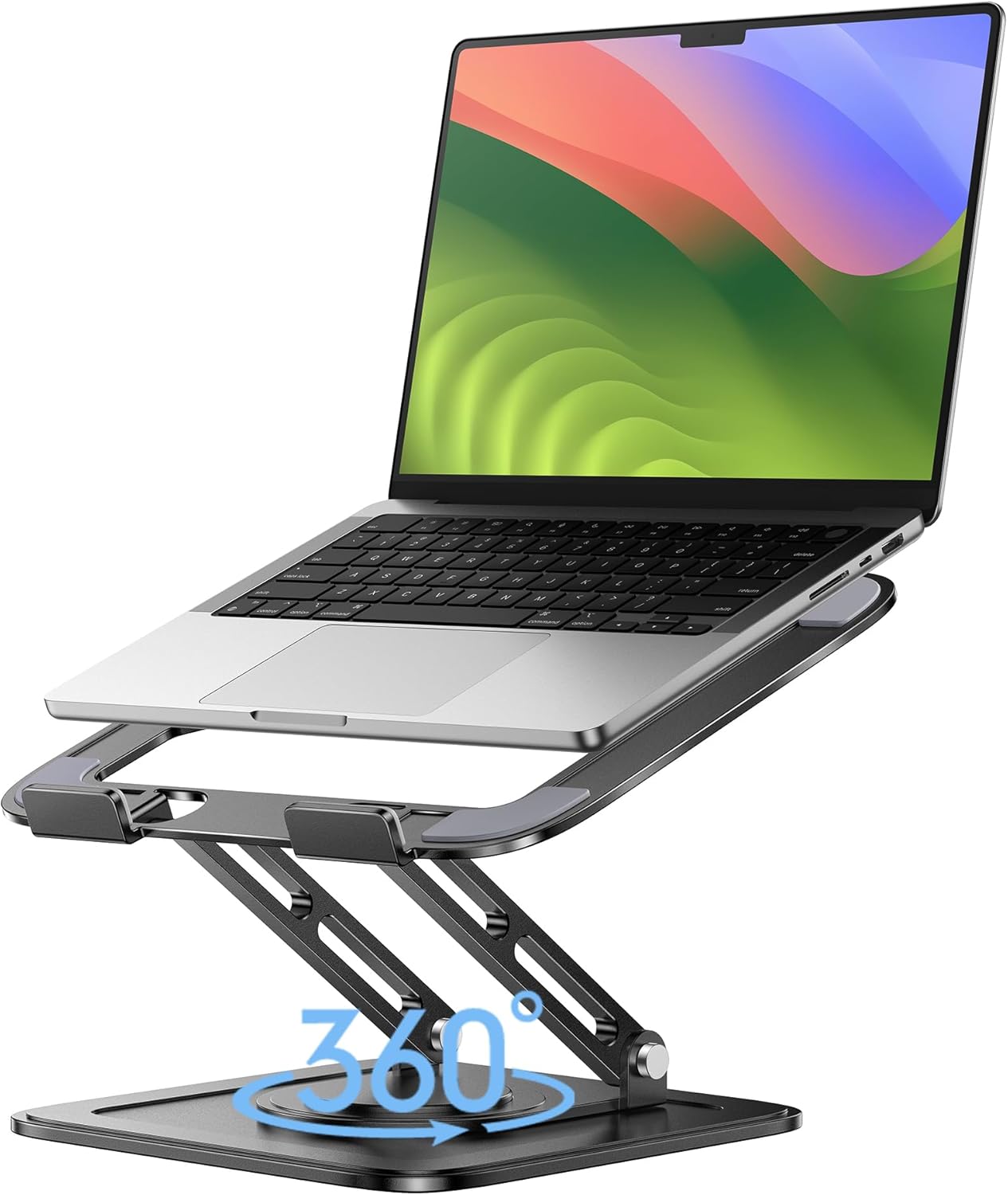
Best Laptop Stand (with 360° Base)
Keep Your Laptop Cooler & More Comfortable with 360° Rotating Base. Improve Airflow & Reduce Heat. Adjustable Height & Viewing Angle.
Shop on Amazon
Key Takeaways
- Your laptop not keeping charge is typically caused by battery degradation after 300–500 charge cycles, aggressive power settings, or hardware failures like faulty adapters and damaged charging ports.
- Use Windows’ powercfg /batteryreport tool or Mac’s System Settings to check battery wear level and cycle count—replace your battery if wear exceeds 40% or cycles exceed 500–1,000.
- Extend battery lifespan by avoiding 0–100% charges, keeping your laptop between 20–80% charge, disabling background apps, reducing screen brightness, and storing in cool environments.
- Quick fixes include battery recalibration, switching to Battery Saver mode, disabling startup programs, and adjusting OEM power management software before considering replacement.
- Replace your battery immediately if you notice sudden shutdowns at 20–50% charge, physical swelling, or drain from full to empty in under 90 minutes during light use.
Common Reasons Your Battery Won’t Hold Charge
Battery Age and Degradation
Lithium-ion batteries degrade with every charge cycle. A cycle occurs when you discharge 100% of your battery’s capacity, whether in one session or across multiple partial drains. After 300 to 500 cycles, most laptop batteries lose 20–40% of their original design capacity. Your battery’s full charge capacity shrinks while its design capacity (the factory-rated maximum) remains constant, creating a gap called battery wear.
You’ll notice this as shorter runtimes. A battery that once powered six hours of work now dies after two. The chemistry inside degrades as lithium ions struggle to move between electrodes, and internal resistance increases. Heat accelerates this process, storing your laptop on soft surfaces that block vents or running intensive tasks in hot environments speeds wear.
Most OEMs consider batteries with 80% or less of their design capacity as “consumed.” If your laptop is three years old and used daily, replacement is likely overdue. Checking your cycle count and wear level (covered in the diagnostics section) confirms whether age is the root cause.
Power Settings and Software Issues
Aggressive power plans drain batteries faster than necessary. Windows defaults to “Balanced,” but many users unknowingly switch to “High Performance” or let OEM utilities like Lenovo Vantage, Dell Power Manager, or HP Command Center override system defaults. High-performance modes keep your CPU and GPU running at maximum clock speeds, consuming watts even during idle browsing.
Background apps are silent energy thieves. Windows Search indexing, OneDrive sync, antivirus scans, and automatic updates run invisibly, spiking CPU usage and draining power. Open Task Manager (Ctrl+Shift+Esc) and check the “Power usage” column to identify culprits. Apps marked “Very high” or “High” should be closed or disabled if non-essential.
Display brightness is another major drain. Screens consume 30–50% of total battery power at maximum brightness. Dropping brightness to 40–60% can extend runtime by an hour or more. Keyboard backlighting, Bluetooth, and Wi-Fi also add incremental drain, disable features you’re not actively using.
Hardware Failures and Component Problems
Faulty AC adapters deliver inconsistent voltage, preventing full charges or causing the battery to discharge even when plugged in. Check your adapter’s output label (usually 19V, 3.42A or similar) and confirm it matches your laptop’s requirements. Generic third-party chargers often underdeliver wattage, starving your system and forcing it to pull from the battery.
Loose or damaged charging ports prevent proper power delivery. Wiggle your charging cable gently while plugged in. If the charging LED flickers or the connection feels loose, the port’s solder joints may have cracked or debris may be blocking contact. This issue is common on laptops carried in bags where the cable gets bumped repeatedly.
Internal hardware can also drain power unexpectedly. A failing hard drive spinning constantly, a stuck cooling fan running at max RPM, or a malfunctioning motherboard component can create parasitic drain. These require professional diagnostics, but you can rule out software causes first using the steps in the next section.
How to Diagnose Your Laptop Charging Problem
Checking Battery Health on Windows and Mac
Windows includes a powerful battery diagnostics tool hidden in the command line. Open Command Prompt or PowerShell as Administrator (search “cmd,” right-click, choose “Run as administrator”). Type powercfg /batteryreport and press Enter. Windows generates an HTML file, usually saved to C:\Windows\System32\battery-report.html. Navigate there and open it in your browser.
The report reveals critical data:
- Design Capacity: Factory-rated maximum (e.g., 50,000 mWh)
- Full Charge Capacity: Current maximum after wear (e.g., 32,000 mWh)
- Cycle Count: Total charge cycles completed
- Battery Usage: Recent drain patterns and discharge rates
Calculate wear level: (Design Capacity - Full Charge Capacity) / Design Capacity × 100. If wear exceeds 20%, your battery is degraded. Above 40%, replacement is urgent. According to Microsoft’s battery diagnostics documentation, cycle counts above 500 on consumer laptops indicate end-of-life.
“My laptop shuts down at 40% and the battery report showed 68% wear after only 18 months. Replaced the battery and it’s like new again.” via r/thinkpad
Mac users access battery health through System Settings > Battery. Click the “i” icon next to Battery Health. macOS reports condition as “Normal,” “Service Recommended,” or “Replace Soon.” For deeper data, hold Option and click the battery icon in the menu bar to see cycle count and condition. Apple states most MacBook batteries retain 80% capacity for 1,000 cycles.
Testing Your Power Adapter and Charging Port
Unplug your adapter and inspect the cable for fraying, kinks, or exposed wires near the connector. Check the barrel plug (the part that inserts into your laptop) for bent pins or burn marks. Smell the power brick, a burnt odor indicates failed capacitors inside.
Borrow a known-good adapter matching your laptop’s voltage and amperage specifications, or purchase a genuine OEM replacement. Generic adapters from Amazon often underdeliver wattage. Plug in the test adapter. If your laptop charges normally, the original adapter is faulty.
Inspect the charging port with a flashlight. Dust, lint, or corrosion can block contact. Use compressed air or a wooden toothpick (never metal) to gently clean debris. Plug in the charger and wiggle it slightly. A loose connection suggests broken solder joints on the motherboard, a repair requiring professional soldering equipment.
Quick Fixes to Try Before Replacing Your Battery
Start by recalibrating your battery to reset the power management firmware. Charge your laptop to 100%, then let it discharge completely until it shuts down. Leave it powered off for 2–3 hours, then charge to 100% without interruption. This recalibration helps your system accurately track remaining capacity.
Switch to Battery Saver mode in Windows (Settings > System > Power & battery) or Low Power Mode on Mac (System Settings > Battery). These modes throttle CPU speed, dim the display, and limit background activity. You’ll sacrifice some performance for 20–30% longer runtime.
Disable startup programs hogging resources. Press Ctrl+Shift+Esc to open Task Manager, click the “Startup” tab, and disable non-essential apps like Spotify, Steam, Adobe Creative Cloud, or manufacturer bloatware. Each disabled app reduces boot-time CPU spikes and background drain.
If you frequently work in high-performance scenarios, consider using NordVPN to secure your connection without the battery overhead of less-optimized free VPN services. For outdated drivers causing power inefficiencies, tools like Driver Booster can update chipset and power management drivers that optimize energy consumption.
Adjust your OEM power management software. Lenovo Vantage, Dell Power Manager, and HP Command Center often override Windows defaults. Set them to “Battery Life” or “Quiet” modes instead of “Performance.” Disable “Rapid Charge” features that heat batteries and accelerate wear.
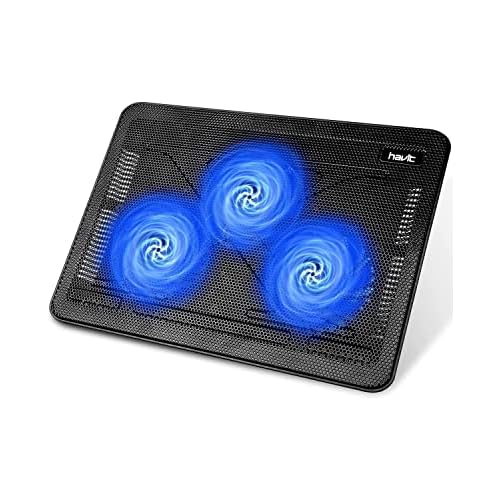
For hardware enthusiasts, an external laptop cooling pad reduces thermal stress on your battery, extending its lifespan. If your battery is removable, consider a genuine OEM replacement battery as the ultimate fix when software tweaks no longer help.
When to Replace Your Laptop Battery
Replace your battery if the powercfg /batteryreport shows wear above 40% or your cycle count exceeds 500–1,000 (depending on manufacturer specs). A battery with 60% or less of its design capacity can’t sustain normal use and will shut down unexpectedly.
Other red flags include:
- Laptop powers off suddenly even though showing 20–50% charge remaining
- Battery drains from 100% to zero in under 90 minutes during light use
- Physical swelling or bulging (stop using immediately, fire risk)
- Laptop only functions when plugged into AC power
- Charging takes 4+ hours to reach 100%
Physical swelling is a safety hazard. Lithium-ion batteries generate gas when cells fail, causing the casing to expand. If your laptop’s trackpad lifts, the bottom case separates, or the battery feels spongy, power down and remove it if possible. Swollen batteries can rupture or ignite.
Most consumer laptops reach end-of-life battery status after 2–4 years of daily use. Business-class models (ThinkPad, Latitude, EliteBook) often include higher-quality cells rated for 1,000+ cycles, doubling lifespan.
How to Extend Your Laptop Battery Lifespan
Avoid charging to 100% or draining to 0% regularly. Lithium-ion batteries last longest when kept between 20–80% charge. Many OEMs offer charge-limiting features in their utilities, Lenovo’s “Conservation Mode” stops charging at 60%, and ASUS Battery Health Charging offers 60% or 80% thresholds.
Heat is battery enemy number one. Don’t use your laptop on beds, couches, or pillows that block air vents. Clean dust from cooling vents every 3–6 months using compressed air. Consider a laptop stand that elevates the chassis for better airflow.
Store your laptop properly during extended periods of non-use. Charge to 50–60%, power down, and store in a cool, dry place. Batteries left at 0% or 100% for weeks degrade faster. Every three months, power on and recharge to 50% to prevent deep discharge damage.
Avoid extreme temperatures. Don’t leave your laptop in a car during summer (interior temps can hit 150°F) or winter (below 32°F). Operating outside 50–95°F accelerates chemical breakdown inside cells.
Professional Repair vs. DIY Battery Replacement
DIY replacement is feasible if your laptop has a removable battery (older models with sliding latches). Purchase a genuine OEM battery from the manufacturer or authorized resellers, avoid no-name batteries from third-party sellers, which often use low-grade cells.
Modern ultrabooks and MacBooks use internal batteries secured with screws and adhesive. Replacement requires:
- Precision screwdrivers (T5 Torx, Phillips #0)
- Plastic spudgers to avoid short circuits
- Anti-static wrist strap
- iFixit battery replacement kit (includes tools and instructions)
Risks include damaging ribbon cables, puncturing the battery (fire hazard), or voiding warranties. iFixit’s laptop repair guides provide step-by-step photo instructions with difficulty ratings. Devices rated 8+ out of 10 difficulty should go to professionals.
“Replaced my Dell XPS battery myself using an iFixit guide. Took 45 minutes and cost $60 vs. $200 at Best Buy.” via r/Dell
Professional repair costs $80–$250 depending on model complexity. Apple charges $129–$199 for MacBook battery replacement. Benefits include warranty coverage, genuine parts, and no risk of accidental damage. If your laptop is under manufacturer or extended warranty, battery replacement is often free when capacity drops below 80%.
Compare DIY vs. professional based on your comfort level, warranty status, and laptop design. When in doubt, professionals ensure safety and preserve device integrity.
Frequently Asked Questions
Why is my laptop not keeping charge and draining so fast?
Laptop battery drain is commonly caused by battery degradation after 300–500 charge cycles, aggressive power settings like High Performance mode, or hardware failures such as faulty AC adapters. Background apps, high display brightness, and internal component issues can also accelerate drain. Use Windows’ powercfg /batteryreport tool to diagnose wear level and identify the root cause.
How do I check my laptop battery health on Windows?
Open Command Prompt as Administrator, type powercfg /batteryreport, and press Enter. Windows generates an HTML report showing Design Capacity, Full Charge Capacity, Cycle Count, and wear percentage. If wear exceeds 20%, your battery is degraded. Above 40% wear or over 500 cycles indicates end-of-life and replacement is needed.
Can a faulty charger cause a laptop to not hold charge?
Yes. A faulty AC adapter delivers inconsistent voltage, preventing full charges or causing discharge even when plugged in. Verify your adapter’s voltage and amperage match your laptop’s requirements. Loose or damaged charging ports also prevent proper power delivery. Test with a known-good OEM adapter to confirm whether the charger or battery is the problem.
How can I extend my laptop battery lifespan?
Keep battery charge between 20–80% instead of 0–100%. Use charge-limiting features like Lenovo’s Conservation Mode. Avoid heat by cleaning vents every 3–6 months and using a laptop stand. Disable unnecessary features like Bluetooth and keyboard backlighting. Store unplugged laptops at 50–60% charge in cool environments during extended non-use.
When should I replace my laptop battery instead of trying fixes?
Replace your battery if wear exceeds 40%, cycle count surpasses 500–1,000, or capacity drops below 60% of design capacity. Red flags include sudden shutdowns at 20–50% charge, drain from full to zero in under 90 minutes during light use, or physical swelling. Swollen batteries are fire hazards and must be removed immediately. Professional replacement costs $80–$250.
What does battery wear percentage mean and how is it calculated?
Battery wear represents capacity loss due to age and use cycles. Calculate it as: (Design Capacity – Full Charge Capacity) ÷ Design Capacity × 100. For example, a battery with 50,000 mWh design capacity and 32,000 mWh current capacity has 36% wear. Most OEMs consider batteries with 80% or less capacity as consumed and recommend replacement.
Read More:
- Laptop Not Having Sound (Here’s the Quick & Proven DIY Fixes)
- Laptop Not Identifying 3rd Monitor (Here’s Why and Fixes That Work)
- Laptop Not Installing Updates (Here’s Why and What Usually Fixes It)
- Laptop Not Identifying Ethernet (Common Causes and Quick Fixes Explained
- Laptop Not Keeping Time (Common Causes and Step-by-Step Guide)