

If your LG TV isn’t connecting to Wi-Fi, the issue often comes down to software glitches, weak signals, or settings conflicts. The most effective way to fix this is to perform a power cycle by unplugging your TV, holding the power button, and restarting it, which clears temporary bugs affecting connectivity.
Other common causes include outdated firmware, interference from other devices, or features like Quick Start and Simplink creating conflicts. Adjusting settings like the LG Services Country or moving your router closer can significantly improve your TV’s ability to connect.

Primary Reasons LG TV Won’t Connect to WiFi
When your LG Smart TV fails to connect to WiFi, several technical factors are usually involved. These issues range from simple password errors to complex firmware problems and signal interference.
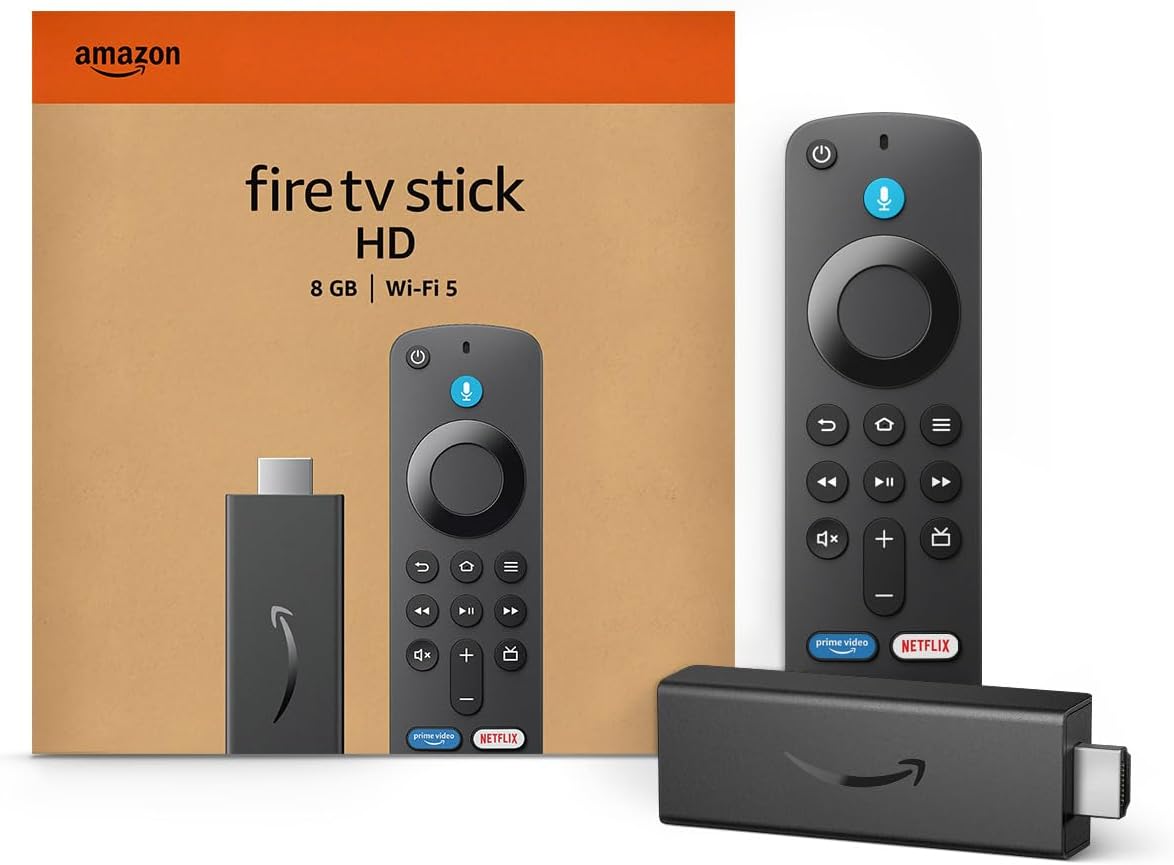
Amazon Fire TV Stick HD
Turn Any TV to a Smart TV. Stream Netflix, Prime Video & More. Alexa Voice Remote Included. Easy Plug & Play Setup.
Shop on AmazonIncorrect WiFi Password
Entering the wrong WiFi password is one of the most common reasons your LG TV won’t connect to your network. Even a single incorrect character can prevent any successful connection.
Check carefully for uppercase and lowercase letters, numbers, and special characters. If you recently changed your WiFi password or reset your router, make sure to update the credentials on your LG TV as well.
You can re-enter the password under Settings > Network > WiFi Connection on your TV. Also, avoid copying the password from other devices without confirming it, since saved passwords can sometimes be outdated.
Weak or Interrupted WiFi Signal
A poor WiFi signal can cause intermittent or no connection on your LG TV. Distance from your router, thick walls, and interference from other electronics reduce signal strength.
You can test your WiFi strength by moving your router closer to the TV or using a WiFi analyzer app to check signal levels. Ideally, the router should be within the same room or at least in close proximity.
If the signal is weak and repositioning the router isn’t possible, consider using a WiFi extender or switching to a wired Ethernet connection for stable access. Persistent signal issues might require replacing outdated router equipment.
Outdated Firmware
Running outdated firmware on your LG Smart TV can cause connectivity failures due to unresolved software bugs. LG releases firmware updates regularly to improve network compatibility and fix bugs.
To check for updates, go to Settings > All Settings > General > About This TV > Check for Updates. If your TV can’t connect to WiFi to do this automatically, you may need to manually update firmware using a USB drive.
Network Interference and Device Limitations
Interference from other wireless devices or appliances can disrupt your LG TV’s connection. Devices like microwaves, cordless phones, and baby monitors operating on 2.4 GHz can interfere with your WiFi signal.
To reduce interference, keep the router away from electronic appliances and change your router’s frequency band to 5 GHz if supported. Disconnect unused USB devices from the TV, which may cause signal disruptions.
Some routers limit the number of devices connected simultaneously. If your home network has many active connections, your LG TV may struggle to stay connected.
Disconnecting unused devices or upgrading your router can alleviate this issue. For more troubleshooting tips, visit lg-tv-not-connecting-to-wifi troubleshooting.
Step-by-Step Troubleshooting for Connectivity Issues
When your LG TV struggles to connect to Wi-Fi, precise actions regarding your TV and network equipment can often resolve the problem. Addressing power cycles, network verification, and proper reconnection helps establish a stable internet link.
Restart LG TV and Router
Start by powering off both your LG TV and router. Completely unplug each device from the power source for at least 60 seconds.
This pause allows residual power to drain from internal components, which can clear temporary glitches affecting connectivity. After waiting, press and hold your LG TV’s power button for about 30 seconds while it’s unplugged.
Then, plug the router back in first and wait for it to fully reboot—usually indicated by stable indicator lights. Once the router is ready, reconnect and power on your LG TV.
This restart sequence resets the connection between your TV and network hardware, often fixing common bugs without further setup changes. It also lets your router assign a fresh IP address to your TV if needed.
Verify Wi-Fi Network and Internet Access
Confirm the correct Wi-Fi network name (SSID) is selected on your LG TV. Sometimes, auto-connect settings cause the TV to latch onto nearby but incompatible networks.
Navigate to Settings > Network > Wi-Fi Connection on your TV and check the displayed network name. Next, verify that your internet service is active by testing other devices connected to the same router.
If multiple devices show no internet access, the issue may lie with your internet provider or router configuration. Ensure your Wi-Fi signal strength near the TV is strong.
Physical obstructions like walls or interference from appliances may weaken the signal. If necessary, move the router closer or remove sources of interference.
Reconnect to the Network Using Correct Settings
If your LG TV still won’t connect, manually forget the existing Wi-Fi profile. Go to Settings > Network > Wi-Fi Connection, select your current network, and choose Forget Network.
Then, scan for available networks and select your Wi-Fi again. Enter your Wi-Fi password carefully, ensuring correct capitalization and special characters.
Incorrect credentials are a common cause of failed connections. Check that your network uses standard settings: the TV typically supports WPA2 encryption and 2.4 GHz or 5 GHz bands.
Avoid hidden networks or complex security protocols that the TV may not recognize. If you previously altered DNS or proxy settings on your LG TV, reset them to automatic to avoid conflicts.
For additional guidance or issues, consult your LG TV’s support materials or your router’s manual. For more detailed troubleshooting steps, see LG TV Not Connecting to Wi-Fi (The One Proven Fix!).
Advanced Solutions and Network Optimization
Optimizing your network and adjusting specific settings can resolve persistent connectivity issues on your LG TV. Fine-tuning DNS and IP addresses, resetting network configurations, and selecting the appropriate Wi-Fi band often restore stable connections and improve performance.
Adjust DNS Settings and IP Configuration
Sometimes your LG TV struggles to connect due to default DNS settings provided by your ISP. Changing to a public DNS like Google’s (8.8.8.8 or 8.8.4.4) or Cloudflare’s (1.1.1.1) can improve both connection reliability and speed.
To adjust this, go to Settings > Network > Wi-Fi (or Wired) > Advanced Settings. Manually enter the preferred DNS server under DNS settings.
Additionally, setting a static IP address for your TV helps prevent IP conflicts. You do this in the same advanced network menu by disabling automatic IP assignment and inputting an IP address within your router’s subnet range.
Keep your subnet mask and gateway consistent with your router’s configuration. This avoids connection drops due to dynamic IP reassignment.
Reset Network Settings on LG TV
If network adjustments fail, resetting your LG TV’s network settings often clears corrupted configurations blocking Wi-Fi access. This restores your TV’s connectivity to a clean state without affecting other system data.
Navigate to Settings > All Settings > General > Reset to Initial Settings and select the network reset option. Confirm and allow the TV to restart.
After resetting, you must reconnect your TV to your Wi-Fi network by entering the password again. This step ensures any errors in saved network data are removed, allowing your TV to negotiate a fresh connection with your router.
Switch Between 2.4GHz and 5GHz Networks
LG TVs can connect to both 2.4GHz and 5GHz Wi-Fi bands, but performance varies depending on distance and interference. The 2.4GHz network offers better range but is more prone to interference and slower speeds.
The 5GHz band provides faster data but covers a smaller area. You should try switching between these bands to see which works reliably.
Access your Wi-Fi settings on the TV and look for available networks. If your router broadcasts separate SSIDs for 2.4GHz and 5GHz bands, select the alternate network.
If your router combines bands under one SSID, consider temporarily disabling one band in the router’s admin portal to force your TV onto the other. Experimenting here can resolve connection drops caused by interference or router auto-optimization features known to disrupt compatibility with LG TVs.
For additional tips on these fixes, see a detailed explanation of network optimization for LG TV Wi-Fi issues.
Alternative Fixes and When to Seek Support
When your LG TV struggles to connect to WiFi, there are several practical steps you can take beyond basic troubleshooting to isolate the problem or extend your network’s reach. If these do not resolve the issue, professional support may be necessary.
Test with a Mobile or Personal Hotspot
Using a mobile hotspot allows you to determine if the problem lies with your TV or your home network. Enable a personal hotspot on your smartphone and try connecting the LG TV to it.
If the TV connects smoothly, your home WiFi or router settings might be the cause. Ensure your hotspot has a strong signal and sufficient data allowance to avoid interruptions during testing.
If the TV cannot connect even to your mobile hotspot, this points to an internal issue with the TV’s network hardware or software. Testing this way isolates the cause and informs you whether to focus on your router or the TV itself.
Optimize WiFi Range with Extenders
If your TV is far from the router or the signal is weak, a WiFi extender can improve connectivity. Extenders retransmit your WiFi signal and increase coverage, reducing dead zones between your router and LG TV.
Place the extender roughly halfway between the router and the TV in an open, clutter-free area to maximize signal strength. Avoid interference from electronic devices like microwaves or cordless phones near the TV or extender.
Proper placement can significantly boost signal reliability and bandwidth available to your LG TV.
Contact LG Support for Persistent Issues
If all troubleshooting steps fail, it’s time to contact LG support.
Persistent WiFi connection problems can indicate hardware failures or software bugs requiring expert intervention.
Before reaching out, gather information such as your TV model, firmware version, and details of actions you’ve tried.
LG support can guide you through advanced diagnostics, firmware updates, or arrange repairs if necessary.