

If your Microsoft Surface won’t let you change screen brightness, you can fix it most often by updating or reinstalling the display and Surface drivers, checking Windows Update (including optional Surface firmware), and trying the built-in brightness controls or WIN+CTRL+SHIFT+B to force a graphics reset.
Start here: update drivers and firmware, install any pending Surface updates, and test the brightness keys and slider, this resolves the issue for most users.
If that doesn’t work, we will walk through quick diagnostics to identify whether the problem is a software driver, Windows update, or hardware control issue, then apply targeted fixes and preventive steps so your Surface stays under your control.
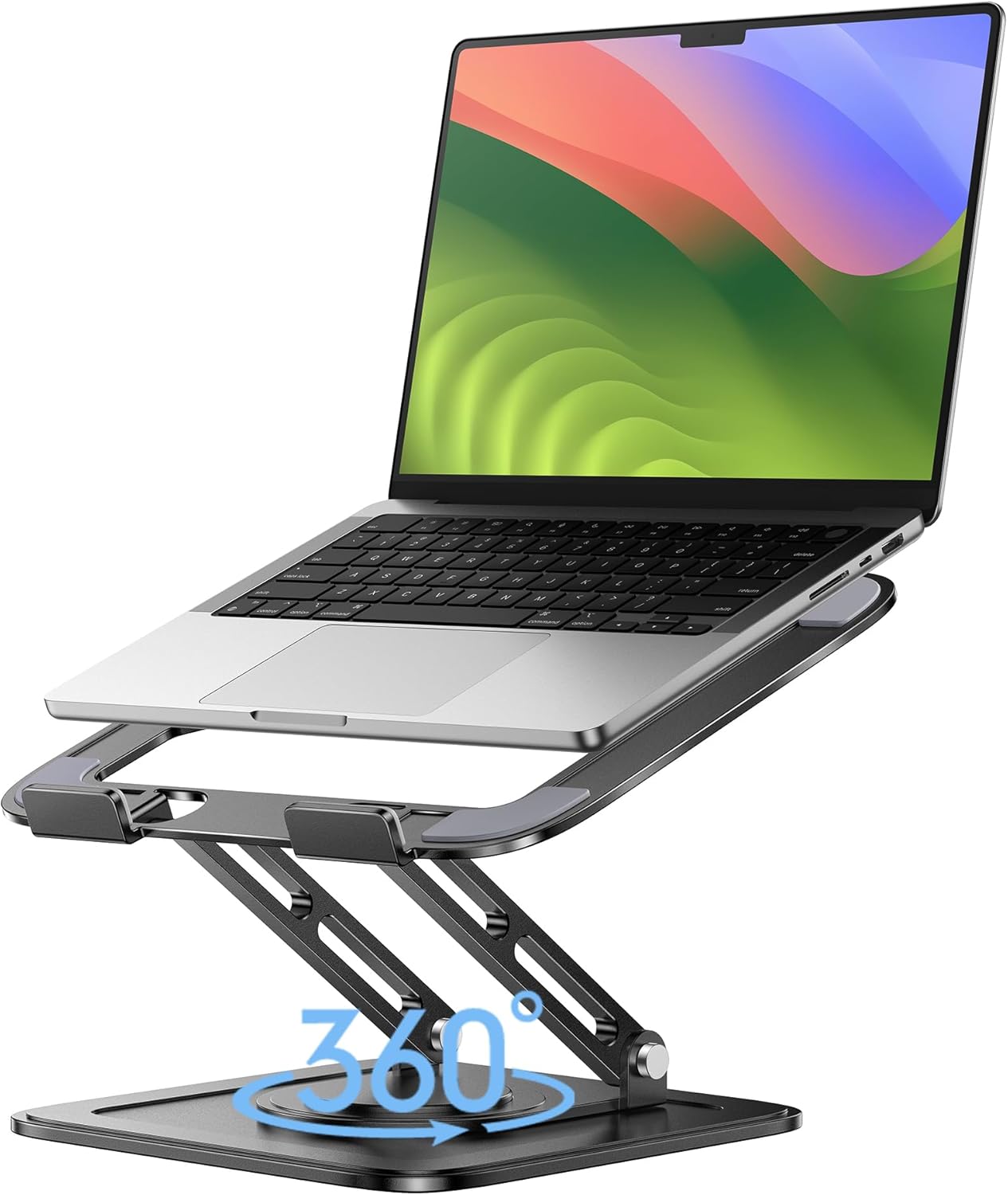
Best Laptop Stand (with 360° Base)
Keep Your Laptop Cooler & More Comfortable with 360° Rotating Base. Improve Airflow & Reduce Heat. Adjustable Height & Viewing Angle.
Shop on Amazon
Diagnosing Brightness Issues on Microsoft Surface
Start by confirming whether the problem is hardware, software, or a settings mismatch. Check which controls respond (keyboard, Settings, on-screen slider) and note when the symptom occurs (after boot, only on battery, or after an update).
Common Symptoms of Brightness Problems
You may see an on-screen brightness animation while the actual screen stays the same. That usually means the OS accepts input but the display driver or adaptive brightness feature is not applying changes.
Other symptoms to watch for:
- Brightness slider in Settings moves but the screen does not change.
- Brightness changes briefly then reverts or flickers.
- Brightness keys (F1/F2 or marked keys) show the overlay but have no effect.
- Automatic dimming when unplugged or in low light, even with adaptive controls off.
Record when symptoms occur: during login, after sleep, or only on battery. That timing helps isolate driver/firmware vs. ambient/Power settings issues.
Testing Keyboard Brightness Keys and Shortcuts
First try the dedicated Surface brightness keys or the function-row keys (often F1/F2). Press Fn + brightness key if your keyboard requires the Fn modifier. Look for the on-screen brightness indicator.
If the overlay appears but brightness doesn’t change:
- Restart Windows; test again before deeper changes.
- Log into another user account to rule out profile-specific settings.
- Boot to Safe Mode; if keys work there, third‑party software likely interferes.
If keys do nothing and the indicator doesn’t appear:
- Check the keyboard connection (detachable keyboards on Surface Pro).
- Reinstall or update the Surface keyboard driver from Device Manager.
- Run the Surface Diagnostic Toolkit to test hardware input.
Keep a short checklist while testing: does the indicator show, does the physical screen change, is Fn required, and does it fail only on battery or always. That narrows the cause quickly.
Checking On-Screen and Settings-Based Brightness Adjustment
Open Settings > System > Display and move the brightness slider. Note whether the slider changes numerically and whether the screen follows. If the slider is missing, the display driver or power plan can be the issue.
Check these items in order:
- Disable adaptive/automatic brightness under Display and in Intel/AMD graphics control panels.
- Update or roll back the display driver in Device Manager. Uninstalling and letting Windows reinstall can fix driver corruption.
- Install Surface firmware and driver updates from Microsoft to ensure the brightness control interfaces match your hardware.
Also test behavior on AC vs battery power and after toggling power plans. If Settings and the slider both fail while keys work, the problem is likely driver-level. If Settings works but keys don’t, focus on keyboard/driver or firmware for the Surface device.
Key Solutions to Restore Surface Brightness Controls
Start by checking drivers, firmware, and keyboard function settings. Targeted updates and a few built-in diagnostics usually fix function-key brightness problems quickly.
Updating Display and Graphics Drivers
First open Device Manager and expand Display adapters. If you see “Microsoft Basic Display Adapter” or a generic name, right-click the adapter, choose “Uninstall device” (check “Delete the driver software” only if you plan to reinstall), then reboot so Windows reinstalls the correct driver.
If Windows does not reinstall the correct driver, download the latest Intel or AMD graphics drivers from the vendor or use the Surface drivers package from Microsoft. Always match the driver to your exact Surface model and Windows build.
Use Device Manager → Update driver → Search automatically to try an in-place update. If brightness still fails, run System File Checker from an elevated Command Prompt: type sfc /scannow and reboot.
Keep drivers current after major Windows updates to avoid regressions.
Running Windows Update and Surface Firmware Updates
Open Settings → Update & Security → Windows Update and install all pending updates. Many brightness fixes arrive as cumulative updates, so install them and restart twice.
Also install the Surface-specific firmware and driver package from Microsoft Support for your Surface model. Firmware updates often include ACPI and display controller fixes that restore brightness control.
If an update fails, check Update history for error codes and retry after running Windows Update Troubleshooter. For business-managed devices, ensure your MDM policy allows firmware installs.
After updates, confirm Auto-brightness or adaptive brightness in Settings → System → Display is set the way you want it.
Enabling or Resetting Function Keys and Keyboard Settings
Check Fn lock and function key behavior: press the Fn key with the lock (usually Esc or a Lock icon) to toggle. On Type Covers, some keys wear or get dirty; detach and reconnect the keyboard to reset connection.
In Device Manager, expand Keyboards; uninstall and reinstall the keyboard driver if Fn or brightness keys remain unresponsive. Reboot after this change.
If brightness keys still show the OSD but not change brightness, open Settings → System → Display and adjust the slider to confirm software control works. Also check Power & sleep → Additional power settings → Change plan settings → Change advanced power settings and look for adaptive brightness options.
Resetting keyboard layout or language settings can fix key scancode mismatches. Test using on-screen keyboard to isolate hardware vs software issues.
Troubleshooting with Windows and Surface Diagnostic Tools
Run built-in troubleshooters from Settings → Update & Security → Troubleshoot → Additional troubleshooters. Use “Hardware and Devices” or run the command msdt.exe -id DeviceDiagnostic from an elevated Command Prompt to invoke targeted diagnostics.
Download and run the official Surface Diagnostic Toolkit to auto-detect driver, firmware, and hardware faults specific to Surface models.
Use Event Viewer to inspect driver or ACPI errors after attempts to change brightness. If suspecting corrupted system files, run DISM /Online /Cleanup-Image /RestoreHealth before sfc /scannow.
If nothing restores brightness, prepare a clean boot to rule out third-party conflicts and consider resetting the Surface only after backing up data.
Advanced Troubleshooting for Persistent Brightness Problems
Start by isolating whether the issue is hardware, software, or a recent Windows 11 change. Test both physical controls and system settings, note when the problem began, and prepare device details (model, Windows build, recent updates) before deeper steps.
Resolving Hardware or Keyboard Malfunctions
Check the function keys first: press Fn + F1/F2 (or F-key assigned to brightness) and watch the on-screen indicator. If the indicator moves but the display stays the same, suspect the display driver or a hardware-level control mismatch.
Physically inspect the keys for dirt or damage and test an external keyboard to see if keys respond remotely. If an attachable keyboard (Type Cover) is involved, detach and reboot the Surface to rule out cover hardware faults.
Run the built-in diagnostics: open Windows Settings > Update & Security > Recovery or use the UEFI diagnostics on boot if available. If diagnostics report backlight or sensor errors, avoid further software changes and contact an authorized service center.
For out-of-warranty hardware faults, get a repair quote from Microsoft Support or an authorized service center before replacing parts.
Dealing with Third-Party Software and System Conflicts
Third-party graphics utilities, f.lux, or display calibration tools often override Windows controls. Disable or uninstall any color-management, overlay, or power-management apps first and reboot.
Check Task Manager for background processes related to GPU control. Also review startup items (Windows Settings > Apps > Startup) and temporarily disable nonessential entries.
Reinstall the display driver using Device Manager: right-click the Intel/AMD/NVIDIA adapter, choose Uninstall device, then restart so Windows reinstalls the driver. If the manufacturer offers a Surface-specific driver/firmware package, download it from Microsoft and install it rather than generic vendor drivers.
If conflicts persist, use System Restore to roll back to a known-good point or create a fresh user profile to test whether a per-user setting is causing the problem.
Addressing Issues After Windows 11 Updates
If brightness broke right after a Windows 11 update, identify the update (Settings > Windows Update > Update history). Note KB numbers and search Microsoft’s release notes for known display regressions.
Temporarily uninstall the problematic update via Update history > Uninstall updates, then block it with the Windows Update Show/Hide tool while Microsoft issues a fix.
Also update Surface firmware and drivers from Microsoft’s download site; cumulative Windows updates can require matching firmware revisions to restore brightness functions.
If updates don’t help, use the Windows rollback option within 10 days or perform a repair install using the Windows 11 ISO that preserves apps and files. Contact Microsoft Support if rollback and driver/firmware synchronization don’t restore brightness.
Preventative Measures and Best Practices for Surface Brightness Control
Keep your Surface’s brightness controls reliable by keeping software current, monitoring power and display settings, and knowing when to get expert help. These steps reduce unexpected dimming, maintain battery health, and shorten troubleshooting time.
Maintaining Drivers and Regular Software Updates
Keep Windows Update set to install both quality and feature updates automatically. Install firmware updates that Microsoft publishes for Surface — they often include display and power improvements tied to brightness control.
Check Device Manager for display adapter and monitor driver entries; update them from Windows Update or the vendor’s signed driver package if Windows reports a problem.
Enable Update & Security delivery optimization so updates download reliably on metered connections. Also install Surface-specific packages from the Surface IT Toolkit when available, such as Surface Brightness Control installers and firmware bundles.
If a driver update causes worse behavior, roll back the driver in Device Manager or use System Restore to revert a recent Windows Update.
Optimizing Power and Display Settings
Set a consistent power plan: choose Balanced or create a custom plan that fixes maximum brightness on AC power and a lower fixed level on battery. Adjust “Change advanced power settings” → Display → Enable adaptive brightness only if ambient sensors behave predictably.
Use the Surface Brightness Control registry keys or the Surface Brightness Control app for kiosk/always-on scenarios to set precise values for DimmedBrightness, FullBrightness, and InactivityTimeout.
Disable conflicting features like Night Light schedules or third-party display managers when testing brightness. Confirm power slider behavior in Settings → System → Display and check Update & Security → Windows Update for pending firmware that affects power settings.
Document any changes you make so you can revert quickly if necessary.
When to Seek Professional Support
Contact Microsoft Support when firmware updates or driver rollbacks fail to resolve erratic dimming. Use the Microsoft support website or chat to gather logs and device diagnostics before escalation.
If your device is under warranty or you suspect hardware issues, arrange repair at an Authorized Service Center listed on Microsoft’s site to ensure genuine parts and warranty protection.
For business deployments, open a ticket with Microsoft or your support partner and include Event Viewer entries, Windows Update history, and Surface IT Toolkit configuration.
If brightness problems persist after software and power-setting checks, professional diagnosis can identify sensor faults or motherboard-level issues that you cannot safely repair yourself.