

If your Surface fingerprint stops recognizing you, you want a quick, effective fix and a clear path forward. Most fingerprint failures come from simple causes — dirty sensor, wrong finger, or a driver/firmware issue — and you can often restore access by cleaning the sensor, re-enrolling a fingerprint, or installing Surface/Windows updates. This post walks through likely causes, step-by-step troubleshooting, and stronger fixes if software or hardware needs attention.
You’ll learn practical checks that take minutes (clean the sensor, try the same finger you enrolled, detach and reattach an accessory keyboard) plus the settings and update steps that resolve many Windows Hello problems. If basic steps don’t work, the article explains how to remove and re-add fingerprints, run built-in troubleshooters, and when to consider firmware or driver updates.
Finally, you’ll get guidance on advanced adjustments and simple habits to prevent future failures, like keeping the Surface app and Windows Update current and adding an extra fingerprint for reliability.
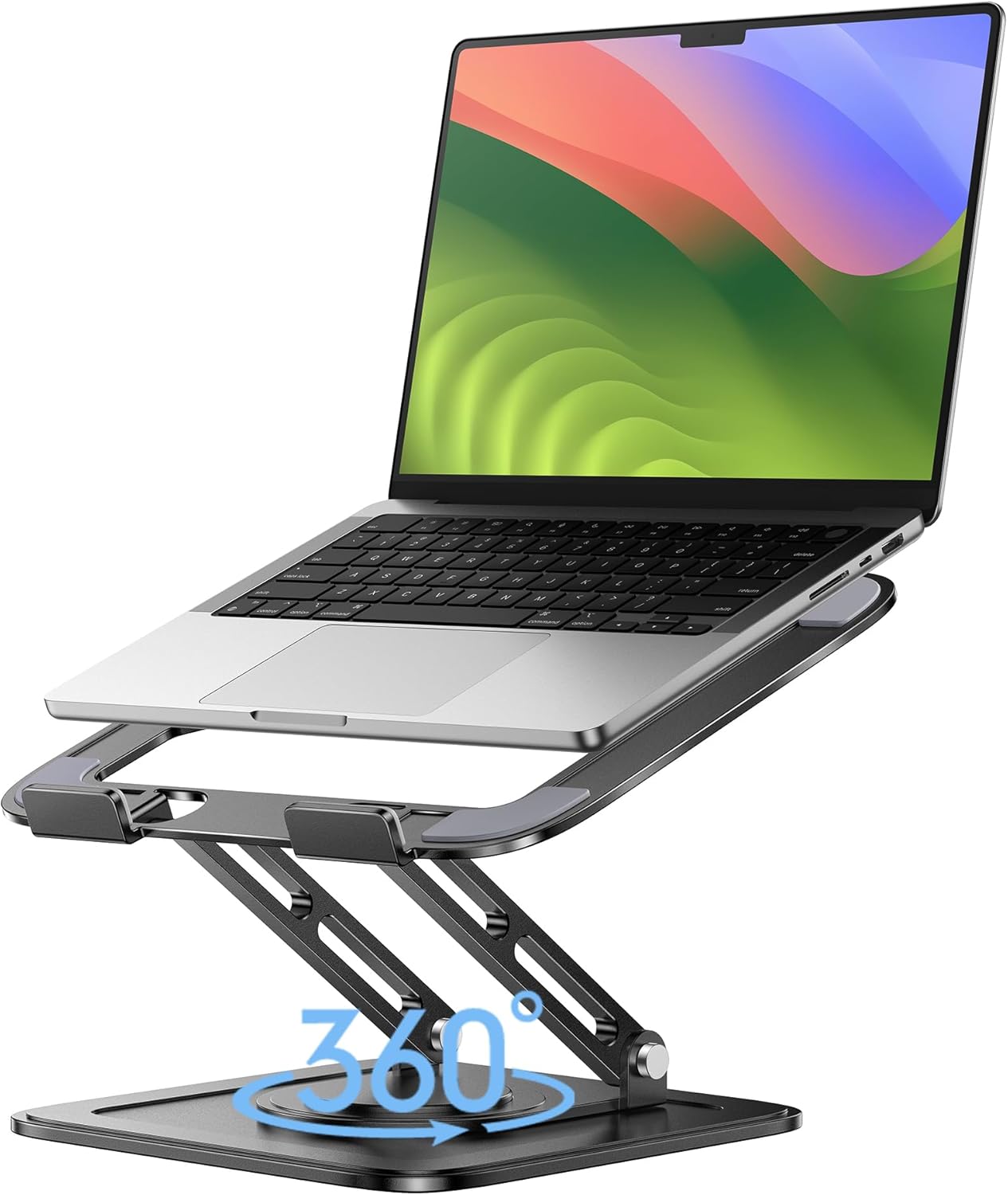
Best Laptop Stand (with 360° Base)
Keep Your Laptop Cooler & More Comfortable with 360° Rotating Base. Improve Airflow & Reduce Heat. Adjustable Height & Viewing Angle.
Shop on Amazon
Core Causes of Microsoft Surface Fingerprint Not Working
Common causes include software-level incompatibilities, driver problems, physical sensor damage, and recent Windows updates that change biometric behavior. Identifying whether the issue is driver, hardware, or update-related narrows the fix and avoids unnecessary resets.
Compatibility and Device Support Issues
Your Surface model may not include a fingerprint reader or a compatible Fingerprint Power Button. For example, some Surface Laptop Go configurations lack a fingerprint sensor, so Windows will mark fingerprint options as unavailable in Settings. Check your device specs under Settings > System > About or on the Surface product page to confirm hardware presence.
Peripheral keyboards with built‑in readers (Surface Pro keyboard) require correct attachment and firmware support. If you use an external fingerprint reader, ensure the reader is Windows Hello compatible. Incompatible devices won’t register with Windows Hello and will not appear in Device Manager under Biometric devices.
If you recently moved your device between Windows editions (Home, Pro) or performed a major OS change, enrollment data may not migrate. Verify compatibility and supported drivers before troubleshooting further; this step prevents chasing software fixes for a hardware or model limitation. See Microsoft’s guidance on Surface troubleshooting for device-specific notes.
Outdated or Corrupted Biometric Drivers
Biometric drivers connect the fingerprint sensor to Windows Hello; corrupted or outdated drivers often make the fingerprint reader show “option unavailable.” Open Device Manager and expand Biometric devices or Other devices to see the fingerprint sensor entry. If it shows errors, right‑click to update or uninstall the driver.
Reinstalling drivers can clear corrupted driver states. After uninstalling, reboot and let Windows search automatically, or install the latest driver from Windows Update or the Surface update channel in the Surface app. Avoid third‑party driver packages; prefer Microsoft-signed drivers.
If Windows Update recently rolled out a driver that broke recognition, roll back the driver in Device Manager or use System Restore to revert to a known-good state. Also update related firmware through the Surface app—fingerprint functionality can depend on both driver and firmware versions working together.
Hardware Malfunctions and Sensor Damage
Physical damage, dust, or oils on the fingerprint sensor can break recognition. Clean the sensor with a lint-free cloth and avoid liquids or abrasive cleaners. If the sensor no longer lights up, it may indicate a hardware fault rather than a software issue.
Internal faults—loose ribbon cables, failed sensor components, or wear—require hardware diagnostics. Run the Surface Diagnostic Toolkit to check sensor health; if the toolkit reports hardware failure, contact Microsoft Support or an authorized service provider. Do not attempt internal repairs unless you’re trained, as Surface devices are compact and can be damaged during disassembly.
If the fingerprint worked before a drop, liquid exposure, or after a repair, treat hardware fault as the primary suspect. Microsoft Q&A threads and Microsoft Support notes document cases where reinstalling drivers didn’t help because the sensor itself had failed.
Windows Updates and System Bugs
Windows updates can change biometric plumbing and temporarily break fingerprint recognition. After an update, you might see “Fingerprint recognition is unavailable” or the device may no longer list a biometric sensor. Check Windows Update history and known issues to spot recent patches affecting Windows Hello.
If an update caused the break, try checking for subsequent fixes in Windows Update, run the Windows Hello troubleshooter, or roll back the update via Settings > Update & Security > Recovery. Installing the latest Surface firmware and drivers often resolves incompatibilities introduced by a Windows patch.
Also consider app or policy changes: Group Policy or security settings can disable Windows Hello for Business or local Hello features, which prevents enrollment. Verify Sign‑in options in Settings and any applied security policies if multiple users or an organization manages your Surface.
Troubleshooting and Fixes for Fingerprint Issues
These steps address common causes: corrupted fingerprint data, driver problems, service misconfiguration, and Windows Hello settings that block biometric sign-in. Follow each targeted fix in order and test fingerprint recognition after completing the step.
Remove and Re-Register Fingerprints
If Windows Hello fingerprint recognition fails, remove existing entries and register fresh prints. Open Settings > Accounts > Sign-in options > Fingerprint recognition (Windows Hello). Select each saved fingerprint and choose Remove.
After removal, select Set up or Add another and follow the on-screen prompts. Use the same finger positions you’ll use to sign in: place the finger flat on the sensor, vary angles slightly, and apply light steady pressure. Clean the sensor with a lint-free cloth first; avoid cleaners that can damage the reader.
If a keyboard fingerprint reader is detachable (Surface Pro Type Cover), detach and reattach it before re-registering. Try adding a second fingerprint from a different finger as a backup.
Update or Reinstall Biometric Device Drivers
Outdated or corrupted device drivers often break biometric authentication. Open Device Manager, expand Biometric devices, right-click your fingerprint reader, and choose Update driver. Select Search automatically for drivers to let Windows find updates.
If updating doesn’t help, choose Uninstall device, then restart your Surface. Windows should reinstall the driver automatically. If it doesn’t, download the driver from Microsoft or your Surface support page and install it manually.
Also check Windows Update and the Surface app for firmware or driver updates that affect biometric hardware. Installing the latest Surface firmware can resolve compatibility issues between the fingerprint reader and Windows Hello.
Restart and Configure Windows Biometric Service
The Windows Biometric Service must run for fingerprint sign-in to work. Open Services (type services.msc), locate Windows Biometric Service, and confirm its status is Running and Startup type is Automatic. If not, right-click, choose Properties, set Startup type to Automatic, and click Start.
If the service stops repeatedly, check Event Viewer for errors that point to driver conflicts or permission issues. You can also stop the service, unplug/replug any external biometric device, then start the service again to force reinitialization.
If you changed group policies or used a corporate device, ensure “Allow the use of biometrics” is enabled in Group Policy or local security settings. Policies that disable biometrics will prevent Windows Hello fingerprint options from appearing under Sign-in options.
Check Windows Hello Settings and Accounts
Confirm Windows Hello is enabled for your user account. Go to Settings > Accounts > Sign-in options and ensure Fingerprint recognition (Windows Hello) appears and is not greyed out. If greyed out, sign in with an administrator account and verify that biometrics aren’t disabled by policy.
If you can’t sign in with PIN or password, recover access first; then reset the PIN via I forgot my PIN. Remove other conflicting sign-in methods only if necessary. For devices managed by an organization, check with IT — Azure AD or Active Directory policies can block Windows Hello.
Finally, test fingerprint sign-in after you make changes. If problems started after a Windows update, consider rolling back the update or filing feedback using the Feedback Hub so Microsoft can investigate.
Advanced Solutions and System Adjustments
These steps change system settings that control biometric access, startup behavior, and software interactions. Apply them carefully and back up the registry or create a restore point before making changes.
Enable Biometrics Using Group Policy Editor
Open the Local Group Policy Editor (gpedit.msc). Navigate to Computer Configuration > Administrative Templates > Windows Components > Biometrics. Double-click Allow the use of biometrics and set it to Enabled. Then open Allow domain users to log on using biometrics and enable it if your device is joined to a domain.
After changing policies, run gpupdate /force from an elevated Command Prompt to apply settings immediately. If you don’t have gpedit (Home editions), use the equivalent registry keys or consider upgrading to avoid policy gaps. Restart Windows Biometric Service (services.msc) and confirm the fingerprint option appears under Settings > Accounts > Sign-in options.
Modify Registry Editor Settings
Run regedit as an administrator and back up the branch before editing. For biometrics, check HKEY_LOCAL_MACHINE\SOFTWARE\Policies\Microsoft\Biometrics and ensure values such as Enabled are set to 1.
Also inspect HKEY_LOCAL_MACHINE\SOFTWARE\Microsoft\Windows\CurrentVersion\Authentication\Credential Providers for unexpected entries blocking biometric providers.
If you change policy keys, reboot or run gpupdate /force to make Windows read the new settings. Delete stale or third-party credential-provider keys only if you know their purpose; otherwise export them first. Use the registry to mimic Group Policy if gpedit is unavailable, but avoid random edits—incorrect values can prevent sign-in or require system recovery.
Turn Off Fast Startup
Fast Startup can leave drivers and services in a hybrid state that interferes with device initialization. To disable it, open Control Panel > Power Options > Choose what the power buttons do, click Change settings that are currently unavailable, and uncheck Turn on fast startup (recommended). Save changes and fully shut down, then power on.
After disabling Fast Startup, test the fingerprint reader across cold boots and wakes from sleep. If driver reinitialization was the issue, disabling fast startup often restores consistent biometric detection. Re-enable only if you confirm no further biometric problems and you prefer faster boot times.
Resolve Software Conflicts and Security Restrictions
Check Windows Defender and other security suites for settings that might block biometric drivers or credential providers. In Windows Security, go to App & browser control and Device security to confirm nothing is quarantined. Temporarily disable third-party antivirus and test the fingerprint reader to isolate conflicts.
Also inspect recently installed apps and device drivers. Roll back or reinstall biometric drivers from Device Manager and use the Surface app or manufacturer site for firmware updates. If corporate policies restrict biometrics, coordinate with IT to adjust Group Policy settings or Windows Defender Application Control rules that may block credential providers.
Best Practices and Preventative Maintenance
Keep the fingerprint sensor clean, register more than one finger, and maintain alternative sign-in methods so you can unlock your Surface without interruption. Regular checks of drivers and Windows updates reduce surprises and keep biometric features reliable.
Cleaning the Fingerprint Sensor
Wipe the fingerprint scanner with a soft, lint-free cloth before you try to sign in. Use only water or 70% isopropyl alcohol on the cloth; never spray liquids directly on the sensor or use glass cleaner, which can damage the sensor coating.
If the reader sits on a keyboard (like some Surface Type Covers), detach and inspect both the sensor and the connector. Remove debris from around the sensor with compressed air and let any dampness dry completely before reattaching the keyboard or powering the device on.
Clean your finger too: oils, lotions, or very dry skin reduce fingerprint authentication accuracy. Wash and dry the finger you use most often, then try again. If recognition still fails, re-register the fingerprint after cleaning.
Registering Multiple Fingers for Authentication
Register at least two different fingers for your primary account so you keep access if one finger is injured or dirty. On Windows, go to Settings > Accounts > Sign-in options > Fingerprint recognition to add or remove fingerprints.
When adding prints, place your finger in several positions and press lightly to capture edge and center patterns. Include fingers from both hands if you use the device in different postures or environments. Delete and re-register fingerprints if the sensor starts returning frequent errors.
Keep fingerprint entries current after any long-term changes to your skin (cuts, scars, significant dryness). If a biometric device reports the fingerprint option as unavailable, confirm the fingerprint hardware appears in Device Manager and update its driver before re-registering.
Alternate Sign-in Methods and Security Tips
Enable and verify at least one alternate sign-in method such as a PIN and a Microsoft account password. A PIN is device-specific and lets you recover access quickly if fingerprint id or facial recognition fails.
Use Windows Hello facial recognition as a second biometric when available; it reduces lockouts tied to a single sensor. Keep Windows Update and your Surface app current to receive driver and firmware fixes that affect biometric devices. If drivers fail, use Device Manager to roll back or reinstall the biometric driver.
Finally, protect your account with strong passwords and two-factor authentication for online accounts linked to your device. If you remove biometric options, ensure alternate methods are set up before making changes to avoid getting locked out.