
Last updated on December 25th, 2025 at 01:03 am
If your Microsoft Surface is not connecting to Wi-Fi, it can disrupt your workflow and cause frustration. The most common reasons are software glitches, driver issues, or network configuration problems, all of which can be addressed with straightforward troubleshooting steps.
Identifying whether the issue lies with your device, the router, or the network can quickly narrow down the solution. You may notice your Surface detects available networks but still fails to connect, or Wi-Fi settings might be missing entirely.
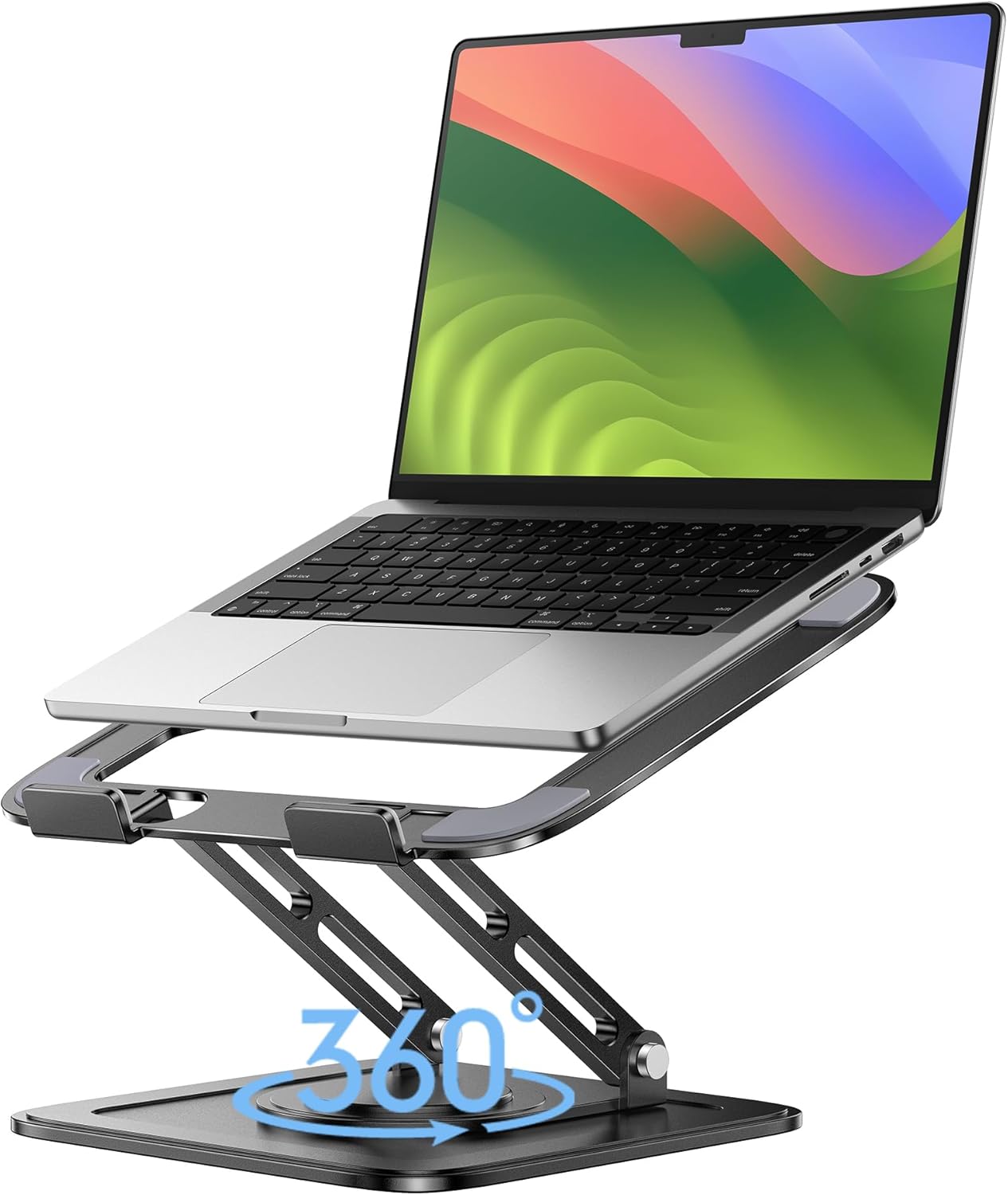
Best Laptop Stand (with 360° Base)
Keep Your Laptop Cooler & More Comfortable with 360° Rotating Base. Improve Airflow & Reduce Heat. Adjustable Height & Viewing Angle.
Shop on AmazonChecking your device’s network adapter, restarting your Surface and router, or running built-in troubleshooters often restores your connection. For detailed steps, you can also refer to how to fix Wi-Fi connection problems on your Surface.

Diagnosing Microsoft Surface Wi-Fi Connectivity Issues
You need to pinpoint the exact problem with your Surface’s Wi-Fi before taking corrective steps. This requires observing specific symptoms, checking your connection status carefully, comparing your experience across devices, and understanding typical reasons why your Surface might struggle to connect.
Identifying Common Symptoms and Error Messages
Start by noting what your Surface is showing when it tries to connect to Wi-Fi. Common symptoms include:
- Wi-Fi icon missing from the taskbar
- “Limited” or “No internet” message under your network name
- Unable to find your wireless network in the list
- The network appears but you cannot connect
Error messages like “Can’t connect to this network” or frequent drops in signal are clues. Pay attention to whether Airplane mode is off and Wi-Fi is turned on, as these settings impact connectivity.
If you see a low signal or an X on the Wi-Fi icon, it usually indicates a problem with the connection or network adapter. Identifying your exact symptom narrows down troubleshooting options.
Checking Wi-Fi Status and Signal Strength
To evaluate your Wi-Fi status, look at the network icon on your Surface’s taskbar. If the icon is absent, Wi-Fi might be disabled or the driver could malfunction.
Signal strength affects connection stability. A weak signal often causes slow speeds or frequent disconnects.
You can:
- Click the Wi-Fi icon to view signal bars
- Move closer to the router for better reception
- Check if your Surface is connected to the correct SSID
Open Settings > Network & Internet to confirm Wi-Fi is enabled and to monitor network status. You can also run the Network Troubleshooter to detect ongoing issues.
Verifying Wireless Network Availability on Other Devices
Before blaming your Surface, confirm your Wi-Fi network works on other devices. Use your phone, tablet, or another laptop to:
- Check if the network appears in their list of available networks
- Try connecting and browsing the internet
If other devices cannot connect, the problem likely lies with your router or internet service provider. Restart your router and modem to reset connections.
If other devices connect fine but your Surface cannot, the problem resides within your Surface’s software, hardware, or settings. This testing helps isolate the cause.
Understanding Causes of Surface Wi-Fi Problems
Wi-Fi connectivity issues on Surface devices can arise due to various causes:
- Outdated or corrupted network drivers
- Disabled Wi-Fi adapter in Device Manager
- Software conflicts or recent Windows updates affecting network components
- Router settings blocking connectivity or causing IP conflicts
Hardware problems like a faulty Wi-Fi chip are rarer but possible. Also, using the wrong password for your wireless network will prevent connection.
Verify your credentials carefully. For more detailed troubleshooting options, see Troubleshooting Wi-Fi connection on your Surface.
Essential Troubleshooting Steps for Surface Wi-Fi Problems
If your Surface is having trouble connecting to Wi-Fi, start by checking key settings and running diagnostic tools. Simple actions like verifying passwords, toggling airplane mode, and restarting devices can resolve common issues quickly.
Running the Network Troubleshooter
Begin by running the Windows Network Troubleshooter to diagnose and fix Wi-Fi problems automatically. To access it, go to Start > Settings > System > Troubleshoot > Other Troubleshooters.
Select Network Adapter and click Run. The troubleshooter checks for common issues such as misconfigured adapters, driver problems, or connectivity glitches.
Follow the on-screen instructions carefully. If the troubleshooter finds a fix, it usually applies it for you.
You can also use the Surface Diagnostic Toolkit, a specialized app from Microsoft, which provides detailed tests for network hardware and software.
Restarting Surface Device and Network Equipment
Restarting your Surface often clears temporary bugs affecting Wi-Fi. Press and hold the power button for about 20 seconds until the logo appears, then release to perform a forced restart.
Restart your modem and router as well. Power them off, wait 30 seconds, then turn them back on.
After restarting, try reconnecting your Surface to the Wi-Fi network. If the problem persists, confirm your Surface’s network adapter is enabled in Device Manager under Network adapters.
Checking Airplane Mode and Wi-Fi Settings
Ensure Airplane mode is off since it disables all wireless signals. Go to Start > Settings > Network & Internet > Airplane mode and toggle it On and then Off to reset wireless functions.
Next, verify Wi-Fi is enabled in the same menu under Wi-Fi settings. Your Surface must list available networks, and your current one should appear.
If not, Wi-Fi might be disabled in Device Manager, or there could be hardware issues. Look for any warning icons in the taskbar network section.
Limited or no connectivity warnings often indicate network-specific or adapter issues requiring further troubleshooting.
Ensuring Correct Network Password
Incorrect passwords are a frequent cause of connection failure. Double-check that you’re entering the exact Wi-Fi password, considering uppercase and lowercase letters, numbers, and symbols.
If unsure, retrieve the password from another connected device or via your router’s settings page. On Windows, you can view saved passwords by opening Network & Internet > Wi-Fi > Manage known networks, selecting your network, and choosing Properties.
Reconnect to the Wi-Fi after confirming the password. If it still won’t connect, try forgetting the network on your Surface and adding it again to reset credentials and network profiles.
Advanced Fixes and Driver Solutions
Fixing Wi-Fi issues on your Microsoft Surface often requires deeper system adjustments beyond basic troubleshooting. These include updating essential drivers, resetting network configurations, managing device settings carefully, and addressing potential conflicts with security and power features.
Updating Network Adapter Drivers and Surface Firmware
Keeping your network adapter drivers and Surface firmware up to date is crucial for consistent Wi-Fi connectivity. Start by checking Windows Update for the latest driver and firmware packages.
If your Surface can’t access the internet, use another device to download the correct drivers from the official Microsoft page to a USB drive and then transfer them. In Device Manager, locate your network adapter—common Surface models use Intel or Qualcomm adapters—and verify the driver version.
Right-click and select “Update driver” to search automatically or install downloaded drivers manually. Firmware updates improve hardware compatibility and fix bugs.
Installing both drivers and firmware ensures your Surface operates with the latest performance and security enhancements.
Resetting TCP/IP Stack and Network Settings
Network corruption can cause unreliable Wi-Fi connections. Resetting the TCP/IP stack and network settings often resolves hidden conflicts.
Open Command Prompt as an administrator and run these commands:
netsh int ip resetnetsh winsock reset
These commands clear and rebuild key network configuration data used by Windows 10. After running the commands, restart your Surface.
This resets core network components and can fix problems like limited connectivity or failure to obtain an IP address. You may need to reconnect to your Wi-Fi network and re-enter your password.
Managing Device Manager and Network Adapters
Device Manager offers direct control over your Surface’s network hardware. If Wi-Fi is missing or unstable, check for disabled adapters or driver issues here.
Expand “Network adapters” and confirm your Wi-Fi device is listed. Right-click to enable a disabled adapter or to disable and then re-enable it to refresh the connection.
If you suspect a corrupt driver, you can uninstall it and restart your Surface, allowing Windows to reinstall the driver automatically. Avoid uninstalling drivers on Arm-based Surface models, as recovery requires a full reset.
Use Device Manager carefully to prevent unintended hardware conflicts.
Resolving Issues with Firewall, VPN, and Power Management
Firewalls or VPN software can block Wi-Fi connections by interfering with network traffic. Temporarily disable your firewall or VPN to test if they affect connectivity.
Windows Defender Firewall settings can be accessed via Control Panel for adjustments. Power management settings can also impact your Wi-Fi adapter.
In Device Manager, under your network adapter’s properties, uncheck “Allow the computer to turn off this device to save power” in the Power Management tab. This prevents Windows from disabling the adapter to save battery, which can disrupt Wi-Fi.
By systematically addressing these software and hardware settings, you eliminate common yet often overlooked causes of Wi-Fi failure on your Surface device. For detailed driver downloads and firmware updates, see Download drivers and firmware for Surface.
Router and Network Environment Considerations
Your Microsoft Surface might struggle to connect to Wi-Fi due to factors beyond the device itself. Issues with your router configuration, internet service, or specific network setups can prevent a stable connection or cause your device to not recognize the network properly.
Checking Router Configuration and MAC Address Filtering
One common router setting that can block your Surface is MAC address filtering. This security feature restricts which devices can connect by allowing only recognized MAC addresses.
If your Surface’s MAC address isn’t added to the router’s allow list, it won’t join the network even if the password is correct. To check, access your router’s control panel (usually via a browser at 192.168.1.1 or similar).
Look for MAC filtering under security or wireless settings. Verify that your Surface’s MAC address is listed or disable MAC filtering temporarily to test connectivity.
Also, confirm your router’s Wi-Fi security protocol is compatible with Surface devices; protocols like WPA2 or WPA3 are standard. Older or overly restrictive settings might cause connection failures.
Investigating ISP and Internet Service Problems
Sometimes the issue lies with your Internet Service Provider (ISP) or the wider internet connection rather than your Surface. If your other devices can’t access the internet either, restart your modem and router to reset your network connection.
Check your ISP’s service status via their website or customer support to identify outages or ongoing issues. A no-internet or globe icon on your Surface’s taskbar Wi-Fi icon typically indicates successful router connection but no internet access, signaling ISP or modem problems rather than a device fault.
If necessary, contact your ISP for troubleshooting or to confirm the router’s WAN settings are correct.
Handling Hidden Networks and USB Wi-Fi Adapters
If your Surface doesn’t detect your Wi-Fi network, and you know it’s operating, it might be configured as a hidden network.
You’ll need to add it manually by entering the exact network name (SSID) and password.
In some cases, using a USB Wi-Fi adapter can bypass internal adapter problems or add compatibility with different wireless standards.
When opting for an external adapter, ensure it has updated drivers supported by your Surface’s Windows version.
USB adapters can also be handy if built-in adapters are disabled or malfunctioning.
Check Device Manager to confirm the adapter status and install drivers either via Windows Update or from the manufacturer’s website.