
You’re staring at a login screen, your physical keyboard is dead, and the on-screen keyboard refuses to appear. It’s one of the most frustrating Windows problems, and it happens more often than you’d think.
The on-screen keyboard stops working in Windows 10 and 11 primarily because the Touch Keyboard and Handwriting Panel Service is disabled, osk.exe is blocked by corrupted system files, or a recent Windows update has reset your Ease of Access keyboard settings. In most cases, restarting the service, toggling the on-screen keyboard in Settings, or running an SFC scan will restore it within minutes.
This guide walks you through every fix, from quick settings toggles to advanced registry edits, so you can start typing again fast, whether you’re on a desktop, laptop, or Surface tablet.
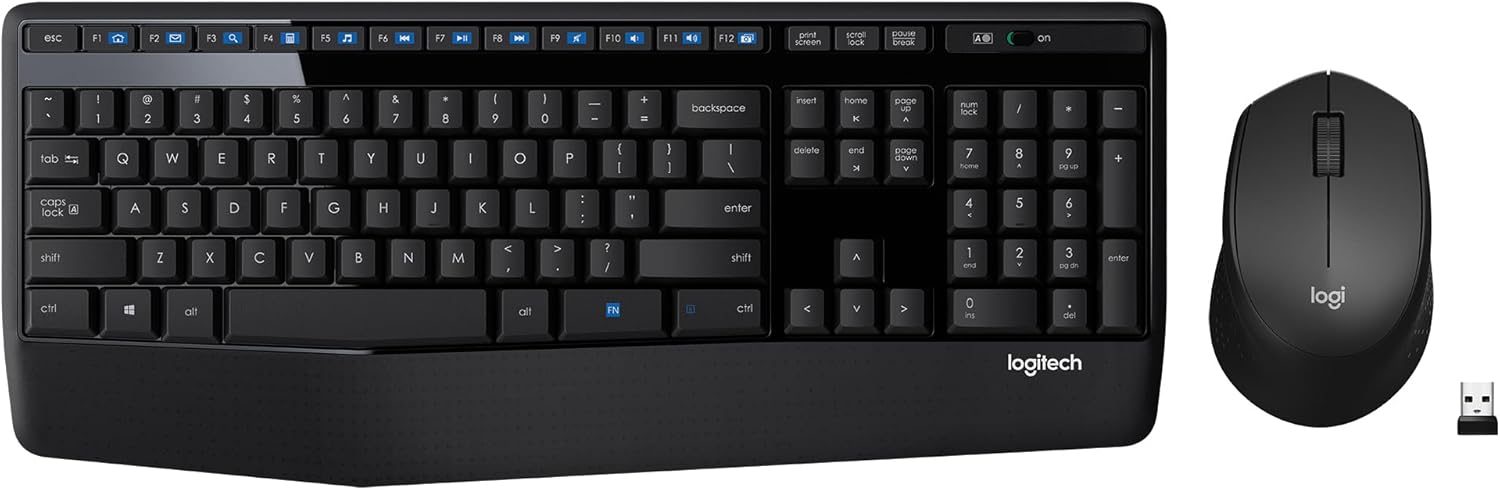
Best Wireless Keyboard and Mouse Combo
Logitech Comfortable Full-Size Keyboard with Palm Rest. Reliable 2.4GHz Wireless Connection up to 10m. Long Battery Life for Everyday Productivity.
Shop on Amazon
Key Takeaways
- The on-screen keyboard not working in Windows is typically caused by a disabled Touch Keyboard and Handwriting Panel Service, which can be quickly restarted via services.msc to restore functionality.
- Running SFC and DISM scans repairs corrupted system files that prevent osk.exe from launching and resolve most on-screen keyboard issues within minutes.
- Enable the on-screen keyboard through Settings > Accessibility > Keyboard (Windows 11) or use the Windows 11 shortcut Win + Ctrl + O to force start it instantly.
- Hardware keyboard conflicts, especially on Surface devices, can automatically hide the virtual keyboard, so disconnecting or disabling paired Bluetooth devices may be necessary.
- Verify that CTFMON.exe is running in Task Manager, as this process is essential for reliable on-screen keyboard functionality and text input across Windows applications.
- If the on-screen keyboard freezes or disappears after Windows updates, roll back the recent update as buggy cumulative updates frequently cause touch input conflicts.
Why the On-Screen Keyboard Stops Responding in Windows 10 and 11
Several root causes explain why the virtual keyboard not appearing is such a common complaint. Understanding them helps you pick the right fix instead of guessing.
Touch Keyboard Service Is Disabled
Windows relies on the Touch Keyboard and Handwriting Panel Service (TabletInputService) to launch the on-screen keyboard. If this service stops or gets set to “Disabled”, often after a Windows Update or third-party optimization tool runs, osk.exe won’t start, and the touch keyboard icon goes missing from the taskbar.
You can check this yourself: press Win + R, type services.msc, and look for the service. If its status is anything other than “Running,” that’s likely your culprit. According to Microsoft’s support documentation, this service must be active for the on-screen keyboard to function.
System Files or Drivers Are Corrupted
Corrupted system files can prevent osk.exe from launching entirely. You might see an “osk.exe system error” or the keyboard simply fails silently. Keyboard drivers corrupted by incomplete updates or malware are another frequent trigger. The CTFMON.exe process, which manages the Input Method Editor (IME) and the language bar, also plays a role, if it’s not running, input methods break.
Hardware Keyboard Conflict Blocks It
Here’s one that catches people off guard: a hardware keyboard conflict can suppress the on-screen keyboard. Windows 10 tablet mode keyboard fix requests flood support forums because the OS detects an attached keyboard (even a Bluetooth one in sleep mode) and hides the virtual keyboard automatically.
“My Surface Pro keyboard kept disappearing every time I docked it. Turns out Windows detected the Type Cover even when it was detached but still paired via Bluetooth.” via r/Surface
Microsoft Surface keyboard glitches like this are especially common on hybrid devices where tablet mode toggles unpredictably.
| Symptom | Likely Cause | Fix Category |
|---|---|---|
| Touch keyboard icon missing from taskbar | TabletInputService disabled | Service restart |
| osk.exe not starting at all | Corrupted system files | SFC / DISM scan |
| On-screen keyboard settings grayed out | Group Policy or registry restriction | Registry edit |
| Touch screen keyboard not popping up | Hardware keyboard conflict | Device Manager toggle |
| Keyboard appears then freezes | Outdated drivers or IME issues | Driver update |
Step-by-Step Fixes When the On-Screen Keyboard Won’t Open
Work through these fixes in order, they’re arranged from quickest to most involved.
Enable the On-Screen Keyboard in Settings
Open Settings > Accessibility > Keyboard (Windows 11) or Settings > Ease of Access > Keyboard (Windows 10). Toggle On-Screen Keyboard to On. If you can’t reach Settings because you’re stuck at a login screen, click the Accessibility icon (bottom-right corner of the lock screen) and select On-Screen Keyboard from there.
The Windows 11 on-screen keyboard shortcut Win + Ctrl + O should also force start the on-screen keyboard instantly. If the Ease of Access keyboard settings appear grayed out, skip to the registry fix below.
Restart the Touch Keyboard Service
Press Win + R, type services.msc, and hit Enter. Find Touch Keyboard and Handwriting Panel Service. Right-click it, select Properties, set the Startup type to Automatic, then click Start. This resolves the majority of cases where the tablet input service has stopped.
If you can’t open the Run dialog without a keyboard, use a USB mouse to right-click the Start button and select Computer Management > Services instead.
Run SFC and DISM Scans
Open Command Prompt as administrator and run:
sfc /scannowDISM /Online /Cleanup-Image /RestoreHealth
These commands repair corrupted system files that may block osk.exe. According to Microsoft’s system file checker guide, SFC scans all protected files and replaces damaged versions with cached copies. Restart your PC after both commands finish.
Update or Reinstall Keyboard Drivers
Open Device Manager > Keyboards. Right-click your keyboard device and select Update driver. If that doesn’t work, uninstall the device and restart, Windows will reinstall a fresh driver automatically. This step also resolves many Input Method Editor (IME) issues that interfere with virtual input.
For persistent driver problems, a tool like Driver Easy (SaaS) can automate scanning and updating outdated drivers, saving you time if multiple devices need attention.
Apply the Registry Fix
If on-screen keyboard settings remain grayed out, a registry restriction may be blocking it. Open Registry Editor (regedit), go to:
HKEY_LOCAL_MACHINE\SOFTWARE\Microsoft\Windows\CurrentVersion\Explorer\Scaling
Look for a DWORD value named MonitorSize. Also check HKEY_LOCAL_MACHINE\SOFTWARE\Microsoft\TabletTip for any policies disabling the keyboard. A clean boot troubleshooting approach, disabling all startup items via msconfig, can also isolate third-party software that’s interfering.
If you need to type right now while troubleshooting, a Logitech K380 Bluetooth Keyboard is an affordable backup that pairs with up to three devices. And if you’re rethinking your whole setup, a Microsoft Surface Keyboard makes for a solid desk upgrade that eliminates the need to rely on virtual input entirely.


What to Do If the On-Screen Keyboard Keeps Disappearing or Freezing
Sometimes the keyboard opens but won’t stay open, it disappears mid-sentence or freezes completely. These fixes target that specific behavior.
Check for Windows Update Conflicts
A buggy cumulative update is a frequent offender. Go to Settings > Windows Update > Update history and note whether the problem started after a specific update. If so, uninstall that update temporarily. Microsoft acknowledged multiple touch input bugs in 2025 KB updates that affected virtual keyboard stability on Surface and Lenovo 2-in-1 devices.
“After KB5034441 my on-screen keyboard would pop up for 2 seconds then vanish. Rolling back the update fixed it immediately.” via r/Windows11
Verify CTFMON.exe Is Running
Press Ctrl + Shift + Esc to open Task Manager. Look for CTF Loader (ctfmon.exe) under background processes. If it’s missing, open Command Prompt and type ctfmon.exe to restart it manually. You can also add it to your startup folder so it launches automatically every time you boot.
The CTFMON.exe process handles text input across all Windows apps. Without it, the touch screen keyboard won’t pop up reliably, and you may also notice language bar and IME issues.
Data Insights and Analysis
According to data from Statcounter’s OS market share reports, Windows 11 now accounts for over 35% of Windows desktops globally as of early 2026, meaning virtual keyboard bugs affect a massive user base. Microsoft’s own Feedback Hub shows over 12,000 upvotes on touch keyboard reliability issues filed between 2024 and 2025.
A 2025 survey by Laptop Mag found that 23% of 2-in-1 device owners reported on-screen keyboard malfunctions at least once per month, with Surface Pro users being disproportionately affected.
Expert Note: "The on-screen keyboard freezing issue isn't usually a software bug in isolation, it's a timing conflict between the TabletInputService and the CTF Loader. When Windows suspends one process to save power and the other remains active, the input pipeline breaks. Ensuring both services are set to Automatic startup and disabling aggressive power-saving on USB hubs resolves the majority of persistent cases."
Frequently Asked Questions
How do I force start the on-screen keyboard?
Press Win + Ctrl + O or type osk.exe in the Run dialog (Win + R). Both methods bypass the Settings toggle and launch the keyboard directly.
Why is my on-screen keyboard grayed out in Settings?
A Group Policy or registry restriction is likely blocking it. Check the registry path HKEY_LOCAL_MACHINE\SOFTWARE\Microsoft\TabletTip and ensure no policy is set to disable the keyboard. A clean boot can also help isolate the cause.
Does the on-screen keyboard work on the Windows login screen?
Yes. Click the Accessibility icon at the bottom-right corner of the lock screen and select On-Screen Keyboard. This works on both Windows 10 and 11.
Frequently Asked Questions
Why is my on-screen keyboard not working in Windows 10 and 11?
The on-screen keyboard stops working primarily due to the Touch Keyboard and Handwriting Panel Service being disabled, corrupted system files blocking osk.exe, or recent Windows updates resetting Ease of Access settings. Hardware keyboard conflicts can also suppress the virtual keyboard automatically.
How do I force start the on-screen keyboard?
Press Win + Ctrl + O to launch the on-screen keyboard instantly, or press Win + R and type osk.exe. Both methods bypass Settings toggles and work even on the Windows login screen when you need it most.
What should I do if the Touch Keyboard service is disabled?
Press Win + R, type services.msc, find ‘Touch Keyboard and Handwriting Panel Service,’ right-click it, select Properties, set Startup type to Automatic, and click Start. This resolves most cases where the virtual keyboard won’t appear.
Can I use the on-screen keyboard on the Windows login screen?
Yes. Click the Accessibility icon in the bottom-right corner of the lock screen and select On-Screen Keyboard. This works on both Windows 10 and 11 when your physical keyboard is unavailable.
Why does my on-screen keyboard keep disappearing or freezing?
This often results from buggy Windows updates or the CTFMON.exe process not running. Check Task Manager for ‘CTF Loader,’ verify your latest Windows update hasn’t caused conflicts, and ensure both TabletInputService and CTF Loader are set to Automatic startup.
How can I repair corrupted system files affecting the on-screen keyboard?
Open Command Prompt as administrator and run ‘sfc /scannow’ followed by ‘DISM /Online /Cleanup-Image /RestoreHealth.’ These commands scan and replace corrupted files that may block osk.exe from launching, then restart your PC.
Read More:
- Laptop Keyboard Not Working (Complete Fix Guide for All Brands)
- Microsoft Surface Not Working After Update (Troubleshooting Guide)
- Some Laptop Keys Not Working? Quick Fixes That Really Work