
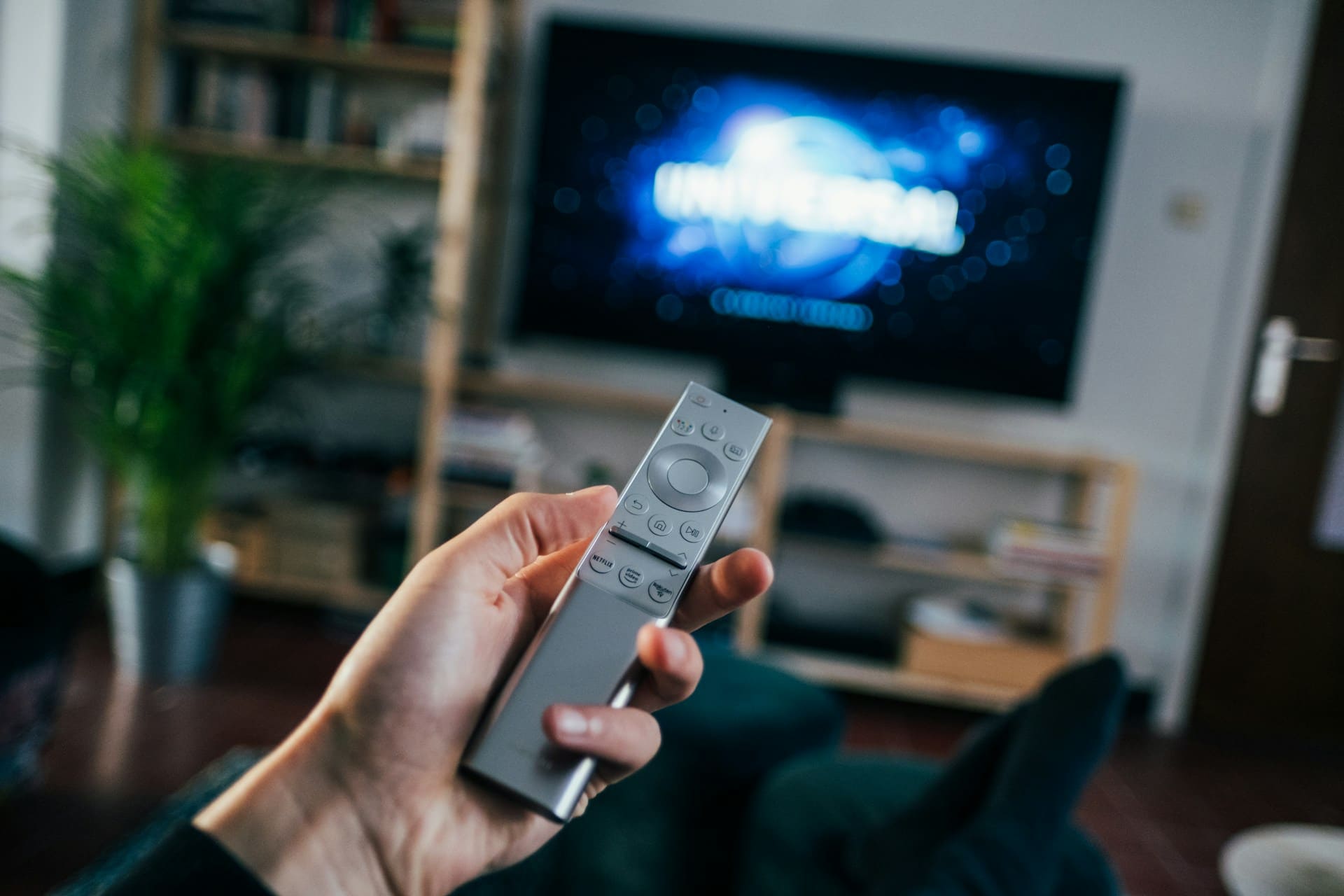
If your Samsung TV screen goes black but the sound is still working, or it won’t display any picture at all, you’re likely facing a common issue known as the black screen problem. This usually stems from connection issues, incorrect input settings, or minor power glitches, all of which you can often fix yourself without professional help.
Understanding why your screen goes dark can save you time and frustration. It could be as simple as a loose HDMI cable, a device turned off, or a setting that needs adjustment. By checking connections and inputs carefully, you can narrow down the cause quickly.
Sometimes the problem might involve your TV’s One Connect Box or backlight system, but many times the solution is straightforward. With clear steps and a systematic approach, you can troubleshoot your Samsung TV black screen effectively and get back to watching without delay. For detailed methods, see this guide on how to fix Samsung black screen issues.
Amazon Fire TV Stick HD
Turn Any TV to a Smart TV. Stream Netflix, Prime Video & More. Alexa Voice Remote Included. Easy Plug & Play Setup.
Shop on Amazon
Understanding Samsung TV Black Screen Issues
When your Samsung TV screen goes black, the problem can present in various ways and arise from multiple sources. Identifying the type of issue and its cause helps you target the right solution efficiently.
Typical Symptoms and Types of Black Screen Problems
You might see that your Samsung TV powers on but the screen remains completely black. In some cases, the standby light is on or the TV produces sound, but no picture appears. Another symptom is when the screen briefly shows the logo or menu before going black again.
Black screens fall into a few main categories:
- No picture, no sound: Indicates power or display failure.
- Sound but no picture: Often linked to backlight or HDMI connection issues.
- Intermittent black screen: Could be caused by software glitches or overheating.
Understanding which symptom matches your experience narrows down where to focus troubleshooting.
Common Causes: Connections, Software, and Hardware
A black screen on your Samsung TV usually stems from one or more core issues:
- Connections: Loose or damaged HDMI cables, incorrect input source, or malfunctioning external devices often cause the screen to go black. Checking and reseating cables is a simple first step.
- Software: Firmware bugs or incomplete updates can freeze display functions. Resetting or updating the TV’s software can restore normal operation.
- Hardware: Problems with the backlight, power supply, or internal components like the One Connect Box can cause persistent black screens. Physical damage to cables or TV parts also plays a role.
Testing each factor carefully helps you isolate the true cause before seeking repairs.
How the Black Screen of Death Differs from Other Issues
The Samsung TV black screen of death (BSOD) is a more severe form of the typical black screen problem. Unlike a simple connection or input error, the BSOD means the TV’s software or hardware is fundamentally stuck.
With the BSOD:
- The TV may show a black screen with no response to remote commands.
- Power indicators might show the TV is on, but no menus or images display.
- Usual fixes like changing inputs or resetting the TV often fail.
This deeper failure demands thorough troubleshooting and possibly professional service because it reflects system-level faults rather than peripheral or user-settings issues.
For step-by-step fixes and more details about different black screen scenarios, you can refer to this Samsung TV black screen troubleshooting guide.
Essential Troubleshooting Steps
Resolving a black screen on your Samsung TV often involves focused checks on power, connection points, and the devices linked to it. Ensuring these elements function properly will help isolate whether the issue lies within your TV or external components.
Checking Power Supply and Power Cord
Start by confirming your TV’s power supply is stable. Make sure the power cord is firmly connected to both the TV and the wall outlet. Avoid power strips or surge protectors during testing, as these can sometimes fail.
Inspect the power cord for any visible damage like fraying or cuts. Replacing a damaged cord is essential to avoid intermittent power issues.
If your TV has no response at all, try connecting it to another outlet that you know works. Additionally, check if the power indicator light on the TV turns on or blinks, which can provide clues about power status or internal errors.
Inspecting HDMI Ports and HDMI Cables
A common reason for a black screen is a faulty HDMI connection. Check that the HDMI cable is securely plugged into both the TV and the external device.
Examine the HDMI cable for any bends, breaks, or wear that could interrupt the signal. If you notice damage, replace the cable immediately.
Try connecting the cable to a different HDMI port on your TV, as ports can sometimes fail. Your Samsung TV may also offer an HDMI Cable Test in its settings under Support > Device Care > Self Diagnosis to check for cable integrity.
Performing a Power Cycle on Your Samsung TV
Power cycling clears temporary glitches that might cause a black screen. To do this, turn off your TV using the remote or power button, then unplug it from the wall outlet.
Wait at least 60 seconds before plugging it back in. This pause allows the internal capacitors to discharge fully.
After reconnecting, turn the TV on and check if the screen returns to normal. If the black screen persists, try the power cycle again once more or proceed with other troubleshooting steps.
Testing with Different External Devices
If your TV and cables seem fine, the problem could be the external device sending the signal. Test your TV by connecting a different device via HDMI, such as a DVD player, game console, or streaming box.
Switch input sources accordingly and see if the new device displays correctly.
If the screen works with a different device, the original external device or its cables likely require replacement or troubleshooting.
This approach helps you quickly identify if your TV is at fault or if the connected source is causing the issue. For more detailed guidance on this process, visit Samsung’s troubleshooting resources on Samsung TV no picture or black screen.
Advanced Fixes and Settings Adjustments
You can address more stubborn black screen issues by adjusting your Samsung TV’s software and hardware settings. These tweaks include updating software, modifying picture and backlight configurations, or performing a factory reset. Knowing when to contact Samsung support or a professional repair service is also essential if these steps don’t resolve the problem.
Updating Software and Firmware
Keeping your Samsung TV’s software up to date is crucial. Outdated firmware can cause compatibility problems and display errors, including black screens.
To update, go to Settings > Support > Software Update > Update Now. Ensure your TV is connected to the internet during this process. If automatic updates are off, enabling them can prevent future issues.
Sometimes updates include specific patches that fix black screen glitches or HDMI signal problems. If your TV isn’t updating properly, you may need to download the firmware to a USB drive from Samsung’s website and install it manually. This step can clear bugs that are not fixed through regular updates.
Resetting Picture and Backlight Settings
Incorrect picture configurations or very low backlight levels can cause the screen to appear black even when the TV is on.
You should check the Picture Mode and backlight settings by navigating to Settings > Picture > Expert Settings. Increase the backlight gradually and adjust brightness and contrast to suitable levels.
If you suspect the black screen results from these settings, choosing the Standard or Movie mode often resets picture profiles to reliable defaults. Avoid overly dark or custom settings when testing.
Resetting picture options can sometimes restore the display without needing more invasive fixes.
Using Factory Reset for Persistent Problems
If adjusting settings and updating software don’t help, performing a factory reset can remove corrupted data or conflicting configurations causing a black screen.
Access this by selecting Settings > General > Reset, and enter your PIN (default is 0000). This will erase all personal data, apps, and settings, restoring the TV to its original state.
Before resetting, note down your Wi-Fi information and any customized settings. A factory reset is most effective when your TV powers on but won’t display picture despite attempts at other troubleshooting.
Use this method only if less disruptive fixes fail, as it erases personalizations.
When to Seek Samsung Support or Professional Repair
If your TV remains blank after updating, resetting picture settings, and doing a factory reset, the issue may be hardware related.
Contact Samsung support if your TV is under warranty. They will guide you through model-specific diagnostics or arrange service.
You should also consider professional repair if you suspect problems with the One Connect Box, internal components, or damaged cables that you cannot test or replace yourself.
Use Samsung’s official support site to request service or check for authorized repair centers in your area. Addressing hardware faults promptly can prevent further damage.
For guidance on this, visit Samsung’s troubleshooting page on black screen issues.
Hardware Problems and Replacement Options
When your Samsung TV shows a black screen despite powering on, hardware failures might be the cause. Key components like the backlight, T-Con board, motherboard, and power supply can malfunction and require diagnosis or replacement.
Diagnosing Backlight and Panel Failures
If your TV produces sound but no visible picture, the backlight is often at fault. To check, perform a flashlight test by shining a light closely on the screen; if you see faint images, the backlight has likely failed. Replacing the backlight involves opening the panel, which can be complex and costly, often making professional repair preferable.
Panel failures are more severe. They usually cause permanent display issues and require full panel replacement. Symptoms may include flickering or complete loss of image. If your TV is under warranty, contact Samsung support before pursuing repairs.
T-Con Board and Motherboard Issues
The T-Con board controls the timing of video signals to the screen. A faulty T-Con often causes black or flickering screens with no picture. Diagnosing this involves testing or swapping the T-Con board if accessible. The motherboard processes all input signals; failure here can result in no display or erratic behavior. Replacing either requires technical skill since these boards are specific to your TV model.
You can isolate these issues by unplugging external devices and testing with built-in diagnostics if available. Frequent symptoms include a blank screen despite power lights and sound.
Repairing or Replacing the Power Supply Board
If your Samsung TV fails to power on or lacks any indicator lights, the power supply board is a likely culprit. This board distributes electricity to all components. Signs include sudden shutdowns, no power, or intermittent turn-ons. Testing involves checking voltages with a multimeter, and if faulty, the board must be replaced.
Power supply board replacement is a common service task but requires care with electrical components. Using genuine replacements suited for your TV model is critical to ensure safety and performance. If you are unsure, professional repair services are recommended.
For additional details on these repairs, visit Samsung’s official troubleshooting pages or trusted repair guides like thetechgorilla.com.