
You’re about to hop into a Zoom call or watch a video, and suddenly your laptop’s sound is completely dead. No warning, no crackling, just total silence that makes you wonder if your laptop’s speakers finally gave out.
Here’s the good news: 90% of the time when your sound on laptop not working, it’s a simple software glitch, like a mismatched default playback device, a disabled audio service, a muted system volume hotkey, or a corrupt driver update, and you can fix it yourself in under 10 minutes without opening your laptop or spending a dime at a repair shop. You’ll need to check a handful of system settings, test different playback outputs, and maybe restart a background service or roll back a bad driver.
This guide walks you through every DIY step, starting with basic volume checks, moving to Windows Audio troubleshooting, and finishing with driver fixes, so you can restore your sound quickly and get back to work or entertainment.
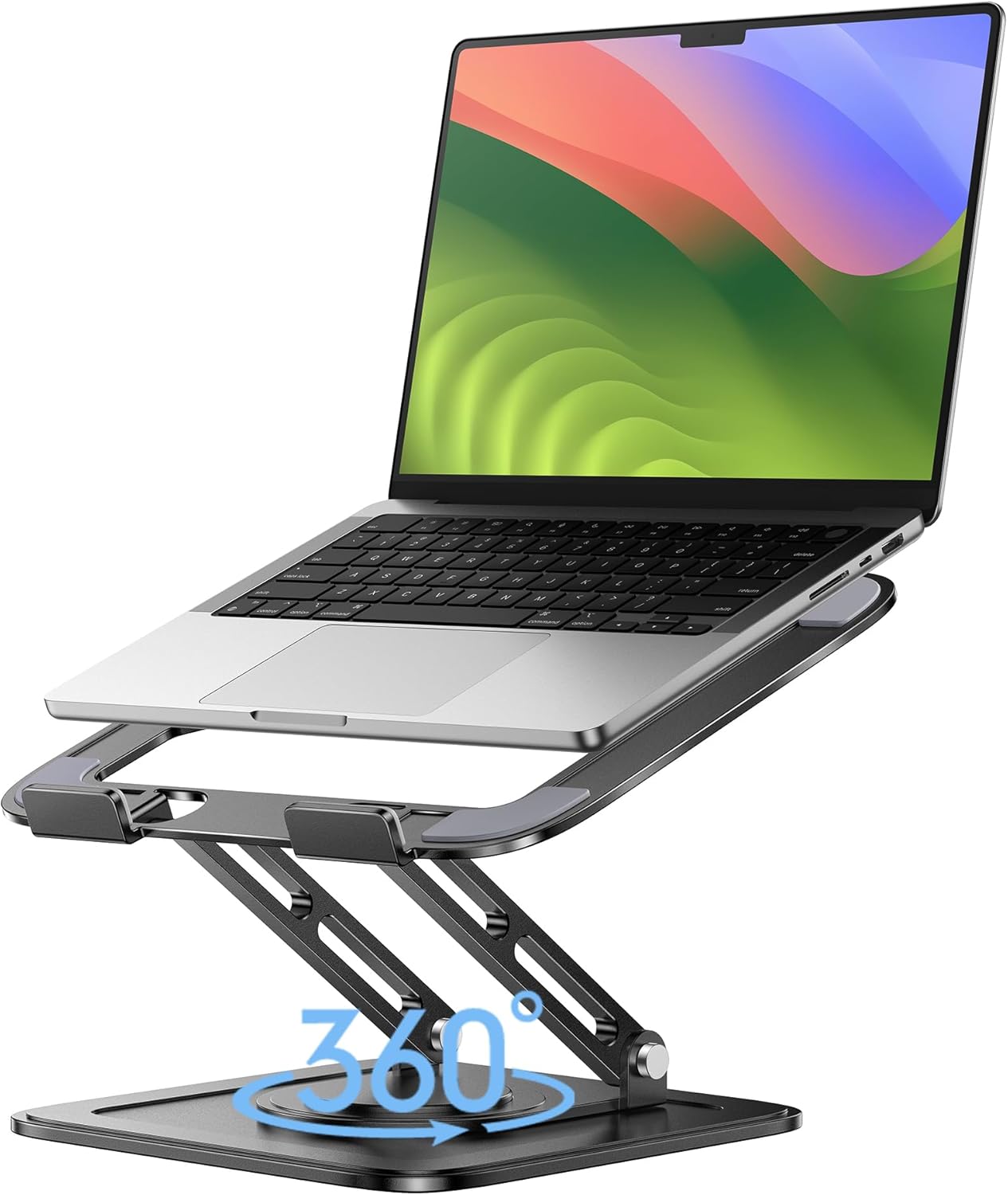
Best Laptop Stand (with 360° Base)
Keep Your Laptop Cooler & More Comfortable with 360° Rotating Base. Improve Airflow & Reduce Heat. Adjustable Height & Viewing Angle.
Shop on Amazon
Key Takeaways
- 90% of sound on laptop not working issues are caused by software glitches like disabled audio services, mismatched playback devices, or driver conflicts, and can be fixed in under 10 minutes without repair costs.
- Check your system volume slider, keyboard mute hotkeys, and verify Windows is routing audio to the correct playback device—these three steps resolve most complete silence issues.
- When sound on laptop not working persists after basic troubleshooting, disable audio enhancements, restart Windows Audio services, and roll back drivers to the previous version after a failed update.
- If audio still fails through both internal speakers and headphones, a $10–$15 USB audio adapter serves as a reliable workaround while you determine if the audio hardware is physically damaged.
- Regularly update audio drivers from your laptop manufacturer’s support page (not third-party updaters) to prevent driver conflicts that often follow major Windows updates.
Identifying Common Audio Issues
No Sound or Audio Output
When you open a video or play music and hear absolutely nothing, the first thing to verify is whether your system volume slider is completely muted or turned all the way down. Click the speaker icon in the Windows taskbar and confirm the slider sits above zero. Also, check your keyboard’s physical function keys, many laptops have dedicated hotkeys (often F1–F12 combined with Fn) that mute or unmute audio instantly, and a single accidental press can kill all sound.
Next, verify that Windows is sending audio to the correct playback device. Right-click the taskbar speaker icon, select “Sound settings,” and confirm “Choose your output device” points to your internal speakers (usually labeled “Realtek High Definition Audio” or “Speakers”). If it shows a Bluetooth headset or external monitor, your laptop is routing sound elsewhere, and you won’t hear anything from the built-in speakers.
Low Volume and Muffled Sound
If you hear faint, muffled audio even when the volume slider is maxed out, open the Volume Mixer by right-clicking the taskbar speaker icon. Individual apps, like Chrome, Spotify, or VLC, have separate sliders, and one of them might be turned down to 10% while the system is at 100%. Adjust each app slider to match your system level.
Another common culprit is dust or debris stuck in the headphone jack. When your laptop thinks headphones are plugged in (even if they’re not), it disables the internal speakers. Grab a can of compressed air and give the 3.5mm jack a quick blast. If you recently yanked out earbuds, the mechanical switch inside the jack might still be engaged.
Distorted, Intermittent, or Delayed Audio
Crackling, stuttering, or delayed sound during video playback usually points to a conflict between sound enhancements and your audio driver. Windows applies software effects like bass boost, virtual surround, and room correction, but these features can overload budget Realtek chipsets and cause signal dropouts. We’ll show you how to disable these enhancements in the advanced fixes section.
Intermittent cutting out, where audio plays for a few seconds, cuts for a second, then returns, often means your audio driver is crashing and restarting. Open Device Manager (Windows key + X → Device Manager), expand “Sound, video and game controllers,” and look for any yellow exclamation marks next to your sound card. That icon signals a driver conflict or missing codec.
Problems After Windows Update
Windows updates occasionally break audio drivers, especially if Microsoft pushes a generic High Definition Audio driver that conflicts with your laptop manufacturer’s custom Realtek or Intel driver. If your sound vanished right after an update, you can roll back the driver to the previous version.
According to user forums, Windows 11 22H2 and 23H2 updates triggered widespread audio failures in late 2023, particularly on HP and Dell laptops with Realtek ALC chipsets. Microsoft later patched the issue, but many users had to manually reinstall drivers.
Basic Troubleshooting Techniques
Verifying the Audio Output Device
Right-click the speaker icon in your taskbar and select “Open Sound settings.” Under “Choose your output device,” you’ll see a dropdown list of every audio endpoint Windows detects, internal speakers, HDMI monitors, Bluetooth headsets, USB DACs. Click the dropdown and manually select your laptop’s built-in speakers. Hit play on a YouTube video to test. If you hear sound, the issue was routing, not hardware.
Sometimes Windows remembers a disconnected Bluetooth device and keeps it as the default, even after you’ve walked out of range. If you see “Disconnected” or a grayed-out device name, select your internal speakers and set them as default. Reboot your laptop to clear any lingering Bluetooth cache.
Checking External Speakers and Headphones
Plug in a pair of wired headphones or earbuds. If you hear audio through the headphones but not the laptop speakers, your internal speaker hardware might be damaged, or Windows is stuck thinking headphones are always connected. Unplug the headphones and check Device Manager for a “Headphone” or “Line Out” device that’s still active. Disable it, then re-enable your main speaker device.
If you don’t hear sound through headphones either, the problem is upstream, likely a driver or service issue. Try a USB-C to 3.5mm audio adapter as a quick test. If that adapter produces sound, your laptop’s onboard audio controller is failing, and a cheap USB audio adapter (around $10–$15) can serve as a permanent workaround.

Adjusting Volume Mixer Settings
Press Windows key + I to open Settings, then navigate to System → Sound → Volume mixer (or type “Volume mixer” in the Windows search bar). You’ll see sliders for System sounds and every running app. If Spotify is at 5% and System is at 100%, you’ll barely hear your music. Slide each app to 80–100%.
Volume mixer also reveals hidden apps that might be hijacking your audio stream. Some VoIP or conferencing tools (Teams, Discord, Slack) automatically lower other app volumes when a call starts. Close any voice chat apps and see if your sound returns to normal levels.
Running the Windows Audio Troubleshooter
Windows includes a built-in diagnostic tool that detects and fixes common audio configuration bugs. Right-click the taskbar speaker icon and select “Troubleshoot sound problems.” Windows scans your playback devices, checks the Audio service status, and tests the driver. If it finds a stopped service or disabled device, it’ll restart or re-enable it automatically.
“Ran the audio troubleshooter and it said ‘Audio Services not responding.’ Clicked fix and boom, sound came back.” via r/techsupport
After the troubleshooter finishes, restart your laptop even if it says “Fixed.” Many audio service changes don’t take full effect until reboot.
Advanced Fixes for Persistent Problems
Disabling Audio Enhancements
Right-click the taskbar speaker icon, select Sound settings → More sound settings (or type mmsys.cpl in the Run dialog). In the Playback tab, double-click your default speaker device, then switch to the “Enhancements” or “Advanced” tab. Check the box for “Disable all enhancements” and click Apply. Restart your laptop and test audio. Enhancement filters often crash Realtek drivers, causing complete silence or crackling.
If the Enhancements tab is missing, your driver doesn’t support it, skip this step. On some Dell and HP laptops, enhancements are labeled “MaxxAudio” or “Waves.” You can disable these from the dedicated app (search your Start menu) or uninstall the app entirely if it’s causing conflicts.
Restarting Audio Services
Press Windows key + R, type services.msc, and hit Enter. Scroll down to Windows Audio and Windows Audio Endpoint Builder. Right-click each one and select Restart. If “Restart” is grayed out, click Start instead. These services manage all playback routing, and restarting them clears temporary locks or crashes. It takes about 5 seconds, and your audio should return immediately.
If you see “Stopped” next to either service, right-click, select Properties, set “Startup type” to Automatic, then click Start. A stopped Audio service means zero sound output, period. Some aggressive system cleanup tools (like CCleaner or third-party optimizers) accidentally disable these services, avoid those apps.
Updating or Reinstalling Audio Drivers
Open Device Manager (Windows key + X → Device Manager), expand “Sound, video and game controllers,” right-click your audio device (often “Realtek High Definition Audio”), and select “Update driver.” Choose “Search automatically for drivers.” Windows checks Microsoft’s catalog and installs any newer version.
If that doesn’t help, or if you recently updated and sound broke, right-click the device again and select “Properties” → “Driver” tab → “Roll Back Driver.” This restores the previous driver version. If “Roll Back” is grayed out, you’ll need to uninstall the driver: right-click the device, select “Uninstall device,” check “Delete the driver software,” and click Uninstall.
Restart your laptop, and Windows automatically reinstalls a generic driver. Then visit your laptop manufacturer’s support site (Dell, HP, Lenovo) and download the official Realtek package.
“Rolling back my Realtek driver fixed it instantly after a bad Windows update. Took 2 minutes.” via r/Windows11
Dealing With Driver or Codec Issues
Some laptops use Intel Smart Sound Technology (SST) or other custom codec stacks that conflict with generic Microsoft drivers. If Device Manager shows “High Definition Audio Device” instead of “Realtek” or “Intel,” Windows installed a fallback driver. Visit Intel’s driver page or your laptop maker’s site to grab the correct package.
Occasionally, a corrupted driver cache causes repeated install failures. Use Display Driver Uninstaller (DDU) in Safe Mode to completely wipe audio drivers, then reinstall fresh from the manufacturer. This is a last-resort step if standard uninstall/reinstall loops don’t work.
Preventative Measures and Additional Resources
Keeping Drivers Up to Date
Set a monthly reminder to check your laptop manufacturer’s support page for driver updates. Windows Update doesn’t always deliver the latest audio drivers, especially for gaming or creator laptops with custom DACs. Bookmark your model’s driver page and grab new Realtek or Intel audio packages every few months. This prevents surprise breakage after major Windows feature updates.
Avoid third-party driver updater software, many bundle adware or install unstable beta drivers. Stick to official manufacturer downloads or Windows Update.
Properly Connecting and Configuring Devices
When you plug in external speakers or a USB headset, Windows should auto-switch the default playback device. If it doesn’t, open Sound settings and manually select the new device. Always eject Bluetooth devices properly (Settings → Bluetooth & devices → Remove device) instead of just walking out of range. Lingering Bluetooth connections can lock your audio routing.
Use compressed air to clean headphone jacks and USB-C ports every few months. Dust buildup can trick the mechanical switch inside the jack, disabling your speakers even when nothing’s plugged in.
Ensuring Correct Output Selection
If you frequently switch between headphones, external monitors (via HDMI), and laptop speakers, create a desktop shortcut to Sound settings for quick access. Pin it to your taskbar. This saves you from digging through Settings every time your audio vanishes because Windows auto-switched to your TV when you plugged in an HDMI cable.
Some users prefer a free tool like Audio Switcher that adds a taskbar icon for one-click output switching. It’s lightweight and open-source.
When to Seek Technical Support
If you’ve tried every step, verified playback devices, disabled enhancements, restarted services, reinstalled drivers, and still hear zero sound through both internal speakers and headphones, your laptop’s audio hardware (the DAC chip or speaker coils) might be physically damaged. At that point, a $10 USB audio adapter is a faster, cheaper fix than motherboard repair.

For persistent Bluetooth or HDMI audio issues, consult your laptop’s official support forum or contact the manufacturer’s help desk. Some models have known BIOS bugs that require firmware updates to resolve audio routing failures.
Expert Note: The root cause of sudden audio failures after Windows updates is often a driver signing conflict. Microsoft's generic High Definition Audio driver uses a different INF signature than OEM Realtek packages, and Windows Update can overwrite the OEM version if it detects a "newer" date stamp, even if that driver is less compatible. Always use Device Manager to block automatic driver updates for audio devices (Properties → Driver → Update Driver → Browse → Let me pick → uncheck "Show compatible hardware") if you want full control.
Check out this quick video walkthrough for visual learners:
Quick Reference: Common Audio Issues
| Symptom | Likely Cause | Quick Fix |
|---|---|---|
| Complete silence | Wrong playback device selected | Switch to internal speakers in Sound settings |
| Muffled or low volume | Volume Mixer app slider turned down | Adjust individual app volume in Volume Mixer |
| Crackling or stuttering | Audio enhancements enabled | Disable all enhancements in Playback properties |
| Sound after update failure | Windows generic driver conflict | Roll back or reinstall OEM driver |
| Works with headphones only | Internal speaker hardware failure | Use USB audio adapter as backup |
Frequently Asked Questions
Why is the sound on my laptop not working even though the volume is turned up?
If your sound on laptop is not working despite high volume, check if the correct playback device is selected. Right-click the speaker icon and verify it’s set to internal speakers, not HDMI or Bluetooth. Also check if audio enhancements are causing driver conflicts or if the Windows Audio service is stopped in Device Manager.
How do I fix muffled or low volume sound on my laptop?
Open Volume Mixer (Windows key + I → Sound → Volume mixer) and adjust individual app sliders. Chrome, Spotify, or Discord might be set to 10% while system volume is at 100%. Also check the headphone jack for dust—a mechanical switch may think headphones are connected, disabling internal speakers.
What should I do if my laptop sound stopped working after a Windows update?
Windows updates sometimes conflict with OEM Realtek drivers. Open Device Manager, right-click your audio device, and select ‘Roll Back Driver’ to restore the previous version. If that option is grayed out, uninstall the driver entirely and reinstall the manufacturer’s official version from your laptop maker’s support page.
Can audio enhancements cause laptop speakers to stop working?
Yes. Bass boost, virtual surround, and room correction features can overload Realtek chipsets and cause crackling or complete silence. Right-click the speaker icon, select Sound settings → More sound settings, and check the Enhancements tab. Select ‘Disable all enhancements’ and restart your laptop.
Why does sound work with headphones but not with my laptop speakers?
If audio plays through headphones but not internal speakers, your speaker hardware may be damaged or Windows thinks headphones are permanently connected. Check Device Manager for an active ‘Headphone’ device and disable it. If headphones also produce no sound, the issue is upstream—try a USB audio adapter to test your audio controller.
What’s the fastest way to fix sound on laptop without restarting?
Run the Windows Audio Troubleshooter: right-click the speaker icon and select ‘Troubleshoot sound problems.’ It automatically detects and fixes disabled audio services or driver issues. If the troubleshooter reports ‘Audio Services not responding,’ click fix and restart your laptop for changes to take full effect.
Read More:
- Numbers on Keyboard Not Working? Here’s the 7 Proven Fixes
- Password on Laptop Not Working (Here’s the Easy Fixes That Work Every time)
- Laptop Keyboard Not Working (Complete Fix Guide for All Brands)
- HDMI Port on Laptop Not Working (Here’s the Easy Fixes That Always Work)
- Letters Keyboard Not Working? 7 Proven Fixes to Get You Typing Again