

If your Tesla headlight is not working, the problem could stem from either a hardware fault or a software glitch. The most effective solution often involves a hard reset of your car’s system or getting a diagnostic check at a Tesla service center to pinpoint and resolve the issue. Addressing the problem early ensures your safety and keeps your vehicle compliant with road regulations.
Tesla headlights sometimes face issues like flickering, not turning off, or fogging due to design or software bugs. Understanding these common problems can help you troubleshoot minor hiccups yourself or know when to seek professional service. Knowing what’s normal and what requires attention saves you time and frustration on the road.
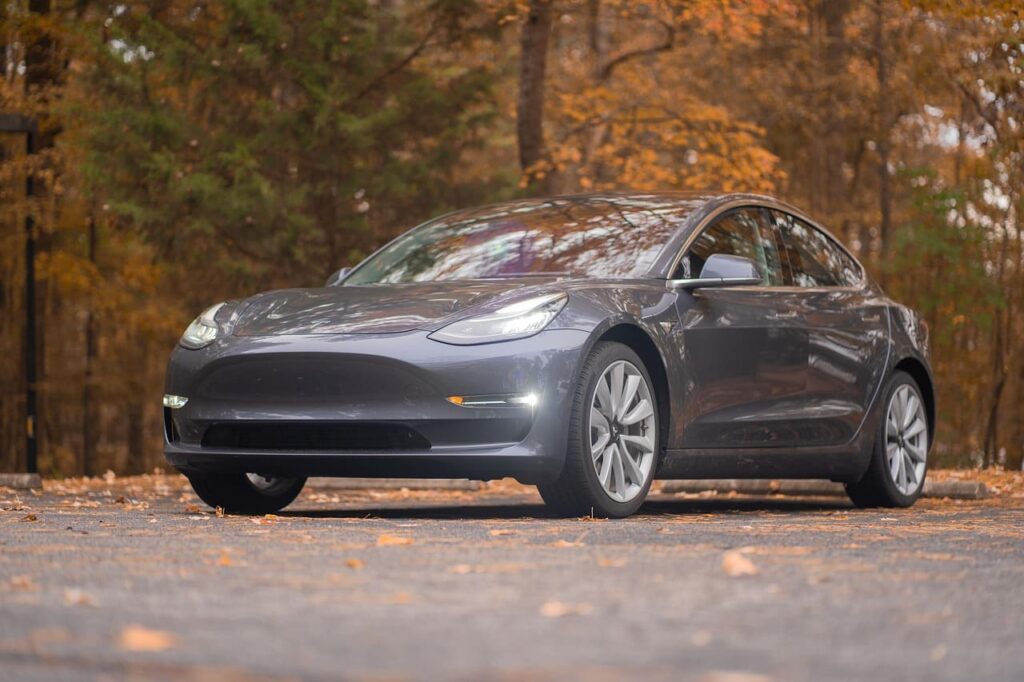
Common Reasons for Tesla Headlight Not Working
When your Tesla headlight fails, it’s usually due to mechanical, electrical, or software problems. Understanding these causes helps you pinpoint the issue faster and decide whether you need professional service or can try basic troubleshooting yourself.
Burned Out Bulbs and Faulty Headlight Units
Though Teslas use long-lasting LED headlights, individual bulbs or the entire headlight unit can still fail. Damage from road debris or moisture infiltration can degrade components inside the assembly, causing your headlight to stop working or flicker.
Condensation inside the headlight is a frequent problem for Tesla Model 3s. While some fogging clears with heat when the lights are on, persistent moisture may indicate a faulty or partially sealed headlight unit. This can eventually lead to reduced brightness or electrical shorts. If your headlight flickers or remains off, a replacement of the entire LED module or the headlight assembly may be necessary.
Tesla’s warranty often covers headlight replacements, but prompt action is essential. Ignoring a faulty headlight increases your risk of being pulled over or compromised visibility at night.
Blown Fuses and Electrical Failures
Electrical issues are common culprits in headlight malfunctions. A blown fuse specific to the headlight circuit or loose wiring near the headlight assembly can cause the light to stop functioning completely or intermittently.
You can check your Tesla’s front fuse box for a blown fuse if one or both headlights fail. Faulty wiring harnesses or connectors exposed to vibration or water ingress also affect electrical continuity. Repairing these may require technical inspection and replacement of damaged components.
Battery voltage fluctuations or poorly mounted headlight units can contribute to system failures too. In many cases, Tesla technicians can diagnose electrical faults by connecting their diagnostic tools directly to your vehicle for a precise fix.
Software Glitches and Calibration Errors
Tesla vehicles rely heavily on software for headlight operation, including features like automatic high beams and adaptive lighting. Software glitches can cause headlights to flicker, not turn off, or behave erratically.
A common fix is performing a hard reset of your Tesla, which often clears temporary bugs impacting the headlights. Outdated firmware can also be responsible; keeping your Tesla up to date ensures improvements and bug fixes.
Calibration errors after headlight replacements or body repairs might cause misalignment or odd headlight behavior. Tesla service centers have the tools to recalibrate headlights accurately, ensuring optimal illumination and compliance with road safety standards.
In some rare cases, features like Sentry Mode or extreme temperatures can cause headlights to cycle on and off unexpectedly, but these have straightforward solutions usually involving software settings adjustments.
Learn more about troubleshooting Tesla headlight problems to manage these issues efficiently. For further technical insights check Tesla-specific forums and guides like those on Tesla Motors Club.
Step-By-Step Troubleshooting Process
Diagnosing a Tesla headlight issue involves precise checks to isolate the problem. You will examine controls, electrical components, wiring, and the headlight assembly itself to identify failures or damage.
Inspecting the Headlight Switch and Controls
Start by verifying the headlight switch position on your Tesla’s steering column. The switch has three positions: Off, Park, and Headlights. Make sure it’s set to the correct mode to activate the headlights.
If the headlights remain off, check the touchscreen under Controls > Service > Adjust Headlights for any error or calibration prompts. Sometimes, a software reset or recalibration via the vehicle interface can resolve minor glitches.
Physically, the switch can accumulate dirt or wear, impairing its function. You can clean it gently with a dry cloth.
If cleaning doesn’t help and the switch feels loose or unresponsive, it may require professional replacement to restore proper operation.
Checking Fuses and Relays
Your Tesla’s headlight electrical system relies on fuses and relays to protect circuits and facilitate power flow.
Locate the fuse box under the hood on the driver’s side. Find the fuse labelled for headlights, usually a 20-amp type. Remove and inspect this fuse for a broken filament or discoloration, indicating it’s blown.
If blown, replace it with a fuse of the exact amperage to avoid further damage.
Relays involved in headlight control can also fail, cutting power despite an intact fuse. Diagnosing relays often requires a multimeter or replacement testing by a technician.
You should not attempt relay replacement unless experienced, as improper handling risks damaging the vehicle’s electrical system.
Examining Wiring and Connectors
Wiring issues frequently cause sudden headlight malfunctions. The wiring harness connects the switch to the headlights at the front (FRT) of your Tesla.
To check, first turn off the vehicle and disconnect the battery to ensure safety. Then, remove the front bumper if needed to access wiring and connectors near the headlights.
Look closely for damaged insulation, loose connections, corrosion, or pinched cables. Also, ensure connectors are fully seated and locked into place.
Any sign of wear or loose contacts can interrupt the electrical path and cause the headlights to fail. Repair or replacement of wiring components is necessary if damage is evident.
Due to the complexity of Tesla wiring, consider professional assistance for significant repairs.
Assessing the Headlight Assembly
If switch, fuses, and wiring are intact, inspect the headlight assembly itself.
Remove the front bumper cover if not already done, then unbolt the headlight unit carefully. Check for visible damage such as cracked lenses, moisture inside the housing, or broken bulbs.
Tesla headlights incorporate LED modules that are harder to service than traditional bulbs. If the LED module is faulty, it usually requires replacement of the entire assembly.
Test the connector pins on the assembly for corrosion or bent contacts.
If the headlight unit is misaligned, adjust it through your Tesla’s touchscreen adjustment mode to ensure proper beam pattern and compliance with regulations.
For persistent issues or complex internal damage, professional diagnosis and repair at a Tesla service center is recommended.
For more detailed steps, refer to the official Tesla headlight adjustment guide.
Essential Safety and Ergonomic Precautions
When working on Tesla headlights, you must protect yourself from electrical hazards while maintaining proper body mechanics. Using the right equipment and following safety steps prevents injury and allows you to work efficiently. Managing posture and taking breaks reduces fatigue during repairs or adjustments.
Personal Protection Equipment (PPE)
Always wear appropriate PPE when servicing headlights. Insulated gloves protect against electric shocks when handling wiring or connectors. Safety glasses shield your eyes from dust, debris, or accidental sparks.
Depending on your environment, consider wearing anti-slip shoes to prevent falls on slippery surfaces. Long sleeves can also protect your arms from sharp edges or hot components. Make sure your PPE fits well and is in good condition before starting any work.
Proper personal protection minimizes the likelihood of injury and ensures compliance with workplace safety standards.
Electrical Safety Guidelines
Always disconnect the vehicle’s power source before working on headlight systems to avoid electric shock. Tesla headlights rely on complex electronics, so avoid touching connectors with wet hands or metal tools that may cause shorts.
Inspect wiring for damage or exposed conductors before handling. Use insulated tools designed for electrical work. Be aware that software updates or resets may be necessary to restore functionality after replacing components.
Avoid improvising; follow Tesla’s recommended procedures to prevent damage to the lighting system and yourself. If uncertain about electrical aspects, seek professional assistance.
Ergonomic Precautions for Headlight Work
Headlight maintenance often requires awkward postures such as kneeling or working above shoulder level. Adjust your workspace to reduce strain by using stools, creepers, or adjustable lifts to bring components closer to waist height.
Change positions frequently to prevent shoulder overuse, wrist strain, or knee stress. Keep wrists in a neutral position while using tools and take short breaks to stretch. Avoid lifting heavy parts alone; use partners or mechanical aids.
Organize your tools within easy reach to minimize repetitive movements and awkward reaches. Applying these ergonomic precautions protects your musculoskeletal health during extended repair sessions.
For detailed ergonomic guidance on electric vehicle maintenance, see Tesla’s Ergonomic Precautions.
Replacement, Adjustment, and Service Considerations
When dealing with a Tesla headlight not working, it’s vital to address the right headlight unit, ensure precise installation and alignment, and understand the repair effort involved. Accurate replacement and proper calibration can avoid ongoing issues. You should also be aware of repair timing and associated costs.
Selecting the Correct Tesla Headlight
Choosing the correct headlight unit is crucial for your Tesla’s compatibility and functionality. Tesla headlights often require specific programming to sync with your vehicle’s systems. Using an OEM (Original Equipment Manufacturer) part ensures you get the right fit and built-in electronics.
Non-OEM or third-party headlights might not communicate properly with your car’s control units, potentially causing functionality issues like flickering or failure to calibrate. Always check if a software update or ECU recalibration will be necessary after installation. Tesla service centers can push these updates to your vehicle, which is necessary to fully integrate the new headlight into the system.
Proper Installation and Alignment
Installing Tesla headlights involves a detailed removal and replacement procedure. You must handle the headlight carefully to avoid damage. Removing components like the front fascia and underhood units might be required.
Once installed, precise alignment is critical. Misaligned headlights can impair road visibility and may violate legal standards. Tesla models use automatic headlight inclination adjustment, which varies by driving mode, but you often need to begin headlight adjustment mode, set inclination to zero, and then allow the system to apply region-specific settings.
If you notice misalignment after replacement, a recalibration at a Tesla service center or using specialized adjustment tools might be needed to meet specifications. Waiting for the headlight motors to settle during calibration is also essential.
Understanding Flat Rate Times for Repairs
Flat Rate Times (FRT) indicate how much labor time Tesla estimates for headlight repairs or replacements. These times account for the full procedure, including removing related parts and reinstallation steps.
For example, replacing the headlight pair might have an FRT of around 0.60 hours, covering removal of the fascia, disconnecting connectors carefully, and reinstalling everything. Tesla explicitly warns not to stack correction codes unless directed because overlapping work can inflate estimates.
Knowing the FRT helps in anticipating service duration and labor costs. Tesla maintenance manuals provide torque specs for screws and bolts, ensuring you use the right tools like a 10 mm socket or Torx T20 during the process. Following these details helps avoid damage and ensures a proper, lasting repair.
For detailed removal and installation steps, consult the Tesla headlight service manual.
