

Your Toyota RAV4’s all-wheel drive system is engineered for reliability, but when warning lights appear and performance drops, immediate attention prevents costly repairs.
Toyota RAV4 AWD system malfunctions typically stem from faulty coupling assemblies, worn rear differential components, damaged transfer case actuators, low or contaminated fluid levels, or failing electronic control modules that manage torque distribution between front and rear wheels.

What Triggers AWD System Failures
The RAV4’s Dynamic Torque Vectoring AWD system relies on multiple components working in perfect harmony. When any single element fails, the entire system can shut down as a protective measure. Your vehicle’s computer constantly monitors wheel speed sensors, clutch engagement, and fluid pressures to ensure optimal performance.
Modern RAV4 models from 2019 onwards feature Toyota’s latest AWD technology, which is more sophisticated but also more sensitive to component failures. The system can switch between front-wheel drive and all-wheel drive in milliseconds, but this complexity introduces additional failure points.
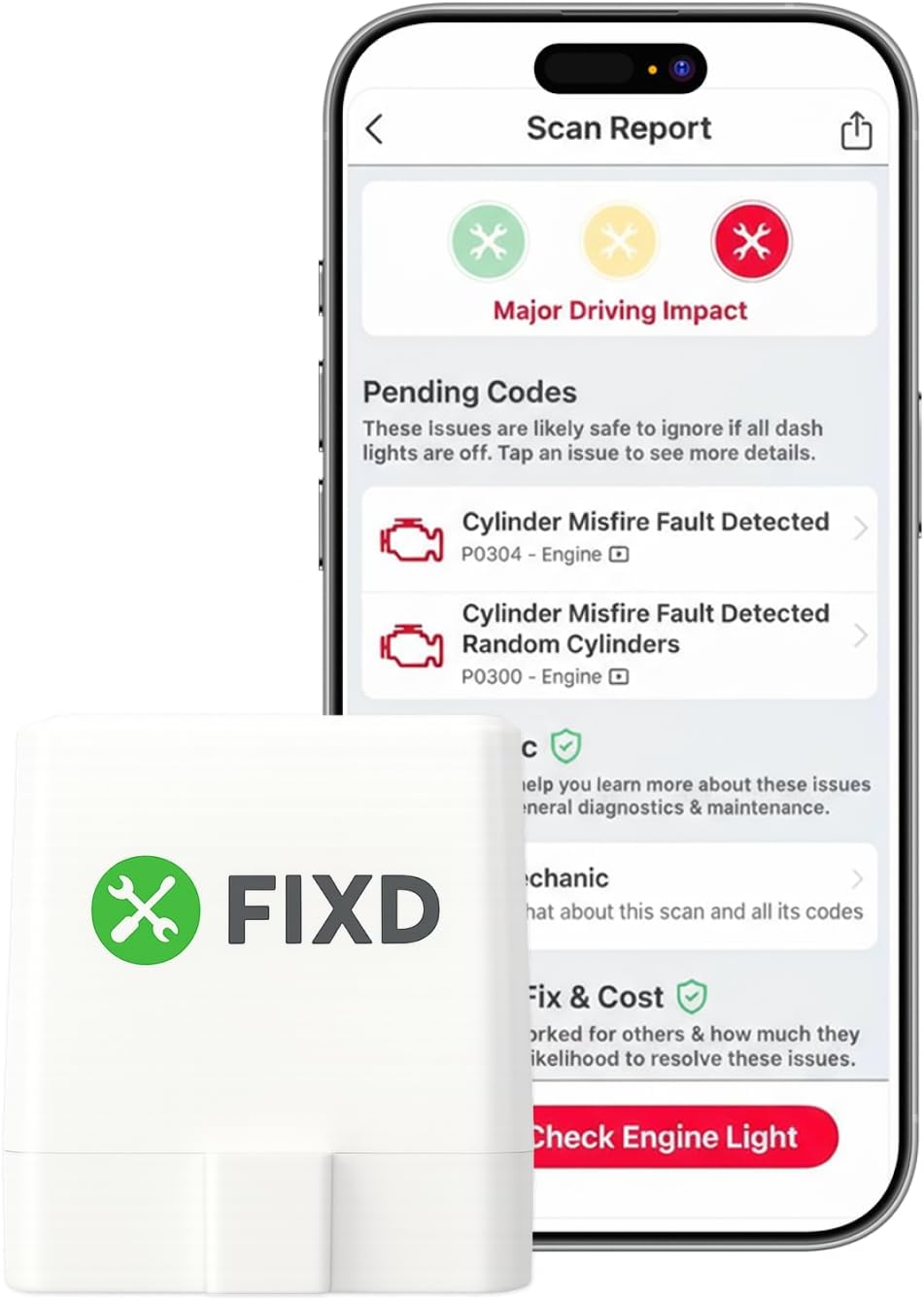
Best Bluetooth OBD2 Scanner
Detect 39,000+ Issues With Enhanced Codes. Save $1000s on car repairs & buying used vehicles by diagnosing problems yourself.
Shop on Amazon“The integration of electronic controls with mechanical components makes modern AWD systems both more capable and more vulnerable to failures.”
Society of Automotive Engineers
Warning signs often appear gradually before complete system failure. You might notice reduced traction in slippery conditions, unusual noises from the rear differential, or dashboard warning lights that come and go intermittently. Toyota’s technical service bulletins document several known issues across different RAV4 model years.
Coupling Assembly Problems
The electromagnetic coupling assembly is the heart of your RAV4’s AWD system, controlling power transfer to the rear wheels. This component contains clutch plates that engage and disengage based on electronic signals from the vehicle’s computer. When these clutch plates wear out or the electromagnetic coil fails, you lose AWD functionality.
Symptoms of coupling assembly failure include a grinding noise from the rear of the vehicle, especially during turns or acceleration. You might also experience a burning smell after driving, indicating overheating clutch plates. The AWD warning light will typically illuminate, and your vehicle may feel like it’s operating in front-wheel drive mode only.
Replacement coupling assemblies cost between $800-1,200 for the part alone, with labor adding another $400-600. Consumer Reports reliability data shows that RAV4 models from 2019-2021 experienced higher rates of coupling assembly failures compared to previous generations.
“Coupling assembly failures often result from inadequate maintenance or using incorrect fluid specifications.”
International Automotive Technicians Network
Prevention involves regular fluid changes and avoiding aggressive driving in 4WD lock mode on dry pavement. The coupling assembly generates significant heat during operation, and old or contaminated fluid accelerates wear on internal components.
Rear Differential Issues
Your RAV4’s rear differential distributes power between the left and right rear wheels while allowing them to rotate at different speeds during turns. When this component fails, you’ll experience poor handling, noise, and potential safety hazards.
Common rear differential problems include worn bearings, damaged gears, and seal leaks. These issues often develop gradually, starting with minor noise that progressively worsens. You might hear whining during acceleration, clunking during turns, or feel vibrations through the vehicle’s floor.
Differential fluid leaks are particularly problematic because they can lead to complete component failure if not addressed promptly. The fluid lubricates internal gears and bearings, and running low can cause irreversible damage within minutes of operation.
Transfer Case Actuator Faults
The transfer case actuator controls engagement between two-wheel and all-wheel drive modes in your RAV4. This electric motor operates a series of gears and clutches that physically connect or disconnect the rear wheels from the drivetrain.
When the actuator fails, you might hear clicking or grinding noises when the AWD system attempts to engage. The vehicle may also experience delayed engagement or complete inability to switch between drive modes. Dashboard warning lights typically accompany these symptoms.
Actuator replacement involves removing significant portions of the vehicle’s undercarriage components. Labor costs often exceed parts costs due to the complexity of access and alignment procedures. A quality replacement actuator like the ACDelco Professional Transfer Case Actuator ensures reliable long-term performance.
Fluid Contamination Problems
AWD system fluid serves multiple critical functions, including lubrication, cooling, and hydraulic operation of various components. When this fluid becomes contaminated with metal particles, water, or breaks down due to age, system performance degrades rapidly.
Signs of fluid problems include unusual colors (dark brown or black instead of clear red), metallic particles visible in the fluid, or burning odors after driving. You should check your AWD fluid level and condition every 30,000 miles or according to your maintenance schedule.
“Fluid contamination is responsible for more than 60% of AWD system failures in vehicles over 100,000 miles.”
Automotive Fluid Analysis Laboratory
Water contamination is particularly damaging and often results from damaged seals or gaskets. Even small amounts of water can cause corrosion and premature wear of internal components. If you suspect water contamination, immediate fluid replacement is essential.
Electronic Control Module Failures
Your RAV4’s AWD system relies on sophisticated electronic control modules to monitor conditions and adjust torque distribution. These computers process input from multiple sensors and activate various actuators to optimize traction and handling.
Control module failures can manifest as intermittent system operation, false warning lights, or complete AWD shutdown. Diagnostic trouble codes help identify specific problems, but requires professional scanning equipment to access Toyota’s proprietary systems.
Software updates occasionally resolve control module issues without hardware replacement. Toyota’s technical service bulletins document several instances where software reflashing corrected AWD system malfunctions in specific model years.
Sensor and Wiring Problems
The AWD system depends on accurate data from wheel speed sensors, steering angle sensors, and accelerometer readings. When these sensors fail or their wiring becomes damaged, the system cannot function properly.
Wheel speed sensor failures are particularly common, especially in vehicles exposed to road salt or harsh driving conditions. These sensors are located near each wheel and are vulnerable to damage from road debris, corrosion, and normal wear.
Wiring harness problems often develop at connection points where vibration and moisture cause corrosion. Visual inspection can identify obvious damage, but intermittent electrical problems require professional diagnosis with specialized equipment.
Diagnostic and Repair Process
Professional diagnosis of AWD system problems requires specific procedures and equipment. Here’s what you can expect during the diagnostic process:
- Initial code scan – Retrieve stored diagnostic trouble codes from all relevant control modules
- Fluid inspection – Check level, color, and consistency of AWD system fluid
- Visual inspection – Examine components for obvious damage, leaks, or wear
- Sensor testing – Verify proper operation of all speed and position sensors
- Actuator testing – Check coupling assembly and transfer case actuator operation
- Road testing – Evaluate system performance under various driving conditions
- Component isolation – Test individual components when multiple problems exist
- Final verification – Confirm repairs resolved the original problem
For DIY enthusiasts, a quality OBD2 scanner like the Autel MaxiCOM MK808 Diagnostic Scanner can retrieve basic trouble codes and monitor live data from your RAV4’s systems.
“Proper diagnosis prevents unnecessary part replacement and ensures the root cause gets addressed.”
Automotive Service Excellence Institute
Preventive Maintenance Tips
Regular maintenance significantly extends AWD system life and prevents costly failures. Follow these guidelines to keep your RAV4’s AWD system operating properly:
- Change AWD fluid every 60,000 miles or according to Toyota’s severe service schedule
- Inspect for leaks monthly by checking for fluid spots under your parked vehicle
- Avoid aggressive 4WD lock usage on dry pavement to prevent coupling wear
- Address warning lights immediately before minor problems become major failures
- Use only Toyota-approved fluids to ensure proper system operation
- Have annual inspections performed by qualified technicians familiar with Toyota AWD systems
Environmental factors also affect system longevity. Vehicles operated in dusty conditions, extreme temperatures, or with frequent trailer towing require more frequent maintenance intervals.
Cost Considerations
AWD system repairs can be expensive, ranging from a few hundred dollars for sensor replacement to several thousand for major component overhauls. Understanding your options helps make informed decisions about repair versus replacement.
Toyota’s powertrain warranty covers AWD components for 60,000 miles or 5 years, whichever comes first. Extended warranties may provide additional coverage, but read the fine print carefully regarding maintenance requirements and coverage exclusions.
Independent automotive repair shops often provide more affordable alternatives to dealership repairs for out-of-warranty vehicles. However, ensure they have experience with Toyota AWD systems and access to proper diagnostic equipment.
“Getting multiple repair estimates helps ensure you’re paying a fair price for necessary work.”
Better Business Bureau Automotive Division
Some repairs may be eligible for goodwill coverage even after warranty expiration, particularly if the problem affects vehicle safety or represents a known design defect. Document all maintenance and contact Toyota customer service before authorizing expensive repairs.
Video Credit: Fr. Jhack Diaz / YouTube
Frequently Asked Questions
Can I drive my RAV4 with a malfunctioning AWD system?
Yes, you can typically drive your RAV4 with a malfunctioning AWD system, but it will operate in front-wheel drive mode only. The vehicle’s safety systems automatically disable AWD when problems are detected to prevent damage to other drivetrain components. However, your traction and handling capabilities will be reduced, especially in slippery conditions.
Continuing to drive with AWD warning lights illuminated may cause additional damage if the underlying problem involves fluid leaks or overheating components. Schedule diagnosis and repair as soon as possible to prevent minor issues from becoming major expensive problems.
Some RAV4 models may experience reduced fuel economy when operating in limp mode, as the engine management system adjusts parameters to compensate for the disabled AWD system. Monitor your vehicle’s performance and address any changes promptly.
How much does it cost to repair a RAV4 AWD system?
RAV4 AWD system repair costs vary significantly depending on the specific problem and your location. Minor issues like sensor replacement typically cost $200-500, while major component failures can exceed $3,000 for parts and labor combined.
Common repair costs include coupling assembly replacement ($1,200-1,800), rear differential overhaul ($1,500-2,500), and transfer case actuator replacement ($600-1,000). Diagnostic fees usually range from $100-150 but are often applied toward repair costs.
Labor rates vary by region and shop type, with dealerships typically charging $120-180 per hour and independent shops charging $80-120 per hour. Getting multiple estimates helps ensure you’re paying a fair price for necessary repairs.
Will a RAV4 AWD system failure affect my insurance or resale value?
AWD system failures generally don’t affect your insurance rates directly, but documenting repairs helps establish your vehicle’s maintenance history. Some insurance companies offer discounts for vehicles with functioning all-wheel drive systems due to improved safety ratings.
Resale value can be significantly impacted if AWD problems aren’t properly repaired. Buyers often pay premium prices for AWD-equipped vehicles, and non-functioning systems reduce market appeal and negotiating position. Keeping detailed repair records helps demonstrate that problems were addressed professionally.
Unrepaired AWD issues may also trigger disclosure requirements in some states when selling your vehicle. Consulting with a qualified mechanic about repair options versus replacement helps make informed decisions about your vehicle’s future.
Can I prevent AWD system problems with regular maintenance?
Regular maintenance significantly reduces the likelihood of AWD system problems but cannot prevent all failures. Following Toyota’s recommended service intervals, using proper fluids, and addressing warning signs early helps maximize system longevity.
Key preventive measures include regular fluid changes, prompt leak repairs, and avoiding aggressive driving in inappropriate conditions. Annual inspections by qualified technicians can identify developing problems before they cause complete system failure.
However, some component failures occur regardless of maintenance quality due to design limitations or manufacturing defects. Staying current with Toyota service bulletins and recalls helps ensure your vehicle receives any necessary updates or repairs.
Are certain RAV4 model years more prone to AWD problems?
Yes, certain RAV4 model years have documented higher rates of AWD system problems. The 2019-2021 model years experienced more AWD-related issues compared to previous generations, particularly with coupling assembly and electronic control module failures.
The 2019 model year was especially problematic as it represented the first year of Toyota’s redesigned AWD system. Manufacturers typically resolve initial design issues in subsequent model years, making 2022 and later models generally more reliable.
Environmental factors and maintenance practices also significantly influence reliability. A well-maintained 2019 RAV4 may experience fewer problems than a neglected 2023 model. Regular maintenance and prompt attention to developing issues help prevent minor problems from becoming major headaches regardless of model year.
Sources:
- Toyota Technical Service Bulletins
- Consumer Reports RAV4 Reliability Data
- NHTSA Vehicle Safety Database
- ASE Certified Repair Shop Directory
- Toyota Maintenance Schedule Guidelines
Read More:
- RAV4 Alarm Won’t Stop? Quick Fixes Inside
- Honda Remote Start Not Working (Here are the Quick Fixes!)
- Mercedes CarPlay Not Working (Cause and Ways to Fix)