
Last updated on October 7th, 2026 at 08:59 pm
Experiencing frustrating delays when navigating your TCL TV can turn relaxing entertainment time into an exercise in patience. Slow response times, laggy interfaces, and buffering issues plague many TCL TV users daily.
TCL TVs become slow due to insufficient RAM, overloaded storage, too many background apps, outdated software, poor internet connectivity, and hardware limitations. Smart TV platforms like Android TV, Google TV, and Roku require regular maintenance including cache clearing, app management, and system updates to maintain optimal performance.

Reasons Your TCL TV Runs Slowly
Understanding the root causes of your TCL TV’s poor performance helps you implement the most effective solutions. Multiple factors contribute to sluggish operation, ranging from software issues to hardware limitations.
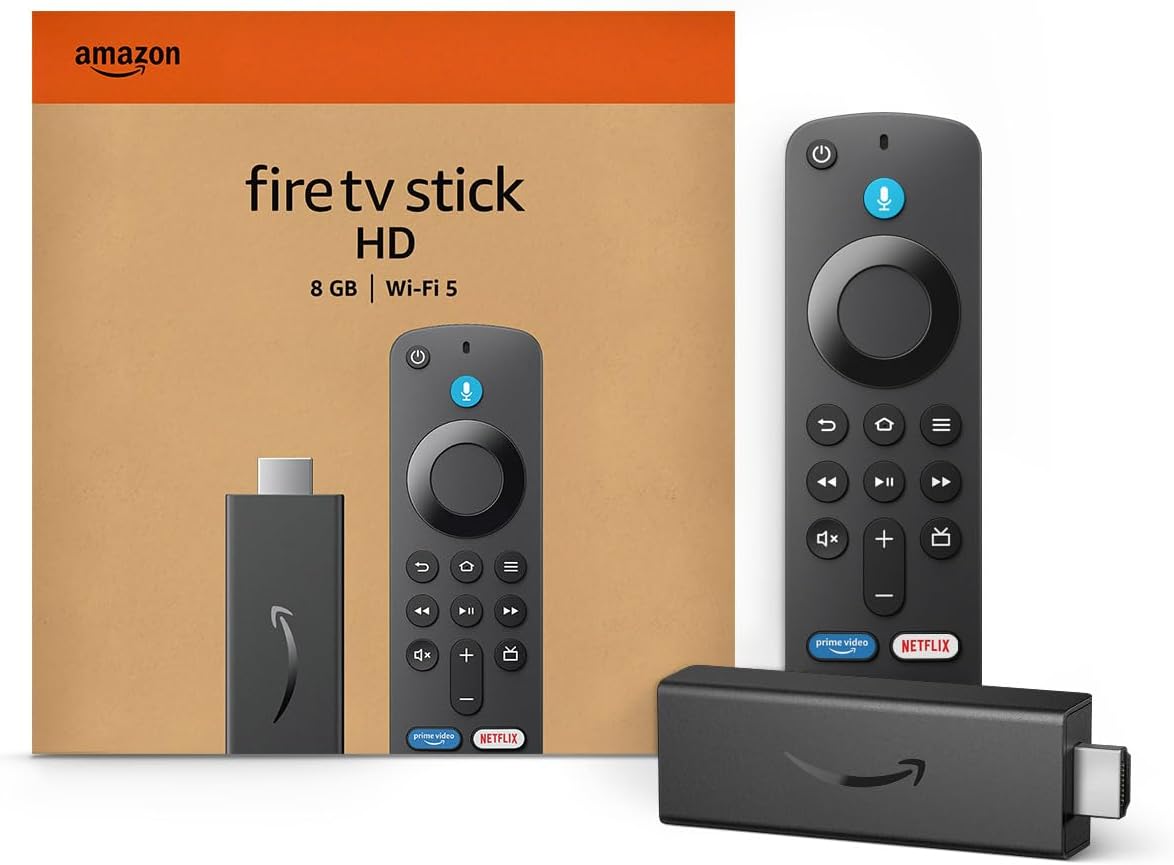
Amazon Fire TV Stick HD
Turn Any TV to a Smart TV. Stream Netflix, Prime Video & More. Alexa Voice Remote Included. Easy Plug & Play Setup.
Shop on AmazonMemory and storage constraints represent the primary culprit behind slow TCL TV performance. Most budget and mid-range TCL models come with limited RAM (typically 1-3GB) and internal storage (8-16GB).
When you install multiple apps, download content, or accumulate cache files, your TV’s limited memory becomes overwhelmed, causing significant performance degradation.
Background app activity continuously consumes your TV’s processing power and memory resources. Unlike smartphones that efficiently manage background processes, smart TVs often struggle with app optimization.
Streaming apps, games, and system processes running simultaneously create resource conflicts that manifest as interface lag and slow response times.
Outdated software and firmware can severely impact your TCL TV’s performance. Manufacturers regularly release updates that optimize system performance, fix bugs, and improve memory management.
Running older software versions means missing crucial performance enhancements and security improvements that keep your TV running smoothly.
Internet connectivity problems significantly affect streaming quality and overall responsiveness. Insufficient bandwidth, network congestion, or Wi-Fi interference can cause buffering, slow app loading, and delayed content delivery. Your TV may appear slow when the actual issue lies with your internet connection.
Hardware aging and thermal throttling become noticeable as your TCL TV ages. Internal components generate heat during operation, and inadequate cooling can cause processors to slow down to prevent overheating.
Additionally, years of use can degrade internal components, reducing overall system performance.
Memory Management and Storage Solutions
Effective memory management represents your first line of defense against TCL TV slowdowns. Smart storage practices can dramatically improve your viewing experience.
Clear your TV’s cache regularly to free up valuable storage space and improve system responsiveness. Cache files accumulate over time as you use various apps and streaming services.
For TCL Google TV models, navigate to Settings > Apps > See all apps, select individual apps, and choose “Clear cache.” For Roku TVs, restart your device to automatically clear temporary files.
Uninstall unused applications that consume storage space and system resources. Review your installed apps monthly and remove those you haven’t used recently. Focus on large applications like games or streaming services you no longer access. Each removed app frees storage space and reduces background processing demands.
Manage your downloads and offline content strategically. Streaming services allow downloading content for offline viewing, but these files quickly consume storage space. Delete watched content promptly and avoid downloading multiple shows simultaneously unless necessary.
Monitor your available storage space through your TV’s settings menu. TCL Android and Google TV models display storage information under Settings > Device Preferences > Storage. Maintain at least 20% free space for optimal performance. When storage drops below this threshold, system performance typically degrades noticeably.
Perform regular system restarts to refresh your TV’s memory allocation. Power cycling clears temporary files, closes background processes, and resets system resources. Restart your TCL TV at least once weekly, or more frequently if you notice performance issues.
“Smart TV performance degrades exponentially when available storage drops below 20% of total capacity” – Consumer electronics performance analyst.
System Updates and Optimization
Keeping your TCL TV’s software current ensures optimal performance and access to the latest features and improvements.
Enable automatic updates to ensure your TV receives the latest performance optimizations. Navigate to Settings > Device Preferences > About > System update on Google TV models, or Settings > System > System update on Roku TVs. Automatic updates prevent you from missing critical performance improvements and security patches.
Check for app updates individually through your TV’s app store. Developers regularly release updates that improve performance, fix bugs, and optimize memory usage. Outdated apps often run inefficiently and may cause system-wide slowdowns.
Reset network settings if connectivity issues contribute to poor performance. Poor network configuration can cause streaming delays and app loading problems. Access Settings > Network & Internet > Advanced and select “Reset network settings” to restore default network configurations.
Optimize your TV’s display settings to reduce processing demands. Disable unnecessary visual effects, motion smoothing, and AI upscaling features that consume system resources. Access Settings > Display & Sound and disable features like “Motion smoothing” or “AI upscaling” if performance is more important than visual enhancements.
Factory reset as a last resort when other optimization methods fail. This nuclear option eliminates all installed apps, settings, and cached data, returning your TV to its original state. Before proceeding, note your app preferences and account information, as you’ll need to reconfigure everything manually.
Follow this systematic approach for factory reset:
- Navigate to Settings > Device Preferences > Reset
- Select “Factory data reset”
- Confirm your choice and wait for the process to complete
- Set up your TV from scratch, installing only essential apps initially
Network and Connectivity Optimization
Your internet connection significantly impacts your TCL TV’s perceived performance, especially for streaming activities and app functionality.
Upgrade your internet plan if your current bandwidth cannot support your viewing habits. 4K streaming requires at least 25 Mbps download speed, while multiple simultaneous streams demand even higher bandwidth. Contact your internet service provider to discuss faster plan options if you experience consistent buffering or slow loading times.
Optimize your Wi-Fi network configuration for better TV performance. Position your router closer to your TV or invest in a Wi-Fi extender to strengthen signal strength. Interference from other electronic devices can degrade Wi-Fi performance, so consider switching to 5GHz networks for reduced congestion.
Use ethernet connections when possible for the most stable internet experience. Wired connections eliminate Wi-Fi-related variables and provide consistent, high-speed connectivity. If running ethernet cables isn’t practical, consider powerline adapters that use your home’s electrical wiring for network connectivity.
Restart your network equipment regularly to maintain optimal performance. Power cycle your modem and router monthly to clear temporary glitches and refresh network connections. This simple maintenance step often resolves connectivity issues that impact TV performance.
Configure DNS settings for faster content loading. Switch to faster DNS servers like Google (8.8.8.8) or Cloudflare (1.1.1.1) to improve domain name resolution times. Access your router’s settings through your web browser and update DNS server addresses in the network configuration section.
Hardware Upgrades and External Solutions
When software optimization reaches its limits, hardware solutions can dramatically improve your TCL TV’s performance and functionality.
Consider external streaming devices as the most effective performance upgrade. Dedicated streaming devices like the Amazon Fire TV Stick 4K Max or Apple TV 4K offer significantly more processing power and memory than built-in smart TV platforms. These devices receive regular updates and provide smoother, more responsive interfaces.
Evaluate different streaming platform options based on your preferences and performance needs. Roku devices excel at simplicity and content organization, while Apple TV offers premium performance and ecosystem integration. Google TV provides extensive customization options, and Amazon Fire TV integrates well with Alexa smart home systems.
USB storage expansion can alleviate storage constraints on compatible TCL models. Some Android TV and Google TV models support external storage for app installation and content downloads. Use high-speed USB 3.0 flash drives or external hard drives formatted specifically for your TV.
Improve cooling and ventilation around your TV to prevent thermal throttling. Ensure adequate airspace around your TV’s ventilation ports and consider adding external cooling fans for entertainment centers with poor airflow. Overheating reduces performance and can damage internal components over time.
Professional cleaning and maintenance can restore performance in older TCL TVs. Dust accumulation inside your TV reduces cooling efficiency and can cause overheating. Professional technicians can safely clean internal components and replace thermal paste if necessary.
“External streaming devices typically offer 3-4 times more processing power than built-in smart TV platforms” – Home theater technology specialist.
For users experiencing persistent performance issues despite optimization efforts, investing in a Roku Ultra streaming device provides a reliable long-term solution with superior performance capabilities.
Video Credit: Tricks Tips Fix / YouTube
Frequently Asked Questions
Why does my TCL TV become slower over time?
TCL TVs gradually accumulate cache files, temporary data, and background processes that consume limited system resources. Unlike computers with ample RAM and storage, smart TVs operate with minimal memory specifications that become overwhelmed with extended use.
Additionally, installing new apps and system updates can increase processing demands beyond your TV’s original capabilities. Regular maintenance including cache clearing, app management, and system restarts helps maintain performance, but hardware limitations eventually become apparent as software becomes more demanding.
Can clearing cache actually improve my TCL TV’s speed?
Yes, clearing cache files can provide noticeable performance improvements, especially on TCL TVs with limited storage. Cache files store temporary data to speed up app loading, but they accumulate over time and can consume significant storage space.
When storage becomes critically low, your TV’s operating system struggles to manage memory efficiently, causing widespread slowdowns. Clearing cache frees storage space and allows the system to operate more efficiently. However, apps may take slightly longer to load initially after cache clearing as they rebuild necessary temporary files.
Should I factory reset my slow TCL TV?
Factory reset should be your last resort after trying other optimization methods. While resetting eliminates all performance-degrading factors like corrupted cache files, problematic apps, and system conflicts, it also erases all your settings, app installations, and account configurations.
Before factory resetting, try clearing cache, uninstalling unused apps, updating software, and restarting your TV. If these methods don’t improve performance significantly, factory reset can restore your TV to its original speed, but you’ll need to reconfigure everything manually.
Will using an external streaming device really make my TCL TV faster?
External streaming devices significantly outperform built-in smart TV platforms in processing power, memory capacity, and software optimization. While your TCL TV’s display remains the same, dedicated streaming devices handle all interface navigation, app processing, and content streaming with superior hardware specifications.
Most external devices feature 4-8GB of RAM compared to 1-3GB in smart TVs, plus faster processors and regular software updates. The result is noticeably smoother navigation, faster app loading, and reduced buffering, essentially bypassing your TV’s performance limitations entirely.
How often should I restart my TCL TV for optimal performance?
Restart your TCL TV at least once weekly to maintain optimal performance, or more frequently if you use it heavily for gaming or streaming. Restarting clears temporary files, closes background apps, and resets system resources that gradually become fragmented during normal operation.
Smart TV operating systems aren’t as efficient at memory management as computers or smartphones, so regular restarts prevent performance degradation. Additionally, restart immediately after installing new apps or system updates to ensure proper integration and optimal resource allocation.
Sources:
- TCL Official Support – Google TV Performance
- ZDNet – TV Performance Optimization Guide
- Best Buy – Smart TV Performance Issues
- Amazon – Fire TV Stick 4K Max
Read More: