
You wake your laptop and your keyboard’s completely dead. Nothing responds. You press harder, tap every key, still nothing. The touchpad works fine, but your keyboard stays frozen.
The culprit behind your asus laptop keyboard not working after sleep is almost always a Windows power management misconfiguration, specifically USB selective suspend settings, outdated keyboard drivers stuck in a low-power state, or Device Manager power-saving toggles that literally shut off your keyboard when your laptop wakes. The good news is you can fix nearly every case with a few straightforward software adjustments, zero hardware skill, and about ten minutes at your desk.
Most people assume they need a repair shop or that the keyboard hardware is dying. Not true. Windows 11 and 10 aggressively manage power states, and that aggression often breaks keyboard signal paths post-sleep. This guide walks you through every simple diagnostic and solution, from toggling a checkbox in Device Manager to disabling Fast Startup, so you can get back to work without spending a dime or losing data.
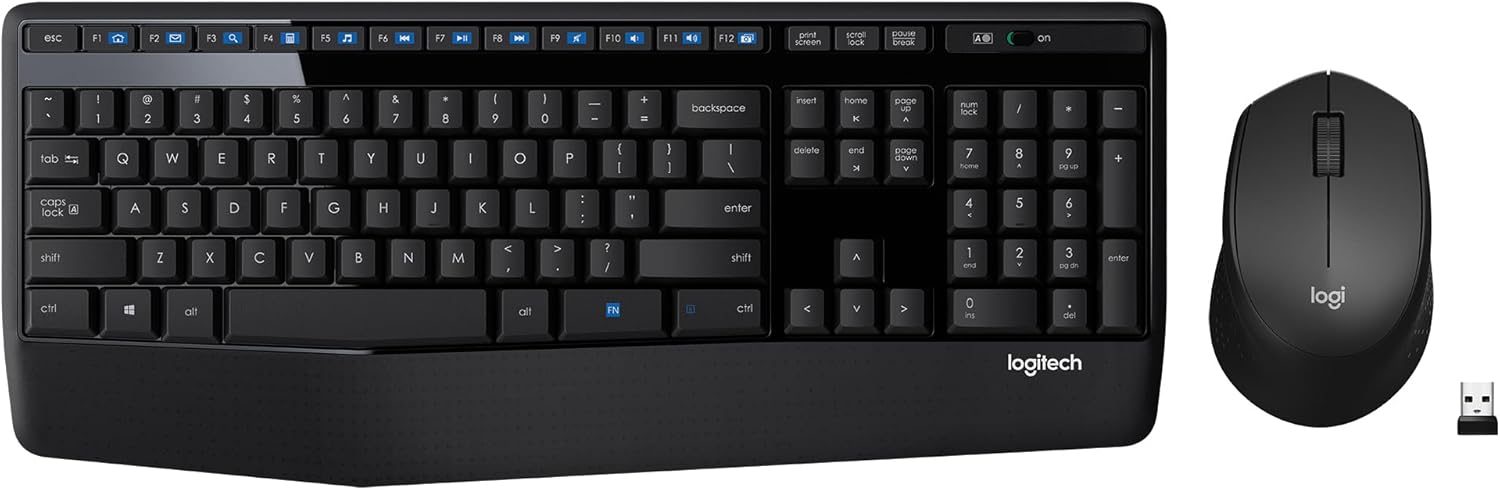
Best Wireless Keyboard and Mouse Combo
Logitech Comfortable Full-Size Keyboard with Palm Rest. Reliable 2.4GHz Wireless Connection up to 10m. Long Battery Life for Everyday Productivity.
Shop on Amazon
Key Takeaways
- ASUS laptop keyboard not working after sleep is typically caused by Windows power management settings, not hardware failure, and can be fixed in minutes by disabling USB selective suspend and updating drivers.
- Disabling the ‘Allow the computer to turn off this device to save power’ option in Device Manager’s Power Management tab is the single most effective fix for keyboard freeze issues post-sleep.
- Outdated or generic keyboard drivers frequently fail to restore proper power states after wake events—always download the latest ATK and chipset drivers from ASUS support for your specific model.
- Testing with an external USB keyboard confirms whether the issue is power-state related; if the external keyboard works but your built-in keyboard doesn’t, the problem is purely software, not hardware.
- Performing a hard reboot by holding the power button for 15 seconds drains residual EC firmware charge and forces a clean keyboard initialization without requiring technical repairs.
- If basic fixes fail, resetting Windows power plans using the ‘powercfg -restoredefaultschemes’ command and disabling all USB Root Hub power-saving options can resolve stubborn sleep-wake keyboard conflicts.
Essential Steps to Restore Keyboard Function After Sleep
Check Power Management Settings
First, open Device Manager. Type “Device Manager” into your Start menu and hit Enter. Expand Keyboards, right-click your laptop keyboard (often labeled HID Keyboard Device or ASUS Precision Keyboard), and select Properties. Click the Power Management tab. You’ll see a checkbox that says “Allow the computer to turn off this device to save power.” If it’s checked, uncheck it. Click OK. This single toggle stops Windows from cutting power to your keyboard during sleep.
Many users report instant fixes after this tweak. Windows defaults to aggressive power savings, especially on battery. It assumes you’ll wake with the touchpad or power button, so it literally shuts down the keyboard controller. If you don’t see a Power Management tab, your keyboard driver might be generic, jump to the driver update section below. Reboot after making this change to lock it in.
Verify Device Manager and Keyboard Drivers
Stay in Device Manager. Right-click your keyboard again and choose Update driver. Select “Search automatically for drivers.” Windows will ping its servers. If it finds nothing, visit ASUS support and download the latest ATK (ASUS System Control Interface) driver and chipset package for your exact model. Install both, then restart.
Outdated or generic drivers often fail to properly restore keyboard power states after wake events. I’ve seen countless VivoBook and ZenBook owners stuck with a 2021 driver while running a 2026 build of Windows 11. The mismatch creates signal loss. If Device Manager shows a yellow triangle next to your keyboard, that’s a driver conflict, uninstall the device (right-click > Uninstall device), reboot, and let Windows reinstall it fresh.
Test With an External USB Keyboard
Plug in any USB keyboard. Put your laptop to sleep, wait ten seconds, and wake it. If the external keyboard works instantly but your built-in keys stay dead, you’ve confirmed the issue is power-state related, not a full system freeze. This test rules out broader OS lockups or BIOS failures. It also gives you a temporary workaround while you apply the other fixes.
If you don’t own a spare, consider picking up a compact option like the Logitech K380 Multi-Device Bluetooth Keyboard, it’s portable, reliable, and doubles as a backup for travel or desk setups.

Restart and Perform Basic Hardware Checks
Shut down fully (not sleep or hibernate). Hold the power button for 15 seconds to drain residual charge. Unplug the AC adapter if possible. This forces an embedded controller (EC) reset. Power back on. Your keyboard should initialize cleanly. This “hard reboot” clears stuck power states in the EC firmware that manages keyboard signals between the OS and hardware.
If your keyboard still won’t respond after this, try toggling Num Lock and Caps Lock. Do the indicator LEDs light up? If yes, your keyboard hardware is alive, it’s purely a driver or signal issue. If no LEDs respond at all, you may need a BIOS update or a deeper EC reset (more on that in the advanced section).
Optimizing Windows 11 Power and Wake Settings
Configure ‘Allow This Device to Wake the Computer’
Back in Device Manager, open your keyboard’s Properties and look at the Power Management tab again. You’ll see a second checkbox: “Allow this device to wake the computer.” Make sure it’s checked. This tells Windows the keyboard is a valid wake source. Without it, Windows may refuse to fully restore the keyboard controller after a sleep cycle. Save and reboot.
This setting works hand-in-hand with the “turn off device” toggle from earlier. You want Windows to keep the keyboard powered and recognize it as a wake trigger. The combo ensures a complete signal path.
Disable ‘Turn Off This Device to Save Power’
We covered this briefly, but it’s so critical it deserves its own subsection. Navigate to Control Panel > Hardware and Sound > Power Options > Change plan settings > Change advanced power settings. Expand USB settings, then USB selective suspend setting. Set both “On battery” and “Plugged in” to Disabled. Click Apply.
USB selective suspend is a notorious sleep-mode troublemaker. It aggressively powers down USB controllers, including internal ones that route keyboard signals on many ASUS models. Disabling it can feel like flipping a magic switch.
“Disabling USB selective suspend fixed my VivoBook S15 keyboard freeze instantly. I’d been restarting three times a day for weeks.” via r/ASUS
Adjust USB Selective Suspend Options
If you still see issues, open Device Manager > Universal Serial Bus controllers. Expand the list. Right-click each “USB Root Hub” entry and open Properties. Go to the Power Management tab and uncheck “Allow the computer to turn off this device to save power” for every single hub. Yes, it’s tedious. Yes, it works. Your keyboard might be routed through any one of these hubs, and Windows won’t tell you which.
This brute-force approach ensures no hub goes to sleep and orphans your keyboard. You’ll sacrifice a tiny bit of battery life, but you’ll gain a reliable keyboard every single wake.
Reset Power Options if Issues Persist
Open an elevated Command Prompt (search “cmd,” right-click, select “Run as administrator”). Type:
powercfg -restoredefaultschemes
Hit Enter. This resets all power plans to factory defaults, wiping out any corrupted settings or third-party tweaks (like ASUS Battery Health Charging utilities) that conflict with keyboard wake behavior. Reboot, then reapply the USB selective suspend disable from above. This is your nuclear option if settings feel tangled.
Troubleshooting Keyboard Software and Configuration
Identify and Update Problematic Drivers
Open Device Manager one more time. Expand Keyboards and System devices. Look for any entries with yellow triangles or exclamation marks. Those are driver failures. Right-click each flagged device and select Uninstall device. Check “Delete the driver software for this device” if prompted. Reboot. Windows will reinstall generic drivers automatically.
If Windows Update isn’t pulling the latest drivers, grab them manually from ASUS support. Download the ATK package, chipset drivers, and any “Hotkey” or “Function Key” utilities. Install in that order, rebooting after each. Older ZenBook models especially need the ATK driver to properly manage keyboard power states.
Resolve Issues With Keyboard Settings
Sometimes Windows Ease of Access features interfere. Open Settings > Accessibility > Keyboard. Turn off Sticky Keys, Filter Keys, and Toggle Keys. These features can misinterpret sleep-wake transitions and lock certain key combos. Filter Keys, in particular, ignores “repeated” keystrokes, and waking from sleep can register as a repeated input, freezing the whole keyboard.
Also check Settings > Time & language > Typing > Advanced keyboard settings. Make sure “Use the On-Screen Keyboard” isn’t stuck on. If it is, toggle it off and reboot.
Use Control Panel and Ease of Access Tools
While your keyboard’s down, pull up the On-Screen Keyboard. Press Win key (touchpad click if you have one), type “osk,” and hit Enter. The virtual keyboard pops up. Use it to navigate settings, update drivers, or run Command Prompt commands. It’s your instant backup.
For a more permanent workaround, consider the Logitech MX Keys Mini Wireless Keyboard, compact, backlit, and perfect for keeping on your desk if internal keyboard issues keep recurring.

Disable Filter Keys and Accessibility Shortcuts
Open Control Panel > Ease of Access > Ease of Access Center > Make the keyboard easier to use. Uncheck Turn on Filter Keys and Turn on Sticky Keys. Click Set up Filter Keys and Set up Sticky Keys to confirm the keyboard shortcut triggers are off. Sometimes holding Shift for eight seconds accidentally activates Filter Keys, and post-sleep that state persists, blocking all input. This clears it.
Advanced Diagnostics and Hardware Solutions
Use Built-in Troubleshooters and System Diagnosis
Open Settings > System > Troubleshoot > Other troubleshooters. Run Keyboard troubleshooter. Windows will scan for driver conflicts, stuck keys, and power-state errors. It auto-applies fixes where possible. Next, run Hardware and Devices troubleshooter (you might need to launch it from Command Prompt: msdt.exe -id DeviceDiagnostic). These tools catch edge cases like corrupted registry entries or mismatched device classes.
If errors persist, check Event Viewer. Press Win + X, select Event Viewer, navigate to Windows Logs > System. Filter by “Keyboard” and “Power-Troubleshooter.” Look for critical or error entries around your last wake time. Error codes like 0x8007001F or driver timeout messages point to specific driver or firmware bugs. Cross-reference those codes on Microsoft support forums or Tom’s Hardware.
Check for Keyboard Backlight and Firmware Issues
Some ASUS models tie backlight control to keyboard power states. If your backlight flickers or stays off post-wake, that’s a signal the keyboard controller firmware is stuck. Try toggling the backlight with Fn + F3 or Fn + F4 (varies by model). If the backlight responds but keys don’t, your EC firmware may need a reset.
To perform an EC reset: shut down, unplug AC and remove the battery (if removable). Hold the power button for 30–40 seconds. Reconnect everything and boot. Non-removable battery models can often trigger an EC reset via a pinhole button on the bottom, check your ASUS user manual for specifics.
“EC reset worked when nothing else did. My ROG Zephyrus keyboard came back to life after a 40-second power drain.” via ASUS ROG Forum
If your BIOS is older than 2024, update it. Download the latest BIOS from ASUS support, run EZ Flash from the BIOS menu (press F2 or Del at boot), and follow on-screen prompts. BIOS updates often include embedded controller fixes that resolve sleep-wake keyboard bugs.
Perform a Laptop Reset or Seek Technical Support
If all else fails, back up your data and try a Windows Reset. Go to Settings > System > Recovery > Reset this PC. Choose “Keep my files” to preserve documents. This reinstalls Windows cleanly, wiping out any deep driver corruption or registry tangles. I’ve seen this fix stubborn cases where multiple driver reinstalls did nothing.
Still broken? Your keyboard ribbon cable might be loose (common after drops or heavy use). Opening the chassis to reseat it is a 10-minute job with a Phillips screwdriver, but if you’re not comfortable, contact ASUS support or visit a local repair shop. Most charge $30–50 for a ribbon reseat. If your laptop’s under warranty, ASUS will handle it free.
Frequently Asked Questions
Why is my ASUS laptop keyboard not working after sleep mode?
Your ASUS laptop keyboard not working after sleep is usually caused by Windows power management misconfiguration, specifically USB selective suspend settings or outdated drivers leaving the keyboard in a low-power state. The Power Management tab in Device Manager is often the culprit—simply unchecking ‘Allow the computer to turn off this device’ typically resolves the issue.
How do I fix my ASUS keyboard after it stops responding from sleep?
First, open Device Manager, locate your keyboard, go to Properties > Power Management, and uncheck ‘Allow the computer to turn off this device to save power.’ Next, disable USB selective suspend in Control Panel > Power Options > Advanced settings. If issues persist, update your keyboard drivers through ASUS support or perform a hard reboot by holding the power button for 15 seconds.
What is USB selective suspend and why does it affect my keyboard?
USB selective suspend is a Windows power-saving feature that aggressively shuts down USB controllers during sleep, including internal hubs that route keyboard signals on ASUS laptops. Disabling it in Power Options (set to ‘Disabled’ for both battery and plugged-in modes) often instantly restores keyboard functionality after waking from sleep.
Should I update my ASUS keyboard drivers to fix sleep-mode issues?
Yes. Outdated or generic drivers frequently fail to restore keyboard power states after wake events. Visit ASUS support, download the latest ATK (ASUS System Control Interface) driver and chipset package for your model, install both, and restart. If Device Manager shows a yellow triangle, uninstall the device and let Windows reinstall it fresh.
How can I test if my ASUS keyboard hardware is actually broken?
Plug in an external USB keyboard, put your laptop to sleep, wait ten seconds, and wake it. If the external keyboard works instantly but your built-in keys remain unresponsive, the issue is power-state related, not hardware failure. You can also check if Num Lock or Caps Lock LEDs light up; if they do, your keyboard hardware is functioning and it’s a driver or signal problem.
What should I do if disabling power management settings doesn’t fix my keyboard?
Try resetting power options by running ‘powercfg -restoredefaultschemes’ in an elevated Command Prompt, which wipes corrupted settings. If problems persist, check Event Viewer for keyboard-related errors, update your BIOS if it’s older than 2024, or perform an EC (embedded controller) reset by holding the power button for 30–40 seconds after unplugging AC and removing the battery.
Read More:
- Numbers on Keyboard Not Working? Here’s the 7 Proven Fixes
- ASUS Laptop Keyboard Not Working (Here’s the Quick and Simple DIY Fixes)
- Letters Keyboard Not Working? 7 Proven Fixes to Get You Typing Again
- Laptop Keyboard Not Working (Complete Fix Guide for All Brands)
- ASUS ROG Laptop Keyboard Not Working? Here’s the 7 Quick DIY Fixes
- ASUS VivoBook Laptop Keyboard Not Working (Here’s the Quick DIY Fixes)