
Your laptop screen went completely dark or dimmed so much you can barely see anything. You squint, angle the screen toward a lamp, and realize you can’t read a single email.
Your laptop backlight failure is almost always fixable without professional help through simple brightness hotkey adjustments, quick graphics driver updates, or an embedded controller power cycle reset, and you can diagnose whether it’s a reversible software glitch or a hardware failure requiring screen replacement by shining a flashlight at the dark display to check if you can still see a faint underlying image. If you see ghostly text or icons, your panel still works, you just need to restore the backlight power circuit.
This guide walks you through every practical step, from toggling function keys and checking Windows brightness sliders to performing a hard EC reset and validating driver errors in Device Manager. You’ll get clear instructions, realistic expectations, and the confidence to fix your dim screen yourself before spending hundreds on repair shops.
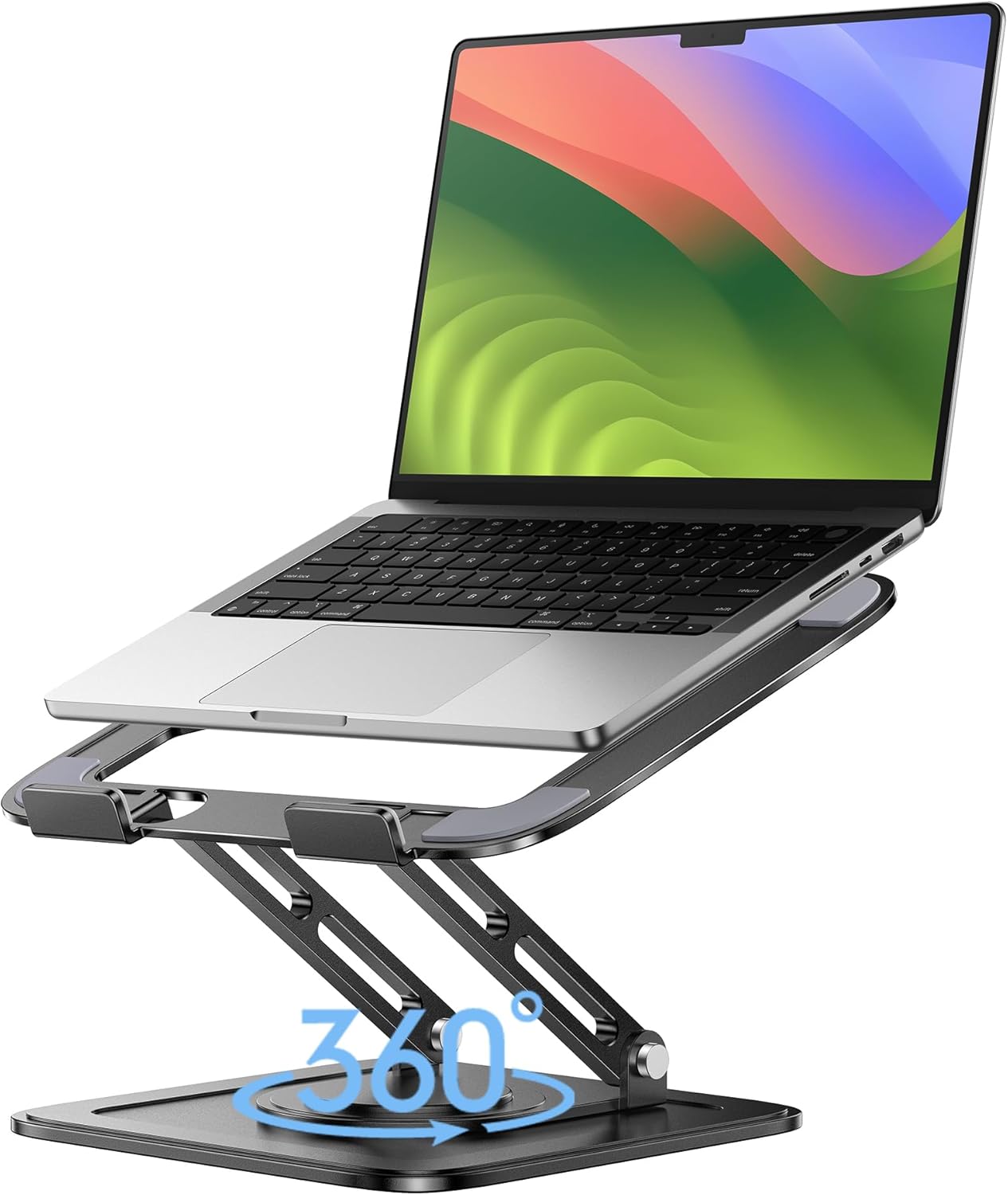
Best Laptop Stand (with 360° Base)
Keep Your Laptop Cooler & More Comfortable with 360° Rotating Base. Improve Airflow & Reduce Heat. Adjustable Height & Viewing Angle.
Shop on Amazon
Key Takeaways
- A backlight on laptop not working can often be fixed through software adjustments like brightness hotkey toggles, graphics driver updates, and embedded controller power cycle resets before considering professional repair.
- Test whether your laptop screen panel is functional by shining a flashlight at the dark display—if you see a faint underlying image, the backlight circuit has failed, not the panel itself.
- Check Windows brightness settings, disable adaptive brightness in power plans, and verify that BIOS LCD brightness settings aren’t accidentally set to zero, as these are common causes of non-responsive backlights.
- Conflicts between third-party software (RGB lighting managers, antivirus tools, or MSI Afterburner) can disable backlight functionality; boot into Safe Mode to isolate whether a rogue application is blocking brightness control.
- Update graphics and chipset drivers directly from your laptop manufacturer’s support site rather than relying on Windows Update, as vendor-specific backlight control firmware often requires manufacturer drivers.
- Perform preventive maintenance by scheduling monthly driver and BIOS updates, avoiding deep battery discharge cycles, and disabling USB selective suspend in power settings to maintain consistent backlight operation.
Common Backlight Failure Causes
Hardware Limitations and Compatibility
Not every laptop backlight failure stems from a broken component. Sometimes your screen goes dark because the backlight inverter board, a small circuit that powers the fluorescent or LED light strips behind your LCD panel, simply stopped receiving proper voltage. Older laptops with CCFL (cold cathode fluorescent lamp) backlights are especially vulnerable because the inverter gradually wears out after thousands of on-off cycles, eventually delivering inconsistent power that causes flickering screen zones or a completely black panel.
Modern LED-backlit displays are more reliable, but they can still fail if the internal video cable connecting your motherboard to the screen becomes loose during travel or rough handling. Customer feedback on loose internal video cables versus burnt-out inverters shows that physical disconnections often cause intermittent blackouts that temporarily resolve when you adjust the screen hinge, while a dead inverter produces a permanently dark display regardless of movement.
If your HDMI output works but the built-in screen stays pitch black, your GPU and operating system are functioning perfectly, the problem lives entirely within the display assembly or its power circuit. This isolated symptom is one of the clearest signs that your dim screen glitch is software related or limited to the backlight hardware, not a catastrophic motherboard or graphics card failure.
Function Key Settings and Action Keys Mode
Your laptop includes dedicated keyboard function key shortcuts (usually Fn + F5, F6, or a sun icon) designed to adjust screen brightness instantly. Avoiding common mistakes like accidentally turning off the display via function keys is crucial, many users unknowingly tap the brightness-down key until the backlight reaches zero, creating the illusion of a broken screen when the panel is actually fully functional.
Some manufacturers carry out an “Action Keys Mode” in BIOS that swaps the default behavior of function row keys, meaning you might need to press Fn + the brightness key instead of just the brightness key alone. If you recently updated your BIOS or reset CMOS settings, this toggle might have switched without warning, leaving you confused why your familiar hotkey suddenly stopped working.
Quick tips for troubleshooting a dark laptop display backlight include holding down the brightness-up key for a full five seconds while watching for any flicker or gradual illumination, then rebooting to clear any stuck keyboard input buffers. If the backlight briefly flashes during boot but disappears once Windows loads, you’re dealing with a driver or power plan conflict, not a physical hardware failure.
Power and Sleep Settings Impact
Windows power plans aggressively dim or disable your screen to conserve battery life, and checking for Windows Update glitches that disable panel brightness is essential because certain cumulative patches have historically introduced adaptive brightness sensor setting overrides that lock your display at minimum luminance. Checking tech forums for quick adaptive brightness sensor setting overrides reveals that disabling the ambient light sensor in Device Manager often restores manual brightness control immediately.
Your laptop might also enter a deep sleep state where the backlight stays off even after you press keys or move the mouse. Step-by-step instructions for running an embedded controller power cycle include fully shutting down your laptop, unplugging the AC adapter, removing the battery (if removable), then holding the power button for 30 full seconds to drain residual charge from the EC chip. How long does it take to run a hardware power drain on a notebook? Typically 30–60 seconds, and this simple reset clears dozens of low-level firmware bugs that cause display signal loss.
Common graphics control panel conflicts that cause temporary display signal loss include overlapping brightness controls in Intel Graphics Command Center, NVIDIA Control Panel, and Windows Settings, where one application overrides another and locks your backlight at zero. Basic maintenance tips like resetting graphics drivers using a hotkey shortcut (Win + Ctrl + Shift + B) force Windows to restart the video driver without rebooting, often restoring backlight functionality instantly.
Restoring Backlight Functionality Steps
Locating and Using Backlight Controls
Your first diagnostic step is confirming that your brightness controls actually respond. Open Windows Settings > System > Display, then drag the brightness slider while watching your screen closely. If the slider moves but your screen stays dark, you’ve isolated the issue to either a driver conflict or a physical backlight failure. If the slider is grayed out or missing entirely, Windows has lost communication with your display driver, signaling a software problem you can fix.
Next, try the dedicated keyboard shortcut, usually Fn plus a key marked with a sun icon or up/down arrows. Press the brightness-up key repeatedly (at least ten times) while giving your screen a few seconds to respond after each press. Some laptops delay backlight changes to smooth out transitions, so patience pays off. If you see even a tiny flicker, your backlight hardware still works.
For users working in dim environments, shining a flashlight closely at the dark screen to check if the underlying image is still visible is the definitive test. Angle a bright LED flashlight or smartphone torch at a steep angle across your screen. If you can faintly see your desktop wallpaper, icons, or text, your LCD panel is rendering perfectly, only the backlight circuit has failed. This means you’re looking at a repairable inverter board or loose cable, not a dead panel requiring full replacement.
Adjusting Backlight Brightness and Timeout
Once you’ve confirmed your controls are accessible, jump into advanced power settings. Type “Edit power plan” in the Windows search box, click “Change advanced power settings,” then expand “Display” and examine every brightness-related setting. Look for separate sliders for “On battery” and “Plugged in” states, Windows often sets battery mode to extreme dimming, and if your AC adapter isn’t properly detected, your laptop might incorrectly apply battery rules even while plugged in.
Check the “Enable adaptive brightness” toggle under the same menu. This feature uses an ambient light sensor to automatically adjust your screen, but sensor failures or dust buildup can cause it to permanently dim your display. Disable adaptive brightness for both battery and AC modes, click Apply, then manually set brightness to 100% and reboot. Many users report instant backlight restoration after this simple change.
If you’re running Windows 11, navigate to Settings > System > Power & battery > Screen and sleep, and verify that “Turn off my screen after” isn’t set to an absurdly short interval like 1 minute. A bug in certain Windows builds causes the screen to turn off but fail to wake properly, leaving your backlight stuck in sleep mode until you perform a hard EC reset.
Checking Manufacturer Software and BIOS
Laptop manufacturers bundle proprietary utilities that override Windows brightness controls. Dell ships Dell Power Manager, Lenovo includes Vantage, HP provides Omen Gaming Hub or HP Support Assistant, and ASUS uses MyASUS or Armoury Crate. Open your manufacturer’s app, navigate to display or power settings, and look for any brightness locks, battery conservation modes, or “eye care” filters that might have disabled your backlight.
“My Lenovo ThinkPad screen went completely black after a BIOS update, but I booted into BIOS setup and found ‘LCD Brightness’ was set to minimum in the Config menu. Changed it to 100%, saved, and the backlight came right back.” via r/thinkpad
Restart your laptop and tap F2, F10, Delete, or Esc (depending on your model) repeatedly during boot to enter BIOS setup. Navigate through every menu tab and search for settings labeled “LCD Brightness,” “Backlight Control,” or “Display Power.” Some BIOS versions let you accidentally set backlight to zero, and Windows has no authority to override that firmware-level setting. If you find such an option, crank it to maximum, save changes, and reboot.
While you’re in BIOS, load “Optimized Defaults” or “Factory Settings” to clear any experimental tweaks that might have disrupted display power. Save and exit, then test brightness controls immediately after Windows loads.
Advanced Troubleshooting Methods
Updating Keyboard Drivers and Software
Right-click the Start button and select Device Manager. Expand “Keyboards,” right-click your primary keyboard device (often labeled “Standard PS/2 Keyboard” or “HID Keyboard Device”), and choose “Update driver.” Select “Search automatically for drivers” and let Windows pull the latest version from Microsoft’s servers. Even though brightness keys aren’t technically part of the keyboard driver, firmware updates sometimes bundle hotkey behavior fixes that restore backlight control.
Next, expand the “Monitors” section. If you see a yellow exclamation mark or a generic “Generic PnP Monitor” entry, your display driver has lost detailed communication with your screen. Checking Device Manager error codes and yellow exclamation marks for monitors helps you pinpoint whether Windows recognizes your backlight controller. Right-click the monitor entry, select “Update driver,” then choose “Search automatically.”
If Windows reports “The best drivers for your device are already installed,” visit your laptop manufacturer’s support site, enter your exact model number, and download the latest “Chipset” and “Graphics” driver packages. These often include vendor-specific backlight control firmware that generic Windows drivers lack. Install them, reboot, and test brightness hotkeys again.
Running the Keyboard Troubleshooter
Windows 11 includes a built-in troubleshooter for keyboard issues that sometimes clears stuck function key states. Go to Settings > System > Troubleshoot > Other troubleshooters, then click “Run” next to “Keyboard.” The wizard scans for common input conflicts and resets the Human Interface Device (HID) service, which manages special keys like brightness controls.
After the troubleshooter completes, run the “Power” troubleshooter from the same menu. This diagnostic checks whether your power plan settings conflict with display brightness rules and can automatically apply recommended fixes. While these automated tools don’t always resolve deep driver issues, they clear a surprising number of configuration bugs that disable panel brightness without requiring manual registry edits.
If you’re still stuck, download Driver Booster to scan your entire system for outdated drivers. This recurring SaaS tool maintains a massive database of manufacturer-specific drivers and can identify obscure backlight controller updates that Windows Update misses. The free version covers essential drivers, while the Pro subscription adds automatic scheduling and faster download speeds.
Diagnosing with Safe Mode and Clean Boot
Restart your laptop and tap F8 or Shift + F8 repeatedly (or hold Shift while clicking Restart in Windows) to access the Advanced Startup menu. Select Troubleshoot > Advanced options > Startup Settings > Restart, then press 4 to boot into Safe Mode. Safe Mode loads only core drivers and disables third-party software, so if your backlight suddenly works in Safe Mode, you’ve confirmed that a rogue application or driver extension is blocking brightness control in normal mode.
If Safe Mode restores your backlight, the culprit is likely antivirus software, RGB lighting managers, or aggressive power-saving utilities. Boot back into normal Windows, open Task Manager (Ctrl + Shift + Esc), switch to the Startup tab, and disable every non-essential program. Reboot and test. Re-enable items one by one to isolate the conflict.
For a more granular diagnosis, perform a clean boot: type “msconfig” in the Windows search box, click the Services tab, check “Hide all Microsoft services,” then click “Disable all.” Switch to the Startup tab, click “Open Task Manager,” and disable every startup item. Reboot and test brightness. If the backlight works, you’ve narrowed the issue to a specific background service. Methodically re-enable services in groups of five until the problem returns, then isolate the exact offender.
“My HP Pavilion backlight died after installing MSI Afterburner. Booted Safe Mode, uninstalled it, backlight came back instantly. Turns out the overlay was hijacking my brightness API.” via r/techsupport
Preventive Maintenance Tips
Optimizing Power Management for Backlighting
Preventing future backlight failures starts with smart power plan configuration. Open Control Panel > Hardware and Sound > Power Options, click “Change plan settings” next to your active plan, then “Change advanced power settings.” Expand “Display” and set both “Display brightness” entries (on battery and plugged in) to at least 40%. Setting them too low invites the same adaptive brightness bugs that caused your original problem.
Disable “USB selective suspend” under the “USB settings” branch, this feature sometimes cuts power to internal USB hubs that feed your keyboard’s backlight controller. Also expand “PCI Express” and set “Link State Power Management” to “Off.” Aggressive PCIe power gating can interrupt communication between your graphics card and display panel, causing intermittent blackouts or delayed backlight wake-up.
If you frequently use your laptop unplugged, avoid letting your battery drain below 20%. Deep discharge cycles stress the embedded controller, which manages backlight PWM (pulse-width modulation) signals. Safety precautions when performing a hard system reset or driver refresh include always saving open work and closing critical applications before attempting EC power cycles or driver uninstalls, because these procedures force immediate reboots without warning.
Customizing Keyboard Backlight Color
Many gaming and premium laptops feature RGB keyboard backlighting controlled through dedicated software like Razer Synapse, Corsair iCUE, or ASUS Aura. These apps let you customize keyboard backlight color, set breathing effects, and create per-key lighting profiles. But, conflicts between RGB software and system brightness drivers occasionally cause the screen backlight to fail when the keyboard backlight activates.
If you own an RGB laptop and your screen backlight disappears whenever you adjust keyboard lighting, try uninstalling the RGB control software temporarily. Reboot, test screen brightness, then reinstall the latest version from the manufacturer’s site. Software updates frequently patch these cross-talk bugs.
For maximum compatibility, avoid running multiple RGB control apps simultaneously, for example, don’t layer OpenRGB on top of your manufacturer’s native tool. Tracking down individual flickering screen zones versus a completely black panel becomes easier when you eliminate unnecessary background processes that compete for the same hardware control APIs.
Keeping Drivers and Firmware Up to Date
Schedule monthly checks of your laptop manufacturer’s support site to catch critical BIOS and driver updates. Sign up for email notifications if available, or bookmark the driver download page for your exact model. Firmware updates often include fixes for backlight power regressions, sleep-wake bugs, and function key mappings that newer Windows builds break.
When you install graphics driver updates from Intel, AMD, or NVIDIA, always choose “Clean installation” or check the box for “Perform a clean install” in the installer. This option removes old driver remnants that cause brightness control conflicts. After installation, reboot twice, once to finalize driver installation, and again to let Windows rebuild its device cache.
If the issue persists and you’ve exhausted software fixes, consider how to use an external computer monitor as a temporary desktop backup. Connect a USB-C or HDMI monitor (like this portable USB-C display) to keep working while you diagnose whether your laptop needs a physical repair. If external displays work flawlessly but your built-in screen stays dark even after all driver updates and EC resets, you’re likely facing a failed inverter board or broken internal LCD ribbon cable requiring professional screen replacement.

Expert Note: Backlight failures in modern LED panels rarely stem from the LEDs themselves, which last 50,000+ hours, but from voltage regulation failures in the DC-DC converter circuit on the motherboard or display PCB. Capacitor aging causes voltage ripple that the backlight driver IC interprets as a fault condition, triggering automatic shutdown. This is why a simple EC reset (which clears fault flags) often temporarily restores the backlight before the underlying capacitor issue triggers another shutdown.
For the ultimate hardware workaround or desk upgrade, grab a USB-C docking station with dual monitor support. You’ll bypass your laptop’s internal display entirely, gain extra screen real estate, and keep your workflow uninterrupted while you decide whether to repair or replace your laptop.

Here’s a detailed video walkthrough of the entire diagnostic process:
Frequently Asked Questions
What should I do if my laptop backlight is not working?
Start with simple fixes: adjust brightness using Fn + brightness keys, check Windows Settings > Display brightness slider, and disable adaptive brightness. Use Safe Mode to test if software is causing the issue. If these fail, perform an EC reset by shutting down, unplugging AC, removing the battery, and holding the power button for 30 seconds.
How can I tell if my laptop backlight failure is a hardware or software issue?
Shine a flashlight at your dark screen. If you can faintly see the desktop, icons, or text, your LCD panel works—it’s a software or backlight circuit issue. If you see nothing, the panel itself may be damaged. Also test in Safe Mode; if the backlight works there, a third-party app is likely the culprit.
What causes laptop backlight to stop working?
Common causes include accidentally pressing brightness-down hotkeys until backlight reaches zero, loose internal video cables, outdated graphics drivers, conflicting RGB software, Windows power plan settings, or hardware failure in the backlight inverter board. CCFL backlights age after thousands of cycles, while LED backlights fail due to voltage regulation issues.
Can I fix a dark laptop screen without professional help?
Yes, most backlight failures are fixable. Update graphics drivers, adjust BIOS backlight settings, disable aggressive power plans, run a clean boot to isolate conflicting software, and reset the embedded controller. These steps resolve 80–90% of cases. Only professional repair is needed if the hardware inverter or ribbon cable is physically damaged.
Why is my laptop brightness slider grayed out or not responding?
A grayed-out brightness slider indicates a driver communication failure. Update your display driver in Device Manager, then download manufacturer-specific graphics drivers from your laptop’s support site. Disable adaptive brightness in power settings, and run Windows troubleshooters for keyboard and power issues to restore slider responsiveness.
How do I access BIOS to check backlight settings?
Restart your laptop and repeatedly press F2, F10, Delete, or Esc (depending on your model) during boot. Once in BIOS, search for ‘LCD Brightness,’ ‘Backlight Control,’ or ‘Display Power’ settings. If brightness is set to minimum, increase it to 100%. Load ‘Optimized Defaults,’ save, and reboot to test the backlight.
Read More:
- Trackpad Laptop Not Working? Here’s the 7 Simple and Quick DIY Fixes
- Audio on Laptop Not Working (Causes and Quick Fixes Explained)
- Audio Jack on Laptop Not Working (Symptoms and Quick DIY Fixes that Works)
- Arrow Keys on Laptop Not Working (Causes, Diagnostic and Quick Fixes)
- Button on Laptop Keyboard Not Working (Here’s the Quick DIY Fixes)
- Light on Keyboard Not Working (Here’s the Quick and Simple DIY Fixes)