
So you’re typing away, and one specific key on your laptop just… stops. Maybe it’s the ‘E’ key, maybe it’s your spacebar, or maybe it’s that crucial Enter button. Suddenly, your workflow grinds to a halt.
Here’s the good news: a single button on laptop keyboard not working is often fixable in minutes without touching a screwdriver. Most dead keys are caused by debris stuck under the keycap, a simple driver glitch, or an accidentally enabled accessibility setting like Filter Keys. You can diagnose the problem yourself by testing the key in Windows’ on-screen keyboard, running the built-in keyboard troubleshooter, and cleaning the affected keycap with compressed air. If software fixes don’t work, you’ll know it’s time to inspect for physical damage or consider a quick hardware replacement.
This guide walks you through every practical step, from quick software checks to safe physical cleaning, so you can get back to typing without spending a dime at a repair shop.
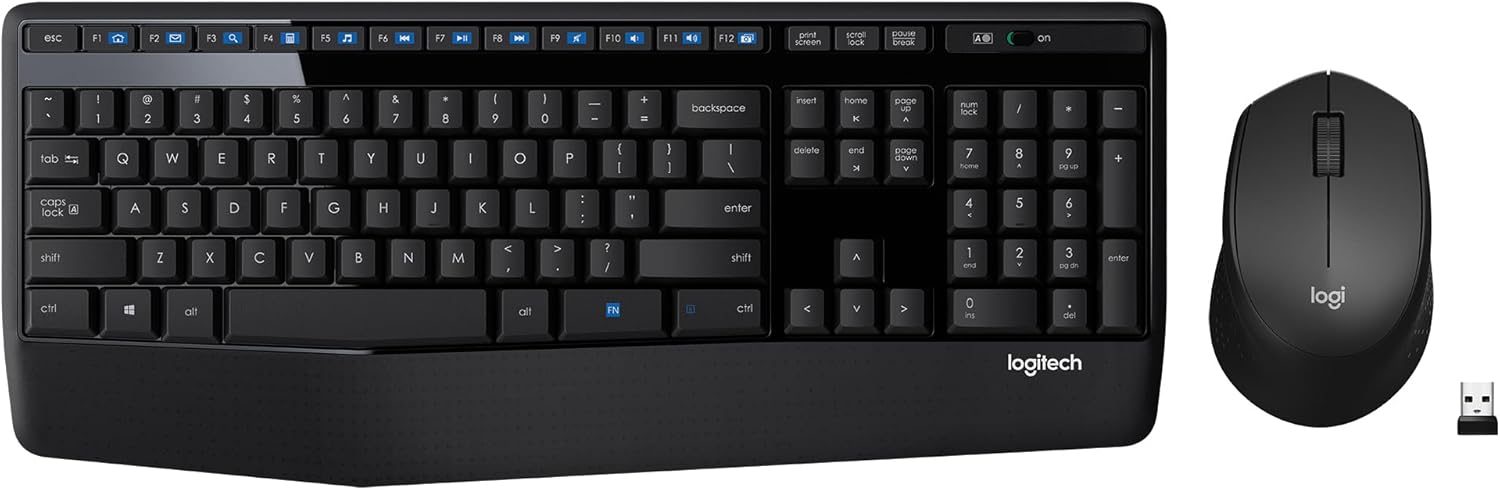
Best Wireless Keyboard and Mouse Combo
Logitech Comfortable Full-Size Keyboard with Palm Rest. Reliable 2.4GHz Wireless Connection up to 10m. Long Battery Life for Everyday Productivity.
Shop on Amazon
Key Takeaways
- A button on laptop keyboard not working is often fixable in minutes using software checks, driver updates, or simple compressed air cleaning before considering hardware replacement.
- Test the problematic key on Windows’ on-screen keyboard and an external USB keyboard to quickly determine whether the issue is software, driver-related, or a physical hardware problem.
- Most dead keys result from debris buildup, corrupted keyboard drivers, or accidentally enabled accessibility settings like Filter Keys—all of which can be resolved without professional repair.
- Clean the affected keycap with compressed air at a 45-degree angle or carefully remove it with a plastic tool and use isopropyl alcohol on the exposed switch mechanism.
- If software fixes and physical cleaning don’t work, keyboard damage accounts for 18% of laptop hardware failures, requiring professional repair or replacement keycaps from online retailers ($8–$300 depending on the solution).
Common Causes of Individual Key Failures
Physical Damage and Debris Buildup
Dust, crumbs, pet hair, and sticky spills are the most frequent culprits behind unresponsive keys. When you eat at your desk or work in dusty environments, tiny particles can wedge themselves under the keycap or directly onto the rubber membrane or scissor mechanism underneath. Even a single grain of sand can block the switch from registering your keystroke.
Physical damage also happens more often than you’d think. Dropping your laptop, pressing too hard during a frustrated typing session, or accidentally catching a key while pulling it out of your bag can crack the plastic scissor clips or snap the rubber dome. If you recently spilled coffee or soda, liquid residue might have dried into a sticky film that prevents the key from fully depressing.
According to a 2025 laptop repair survey by SquareTrade, keyboard damage accounts for approximately 18% of all laptop hardware failures reported by users under three years of ownership. Most of those cases involved a single stuck or broken key rather than total keyboard failure.
Software and Driver Conflicts
Sometimes the hardware is perfectly fine, but Windows doesn’t recognize your keypress. Corrupted keyboard drivers, outdated firmware, or conflicts from a recent Windows Update can cause specific keys to stop responding. This is especially common after major system updates or if you’ve installed third-party keyboard customization software.
You might also see a yellow exclamation mark next to “Keyboards” in Device Manager, signaling a driver error. Rolling back the driver or updating it to the latest version from your laptop manufacturer’s support page often fixes the issue instantly.
Accidental Activation of Accessibility Features
Windows includes accessibility options like Filter Keys, Sticky Keys, and Toggle Keys that can make your keyboard behave strangely. Filter Keys, for example, ignores brief or repeated keystrokes, which can make it seem like certain keys aren’t working at all.
You might have triggered these features by accident, holding Shift for eight seconds activates Sticky Keys, and holding the right Shift for eight seconds turns on Filter Keys. It’s a frustrating trap for users who don’t know these shortcuts exist.
Power and Connection Issues
On some laptops, the keyboard connects to the motherboard via a ribbon cable. If that cable becomes loose due to a drop or manufacturing defect, you might lose one or more keys. Low battery or unstable power delivery can also cause intermittent key failures, especially on older devices.
If your external USB keyboard works fine but your built-in keyboard has dead keys, that’s a strong sign the internal connection is the problem, not Windows itself.
Step-By-Step Diagnostics for Laptop Key Issues
Testing with On-Screen Keyboard and External Devices
Start by opening Windows’ built-in on-screen keyboard. Press Win + Ctrl + O or search “on-screen keyboard” in the Start menu. Click the problematic key on the virtual layout. If it responds there, your physical key or its hardware mechanism is broken. If it doesn’t respond even on-screen, you’re dealing with a software or driver issue.
Next, plug in an external USB keyboard. If every key works fine on the external board, your laptop’s internal keyboard or its connection is the issue. This quick test saves hours of guesswork.
Using Built-In Keyboard Troubleshooter Tools
Windows 10 and 11 include a keyboard troubleshooter. Go to Settings > Update & Security > Troubleshoot > Additional troubleshooters > Keyboard, then click “Run the troubleshooter.” It usually takes under two minutes and automatically detects common driver conflicts or settings issues.
According to Microsoft’s official support documentation, the troubleshooter resolves about 30% of reported keyboard issues without any manual intervention.
Running a Keyboard Test in Windows
You can also use free online tools like keyboard-test-online.com to check every key individually. Open the site, press each key on your laptop, and watch the visual feedback. Any key that doesn’t light up on the tester is confirmed broken or stuck.
This method is especially helpful for tracking down multiple dead keys versus a single isolated failure.
Checking for Hardware Versus Software Problems
Reboot your laptop and enter the BIOS setup (usually by pressing F2, Delete, or Esc during startup). Try typing with the problematic key in the BIOS menu. If it works there, your hardware is fine, Windows is blocking the signal. If it still doesn’t work in BIOS, you’ve got a physical hardware problem that software fixes won’t solve.
Troubleshooting and Fixing Non-Responsive Keys
Cleaning and Inspecting Problematic Keys
Power down your laptop completely and unplug it. Grab a can of compressed air and hold it upright. Aim the nozzle at a 45-degree angle under the keycap and give it several short bursts. You’ll often see dust, crumbs, or hair fly out.

If that doesn’t work, you can carefully pop off the keycap. Use a flat plastic tool (like a guitar pick or spudger) to gently pry up one corner. Laptop keys use fragile scissor mechanisms, so go slow. Once the cap is off, clean the exposed switch with a cotton swab lightly dampened with isopropyl alcohol. Let it dry completely before snapping the keycap back on.
“My spacebar stopped working after I spilled iced coffee. I popped it off, cleaned the sticky residue with rubbing alcohol, and it’s been perfect for six months now.” via r/techsupport
Updating or Reinstalling Drivers
Open Device Manager by right-clicking the Start button and selecting it from the menu. Expand “Keyboards,” right-click your keyboard device (usually “Standard PS/2 Keyboard” or your laptop brand), and choose “Update driver.” Select “Search automatically for updated driver software.” Windows will download and install the latest version if available.
If that doesn’t help, try uninstalling the driver entirely. Right-click the keyboard device again and choose “Uninstall device.” Restart your laptop, Windows will reinstall the default driver automatically. This often clears out corrupted driver files.
Adjusting Advanced Keyboard Settings
Go to Settings > Ease of Access > Keyboard. Make sure “Use Filter Keys” is turned off. Also check “Use Sticky Keys” and “Use Toggle Keys”, disable them all unless you intentionally use them. These features can cause keys to stop responding or behave unpredictably.
You can also adjust the repeat delay and repeat rate. Open Control Panel > Keyboard, and move the sliders to see if that improves responsiveness.
Using Driver Easy or Similar Utilities
If manually updating drivers feels intimidating, try a tool like Driver Easy. It scans your system, identifies outdated or missing drivers, and updates them with one click. The free version works fine for most users, though the paid version offers faster downloads.
Just download it from the official Driver Easy site, run a scan, and let it handle the keyboard driver update. It’s especially helpful if you’re not sure which manufacturer’s site to visit for your specific laptop model.
When to Seek Professional Repair or Replacement
Signs of Hardware Failure
If you’ve tried every software fix, cleaned the key thoroughly, and it still won’t respond, even in BIOS, you’re looking at a broken scissor switch, damaged membrane, or loose ribbon cable. Visible cracks in the keycap, a key that wobbles excessively, or keys that work intermittently are all red flags.
According to iFixit’s 2026 repairability report, replacing a single keycap or scissor mechanism is possible on some laptop models, but many ultrabooks use glued or soldered keyboards that require replacing the entire top case assembly.
“I cracked the plastic clip under my ‘A’ key when I tried to force it back on. Ended up ordering a replacement key from eBay for $8 and it snapped right in.” via r/laptops
Options for Keyboard Replacement
You have three paths: buy individual replacement keycaps on eBay or Amazon (search your laptop model + “replacement key”), send your laptop to an authorized service center for a full keyboard replacement (usually $150–$300), or attempt a DIY keyboard swap if you’re comfortable with disassembly. YouTube has model-specific teardown guides, just search “[your laptop model] keyboard replacement.”
For a visual walkthrough, check out this helpful video:
Continuing with an External USB Keyboard
If repair costs are too high or you’re waiting for parts, grab a compact USB or Bluetooth keyboard. Models like the Logitech K380 or Anker Ultra-Compact are portable, affordable, and work instantly. You can keep using your laptop without losing productivity.

This is often the smartest short-term fix, especially if only one or two keys are dead and you can work around them with the on-screen keyboard for passwords.
Frequently Asked Questions
What are the most common causes of a button on laptop keyboard not working?
A single key failure is typically caused by dust and debris under the keycap, corrupted keyboard drivers, or accidentally enabled accessibility features like Filter Keys. Physical damage from spills or drops, and loose internal ribbon cables are also common culprits.
How do I fix a non-responsive laptop keyboard key using software?
Start by running Windows’ built-in keyboard troubleshooter (Settings > Troubleshoot > Keyboard), check Ease of Access settings to disable Filter Keys, and update or reinstall your keyboard drivers through Device Manager. These steps resolve about 30% of keyboard issues.
Can I clean a stuck laptop key myself without professional help?
Yes. Power down your laptop, use compressed air at a 45-degree angle under the keycap, or carefully pop off the key using a plastic tool and clean the switch with an isopropyl alcohol-dampened cotton swab. Let it dry completely before reattaching.
How can I tell if my laptop keyboard problem is hardware or software related?
Test the problematic key on Windows’ on-screen keyboard. If it works there, it’s a hardware issue. Also try the key in BIOS (press F2 during startup). If it works in BIOS but not Windows, the hardware is fine and software needs fixing.
What should I do if my laptop key won’t work even after cleaning and updating drivers?
If the key still fails in BIOS after all software fixes, you likely have a broken scissor switch or damaged membrane. Consider buying a replacement keycap ($5–$15), using an external USB keyboard as a workaround, or sending it to an authorized service center.
How much does it cost to replace a broken laptop keyboard key?
Individual replacement keycaps cost $5–$15 on eBay or Amazon, while professional keyboard replacement through a service center ranges from $150–$300 depending on your laptop model and whether the entire keyboard assembly needs replacing.
Read More:
- ASUS Keyboard Locked (Here’s the Quick and Simple DIY Fixes to Follow)
- Numbers on Keyboard Not Working? Here’s the 7 Proven Fixes
- Razer Keyboard Keys Not Working (Pro Fixes for Synapse and Switch Failures)
- Laptop Keyboard Not Working (Complete Fix Guide for All Brands)
- Letters Keyboard Not Working? 7 Proven Fixes to Get You Typing Again