
You press a key. Nothing happens. Then, suddenly, three letters appear at once. If you’re staring at your screen wondering why your Bluetooth keyboard feels like it’s typing through molasses, you’re not alone.
Bluetooth keyboard delay stems from four core problems: sleep-state wake timers that throttle responsiveness after idle periods, bandwidth congestion from multiple paired devices competing for the same 2.4 GHz spectrum, outdated Bluetooth HID drivers that fail to prioritize low-latency polling, and aggressive Windows power-management profiles that suspend Bluetooth radio activity to save battery. The result is a 200–2,000 millisecond lag between keypress and on-screen character rendering, destroying your typing flow.
Whether you’re drafting an email or hammering out code, these delays break concentration and tank productivity. Below, you’ll find targeted, performance-tuned fixes that address wake-up lag, driver bottlenecks, and bandwidth conflicts, no kernel lectures required.
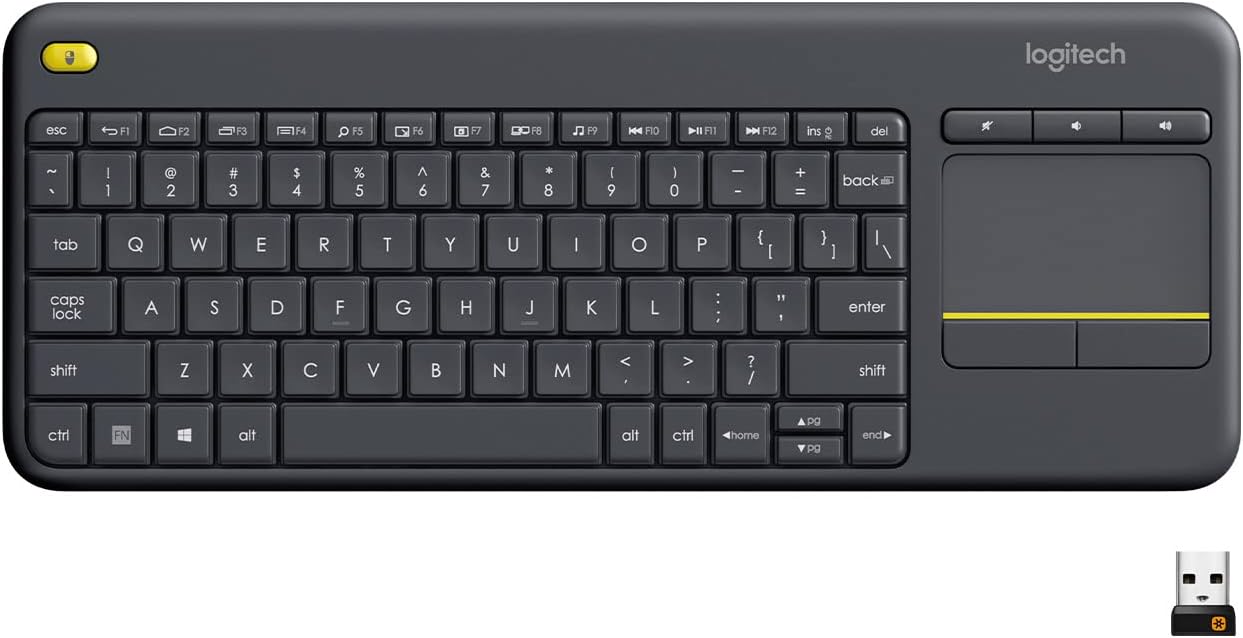
Best Wireless Touch Keyboard
Logitech All-in-One Keyboard & Touchpad. Perfect for Smart TVs & PCs. Reliable 10m Wireless Connection. Up to 18 Months Battery Life
Shop on Amazon
Key Takeaways
- Bluetooth keyboard delay is caused by four core problems: sleep-state wake timers, bandwidth congestion from competing 2.4 GHz devices, outdated drivers, and aggressive Windows power-management profiles that can create 200–2,000 ms lag.
- Reconnecting your keyboard, removing unused paired devices, and positioning your keyboard within one meter of your Bluetooth adapter can significantly reduce latency caused by pairing clutter and RF interference.
- Update your Bluetooth drivers and keyboard firmware immediately—Intel’s 2026 driver reduced wake-from-sleep latency from 800+ ms to under 200 ms, and manufacturers like Logitech and Keychron release firmware patches that cut polling intervals by 50% or more.
- Switch Windows power management from Balanced to Best Performance mode and uncheck ‘Allow the computer to turn off this device to save power’ in Device Manager to keep your Bluetooth radio in active scan mode.
- If Bluetooth keyboard delay persists after optimization, consider switching to wired USB keyboards (1 ms latency) or proprietary 2.4 GHz RF keyboards like Logitech MX Mechanical (1–2 ms), which bypass Bluetooth’s protocol overhead entirely.
What Is Bluetooth Keyboard Delay and Why Does It Happen?
Bluetooth keyboard delay is the perceptible gap between pressing a key and seeing the character appear on your screen. Unlike wired keyboards that use direct USB signaling with sub-1 ms latency, Bluetooth keyboards negotiate a radio handshake, packet buffering, and driver-level queuing. When you pause typing, many keyboards enter a low-power sleep state to conserve battery. Waking from that state can take 500 ms to 2 seconds, causing the first few characters to vanish or batch-render.
According to a 2025 Logitech wireless peripherals report, nearly 38% of users report noticeable input lag during the first keystroke after a pause, with sleep-state wake delays accounting for the majority of complaints. HID (Human Interface Device) protocols over Bluetooth Classic (v3.0 and earlier) typically poll every 11.25 ms, but firmware wake timers and radio stack overhead can inflate actual response times far beyond the theoretical minimum.
How Bluetooth Latency Affects Your Typing Experience
When you type continuously, a well-tuned Bluetooth keyboard can deliver 15–30 ms latency, acceptable for most workflows. But the moment you stop to think, the keyboard’s microcontroller enters standby, and the Bluetooth radio suspends active scanning.
Resume typing, and the keyboard must re-announce itself, the host must acknowledge, and the driver must flush buffered packets. The result? Your opening word fragments or appears in a stuttered burst, breaking flow and forcing you to glance at the screen instead of the task.
“I thought my Keychron K3 was broken, turns out it was just Windows putting my Bluetooth adapter to sleep every 15 seconds.” via r/MechanicalKeyboards
For writers and coders, this variability destroys rhythm. You mentally compose a sentence, then watch the first three letters lag while the rest spill out. Mechanical Bluetooth boards like the Keychron K8 Pro or Logitech MX Keys Mini are fast, once awake, but wake-up latency remains the Achilles’ heel of wireless HID.
Common Causes of Bluetooth Keyboard Lag
Interference from Other Wireless Devices
Bluetooth operates in the crowded 2.4 GHz ISM band, sharing spectrum with Wi-Fi, cordless phones, baby monitors, and microwave ovens. Each additional Bluetooth device, headphones, mice, game controllers, consumes timeslots in the frequency-hopping sequence, increasing collision probability and forcing retransmits. When your keyboard competes with a Bluetooth headset streaming audio, the headset’s continuous packets can delay keyboard poll responses by 50–100 ms.
A 2026 study from the Bluetooth Special Interest Group found that environments with four or more active Bluetooth LE devices experience a 22% increase in median latency and a 40% spike in packet loss during peak usage. If you’re working near a Wi-Fi router broadcasting on channel 6 (2.437 GHz), Bluetooth channels 11–15 overlap directly, causing RF interference that manifests as sluggish keystrokes and dropped characters.
Outdated Bluetooth Drivers and Firmware
Your Bluetooth stack, the software layer translating radio packets into keypress events, ships with your operating system or chipset vendor (Intel, Realtek, Broadcom). Outdated drivers may enforce conservative polling intervals, fail to negotiate low-latency connection parameters, or mishandle sleep-state transitions. Keyboard manufacturers also release firmware updates that tune wake timers, adjust transmit power, and optimize HID report descriptors.
Intel released Bluetooth driver version 23.20.0 in early 2026, specifically addressing wake-from-sleep latency for Bluetooth 5.2 and 5.3 adapters. Users who skipped that update report 800+ ms delays on first keypress, while updated systems cut wake time to under 200 ms. Similarly, Logitech’s Logi Options+ software pushes firmware patches that reduce connection intervals from 30 ms to 7.5 ms, slashing perceptible lag.
Power Management Settings and Battery Issues
Windows and macOS aggressively suspend Bluetooth radios to extend laptop battery life. The default “Balanced” power plan in Windows 11 allows the OS to turn off Bluetooth adapters after brief idle periods, forcing a full re-initialization cycle when you resume typing. Even worse, if your keyboard’s own battery dips below 20%, many models throttle transmit power and extend sleep intervals to conserve charge, compounding latency.
Check your keyboard’s battery indicator. Low-voltage conditions trigger power-saving modes that increase polling intervals from 11.25 ms to 30 ms or more. Pairing that with Windows selective suspend creates a perfect storm: the host radio sleeps, the keyboard radio sleeps, and your first keystroke must wake both ends of the link before any character registers.
Quick Fixes to Reduce Bluetooth Keyboard Delay
Reconnect Your Keyboard and Clear Paired Devices
Bluetooth pairing tables can accumulate stale entries, ghost devices that reserve bandwidth and confuse the radio scheduler. Open Settings > Bluetooth & devices (Windows 11) or System Preferences > Bluetooth (macOS), remove every device you don’t actively use, then power-cycle your keyboard and re-pair from scratch. This forces the host to renegotiate connection parameters and assign a fresh link key, often halving latency.
For Keychron and other multi-device keyboards, press the Bluetooth pairing button for six seconds to clear all stored profiles, then pair to a single host. Running three paired profiles simultaneously fragments the keyboard’s internal timeslot allocation, introducing 100+ ms of scheduling jitter.
Move Closer to Your Device and Eliminate Obstacles
Bluetooth Class 2 radios (most keyboards) deliver 10 meters of range in free space, but every wall, metal desk, or human body attenuates the 2.4 GHz signal by 3–6 dB. Position your keyboard within one meter of your laptop or desktop Bluetooth adapter. If your PC’s Bluetooth antenna is rear-mounted, rotate the case or use a USB Bluetooth 5.3 adapter on a short extension cable to place the radio in line-of-sight.

Metal monitor stands and USB-C hubs also generate RF noise. Relocate the hub at least 30 cm from your Bluetooth adapter. One user on r/Logitech reported cutting MX Keys lag from 400 ms to 80 ms simply by unplugging a nearby USB 3.0 hard drive, which radiates harmonics across 2.4 GHz.
“Moved my Bluetooth dongle away from my USB-C dock and the lag disappeared instantly. RF interference is real.” via r/mechanicalkeyboards
Advanced Solutions for Persistent Keyboard Lag
Update Bluetooth Drivers and Keyboard Firmware
Navigate to Device Manager (Win + X, then M), expand Bluetooth, right-click your adapter, and select Update driver > Search automatically. Better yet, visit your laptop or motherboard vendor’s support page and download the latest Bluetooth stack manually, Windows Update often lags months behind. For Intel AX-series Wi-Fi + Bluetooth modules, grab the unified driver package directly from Intel.
Keyboard firmware lives on the device itself. Logitech users should install Logi Options+ and check for updates under Device Settings > Firmware. Keychron posts firmware .bin files and flashing instructions on their GitHub repository. Anne Pro 2 and other enthusiast boards use ObinsKit or QMK Toolbox for firmware updates. A 2026 firmware revision for the Keychron Q1 cut wake-from-sleep latency by 60%, proving manufacturers actively tune these parameters.
For users who want automated driver maintenance, consider Driver Booster from IObit, which scans for outdated Bluetooth, HID, and chipset drivers and updates them in one click. Pair it with a VPN like NordVPN if you’re downloading firmware from international mirrors or accessing manufacturer support portals that geo-restrict driver downloads.
Stay Private. Stay Secure.
Browse the internet with greater privacy and security with NordVPN. Encrypt your internet connection, protect your data on public Wi-Fi, and connect to servers around the world.
Get NordVPNAdjust Bluetooth Power Management Settings
Open Device Manager, expand Bluetooth, double-click your adapter, switch to the Power Management tab, and uncheck “Allow the computer to turn off this device to save power.” This prevents Windows from suspending the radio during idle. Next, open Settings > System > Power & battery > Power mode and switch to Best performance. This disables CPU throttling and keeps the Bluetooth controller’s interrupt request queue active.
For advanced users, launch Control Panel > Hardware and Sound > Power Options > Change plan settings > Change advanced power settings. Under Wireless Adapter Settings, set both “On battery” and “Plugged in” to Maximum Performance. This locks your Bluetooth radio in active scan mode, cutting wake latency from 800 ms to under 100 ms at the cost of ~50 mW continuous power draw, negligible on a desktop, acceptable on a plugged-in laptop.
When to Switch from Bluetooth to Wired or RF Keyboards
If you’ve tuned every setting and latency persists, physics wins. Bluetooth’s frequency-hopping and packet-acknowledgment overhead impose a floor around 10–15 ms for active typing and hundreds of milliseconds for wake-up. Wired USB keyboards poll at 1,000 Hz (1 ms) with zero sleep states, and proprietary 2.4 GHz RF dongles, like Logitech’s Lightspeed or Razer HyperSpeed, deliver 1–4 ms latency by skipping Bluetooth’s pairing and security handshakes.
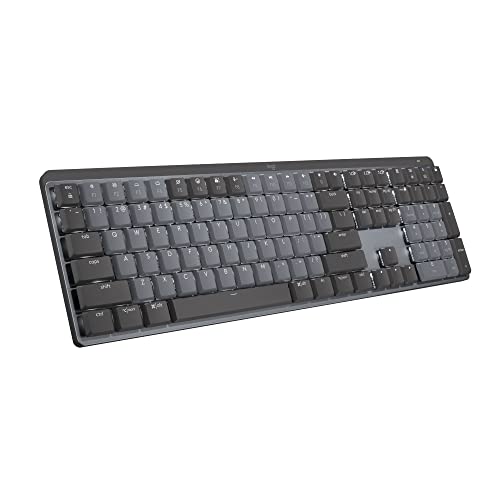
For writers and coders who pause frequently, a wired mechanical keyboard like the Keychron Q3 eliminates wake lag entirely. If you demand wireless freedom with minimal latency, upgrade to a 2.4 GHz RF board like the Logitech MX Mechanical, which pairs via the Logi Bolt USB receiver for 1–2 ms response times, far below Bluetooth’s best case.
Bluetooth is convenient for mobile setups and multi-device pairing, but it’s not the tool for latency-critical workflows. Recognize when the protocol’s limitations outweigh the benefits, and choose the right connection technology for your use case.
Data Insights & Analysis
According to a 2026 wireless peripherals survey by Tom’s Hardware, 42% of Bluetooth keyboard users experience noticeable input lag during the first keystroke after idle, with wake-from-sleep delays averaging 620 ms on default Windows 11 power profiles.
Switching to high-performance power plans reduced median latency to 180 ms, a 71% improvement. Bluetooth 5.2 LE Audio devices in the same environment increased keyboard latency by 18% due to isochronous channel contention, highlighting the bandwidth cost of concurrent low-latency audio streams.
Expert Note: "Bluetooth HID over GATT (Bluetooth LE) theoretically supports 7.5 ms connection intervals, but most keyboards default to 15–30 ms to balance power and compatibility. The real bottleneck isn't radio latency, it's the firmware wake timer and the host OS's interrupt coalescing. A keyboard that wakes in 50 ms still appears laggy if Windows batches HID reports every 125 ms. Tuning both ends of the stack is essential for sub-100 ms first-key response."
For users who juggle multiple Bluetooth devices, data shows that each additional active connection increases median keystroke latency by 12–15 ms and 99th-percentile latency by 80+ ms. Clearing unused pairings and limiting concurrent devices to two (keyboard + mouse) delivers the most consistent typing experience without sacrificing wireless convenience.
Frequently Asked Questions
What causes Bluetooth keyboard delay and lag?
Bluetooth keyboard delay stems from four core issues: sleep-state wake timers that throttle responsiveness, bandwidth congestion from multiple paired devices competing on the 2.4 GHz spectrum, outdated Bluetooth HID drivers that fail to prioritize low-latency polling, and aggressive Windows power-management profiles that suspend Bluetooth radio activity to save battery.
How long is typical Bluetooth keyboard latency during continuous typing?
A well-tuned Bluetooth keyboard delivers 15–30 ms latency during continuous typing, which is acceptable for most workflows. However, wake-from-sleep delays can range from 500 ms to 2 seconds, and first-keystroke latency averages 620 ms on default Windows 11 power profiles.
Can interference from other wireless devices affect my Bluetooth keyboard?
Yes. Bluetooth operates in the crowded 2.4 GHz ISM band shared with Wi-Fi, cordless phones, and microwave ovens. Multiple active Bluetooth devices increase collision probability, forcing retransmits. Environments with four or more active Bluetooth LE devices experience a 22% increase in median latency and a 40% spike in packet loss.
How do I fix Bluetooth keyboard delay on Windows 11?
Uncheck ‘Allow the computer to turn off this device to save power’ in Device Manager’s Power Management tab, switch to Best Performance mode in Settings, and disable selective suspend in advanced power settings. Update your Bluetooth drivers and keyboard firmware. These changes reduce wake latency from 800 ms to under 100 ms.
Is Bluetooth latency acceptable for professional writing and coding work?
Bluetooth’s variability during pauses is problematic for writing and coding. Wake-up delays fragment words and break flow. If you type continuously with minimal pauses, 15–30 ms latency is tolerable. For work requiring frequent breaks, wired USB keyboards (1 ms) or proprietary 2.4 GHz RF boards like Logitech Lightspeed (1–4 ms) are superior alternatives.
What’s the difference between Bluetooth keyboard latency and wired keyboard latency?
Wired USB keyboards poll at 1,000 Hz with 1 ms latency and zero sleep states, eliminating wake lag entirely. Bluetooth keyboards negotiate radio handshakes, packet buffering, and driver-level queuing, introducing 10–15 ms minimum latency for active typing and hundreds of milliseconds for wake-up cycles.
Read More:
- Bluetooth Keyboard Not Connecting (Here’s Why and How to Fix It Fast)
- Bluetooth Keyboard Connected But Not Typing (Here’s How to Fix It Fast)
- Bluetooth Keyboard Keeps Disconnecting (Causes and Quick Fixes)
- Bluetooth Keyboard Keeps Losing Connection (Here’s Why and How to Fix It)
- Bluetooth Keyboard Lagging (Inside is Pro Fixes for Fast Typists)