
Last updated on March 28th, 2026 at 12:21 pm
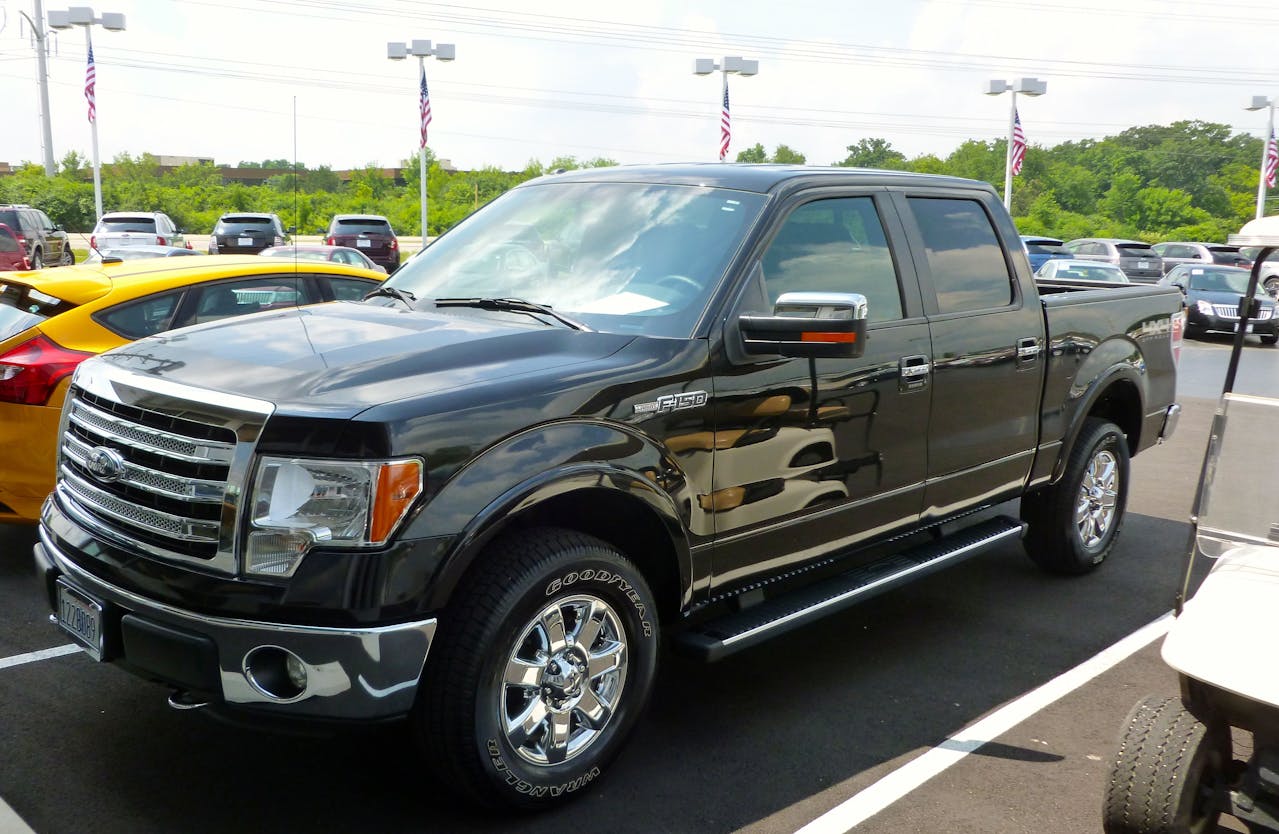
If your Ford F150 gear shift is not working, the issue often stems from a few common causes such as low transmission fluid, faulty shift solenoids, or problems with the shift linkage or transmission control module. The key to resolving the problem is diagnosing these components promptly to restore proper gear shifting and avoid further damage.
You might notice symptoms like difficulty moving the gear shift lever, delayed or unexpected gear changes, or warning messages like “Shift System Fault.” Addressing these symptoms early can save you from costly repairs and keep your truck running smoothly.
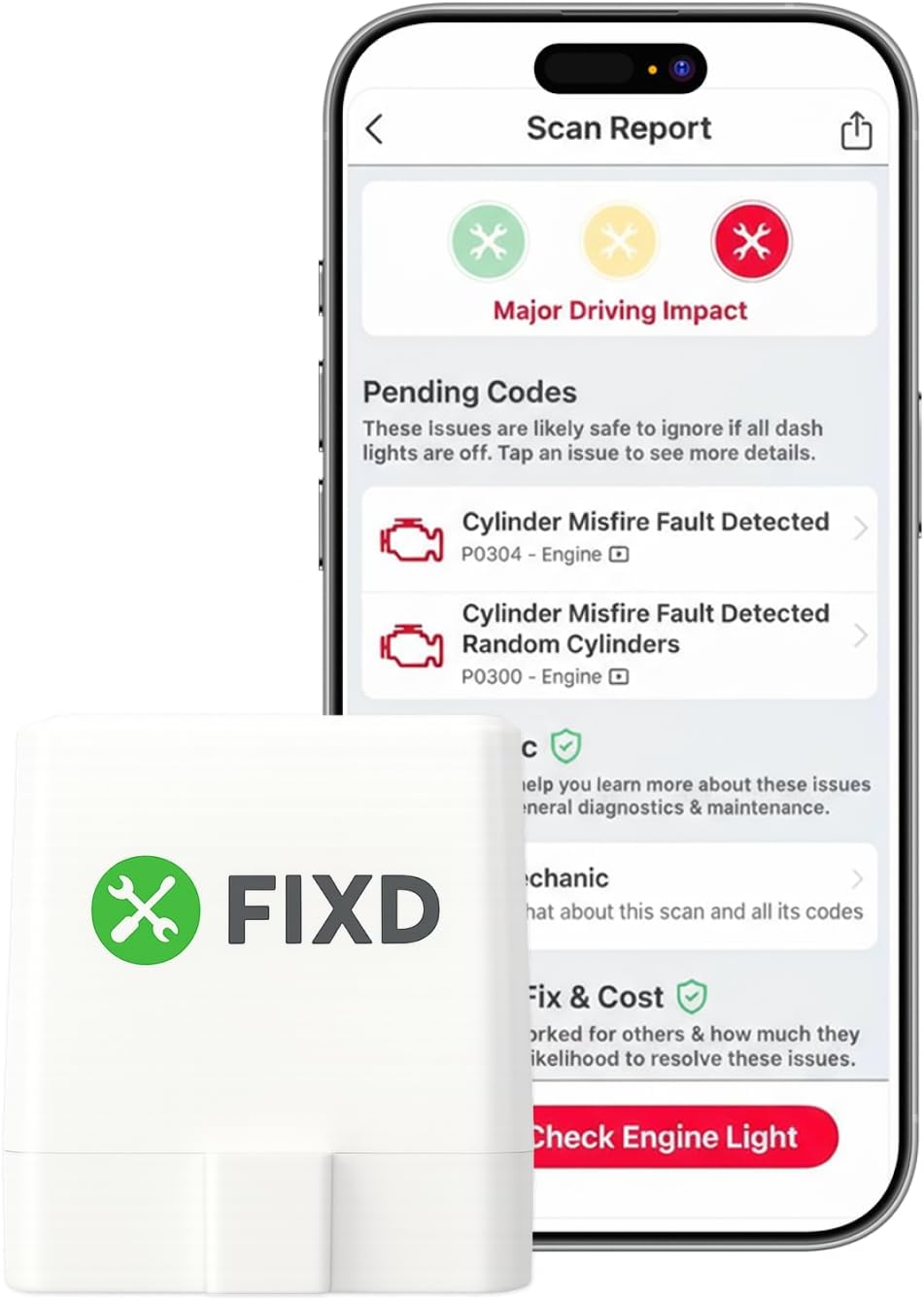
Best Bluetooth OBD2 Scanner
Detect 39,000+ Issues With Enhanced Codes. Save $1000s on car repairs & buying used vehicles by diagnosing problems yourself.
Shop on AmazonUnderstanding the basic causes of gear shift failure and how to inspect key parts like fluid levels or sensors gives you a solid foundation for troubleshooting. This guide will help you identify potential problems and suggest practical repair steps to get your Ford F150 shifting properly again. For more detailed fixes and technical advice, visit this detailed post on Ford F150 not shifting properly.

Understanding Ford F150 Gear Shift Problems
Issues with the gear shift in your Ford F150 can range from simple mechanical glitches to complex electronic failures. Knowing what symptoms to look for, the differences between shifter types, and how these problems affect safety will help you address the issue effectively.
Common Symptoms of Gear Shift Failure
You might notice your gear shifter feeling stiff or unresponsive. Difficulty moving the shifter, inability to select certain gears, or a complete failure to shift into park or drive are clear signs of problems. Sometimes, you may see warning messages like “Shift System Fault” on your dashboard.
Other symptoms include unexpected or delayed gear shifts, unusual noises during shifting, or the shifter lever getting stuck. These often indicate issues with components such as transmission fluid level, shift solenoids, or the shift linkage. Regularly inspecting these parts can help spot problems early.
Differences Between Folding and Conventional Shifters
Your Ford F150 may have either a folding gear shifter or a conventional one. A folding shifter folds down into the console when not in use, offering more cabin space. However, folding shifters can develop issues like failing to rise or engage properly, often due to mechanical binding or sensor failures.
Conventional shifters are simpler, typically a fixed lever. Problems with them usually involve linkage wear, cable damage, or electrical faults in automatic models. Folding shifters may require more specialized diagnostics because of their unique design. Understanding which type your truck has can guide your troubleshooting approach.
Impact of Gear Shift Issues on Vehicle Safety
Gear shift failure directly affects your control over the vehicle. If you can’t shift into park, the truck might roll away, posing a safety risk. Inability to shift into drive or reverse can leave you stranded or cause dangerous situations in traffic.
Unexpected shifting can startle you and impact your ability to drive smoothly, increasing accident risk. It is critical to address any gear shift problems swiftly. Faulty gear shifters also interfere with proper parking brake engagement and can prevent the ignition from locking, compromising overall security. For these reasons, any persistent issue should be inspected and repaired without delay.
Top Causes of Gear Shift Malfunctions
Gear shift malfunctions in your Ford F150 often stem from issues related to fluid quality, electronic components, or control systems. Understanding these causes helps you identify the problem quickly and take the appropriate steps to fix it.
Transmission Fluid and Contamination
Your transmission fluid is vital to smooth gear engagement and proper lubrication. If the fluid level is low or the fluid is old, dirty, or burnt, your truck might hesitate when shifting or fail to shift at all.
Contaminated fluid can cause internal wear and damage. You should regularly check the fluid color, level, and smell. Fluid that looks dark or smells burnt indicates it needs to be replaced or flushed. Keeping the transmission fluid within specifications helps prevent shifting delays and potential damage over time.
Faulty Shift Solenoids
Shift solenoids control the flow of transmission fluid and directly affect gear changes. When a solenoid malfunctions, you may experience slipping, rough shifts, or the inability to shift gears.
Symptoms caused by faulty solenoids include sudden or unexpected gear shifts and rough engagement. These solenoids can fail due to electrical issues, wear, or contamination. Diagnosing solenoid faults usually requires scanning for trouble codes and may necessitate testing with specialized tools before replacement.
Malfunctioning Transmission Control Module (TCM)
The Transmission Control Module (TCM) manages gear shifting by processing signals from sensors and controlling solenoids. If the TCM malfunctions, your F150 can experience irregular shifts or fail to shift.
Faulty TCMs often trigger diagnostic trouble codes and warning lights. Causes for TCM failure include software glitches, damaged wiring, or internal electronic faults. Repair options range from reprogramming to module replacement, usually requiring professional diagnosis for accurate assessment.
Electrical and Battery Issues
Your transmission system relies on stable electrical power to operate components properly. Weak batteries or poor electrical connections can disrupt signals to the shift solenoids and TCM.
Corroded terminals, loose wiring, or failing batteries can lead to intermittent or complete loss of gear shifting functionality. Checking the battery health and inspecting the wiring harness and connectors often reveals issues that impede the shift mechanism’s operation. Address these promptly to maintain reliable gear engagement.

How to Diagnose and Fix Gear Shift Issues
You need to address both mechanical and electronic components when diagnosing gear shift problems. Start with fluid levels and the physical condition of the shifter before moving on to electrical parts like shift solenoids and the transmission control module (TCM). Proper diagnosis involves systematic checks to pinpoint the exact issue.
Checking and Replacing Transmission Fluid
Transmission fluid is critical for smooth gear shifting. Begin by checking the fluid level with the engine warm and the vehicle on a level surface. Low or dirty fluid can cause improper shifts or slipping.
If the fluid is dark, burnt-smelling, or contains debris, replace it immediately. Use the fluid type specified by Ford for your F150 model to avoid damage. A transmission flush may be necessary if the fluid is severely contaminated. Regular fluid checks can prevent many shifting issues and protect your transmission.
Inspecting the Gear Shifter Assembly
A malfunctioning gear shifter or its cable can cause shifting failure. Inspect the shifter for physical damage or looseness.
Check that the shifter moves smoothly without sticking or unusual resistance. You may need to remove panels to access and evaluate the shifter cable for signs of wear, stretching, or disconnection.

Replacing a faulty shifter assembly can restore normal operation but avoid assuming it’s the problem without checking transmission fluid and electronic components first.
Testing Shift Solenoids and TCM
Shift solenoids control the flow of transmission fluid and gear changes, regulated by the transmission control module (TCM). When your F150 won’t shift, a malfunction in either part could be the cause.
You can test solenoids with a multimeter to check their electrical resistance. Faulty solenoids often trigger error codes.
The TCM can have software glitches or hardware failures. A diagnostic scan tool can reveal transmission-related codes and help determine if the TCM requires reprogramming or replacement. This step usually requires specialized equipment and expertise.
When to Seek Professional Help
If fluid replacement, shifter inspection, and basic solenoid tests don’t resolve the issue, it’s time to consult a professional.
Transmission problems can be complex and involve expensive repairs. Certified technicians have the tools to conduct detailed diagnostics, including software updates and advanced component testing.
Additionally, some repairs—like TCM replacement or transmission rebuilds—require expert skills. If your truck is under warranty, contact the dealer to avoid unnecessary costs.
Preventative Maintenance and Long-Term Care
Keeping your Ford F150’s gear shift working properly requires attention to the transmission system and its components. Regular checks and timely updates are essential to avoid shifting problems. Proper care of both hardware and software helps maintain smooth operation and extends the life of your transmission.
Routine Transmission Inspections
You should inspect your transmission fluid at regular intervals, ideally every 30,000 miles or as recommended in your owner’s manual. Check the fluid level and color—healthy fluid is typically bright red and clear.
Low or dirty transmission fluid can cause your gear shifter to feel sluggish or unresponsive. Look for leaks around seals and transmission casing. Visual inspection of the gear shifter mechanisms and linkage is also vital to detect wear or damage early.
Using a checklist can help:
- Transmission fluid level and condition
- Signs of leaks or contamination
- Gear shifter linkage tightness and alignment
Promptly addressing any abnormalities can prevent costly repairs to your transmission or gear shifter.
Software Updates and Recall Checks
Your truck’s transmission uses a control module that relies on software to manage shifting operations. Manufacturers occasionally release firmware updates to fix bugs or improve performance. You can check for these updates through your dealer or Ford’s official service channels.
Failing to install updates can cause your transmission to shift improperly or trigger warning signs. Additionally, stay informed about recalls which can include transmission or gear shifter-related components.
Keeping your vehicle’s software current ensures optimal gear shift response and reduces the risk of mechanical or electrical malfunctions that affect shifting.
Best Practices for Shifter Maintenance
You must handle your gear shifter with care to avoid unnecessary wear. Always come to a complete stop before shifting between gears, especially from reverse to drive.
Keep the shift linkage clean and free of debris. If your F150 has a shift cable, check it periodically for fraying or corrosion. Lubricate pivot points if recommended by the manufacturer.
Avoid forcing the shifter if it feels stuck or stiff. Persistent resistance may indicate linkage adjustment is needed or internal transmission issues. Early professional inspection can stop potential damage to the gear shifter or internal transmission parts.
Consistent adherence to these practices supports long-term gear shift reliability.
Sources:
- YouTube – Ford F-150 Shifter Fuse Location & Stuck in Park Fix
- JD Power – Why Is My Gear Shift Stuck in Park? Guide
Read More:
- Ford F150 GPS Not Working (Effective Troubleshooting)
- Ford F150 Fuel Pump Not Working (Causes and Solutions)
- Ford F150 Horn Not Working (Causes and Solutions)