
Last updated on April 5th, 2026 at 08:21 am
Choosing between Samsung and TCL for your next TV can feel overwhelming given the options and features available.
Samsung generally offers better overall performance, more advanced smart features, and superior build quality, making it the preferred choice for most users.
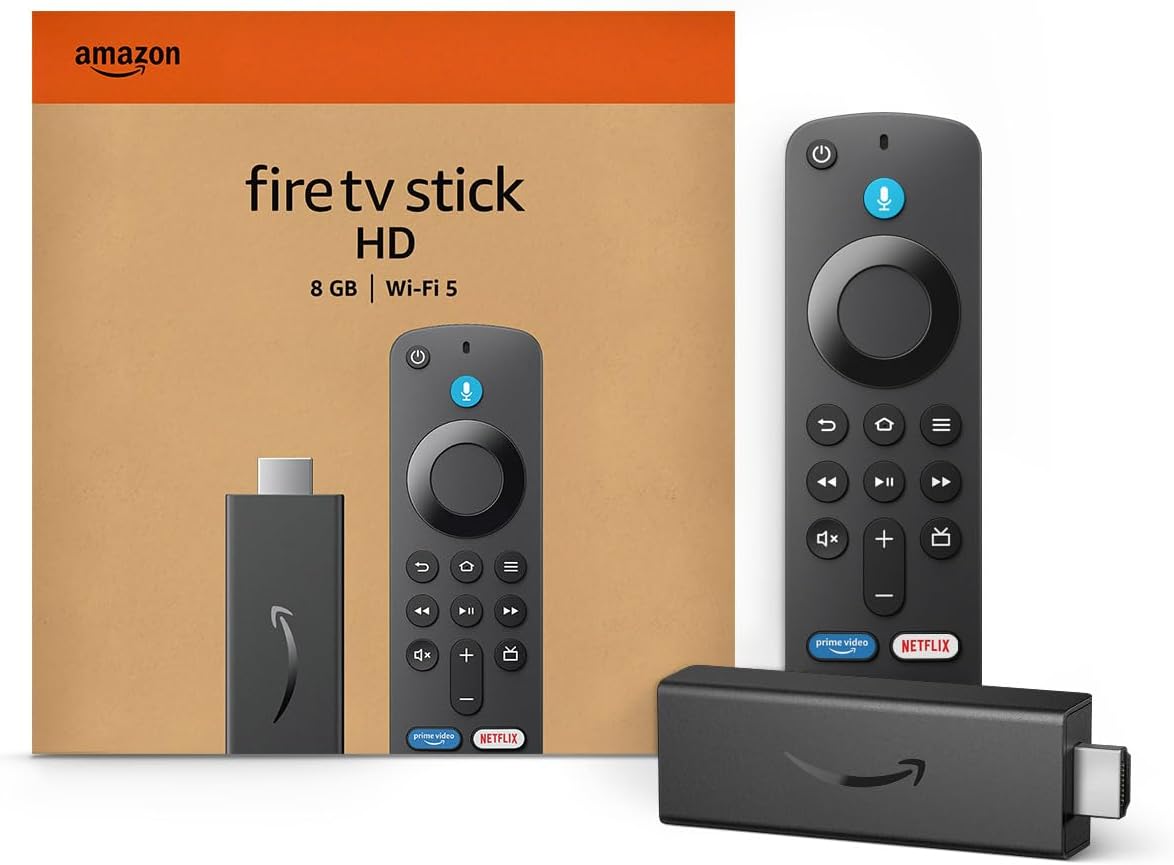
Amazon Fire TV Stick HD
Turn Any TV to a Smart TV. Stream Netflix, Prime Video & More. Alexa Voice Remote Included. Easy Plug & Play Setup.
Shop on AmazonHowever, TCL competes strongly by providing more affordable models with impressive picture quality, especially in the mid-range and budget categories.
If you are budget-conscious but still want a reliable smart TV with solid 4K performance, TCL may meet your needs without breaking the bank.
On the other hand, if you prioritize smoother interfaces, improved voice control, and enhanced HDR capabilities, you’ll likely appreciate Samsung’s more refined offerings.
Understanding the differences in design, picture quality, operating systems, and connectivity options will help you decide which brand fits your viewing habits and budget best.
This guide breaks down those details so you can make a clear, informed decision.
For more comparisons, visit TCL vs Samsung Televisions 2025: Which Televisions Brand is Best.

Key Differences Between Samsung and TCL TVs
Choosing between Samsung and TCL means weighing factors such as brand reputation, display technology, and price.
These elements directly impact your viewing experience, durability, and budget considerations.
Understanding the nuances will help you align your choice with your priorities.
Brand Positioning and Reputation
Samsung has a long-established global reputation as a premium electronics manufacturer.
Known for innovation and reliability, Samsung TVs often lead in design and advanced features.
Their brand is associated with cutting-edge technology and polished aesthetics, which influence their positioning as a premium choice.
TCL is positioned as a value-driven brand, delivering competitive performance at more affordable price points.
While it lacks Samsung’s premium reputation, TCL has gained recognition for steadily improving quality and offering solid mid-range and budget TVs.
You’ll find TCL TVs appealing if budget-conscious but still wanting impressive features.
If brand prestige and proven innovation matter most to you, Samsung stands out.
For those who want the absolute best in brightness and smart integration, the Samsung QN90D Neo QLED is the gold standard. It features the advanced Mini-LED backlighting and AI-upscaling we discussed, making it the perfect choice for a premium home theater setup.

For practicality and value, TCL presents a compelling offering geared toward everyday users seeking good performance without premium pricing.
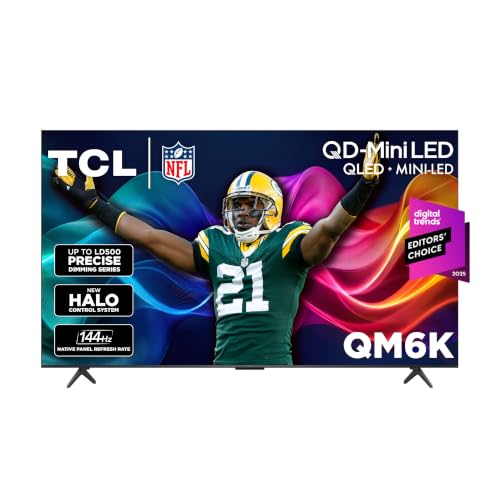
If you’re looking to maximize your budget without sacrificing flagship specs, the TCL QM6K Mini-LED TV offers a staggering peak brightness and deep blacks that rival much more expensive competitors. It’s the ultimate ‘value-king’ for high-end HDR gaming and movies.
Display Technologies: QLED, Mini-LED, and Neo QLED
Samsung primarily uses QLED and Neo QLED technologies in its TVs.
QLED employs Quantum Dot technology, enhancing color accuracy and brightness for vivid images.
Neo QLED is Samsung’s recent step up, featuring mini-LED backlighting that offers superior contrast and improved black levels through more precise dimming zones.
TCL leverages Mini-LED technology mainly in its higher-end models like the 6-Series.
This allows TCL to deliver deep blacks and high brightness at a lower price point compared to Samsung’s Neo QLED.
While Samsung’s Neo QLED offers finer control and generally superior picture performance, TCL’s mini-LED TVs provide excellent value for mid-range buyers.
Both brands offer 4K resolution, with Samsung providing more 8K options.
If picture quality with advanced lighting control matters most, Samsung’s Neo QLED leads.
If you want strong performance without premium costs, TCL’s Mini-LED models are worth considering.
Price and Value Proposition
Samsung TVs typically come at a premium price due to advanced technologies, materials, and brand cachet.
You’ll pay more for features like Neo QLED, superior upscaling, and enhanced smart capabilities.
Those who prioritize cutting-edge picture quality and build often find Samsung worth the investment.
TCL focuses on affordability and value.
Its lineup spans budget to mid-range, offering many models with competitive smart platforms like Roku TV and Google TV.
You get strong picture quality and solid feature sets without paying the premium associated with Samsung.
Here’s a quick comparison:
| Category | Samsung TV | TCL TV |
|---|---|---|
| Price Range | Mid to high-end | Budget to mid-range |
| Premium Features | Neo QLED, advanced upscaling | Mini-LED tech on select models |
| Smart TV Platforms | Tizen OS | Roku TV, Google TV |
| Target Audience | Enthusiasts, premium buyers | Budget-conscious, casual users |
Your choice depends on whether you want to prioritize cutting-edge tech and premium support or maximize value while still getting solid performance.
For more on how these factors compare, you can explore TCL vs Samsung TVs.
Picture Quality and Performance
When choosing between Samsung and TCL TVs, picture quality hinges on their ability to deliver brightness, contrast, accurate colors, and effective HDR.
Their picture processing technologies and handling of different content resolutions also significantly influence your viewing experience.
Brightness and Contrast
Samsung’s flagship Neo QLED models utilize Mini-LED backlighting combined with local dimming to achieve exceptional peak brightness and deep contrast levels.
This technology allows you to enjoy vivid highlights in HDR content without sacrificing detail in darker scenes.
TCL’s QM8 series also employs Mini-LED with local dimming, providing impressive brightness and strong contrast, though often at slightly lower peak levels compared to Samsung’s top-tier sets.
Both brands excel in maintaining uniform black levels, but Samsung’s neural quantum processor further refines contrast by dynamically adjusting for scene-by-scene optimization.
This means in challenging lighting environments, Samsung TVs may deliver a more nuanced contrast performance, while TCL offers very competitive results for the price.
Color Accuracy and HDR Support
You can expect Samsung TVs to support a wide array of HDR formats, including HDR10+, HLG, and Dolby Vision on select models, enhancing color depth and dynamic range.
Samsung’s Neo QLED panels deliver rich, accurate colors through advanced quantum dot technology, ensuring a broad color gamut and precise color reproduction.
TCL supports Dolby Vision, HDR10, and HLG as well, and its QM8 series is known for strong color accuracy due to Mini-LED backlighting and sophisticated image tuning.
While TCL’s color precision is close to Samsung’s, Samsung’s higher-end models often produce more vibrant and lifelike hues, particularly in bright scenes or HDR content.
Both brands handle HDR performance well, but Samsung edges ahead with wider HDR format support.
Picture Processing Technologies
Samsung’s neural quantum processor AIPQ engine uses AI-based algorithms to upscale content and smooth motion, improving clarity and reducing artifacts across various scenes.
This results in sharper 4K content and enhanced playback of lower-resolution videos.
TCL incorporates its own advanced image processing technology in the QM8 and QM7K series, focusing on reducing blur and improving gaming response times with variable refresh rate (VRR) support.
TCL’s processors are competitive in delivering excellent picture quality, especially in fast-action scenes, but Samsung’s AI-driven approach provides a slight advantage in upscaling and motion clarity.
Assessment of 4K and 1080p Content
When watching native 4K content, both Samsung and TCL deliver sharp, detailed images with well-managed HDR effects.
Samsung’s neural quantum processor noticeably enhances 4K upscaling, producing cleaner edges and richer textures on non-4K sources compared to TCL’s processing.
For 1080p content, Samsung TVs typically provide superior upscaling thanks to their AI algorithms, making lower-resolution videos appear crisper and with fewer distortions.
TCL’s upscaling is strong but tends to be more basic, which may result in softer images on older HD content.
If your content library includes a lot of Full HD videos, Samsung TVs may better preserve image quality.
TCL’s value-oriented performance excels with native 4K sources and gaming content.
For clarity on technical differences, see the comparison of the TCL QM7K vs Samsung Q7F 2025 models.
Smart TV Platforms and Features
Your choice of smart TV platform affects usability, app availability, and how well the TV integrates with other devices.
Consider how each system handles navigation, supports popular apps, and works with voice assistants to fit your needs.
Tizen OS vs Google TV vs Roku TV
Samsung TVs run on Tizen OS, a proprietary platform designed for smooth, intuitive navigation and quick access to apps.
It excels in performance, supporting 4K and 8K streaming with minimal lag.
Tizen also integrates well with Samsung’s SmartThings ecosystem, letting you control smart home devices seamlessly from your TV.
TCL predominantly uses Roku TV, known for its simplicity and vast app library.
Roku OS is beginner-friendly and widely supported by streaming services, but it can sometimes feel less polished compared to Tizen or Google TV.
Google TV, featured on some TCL models and other brands, brings a personalized experience with AI-driven content recommendations and native integration with YouTube, Netflix, and Disney+.
Each platform offers a different balance of speed, user interface, and smart device connectivity.
Consider what fits your daily habits best.
App Support and Streaming Services
When it comes to apps, all three platforms—Tizen OS, Roku TV, and Google TV—support major streaming services like Netflix, YouTube, Disney+, and Hulu.
Roku TV covers the most extensive app library, including niche and international apps rarely available elsewhere.
Samsung’s Tizen OS offers a robust selection optimized for 4K and supports emerging formats like HDR10+.
Google TV excels with built-in access to Google Play, making it easier to find and install apps quickly.
App update frequency tends to be solid across all three, but Roku TV may have a slight edge in sheer variety.
If accessing a broad range of streaming platforms is crucial, Roku TV is likely the most comprehensive choice.
For advanced video format support and ecosystem integration, Tizen OS or Google TV may suit you better.
Voice Assistants and Smart Home Integration
Samsung’s Tizen OS stands out with native support for Bixby, Amazon Alexa, and Google Assistant.
This flexibility allows you to choose your preferred voice assistant for everything from searching content to controlling smart home devices via SmartThings.
Samsung TVs often feature built-in microphones or come with remotes equipped with voice control.
Roku TV includes voice control functionality primarily through Alexa and Google Assistant, but the options can be limited depending on the remote or external devices you use.
Google TV emphasizes Google Assistant integration, enabling deep control over casting, searching, and smart home management.
If seamless smart home control and multiple voice assistant options matter to you, Samsung’s Tizen OS offers the most versatile and integrated experience.
Gaming and Audio Performance
When choosing between Samsung and TCL for gaming and audio, you need to weigh key elements like HDMI 2.1 support, refresh rates, and sound integration.
These factors directly impact your experience with fast-paced games and immersive audio setups.
Gaming Features: HDMI 2.1, VRR, ALLM, and Input Lag
Samsung TVs often feature multiple HDMI 2.1 ports, which support 4K at 120Hz and are essential for next-gen consoles like PlayStation 5 and Xbox Series X.
TCL also includes HDMI 2.1 on newer models but typically offers fewer ports than Samsung, which might limit multi-console setups.
Both brands support Variable Refresh Rate (VRR) and Auto Low Latency Mode (ALLM), reducing screen tearing and enhancing responsiveness.
However, Samsung usually has a slight edge in minimizing input lag, often measuring below 10ms in game mode, which benefits competitive gamers.
TCL’s input lag is acceptable for casual play, but Samsung’s faster response times and more consistent low lag make it better suited if you want dependable pro-level gaming performance.
Motion Handling and Refresh Rate
Samsung TVs tend to handle motion more smoothly thanks to superior processing and higher native refresh rates, often using 120Hz panels.
This supports sharper images during fast action and reduces motion blur.
TCL offers competitive motion handling but generally relies more on interpolation and less advanced processing.
Their high-end models employ 120Hz displays, but mid-range models may be limited to 60Hz or use backlight scanning instead.
If you’re sensitive to motion artifacts or play fast-paced games, Samsung’s superior panel technology and motion algorithms will offer a clearer and more fluid visual experience.
Sound Quality: TV Speakers and Soundbar Integration
Samsung’s TVs usually come with advanced built-in audio systems, including Dolby Atmos support and object tracking sound on select models.
The Q-Symphony feature enables your Samsung TV speakers to work in sync with compatible Samsung soundbars, enhancing surround sound without disabling the TV’s internal speakers.
TCL TVs provide decent built-in sound, often with Bang & Olufsen tuning on high-end models, but generally don’t match the immersive audio fidelity of Samsung’s premium setups.
TCL lacks Samsung’s seamless soundbar integration features.
If you rely on your TV’s speakers without an external audio system, Samsung’s models are likely to deliver better clarity and depth.
For soundbar users, Samsung’s Q-Symphony improves the overall audio experience.
Design and Build Quality
Samsung invests more in sleek designs and premium materials for its TVs. This results in slimmer bezels and more refined aesthetics.
Their models tend to have better build quality. Sturdier frames and higher-end finishes align with their positioning as premium products.
TCL focuses on value, so design and build quality often prioritize cost-efficiency over refinement. TCL’s builds are functional but less polished compared to Samsung’s premium lineup.
TCL delivers good durability but may lack some of the finesse you’ll find in Samsung designs.
For more details on the comparison, see TCL QM7K vs Samsung Q7F 2025.