
You launch Device Manager to troubleshoot your keyboard, but the “Keyboards” category has vanished entirely. No dropdown. No devices. Just an empty space where your input hardware should appear. Frustrating doesn’t begin to cover it.
When your keyboard device isn’t showing in Device Manager, the root cause typically stems from one of three issues: hidden device view settings that mask installed hardware, corrupted or missing HID-compliant keyboard drivers in the Windows driver store, or physical USB controller failures that prevent hardware enumeration. Windows may also fail to register the device if static power buildup on the motherboard traps initialization signals, or if the device has been administratively disabled through Group Policy or Registry edits.
This guide walks you through every diagnostic layer, from toggling hidden device visibility to manually repairing INF driver catalogs, so you can restore your keyboard listing and regain full troubleshooting control.
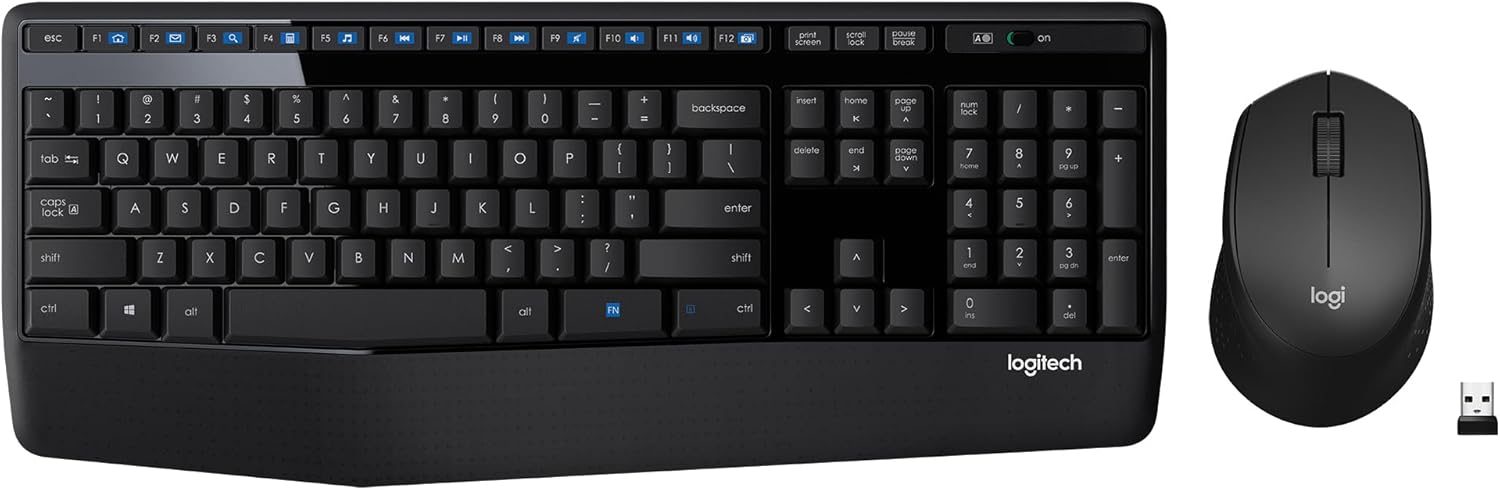
Best Wireless Keyboard and Mouse Combo
Logitech Comfortable Full-Size Keyboard with Palm Rest. Reliable 2.4GHz Wireless Connection up to 10m. Long Battery Life for Everyday Productivity.
Shop on Amazon
Key Takeaways
- Keyboard devices not showing in Device Manager typically result from three main causes: hidden device view settings, corrupted HID-compliant keyboard drivers, or USB controller failures that prevent hardware enumeration.
- Enable ‘Show hidden devices’ in Device Manager’s View menu to reveal greyed-out keyboard entries and phantom USB hubs that may be blocking new device recognition.
- Perform a static power drain by unplugging your computer and holding the power button for 30 seconds to clear residual motherboard charge that may trap keyboard initialization signals.
- Corrupt INF catalog files and conflicting driver filters in the Windows registry can prevent keyboard detection—run SFC /scannow to repair protected system files and rebuild corrupted driver catalogs.
- Use the built-in Hardware Troubleshooter or Scan for Hardware Changes feature in Device Manager to automate detection of driver conflicts and force USB bus re-enumeration.
- If the keyboard device disappeared after a Windows Update, use System Restore to revert to a previous working state before attempting manual driver repairs or registry edits.
Why Your Keyboard Isn’t Appearing
Windows Device Manager doesn’t always display every connected piece of hardware. Several system-level gatekeepers determine whether a device appears in the tree, and when those gatekeepers fail, your keyboard drops off the radar entirely.
Hardware Connection Issues
Physical layer problems account for a surprising number of invisible devices. A loose USB port, bent pins inside the connector, or a damaged cable interrupt the enumeration handshake between your keyboard controller and the USB Host Controller. When Windows never receives the initial USB descriptor packet, it can’t create the device node, so nothing shows up in Device Manager.
Static electricity buildup on the motherboard can also trap power states in a half-initialized limbo. This phenomenon is especially common after sudden power loss or hard shutdowns. The motherboard chipset holds residual charge that prevents proper POST enumeration, leaving USB controllers unable to report connected peripherals.
BIOS or UEFI firmware settings sometimes disable entire USB controller banks. If you recently updated firmware or restored default settings, check whether “USB Legacy Support” or “XHCI Hand-off” options are toggled off. Without these enabled, Windows may fail to inherit USB device trees from the boot loader, making keyboards invisible at the OS level.
Driver Problems and Corruption
Corrupted INF catalog files in C:\Windows\INF can cripple device installation. Windows relies on these driver information files to match hardware IDs with the correct driver packages. If the keyboard.inf or related PNF cache files become damaged, often due to interrupted Windows Updates or disk errors, the system can’t bind your keyboard to the HID-compliant keyboard driver class.
Code 45 errors (“Currently, this hardware device is not connected to the computer”) appear when the driver stack loads but Windows loses communication with the physical device. This status code usually indicates a failed re-enumeration after sleep or hibernation, leaving ghost entries that occupy the device slot without displaying in the active tree.
Missing or outdated USB Host Controller drivers also cascade into keyboard invisibility. The keyboard driver sits downstream from the USB controller in the device stack. If the root hub driver fails to load or crashes during initialization, every USB device connected to that controller vanishes from Device Manager, including your keyboard.
Hidden Devices and View Settings
By default, Device Manager hides non-present devices, hardware that was previously installed but is currently disconnected or disabled. If your keyboard was working earlier and you’ve since swapped USB ports or updated drivers, Windows may have marked the original device node as “not present” and hidden it from view. The new connection attempt then fails silently because the old driver binding conflicts with the new enumeration request.
Greyed-out or phantom HID keyboard devices occupy the registry’s device class GUID trees ({4D36E96B-E325-11CE-BFC1-08002BE10318} for keyboards) without surfacing in the default Device Manager view. These ghost entries can block new installations, forcing you to manually purge them before Windows will recognize a fresh keyboard connection.
Show Hidden Devices
Device Manager includes a hidden toggle that reveals non-present and historical devices. Open Device Manager by pressing Win + X and selecting “Device Manager” from the power user menu. In the menu bar, click View and check Show hidden devices. This expands the tree to include greyed-out entries, phantom USB hubs, and previously connected keyboards.
Once hidden devices appear, look under “Keyboards” for any greyed-out listings. These represent device nodes Windows remembers but considers disconnected. If you see an entry with a downward arrow icon, the device is administratively disabled. Right-click it and choose “Enable device” to reactivate the binding.
Scan the “Universal Serial Bus controllers” node as well. Hidden or failed USB Root Hubs often hide upstream problems. If multiple USB Host Controllers appear greyed out, your keyboard’s parent controller may be disabled or experiencing a Code 45 error. Uninstall these ghost controllers by right-clicking and selecting “Uninstall device,” then reboot to force Windows to rediscover the hardware.
For persistent ghost devices, download Microsoft’s DevCon utility or use a third-party tool like Driver Booster to batch-remove non-present devices from the registry. This clears stale device nodes and allows fresh enumeration on reboot.
Check Physical Connections
Before diving into software fixes, rule out hardware faults. Unplug your keyboard and inspect the USB connector for bent pins, debris, or corrosion. Plug the keyboard into a different USB port, preferably one directly on the motherboard’s rear I/O panel rather than a front-panel header or USB hub.
Perform a static power drain to clear residual motherboard charge. Shut down Windows completely, unplug the power cable, and hold the power button for 30 seconds. This releases trapped voltage on capacitors and resets the USB controller’s power state. Reconnect power and boot into Windows to see if the keyboard reappears.
Test the keyboard on another computer. If it appears in Device Manager on a different machine, the issue is isolated to your Windows installation or motherboard. If it still doesn’t show, the keyboard’s internal USB controller may have failed. Consider a replacement like the Logitech K380 Multi-Device Bluetooth Keyboard as a reliable backup.

Check BIOS settings by rebooting and pressing F2, Del, or F10 during POST. Navigate to “Advanced” or “Integrated Peripherals” and confirm USB controllers are enabled. Look for “USB Legacy Support” and ensure it’s set to “Enabled.” Save changes and exit to allow Windows to inherit the full USB device tree.
Update and Reinstall Drivers
If your keyboard appears in Device Manager but is flagged with a yellow exclamation mark, driver corruption is likely. Right-click the keyboard entry and select “Update driver.” Choose “Search automatically for drivers” to let Windows pull the latest HID-compliant keyboard driver from Windows Update.
If automatic search fails, manually download the chipset and USB controller drivers from your motherboard or laptop manufacturer’s support page. Install these first, as they provide the foundation for downstream HID devices. Reboot and check Device Manager again.
To fully reinstall the keyboard driver, right-click the device, select “Uninstall device,” and check “Delete the driver software for this device.” Reboot immediately. Windows will rediscover the keyboard on startup and reinstall the driver from the driver store.
For stubborn corruption, open an elevated Command Prompt and run sfc /scannow to repair protected system files. This scan rebuilds corrupted INF catalogs in C:\Windows\INF and restores missing driver components. Expect the scan to take 15–30 minutes. If SFC reports integrity violations it can’t fix, follow up with DISM /Online /Cleanup-Image /RestoreHealth to pull clean files from Windows Update.
Run Hardware Troubleshooter
Windows includes a built-in Hardware and Devices troubleshooter that automates common fixes. Open Settings by pressing Win + I, navigate to System > Troubleshoot > Other troubleshooters, and run the “Keyboard” troubleshooter. Windows will check for driver conflicts, disabled services, and registry misconfigurations.
The troubleshooter may also detect issues with the Human Interface Device Access service, which manages HID-compliant keyboards. If this service is stopped or set to “Manual,” the troubleshooter will attempt to restart it and change the startup type to “Automatic.”
Alternatively, run the legacy troubleshooter via Command Prompt. Type msdt.exe -id DeviceDiagnostic and press Enter. This launches the Hardware and Devices diagnostic wizard, which scans for Plug and Play errors and attempts automatic repair.
If the troubleshooter identifies Code 45 errors or missing upper/lower filters in the registry, it may prompt you to remove conflicting filter drivers. Follow the prompts to allow Windows to clean the device stack. Reboot after the troubleshooter completes to apply changes.
Scan for Hardware Changes
Forcing a hardware re-scan prompts Windows to rediscover all connected devices. Open Device Manager, click the computer name at the top of the tree, then select Action > Scan for hardware changes from the menu bar. Windows will re-enumerate the USB bus, polling every controller for attached devices.
During the scan, watch for new entries under “Keyboards” or “Human Interface Devices.” If your keyboard appears but immediately disappears, a driver conflict or power management policy is likely interfering. Expand “Universal Serial Bus controllers,” locate your keyboard’s parent hub, right-click it, and select “Properties.” Under the “Power Management” tab, uncheck “Allow the computer to turn off this device to save power.”
If the scan reveals nothing new, try the legacy hardware wizard. In Device Manager, click Action > Add legacy hardware. Follow the wizard to manually select “Keyboards” from the hardware type list. Windows will attempt to bind a generic HID driver even if hardware enumeration failed.
“Device Manager showed zero keyboards after a Win11 update. Scan for hardware changes brought it back instantly.” via r/Windows11
For wireless or Bluetooth keyboards, open Settings > Bluetooth & devices, remove the keyboard, and re-pair it. This forces a fresh enumeration through the Bluetooth stack, which may bypass USB controller issues.
Edit Registry Settings
Registry corruption in the Keyboards class GUID can prevent device enumeration. Press Win + R, type regedit, and navigate to:
HKEY_LOCAL_MACHINE\SYSTEM\CurrentControlSet\Control\Class\{4D36E96B-E325-11CE-BFC1-08002BE10318}
Look for entries named “UpperFilters” or “LowerFilters” in the right pane. These registry values specify driver stack filters that load above or below the main keyboard driver. Corrupted filter entries, often left behind by third-party keyboard software or macro tools, can block device initialization. Delete both UpperFilters and LowerFilters if present, then reboot.
If you’re still missing the Keyboards category entirely, the class installer may have been unregistered. Open an elevated Command Prompt and run:
rundll32.exe setupapi,InstallHinfSection DefaultInstall 132 C:\Windows\INF\keyboard.inf
This command re-registers the keyboard device class with Windows and rebuilds the necessary registry keys. Reboot and scan for hardware changes to rediscover your keyboard.
Be cautious when editing the registry. Create a System Restore point first by searching “Create a restore point” in the Start menu, selecting your system drive, and clicking “Create.” This allows you to roll back if registry edits cause boot issues.
Use System Restore
If your keyboard disappeared after a recent Windows Update, driver installation, or software change, System Restore can revert your system to a working state. Search “Create a restore point” in the Start menu and click “System Restore.” Select a restore point dated before the keyboard vanished.
System Restore rolls back registry changes, driver updates, and system file modifications without affecting personal documents. The process takes 15–30 minutes and requires a reboot. After restoration, check Device Manager to confirm the keyboard reappears.
If no restore points exist, enable System Protection by navigating to System Properties > System Protection, selecting your system drive, and clicking “Configure.” Allocate at least 5% of disk space to restore points to prevent future issues.
For severe corruption where System Restore fails, perform a Windows In-Place Upgrade repair. Download the Windows Media Creation Tool, run it, and choose “Upgrade this PC now.” This reinstalls Windows while preserving installed programs and files, repairing missing system drivers and INF catalogs in the process.
Advanced Solutions
For persistent invisibility even though all prior fixes, manually rebuild the driver store. Boot into Safe Mode by holding Shift while clicking Restart, then navigate to Troubleshoot > Advanced options > Startup Settings and press F5. In Safe Mode, navigate to C:\Windows\System32\DriverStore\FileRepository and locate the keyboard.inf_amd64_* folder. Delete it, then run pnputil /scan-devices from an elevated Command Prompt to force driver reinstallation.
Check for BIOS updates from your motherboard or laptop manufacturer. Firmware bugs occasionally cause USB enumeration failures that persist until the UEFI firmware is patched. Flash the latest BIOS version and reset settings to default.
If you’re using a USB-over-Ethernet extender, KVM switch, or docking station, test the keyboard with a direct motherboard connection. These intermediary devices add layers to the USB stack that can fail silently, preventing Device Manager from seeing downstream peripherals.
“BIOS update v2.11 fixed my disappearing keyboard issue on MSI B550 boards. Chipset drivers alone weren’t enough.” via r/MSI_Gaming
Consider upgrading to a USB-C keyboard with direct PCIe signaling if your motherboard supports it. Modern Keychron K Pro Series Mechanical Keyboards offer hot-swappable connectivity and firmware-level device descriptors that bypass common USB Host Controller bugs.

Frequently Asked Questions
Why is my keyboard device not showing in Device Manager?
Your keyboard may not appear due to hidden device view settings, corrupted HID-compliant keyboard drivers, physical USB connection issues, static charge on the motherboard, or disabled USB controllers in BIOS. Check if hidden devices are enabled in Device Manager’s View menu and verify physical connections first.
How do I enable hidden devices to show in Device Manager?
Open Device Manager (Win + X), click the View menu, and check ‘Show hidden devices.’ This reveals greyed-out keyboard entries and phantom USB hubs. Look for devices with downward arrow icons and right-click to enable them. For persistent ghost entries, use Microsoft’s DevCon utility to batch-remove them.
What should I do if my keyboard device shows a Code 45 error in Device Manager?
Code 45 indicates the device isn’t connected or the driver stack failed. Try unplugging the keyboard, performing a static power drain (shut down, unplug power, hold power button 30 seconds), then reconnect. Run the Hardware troubleshooter or manually reinstall the driver by uninstalling and checking ‘Delete driver software.’
How can I fix a keyboard that disappeared after a Windows Update?
Use System Restore to revert to a working state before the update. Search ‘Create a restore point,’ select a restore point dated before the issue occurred, and confirm restoration. If that fails, run sfc /scannow or perform a Windows In-Place Upgrade using the Media Creation Tool to repair corrupted drivers.
Can BIOS settings prevent my keyboard from appearing in Device Manager?
Yes. Disabled USB Legacy Support or XHCI Hand-off settings in BIOS can hide keyboards from Windows. Restart your computer, press F2, Del, or F10 during boot, navigate to Advanced settings, and ensure USB controllers and Legacy Support are enabled. Save and exit to allow Windows to recognize the keyboard.
What are UpperFilters and LowerFilters in the keyboard registry, and why do they cause issues?
UpperFilters and LowerFilters are registry values that load drivers above or below the main keyboard driver. Corrupted entries, often from third-party keyboard software, can block device initialization. Open Registry Editor, navigate to HKEY_LOCAL_MACHINE\SYSTEM\CurrentControlSet\Control\Class{4D36E96B-E325-11CE-BFC1-08002BE10318}, and delete these values if present.
Read More:
- Bluetooth Keyboard Keeps Disconnecting (Causes and Quick Fixes)
- Bluetooth Keyboard Keeps Losing Connection (Here’s Why and How to Fix It)
- Bluetooth Keyboard Lagging (Inside is Pro Fixes for Fast Typists)
- Bluetooth Keyboard Delay (Here’s Why and How to Eliminate It)
- Bluetooth Keyboard Not Showing Up (Causes and Proven Methods to Fix It)