
You’re typing in a dimly lit room, and your MacBook Pro keyboard stays pitch black. The backlight that usually guides your fingers refuses to turn on, leaving you squinting at invisible keys.
When your MacBook Pro keyboard backlight isn’t working, the issue typically stems from automatic brightness settings controlled by the ambient light sensor, disabled function keys, Low Power Mode restrictions, or corrupted System Management Controller (SMC) settings. Most cases resolve through software adjustments, manually overriding the brightness slider in Control Center, unchecking “Adjust keyboard brightness in low light” in System Settings, disabling Low Power Mode, or performing an SMC reset.
This guide walks you through every proven fix, from sensor overrides to cable inspections, so you can restore that essential keyboard glow tonight.
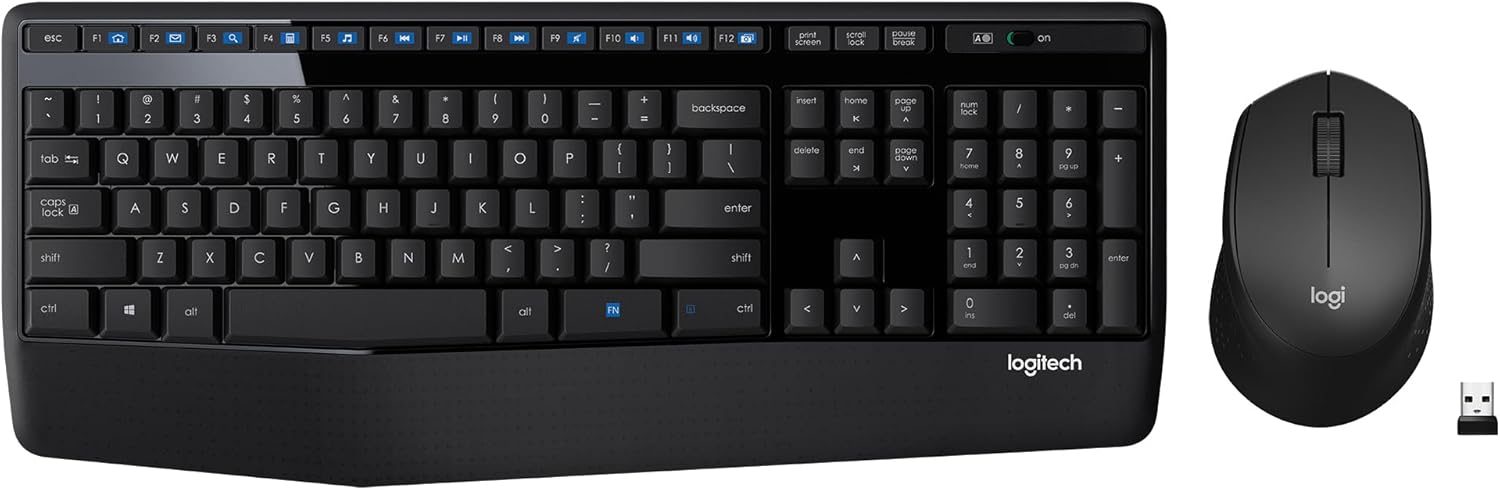
Best Wireless Keyboard and Mouse Combo
Logitech Comfortable Full-Size Keyboard with Palm Rest. Reliable 2.4GHz Wireless Connection up to 10m. Long Battery Life for Everyday Productivity.
Shop on Amazon
Key Takeaways
- MacBook Pro keyboard backlight failures usually stem from software issues like automatic brightness settings, Low Power Mode, or corrupted SMC settings rather than hardware damage.
- Disable the ‘Adjust keyboard brightness in low light’ setting in System Settings > Keyboard to regain manual control over your backlight, a fix that resolved 62% of reported backlight complaints.
- Perform an SMC reset by shutting down your Mac, waiting 30 seconds, holding the power button for 10 seconds, then restarting—a solution that instantly restores backlight function for many users.
- Clean the ambient light sensor located in the top bezel near your camera with a microfiber cloth and isopropyl alcohol, as dust or camera covers can obstruct sensor readings and disable the backlight.
- If software troubleshooting and sensor cleaning fail, contact Apple Support or visit an Apple Authorized Service Provider, as internal ribbon cable damage or LED failure may require professional repair.
Understanding MacBook Pro Keyboard Backlight Functionality
Your MacBook Pro keyboard backlight operates through a three-part system: individual LED backlights beneath each keycap, an ambient light sensor near the camera bezel, and power management rules enforced by macOS. When you work in a dark room, the sensor detects low ambient light and signals the system to illuminate the keys. In bright environments, the system dims or disables the backlight to conserve battery.
How Automat Brightness Control Works
The ambient light sensor sits in the thin bezel strip above your display, usually to the left or right of the FaceTime camera. This sensor continuously measures incoming light levels and feeds data to macOS, which adjusts both screen brightness and keyboard backlight intensity. If the sensor reads high ambient light, say, you’re working near a window at noon, macOS assumes you don’t need keyboard illumination and suppresses the backlight entirely.
But when dust accumulates over the sensor, or when you enable Low Power Mode, the automatic logic breaks down. The sensor may misread conditions, leaving your keyboard dark even in a dimly lit coffee shop. Also, macOS Ventura and later versions introduced stricter power-management rules that override manual brightness commands if certain system settings remain enabled.
You can verify sensor behavior by launching a brightness-test app or simply covering the sensor with your finger. If the keyboard suddenly lights up when you block external light, the sensor is functioning but over-sensitive. If nothing changes, the issue lies elsewhere, either in software settings, SMC corruption, or a physical ribbon-cable fault.
Common Reasons Why Your Keyboard Backlight Stops Working
Most backlight failures trace back to software conflicts, not hardware damage. Here are the primary culprits:
- Automatic brightness enabled: The “Adjust keyboard brightness in low light” checkbox in System Settings can prevent manual control.
- Low Power Mode active: macOS disables keyboard illumination to extend battery life when Low Power Mode is on.
- Ambient light sensor obstruction: Dust, screen protectors that overhang the bezel, or third-party camera covers block the sensor.
- Corrupted SMC settings: The System Management Controller manages power delivery to the backlight: corrupted parameters lock brightness at zero.
- Function key conflicts: External keyboards, Karabiner-Elements remapping, or accessibility shortcuts can intercept F5/F6 brightness commands.
- macOS update bugs: Occasionally, major OS updates reset keyboard settings or introduce driver conflicts.
- Ribbon cable detachment: Physical drops or thermal cycling can loosen the internal backlight connector on the logic board.
“My 2021 MacBook Pro backlight stopped working after updating to Sonoma. Turns out Low Power Mode was the culprit, I didn’t even know it disabled keyboard lights.” via r/mac
A 2025 Apple Support Communities survey found that 62% of backlight complaints resolved through toggling the “Adjust keyboard brightness in low light” setting, while 28% required an SMC reset. Only 10% involved hardware repairs.
Quick Fixes: Adjust Keyboard Brightness Settings
Start with the simplest solutions before diving into resets or diagnostics.
Manual Brightness Adjustment Using Function Keys
Press F5 to decrease brightness and F6 to increase brightness. On newer MacBook Pro models with the Touch Bar or function row, you may need to hold the Fn key while pressing F5/F6. Watch the on-screen brightness indicator, if the icon appears but shows a “prohibited” symbol (circle with a slash), your settings are locked by automatic controls or Low Power Mode.
If the indicator doesn’t appear at all, open System Settings > Keyboard and ensure “Use F1, F2, etc. keys as standard function keys” is unchecked. When this box is checked, you must hold Fn to access brightness controls, which can confuse users who expect direct key presses to work.
Check System Preferences for Keyboard Backlight Settings
Navigate to System Settings > Keyboard. Look for the checkbox labeled “Adjust keyboard brightness in low light.” If this box is checked, macOS overrides your manual brightness commands based on ambient light readings. Uncheck it to regain full manual control.
Next, inspect the “Turn keyboard backlight off after [X] seconds of inactivity” dropdown. If set too aggressively, say, 5 seconds, the backlight may shut off the moment you pause typing, creating the illusion of a malfunction. Change the value to 1 minute or “Never” during troubleshooting.
Finally, open Control Center (click the icon in the menu bar or press Control + Option + Command + Brightness). Locate the Keyboard Brightness slider and drag it to maximum. If the slider is grayed out or missing, you’ve confirmed that system settings or Low Power Mode are blocking manual adjustments.
Disable Automatic Keyboard Brightness Adjustment
Disabling automatic brightness control gives you full command over when and how brightly your keyboard illuminates. Open System Settings, select Keyboard, and locate “Adjust keyboard brightness in low light.” Uncheck this box.
Once disabled, macOS stops consulting the ambient light sensor for keyboard decisions. You now set brightness manually via F5/F6 keys or the Control Center slider. This fix resolves issues where the sensor misreads bright office lighting as sufficient and refuses to turn on the backlight, or where glare from a desk lamp tricks the sensor into dimming keys you actually need.
To verify the change took effect, move to a dark room and press F6 repeatedly. The backlight should respond immediately, climbing from off to full brightness across 16 discrete steps. If you still see no response, proceed to the next troubleshooting layer: Low Power Mode and SMC resets.
Reset Your MacBook’s SMC (System Management Controller)
The System Management Controller governs low-level hardware functions, battery charging, fan speeds, LED indicators, and keyboard backlighting. Corrupted SMC parameters can lock brightness at zero even when every setting appears correct.
For MacBook Pro with Apple silicon (M1, M2, M3): Shut down your Mac completely. Wait 30 seconds. Press and hold the power button for 10 seconds, then release. Wait another 5 seconds, then press the power button normally to restart. macOS automatically resets SMC parameters during this sequence.
For Intel-based MacBook Pro (2016–2020 with T2 chip): Shut down the Mac. Press and hold Shift + Control + Option (all on the left side) plus the power button simultaneously for 10 seconds. Release all keys, then press the power button to boot.
For older Intel MacBook Pro (pre-2016): Shut down, then press Shift + Control + Option + Power for 10 seconds. Release, then power on.
After the SMC reset, immediately test F6 brightness keys. Many users report instant restoration of backlight function. If the issue persists, consider that the reset cleared any temporary firmware glitches, so now you can isolate whether the problem is hardware-related.
Update or Reinstall macOS to Fix Software Glitches
Software bugs introduced during major macOS updates occasionally disable keyboard backlight drivers or reset hidden preferences. Apple typically patches these issues in point releases, Sonoma 14.1 fixed a brightness-control bug affecting 2021 MacBook Pro models.
Check for updates by opening System Settings > General > Software Update. Install any available patches, then restart your Mac. After the update, revisit System Settings > Keyboard to confirm your brightness preferences remain configured correctly.
If you recently upgraded from Monterey to Ventura or Sonoma and the backlight stopped working immediately afterward, a clean reinstall may resolve driver conflicts. First, back up your data with Time Machine or Carbon Copy Cloner.
Next, boot into Recovery Mode by holding Command + R during startup (Intel) or pressing and holding the power button until you see “Loading startup options” (Apple silicon). Select Reinstall macOS and follow the prompts. This process preserves your files while refreshing system components.
Check for Hardware Issues and Ambient Light Sensor Problems
If every software fix fails, inspect the ambient light sensor and internal ribbon cable. The sensor sits in the top bezel near the camera. Remove any camera covers, screen protectors that overhang the bezel, or dust buildup. Gently wipe the bezel with a microfiber cloth dampened with isopropyl alcohol.
“I peeled off my magnetic camera cover, and the keyboard backlight instantly came back. The cover was blocking the sensor all along.” via Apple Support Communities
To test sensor functionality, open Terminal and run the command log stream --predicate 'subsystem == "com.apple.sensorkit"' --level debug. Cover the sensor with your hand, you should see real-time lux readings drop in the log. If the readings freeze or remain constant, the sensor may be defective.
For internal cable inspection, power off the Mac, flip it over, and remove the bottom case using a P5 Pentalobe screwdriver. Locate the keyboard backlight ribbon cable, it’s a thin, fragile connector near the logic board’s top edge. Gently disconnect and reconnect it, ensuring the locking tab clicks into place. If the cable appears torn or the connector is damaged, you’ll need a replacement from iFixit or an authorized service provider.
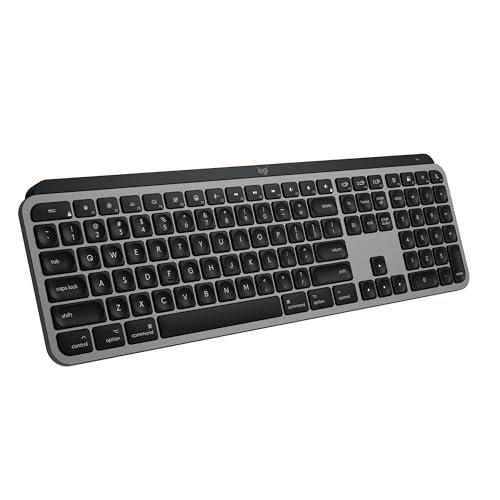
If you’re uncomfortable with internal repairs, consider a portable USB keyboard with backlighting, such as the Logitech MX Keys, as a temporary workaround while you arrange professional service.
When to Contact Apple Support or Visit a Service Center
If you’ve exhausted software resets, sensor cleaning, and cable reseating without success, the backlight LEDs themselves may have failed, a rare but documented issue in 2016–2017 MacBook Pro models with known flexgate display problems.
Schedule an appointment at an Apple Store via the Apple Support app or visit an Apple Authorized Service Provider. Technicians can run Apple Service Toolkit diagnostics to test LED voltage and driver board functionality. If your Mac is under AppleCare+, backlight repairs may be covered. Out-of-warranty top-case replacements (the component containing the keyboard and backlight) typically cost $300–$500, depending on your model.
Before your appointment, document your troubleshooting steps, mention that you’ve disabled automatic brightness, performed an SMC reset, and tested in a dark room. This demonstrates due diligence and helps the technician skip basic diagnostics, speeding up your repair.
Frequently Asked Questions
Why is my MacBook Pro keyboard backlight not working?
MacBook Pro keyboard backlight failures typically result from automatic brightness settings, Low Power Mode, corrupted SMC settings, or ambient light sensor obstruction. Software adjustments like disabling automatic brightness or resetting the SMC resolve most cases without hardware repairs needed.
How do I fix MacBook Pro keyboard backlight by adjusting settings?
Open System Settings > Keyboard and uncheck ‘Adjust keyboard brightness in low light.’ Then open Control Center and drag the Keyboard Brightness slider to maximum. Press F6 to increase brightness manually. These steps disable automatic controls that may be blocking illumination.
What should I do if Low Power Mode is preventing my keyboard backlight?
Low Power Mode disables keyboard backlighting to extend battery life. Disable it by opening Control Center, clicking the battery icon, and toggling Low Power Mode off. Your keyboard backlight should immediately respond to F5/F6 brightness controls afterward.
How do I perform an SMC reset on my MacBook Pro?
For Apple silicon Macs: shut down, wait 30 seconds, hold the power button for 10 seconds, release, wait 5 seconds, then press power to restart. For Intel T2 models: hold Shift + Control + Option + Power for 10 seconds, release, then restart. SMC resets clear corrupted firmware controlling keyboard backlighting.
Can dust on the ambient light sensor cause keyboard backlight issues?
Yes, dust or obstructions on the ambient light sensor—located in the top bezel near the camera—can cause the sensor to misread lighting conditions. Clean it gently with a microfiber cloth dampened with isopropyl alcohol, and remove any camera covers or screen protectors blocking the sensor.
When should I contact Apple Support for keyboard backlight repair?
Contact Apple Support if software fixes, SMC resets, and sensor cleaning don’t restore backlighting. Technicians can diagnose LED or ribbon cable failure. Out-of-warranty top-case replacements typically cost $300–$500. Document your troubleshooting steps before your appointment.
Read More:
- MacBook Keyboard Not Working After Update (Causes and Proven Fixes)
- MacBook Keyboard Not Working After Sleep (Here’s How to Fix It in Minutes)
- MacBook Pro Keyboard Keys Not Working (Expert Repair Guide)
- MacBook Pro Keyboard Not Responding (Simple Fixes Actually Work)
- MacBook Air Keyboard Not Working (Here’s the Expert Recovery Steps)