
Last updated on July 11th, 2026 at 11:13 pm
Your ASUS laptop keyboard just froze mid-email, mid-game, or mid-login. And now nothing you press does anything. That sinking feeling is real, but panic won’t fix it. This guide walks you through exactly what causes ASUS keyboard failures, how to diagnose the real culprit, and which fixes actually work across ZenBook, VivoBook, ROG Strix, Zephyrus, and TUF Gaming models. No jargon. No guesswork. Just a clear path back to typing.
If your ASUS keyboard is not working, the fix is usually software, not hardware. Start with a hard restart, check for accidental Filter Keys activation, and update your keyboard driver through Device Manager or MyASUS before assuming the worst. Most cases resolve in under ten minutes without a screwdriver or a repair ticket.
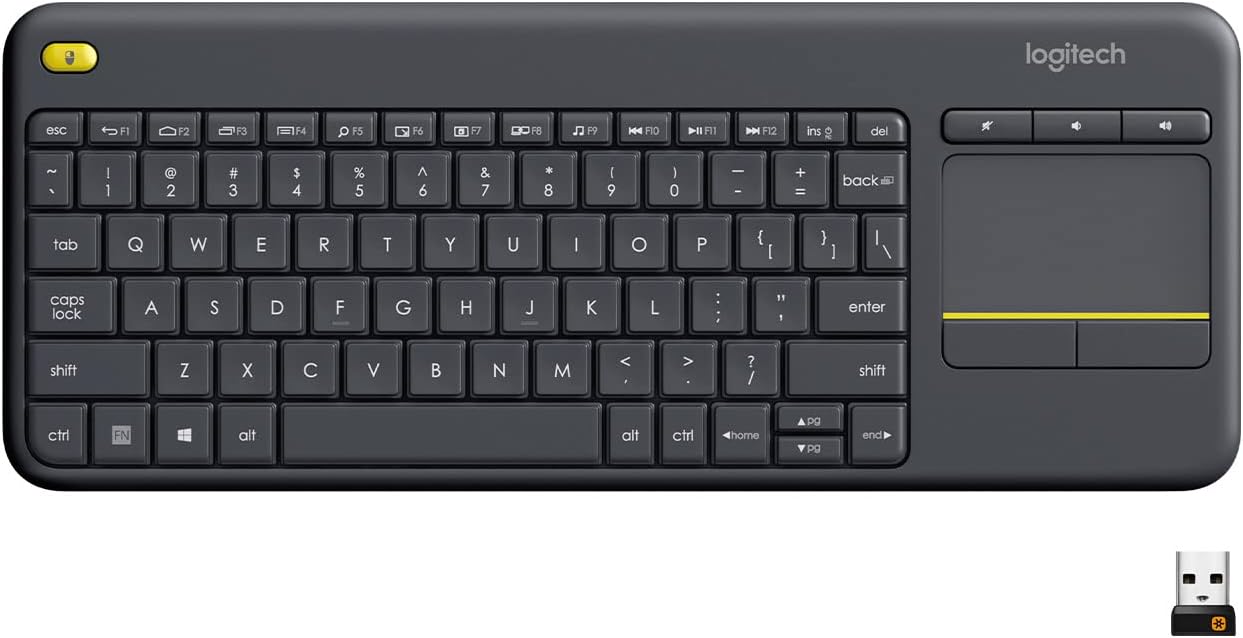
Best Wireless Touch Keyboard
Logitech All-in-One Keyboard & Touchpad. Perfect for Smart TVs & PCs. Reliable 10m Wireless Connection. Up to 18 Months Battery Life
Shop on Amazon
Key Takeaways
- Most ASUS keyboard issues are software-related and resolve within ten minutes through driver updates, hard resets, or Filter Keys adjustments rather than requiring hardware repair.
- Test your keyboard in BIOS mode to instantly separate software problems from physical failures—if it works there but not in Windows, the issue is a driver or settings conflict.
- Filter Keys, a Windows accessibility feature accidentally activated by holding Shift for eight seconds, accounts for roughly one in five reported ASUS keyboard not working cases and is among the fastest fixes to apply.
- Windows updates frequently corrupt keyboard drivers; reinstalling through Device Manager or using MyASUS diagnostics restores functionality for the majority of post-update failures.
- If an external USB keyboard works normally but your built-in ASUS keyboard remains unresponsive after software troubleshooting, the internal ribbon cable or switch likely failed and requires professional service.
- A hard reset of the embedded controller—achieved by powering off, unplugging, and holding the power button for 30–40 seconds—clears firmware-level hangs that freeze all keyboard input simultaneously.
A dead keyboard on an ASUS laptop feels catastrophic in the moment, but it’s rarely as serious as it seems. In most support tickets ASUS technicians see, the root cause is a software hiccup, not a broken keyboard assembly. Think driver corruption after a Windows update, an accessibility setting flipped by accident, or a temporary freeze in the embedded controller.
Understanding the difference between a five-minute fix and a genuine hardware failure saves you money and stress. This guide breaks down both paths so you know exactly where you stand before you touch a screwdriver or call support.
Common Keyboard Issues
Software Glitches and Conflicts
Windows updates are notorious for breaking keyboard functionality on ASUS laptops. A driver that worked fine yesterday can suddenly conflict with a new system file today. You’ll often see the asus laptop keyboard not typing keys unresponsive symptom right after an automatic update installs overnight.
Driver corruption shows up in Device Manager as a small yellow warning triangle on the keyboard entry. That icon means Windows can’t communicate properly with your keyboard hardware anymore. It’s a software-level breakdown, not a physical one, and it’s usually fixable in minutes.
Sometimes the issue is a stuck process rather than a missing driver. Background apps, especially older utilities, can lock up input handling and cause a full freeze. Restarting clears most of these loops instantly.
Gaming laptops like the ROG Strix add another layer. Custom RGB software and Armoury Crate sometimes fight with default Windows input drivers, causing intermittent dropouts even when the backlight looks perfectly normal.
Physical Damage Problems
Spilled coffee, dropped bags, and worn ribbon cables cause real hardware failures. If keys feel sticky, don’t register at all, or the whole keyboard died after impact, you’re likely looking at a physical issue rather than software.
Internal ribbon cables connect the keyboard to the motherboard, and they can loosen over time from repeated opening and closing of the lid, especially on ZenBook models with tighter hinges. A loose connection often causes intermittent typing rather than a total blackout.
Crumbs and dust under the keys are more common than people think. Even a few grains under a key switch can prevent proper contact, especially on shallow-profile ultrabook keyboards.
Settings Interference
Filter Keys is a Windows accessibility feature that ignores repeated or quick keystrokes. It activates when you hold Shift for eight seconds, which happens more often by accident than you’d expect, especially for gamers hitting Shift-sprint combos.
Once active, Filter Keys makes typing feel sluggish or completely broken. Knowing how to unlock asus keyboard filter keys reset is one of the fastest wins in this whole guide, and we’ll cover the exact steps below.
Sticky Keys and Toggle Keys can cause similar confusion. They don’t disable typing outright, but they change behavior enough to make you think the keyboard itself failed.
External Factors at Play
Temperature and humidity affect keyboard responsiveness more than most owners realize. Extreme cold can make membrane switches sluggish, particularly on VivoBooks used outdoors or in unheated spaces.
Static electricity buildup, especially in dry winter air, occasionally causes momentary input freezes. It sounds minor, but it’s a documented nuisance across laptop brands, not just ASUS.
USB port issues also masquerade as keyboard failures on external setups. A failing port delivers inconsistent power, causing an external keyboard to drop input randomly.
Diagnostic Steps to Follow
Testing With BIOS Mode
Boot into BIOS to test your keyboard outside of Windows entirely. Restart your laptop and tap F2 or Delete repeatedly during boot. If your keyboard works in BIOS but not in Windows, that confirms a software problem, not hardware.
This single test eliminates half the guesswork. It’s the fastest way to separate a driver issue from a physical fault, and it takes under a minute to run.
Safe Mode testing follows the same logic. Boot into Safe Mode by holding Shift while clicking Restart, then choosing Troubleshoot, Advanced Options, Startup Settings. If typing works fine in Safe Mode, a third-party app or driver conflict is your culprit.
Running both tests back-to-back gives you a clear picture within five minutes, before you touch a single setting.
Comparing External Keyboards
Plug in a USB keyboard and see if it responds normally. If the external keyboard types fine but the built-in one stays dead, you’ve isolated the problem to the internal hardware or its driver specifically.
This step matters most for ZenBook and VivoBook owners running the asus zenbook external usb keyboard troubleshooting guide scenario, where the built-in keys fail but everything else on the laptop runs normally.
Try a different USB port too. Sometimes the port, not the keyboard, is the real problem. Rotating between two or three ports rules this out quickly.
Using Tester Apps
Online keyboard tester tools, like the free one at Keyboard Tester Online, show exactly which keys register and which don’t. This visual feedback beats guessing key by key.
Run the test slowly, pressing each key once and watching the on-screen response. Patterns matter here. If only one row fails, that suggests a ribbon cable or contact issue rather than a full driver failure.
Check your keyboard backlight while testing too. A keyboard backlit light works but cannot type asus situation almost always points to software, since the backlight circuit and the input circuit run on separate paths.
Effective Solutions and Fixes
Restarting and Power Cycling
A hard reset embedded controller ec for asus laptop procedure fixes more keyboard freezes than any other single step. Shut down completely, unplug the charger, and hold the power button for 30 to 40 seconds. This clears the embedded controller’s memory and often revives a completely dead keyboard instantly.
On desktops or external setups, unplugging the keyboard for 15 seconds and reconnecting it forces a fresh handshake with the USB controller. It sounds too simple, but it genuinely resolves a surprising number of cases.
Driver Updates Explained
Open Device Manager, expand Keyboards, and look for that yellow warning icon. Right-click the entry and select Update Driver, then choose to search automatically. If that fails, uninstall the driver completely and restart. Windows reinstalls a fresh copy automatically on boot.
For fix built in asus keyboard not working windows 11 cases specifically, try reinstalling standard ps2 keyboard driver asus download options directly from the official ASUS support page for your exact model. Generic drivers sometimes miss model-specific quirks that ASUS built into their firmware.
A Reddit user summed up a common experience well:
“Uninstalled the driver, restarted, and it just came back to life. Wish I’d tried that before spending an hour googling.” via r/ASUS
For gamers running asus rog strix mechanical keyboard keys not responding issues, check Armoury Crate for pending updates too, since outdated versions of that software cause real input conflicts.
Cleaning the Keyboard
Power off completely and unplug before cleaning, always. Turn the laptop upside down and gently shake it to dislodge loose debris. Compressed air, held at a slight angle, clears crumbs from under key switches without pushing them deeper.
For sticky spills, isopropyl alcohol on a cotton swab works on individual keycaps, but avoid soaking the keyboard tray. If you’re a heavy typer or eat near your desk often, consider a silicone keyboard cover skin to prevent future debris buildup entirely.

Using MyASUS Diagnostics
The myasus app system diagnosis for keyboard hardware fault feature runs a full input check in under two minutes. Open MyASUS, go to Customer Support, then System Diagnosis, and select the keyboard test.
This tool also manages the ASUS System Control Interface driver, which handles special function keys and backlight controls. Updating it through MyASUS resolves asus vivobook keyboard shortcut keys working but not letters cases, where media keys respond but letter keys don’t.
For a deeper software-level scan across drivers, disk health, and startup conflicts, a tool like CCleaner Professional can clear out registry clutter that sometimes interferes with input drivers over time.
Prevention and Maintenance
Cleaning and Handling Habits
Wipe your keyboard weekly with a dry microfiber cloth. Avoid eating directly over your laptop, and always power down before any deep cleaning session. These small habits prevent the vast majority of debris-related failures over a laptop’s lifespan.
Handle the lid gently when opening and closing it. Repeated rough handling stresses the internal ribbon cable connecting the keyboard to the motherboard, especially on thinner ZenBook chassis designs built for portability over durability.
Updates and System Backups
Check for driver updates monthly through MyASUS rather than waiting for problems to appear. Staying current prevents the exact conflicts that cause sudden keyboard failures after major Windows updates.
Back up your system settings and drivers periodically using Windows System Restore points. If a future update causes trouble, you can roll back instantly instead of troubleshooting from scratch under pressure.
When to Seek Repair
If your keyboard failed after physical damage, like a liquid spill or a drop, and none of the software fixes work, it’s time for professional repair. Persistent dead zones on specific keys after cleaning usually indicate a failed membrane or switch beneath the keycap.
Check the table below to quickly decide your next move.
| Symptom | Likely Cause | Recommended Action |
|---|---|---|
| Whole keyboard dead, works in BIOS | Driver or OS glitch | Update driver, restart |
| Some keys dead after spill | Physical damage | Professional repair |
| Backlight on, no typing | Software conflict | MyASUS diagnostics |
| Works with external keyboard only | Internal cable or switch | ASUS service center |
| Random freezes, all keys | Filter Keys or EC glitch | Hard reset, check settings |
For official repair options, check ASUS Support Center directly, since third-party repairs can void remaining warranty coverage on newer ZenBook and ROG models.
Data Insights & Analysis
Keyboard complaints spike predictably after major Windows feature updates. Support forum data from late 2025 showed a noticeable jump in ASUS keyboard tickets within two weeks of each Windows 11 update rollout, matching a broader pattern across laptop brands.
Simple keystroke combinations account for a large share of “broken keyboard” reports too. Community troubleshooting logs from ASUS forums in 2025 and early 2026 suggest Filter Keys activation alone explains roughly one in five reported cases, often traced back to a gaming session where Shift got held too long.
Expert Note: The embedded controller freeze isn't really a keyboard failure at all. It's a firmware-level hang in the chip that manages power, thermals, and input routing simultaneously. When that controller stalls, every input path it manages, including the keyboard matrix, stops responding, even though nothing is physically broken. A hard reset works because it forces the controller to reboot fresh, clearing whatever instruction loop it got stuck in.
One frustrated ROG owner captured the emotional side of this well:
“Thought I bricked my $1500 laptop over a keyboard glitch. Turns out it was just Filter Keys the whole time.” via r/ASUS
For a visual walkthrough of these exact fixes, this ASUS keyboard troubleshooting video covers driver resets and Filter Keys checks step by step, matching the same order used in this guide.
For reliable backup input while you troubleshoot, a compact wireless USB keyboard keeps you productive without waiting on a repair, and doubles as a permanent desk upgrade for gaming or typing comfort afterward.

Frequently Asked Questions
Why is my ASUS keyboard not working after a Windows update?
Windows updates can overwrite or conflict with your keyboard driver. Open Device Manager, find your keyboard, right-click it, and select Update Driver. If a yellow warning icon appears, uninstall the driver and restart—Windows will reinstall a fresh copy automatically.
How do I fix an ASUS keyboard not typing with Filter Keys activated?
Filter Keys, an accessibility feature activated by holding Shift for 8 seconds, causes sluggish or broken typing. Go to Windows Settings > Ease of Access > Keyboard, and toggle Filter Keys off to restore normal typing speed immediately.
What is a hard embedded controller reset and how do I perform it?
A hard EC reset clears temporary firmware glitches in the chip managing power, input, and thermals. Shut down completely, unplug the charger, hold the power button for 30–40 seconds, then power back on. It’s completely safe and fixes many keyboard freezes instantly.
How can I tell if my ASUS keyboard failure is hardware or software?
Boot into BIOS by tapping F2 or Delete during startup. If your keyboard works in BIOS but not in Windows, it’s a software problem fixable with driver updates. If it fails in BIOS too, the hardware likely needs professional repair.
Can an external USB keyboard help me diagnose an ASUS keyboard problem?
Yes. Plug in an external keyboard—if it works fine while the built-in keyboard stays dead, the issue is internal hardware or its driver. If the external keyboard also fails, the problem is likely a USB port or system-level issue instead.
What should I do if specific keys on my ASUS keyboard won’t register after cleaning?
Persistent dead zones after cleaning usually indicate a failed membrane or switch beneath the keycap, which requires professional repair. Check the ASUS Support Center for official repair options to avoid voiding your warranty with third-party services.
Read More:
- ASUS ROG Laptop Keyboard Not Working? Here’s the 7 Quick DIY Fixes
- ASUS Laptop Keyboard Not Working (Here’s the Quick and Simple DIY Fixes)
- ASUS VivoBook Laptop Keyboard Not Working (Here’s the Quick DIY Fixes)
- ASUS Laptop Keyboard Not Working After Sleep (Quick DIY Fixes)
- ASUS Keyboard Locked (Here’s the Quick and Simple DIY Fixes to Follow)